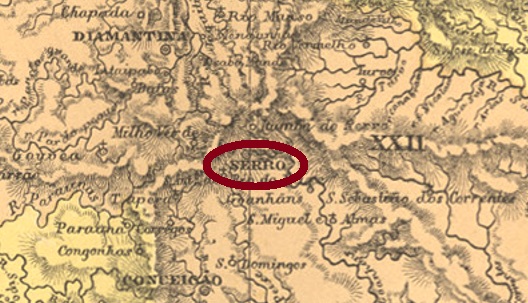
Other names: Grande Serro do Frio, Arraial das Lavras Velhas do Ivituruhy, Villa do Principe.
See also Conceição do Serro (R. Koester: Carimbologia XIII)
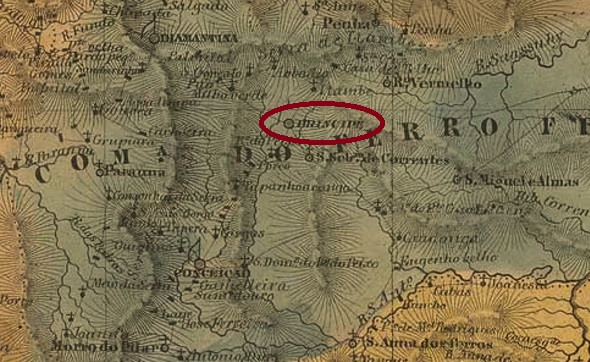
This very old settlement was already the Villa do Principe in January 1714, located in the north of the Capitania of Minas Gerais, 330 km north of the future provincial capital Ouro Preto. In March 1838, the place rose to become a town, and is today a tourist magnet as a historical site.
Paula Sobrinho writes in História Postal de Minas Gerais (Belo Horizonte, 1997) that there was a post office there from March 1798. Three postmarks with place names and one “mute” postmark were found. The first one is SMG-3100a, which was also used in red between 1839 and at least 1850, and can be seen in the RHM catalogue under P-MG-22:
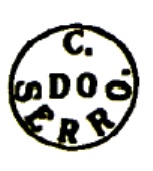
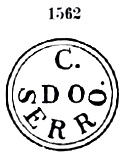
The C above probably means Cidade (city). It was followed by the SMG-3100b variant. This cancel has a double circle, also appears in blue and red, was in circulation from about 1844 to 1868 and was already presented by Paulo Ayres in Catálogo de Carimbos Brasil-Império (S. Paulo, 1937, 1942) under no. 1562:

The last place cancel in the Empire was SMG-3100c (Coll. José A. Junges): a double circle with the simple inscription SERRO at the top. Dates in the centre were found for the period between 1877 and 1901. Attention: do not confuse with the very similar cancel with the inscription C. DO SERRO: this one comes from nearby Conceição do Serro.
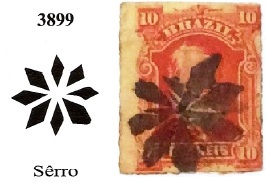
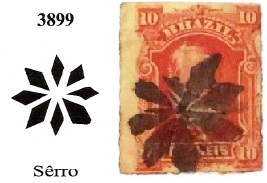
The mute cancel is the pretty no. 601 in Paulo Ayres (op. cit.), which is identical with no. 3899 in Mute Cancellations of the Brazil Empire / Carimbos Mudos do Brasil Império (Brazil Philatelic Association, Rio de Janeiro, 2000) by J. Dingler and K.W. Lopes. This cancel was found in covers around 1877 to 1879:
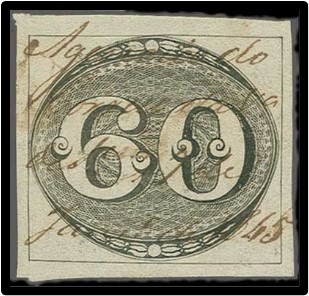
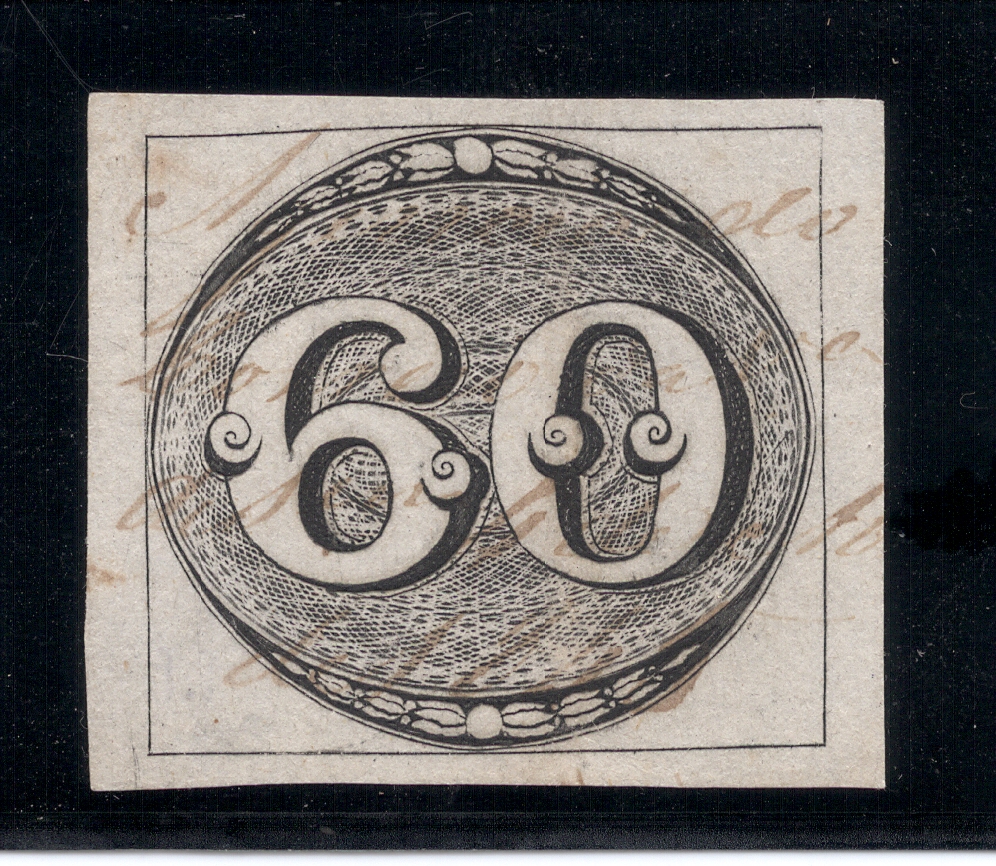
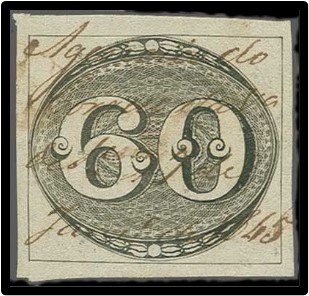
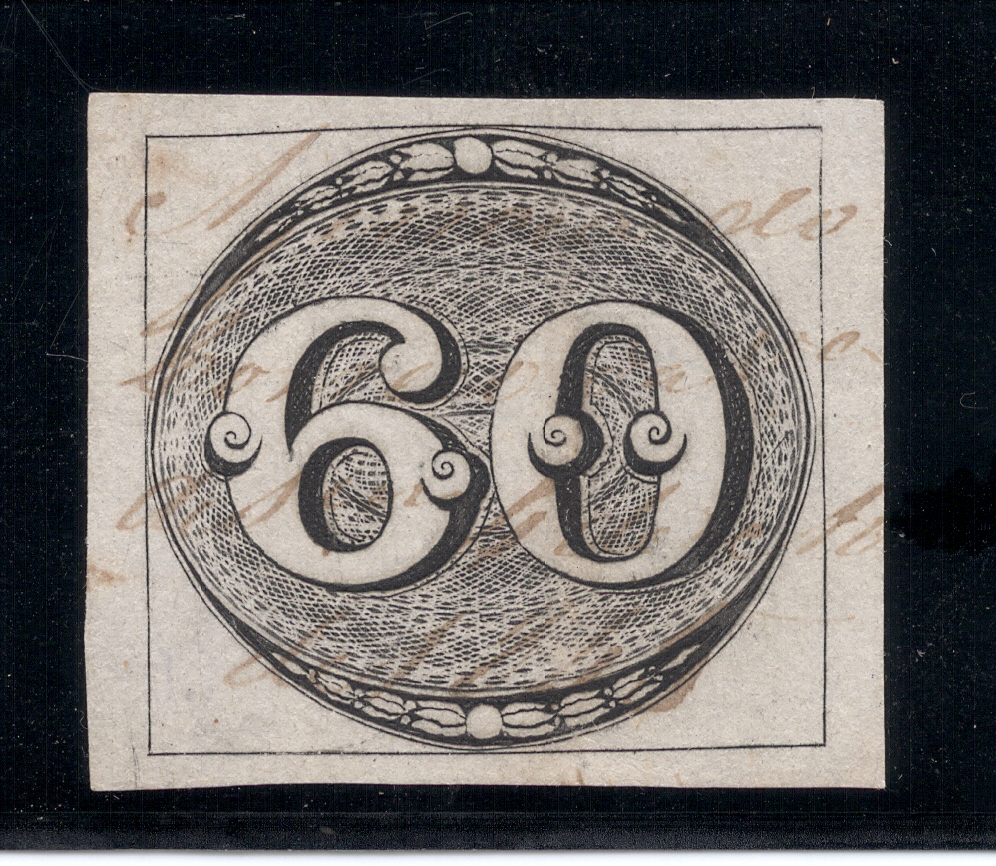
Finally, handwritten cancellations from Serro have been found, which were used on Bull’s-eyes from 1843:
Andere Namen: Grande Serro do Frio, Arraial das Lavras Velhas do Ivituruhy, Villa do Principe
Siehe auch Conceição do Serro (R. Koester: Carimbologia XIII)
Diese sehr alte Siedlung war bereits im Januar 1714 die Villa do Principe und lag im Norden der Capitania von Minas Gerais, 330 km nördlich der künftigen Provinzhauptstadt Ouro Preto entfernt. Im März 1838 stieg der Ort zur Stadt auf und ist bis heute als historische Stätte ein Touristenmagnet.
Paula Sobrinho schreibt in História Postal de Minas Gerais (Belo Horizonte, 1997) dass es dort ab März 1798 ein Postamt gab. Drei Poststempel mit Ortsbezeichnung und ein „stummer“ Stempel wurden gefunden. Der erste Stempel ist SMG-3100a, der zwischen 1839 und zumindest 1850 auch in Rot Verwendung fand, und wie im RHM-Katalog unter P-MG-22 zu sehen ist:

Das C oben bedeutet wohl Cidade (Stadt). Ihm folgte die Variante SMG-3100b. Dieser Stempel hat einen doppelten Kreis, kommt auch in blau und rot vor, war im Umlauf ab ca. 1844 bis 1868 und wurde bereits durch Paulo Ayres in Catálogo de Carimbos Brasil-Império, (S. Paulo, 1937, 1942) unter Nr. 1562 vorgestellt:
Der letzte Ortstempel im Kaiserreich war SMG-3100c (Samml. José A. Junges): ein Doppelkreis mit der schlichten Inschrift SERRO oben. Daten in der Mitte zwischen 1877 und 1901. Achtung: nicht mit dem sehr ähnlichen Stempel mit der Inschrift C. DO SERRO verwechseln: dieser kommt aus dem nahen Conceição do Serro.
Der „stumme“ Stempel ist der hübsche Nr. 601 bei Paulo Ayres (op. cit.), der identisch mit Nr. 3899 in Mute Cancellations of the Brazil Empire / Carimbos Mudos do Brasil Império, (Brazil Philatelic Association, Rio de Janeiro, 2000) von J. Dingler und K.W. Lopes ist. Dieser Stempel wurde in Belegen um 1877 bis 1879 gefunden:
Schließlich sind noch handschriftliche Entwertungen aus Serro gefunden worden, die auf Ochsenaugen von 1843 Verwendung fanden:

 Carimbologia