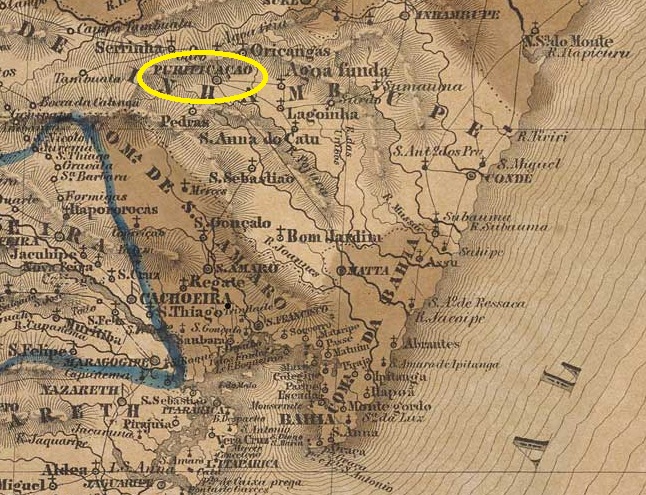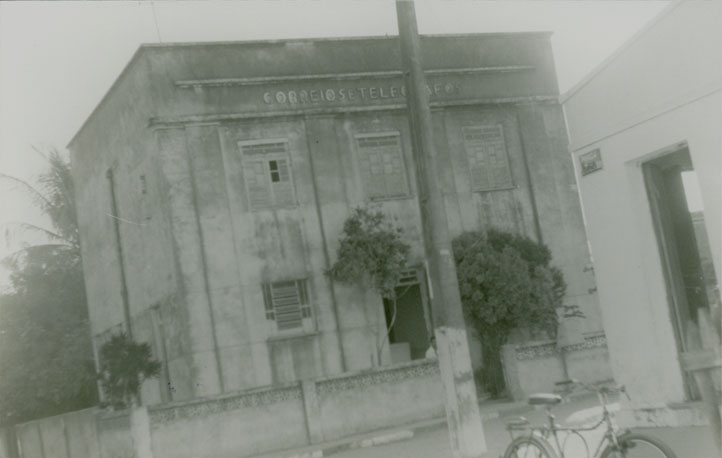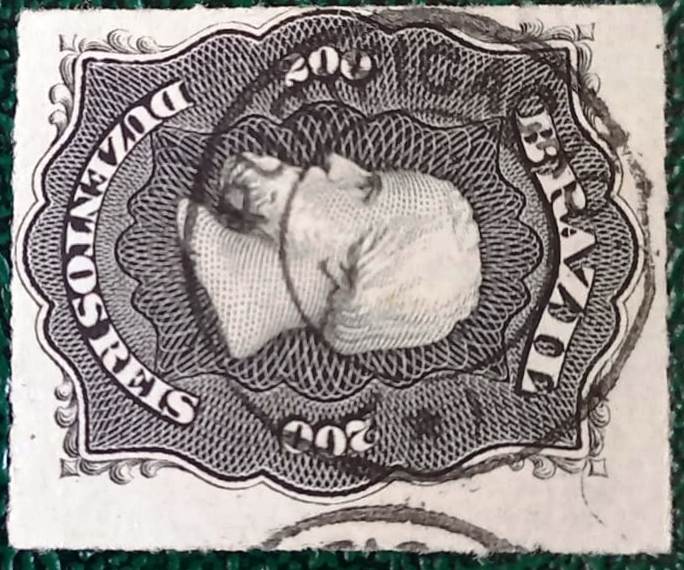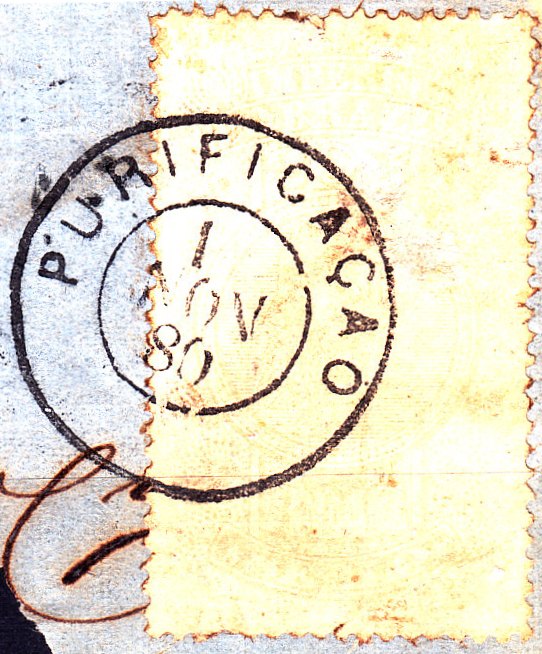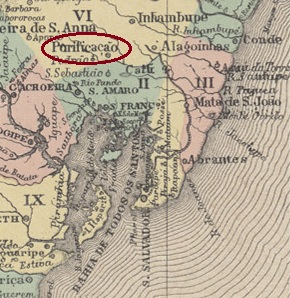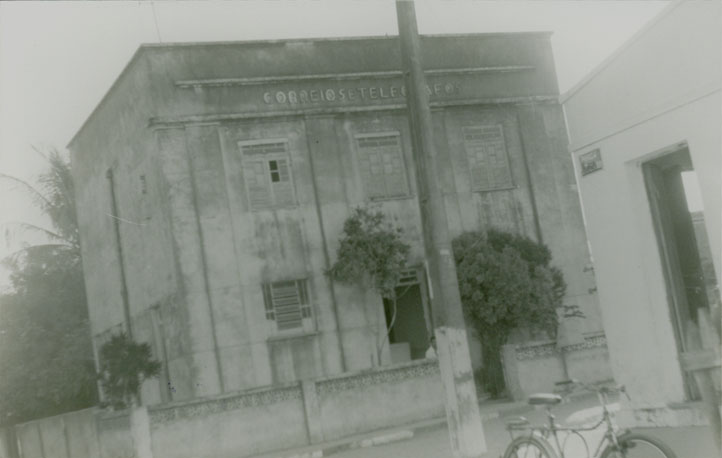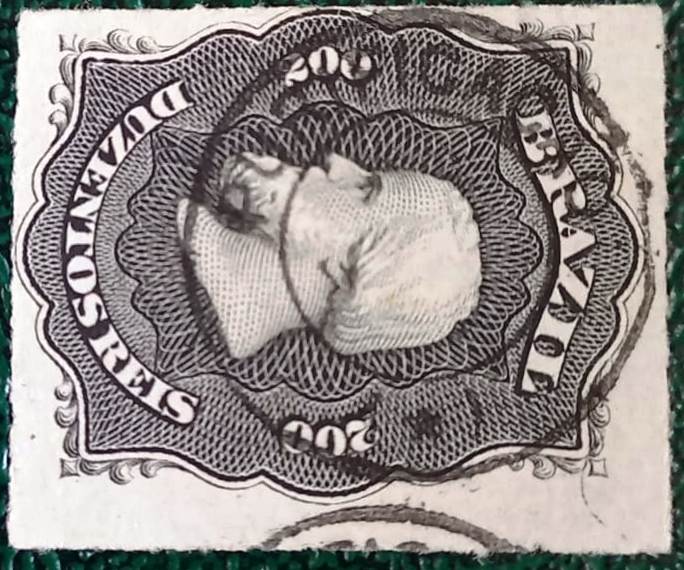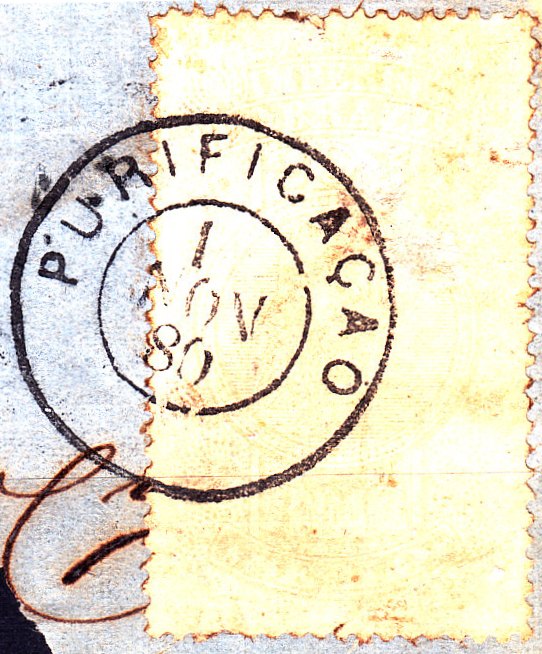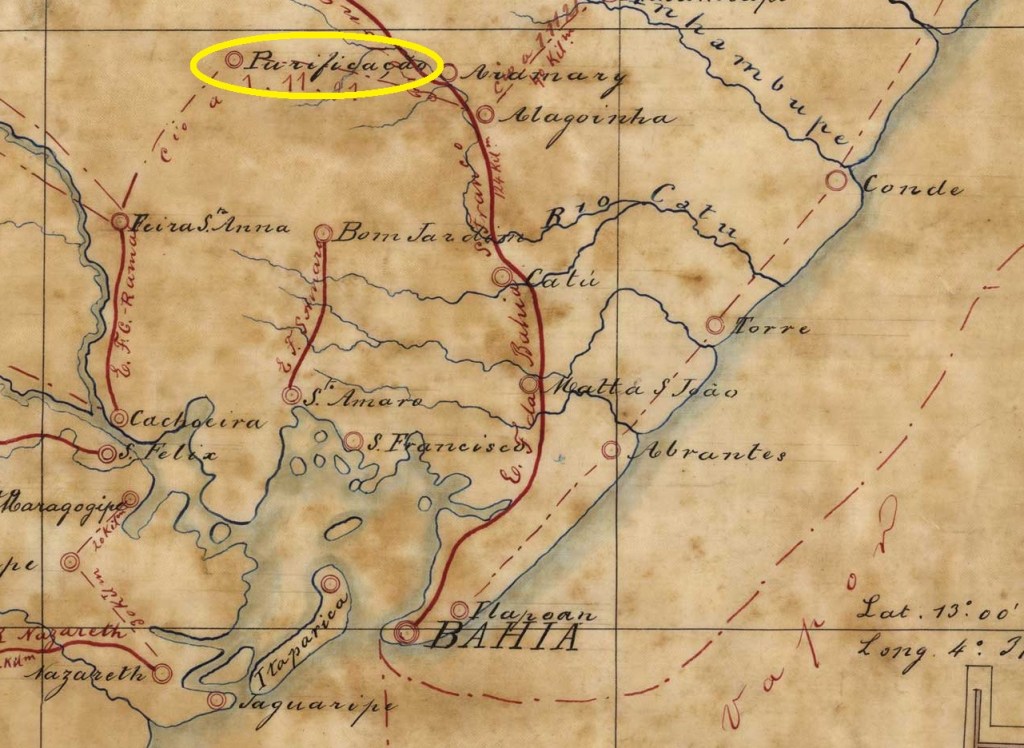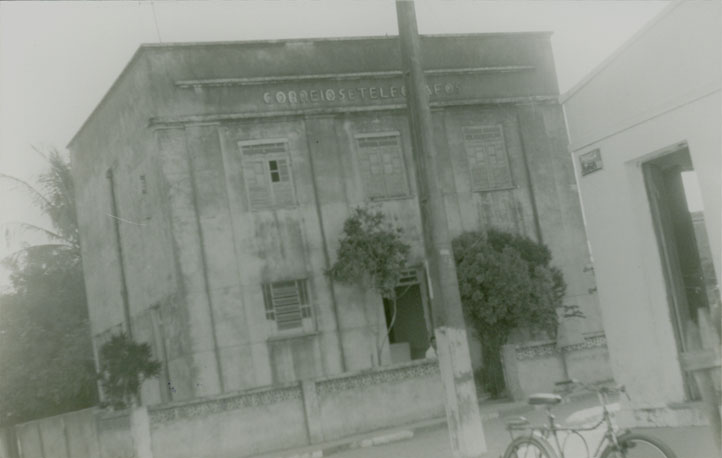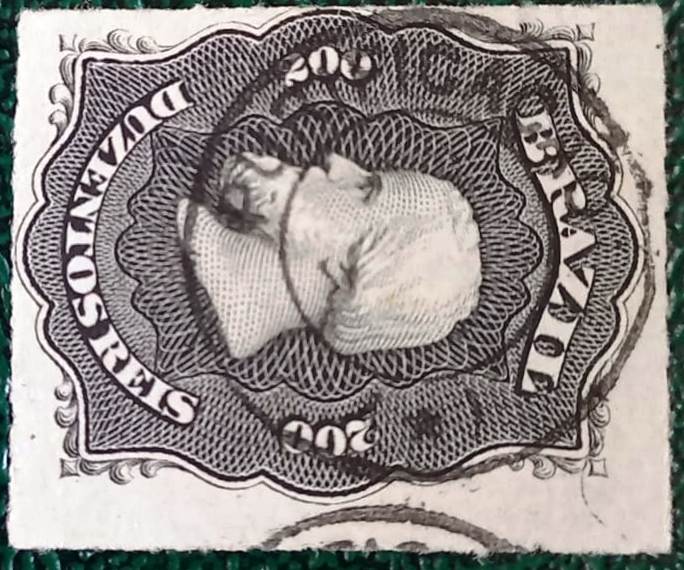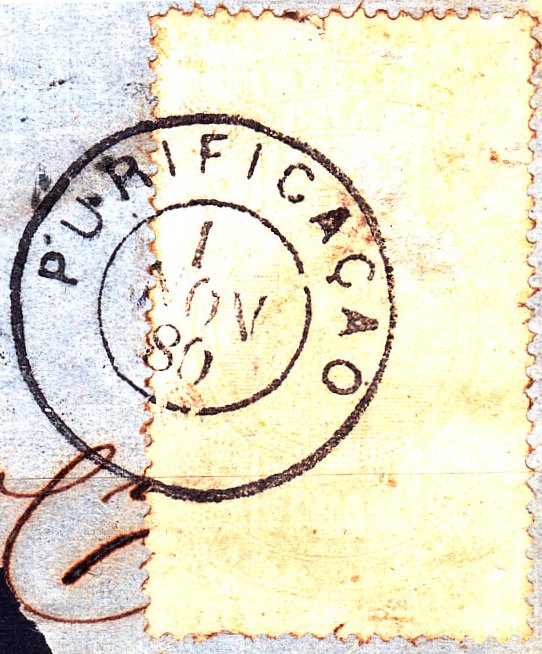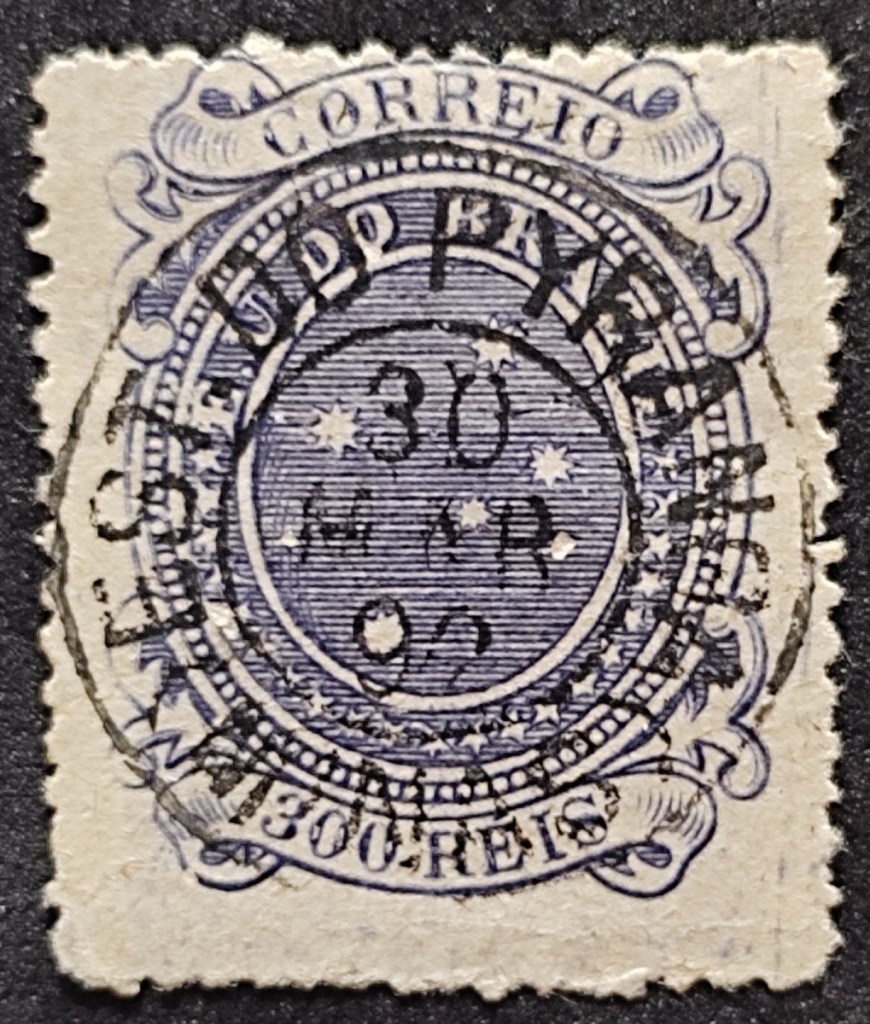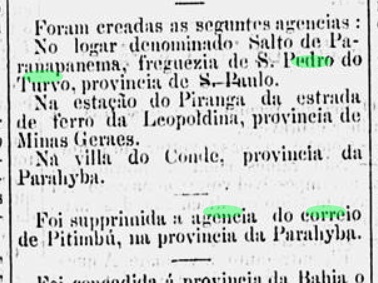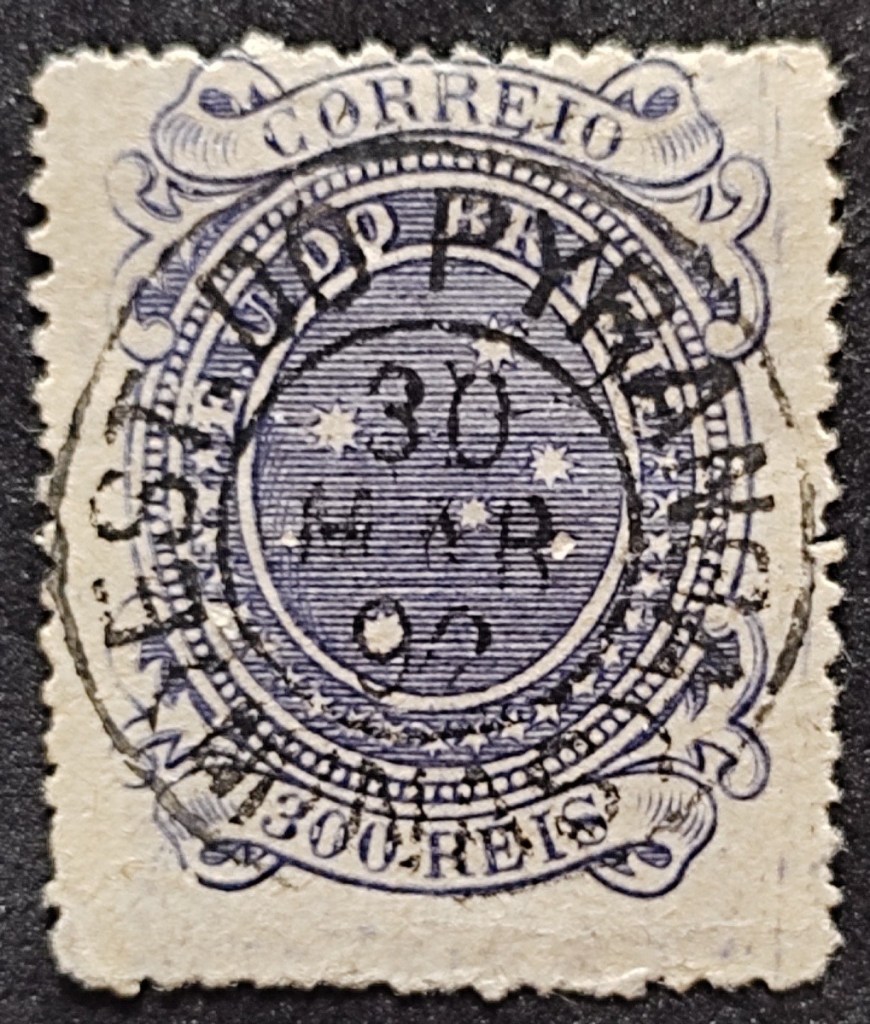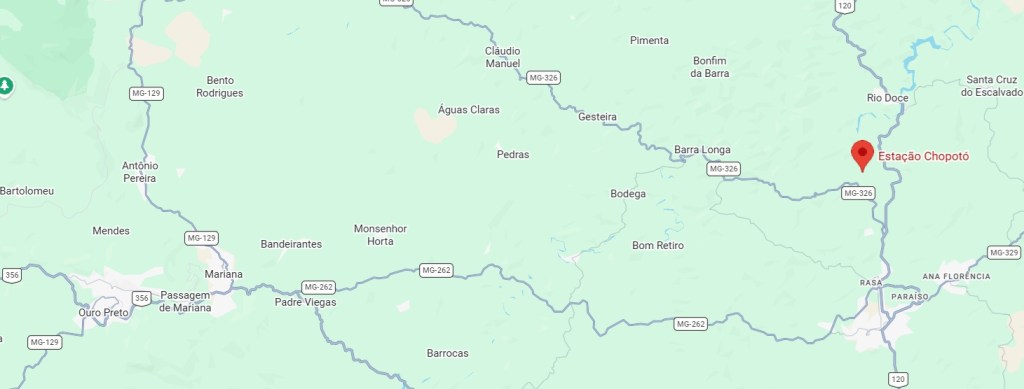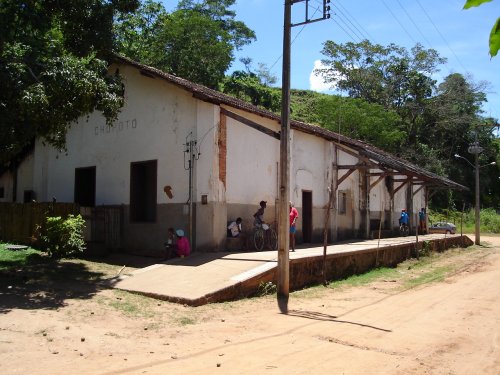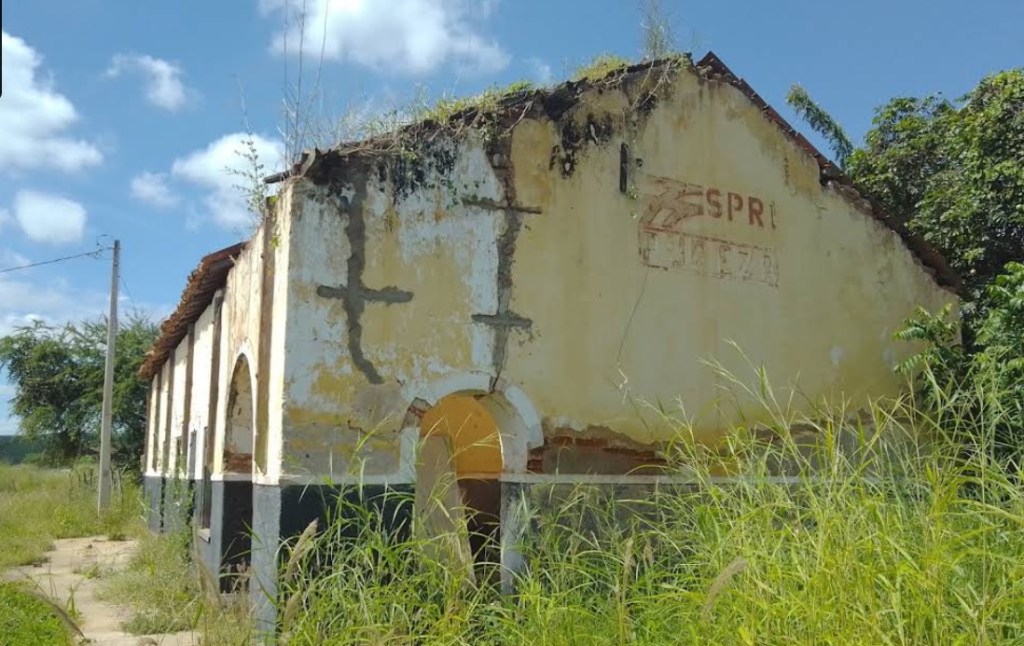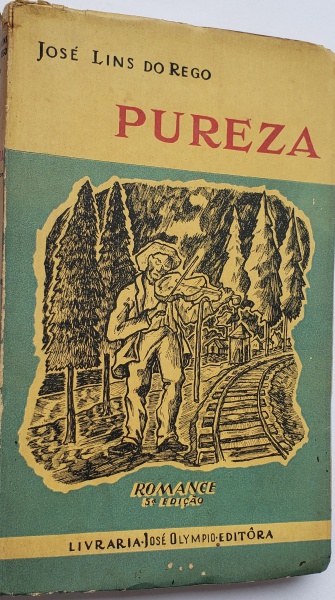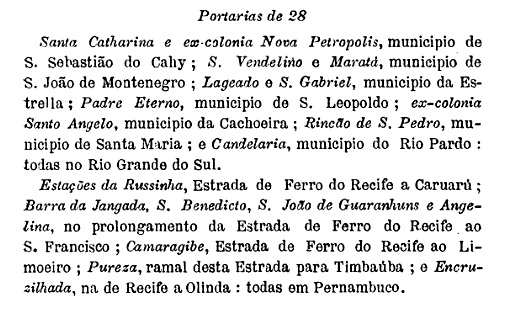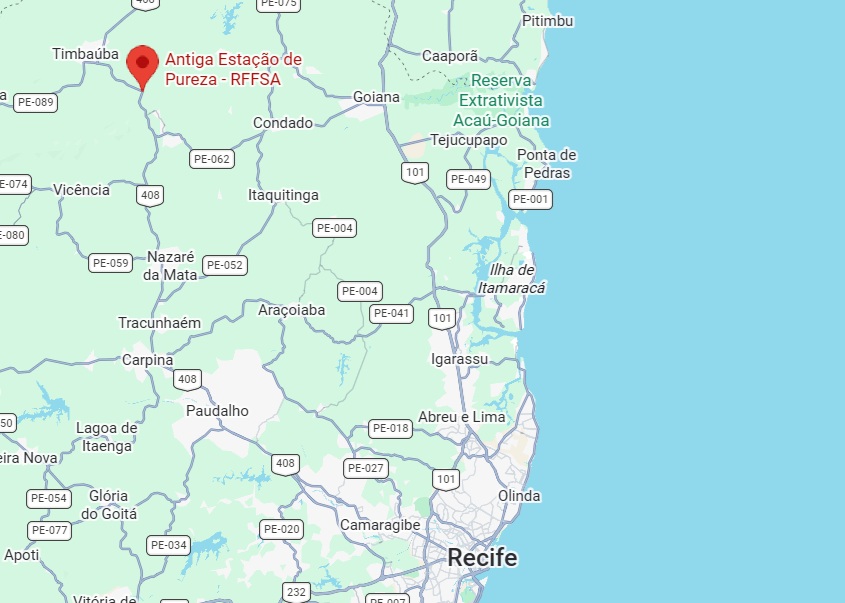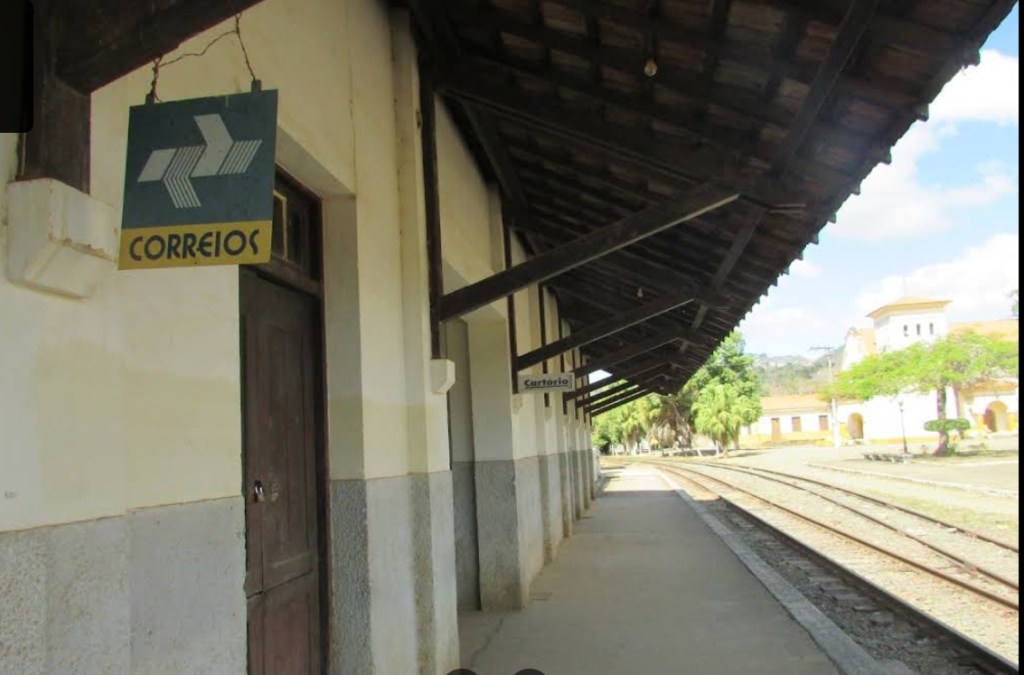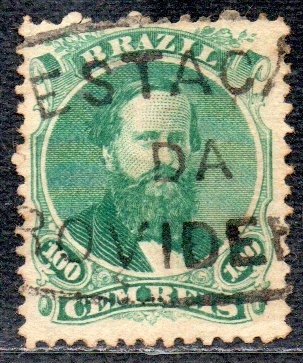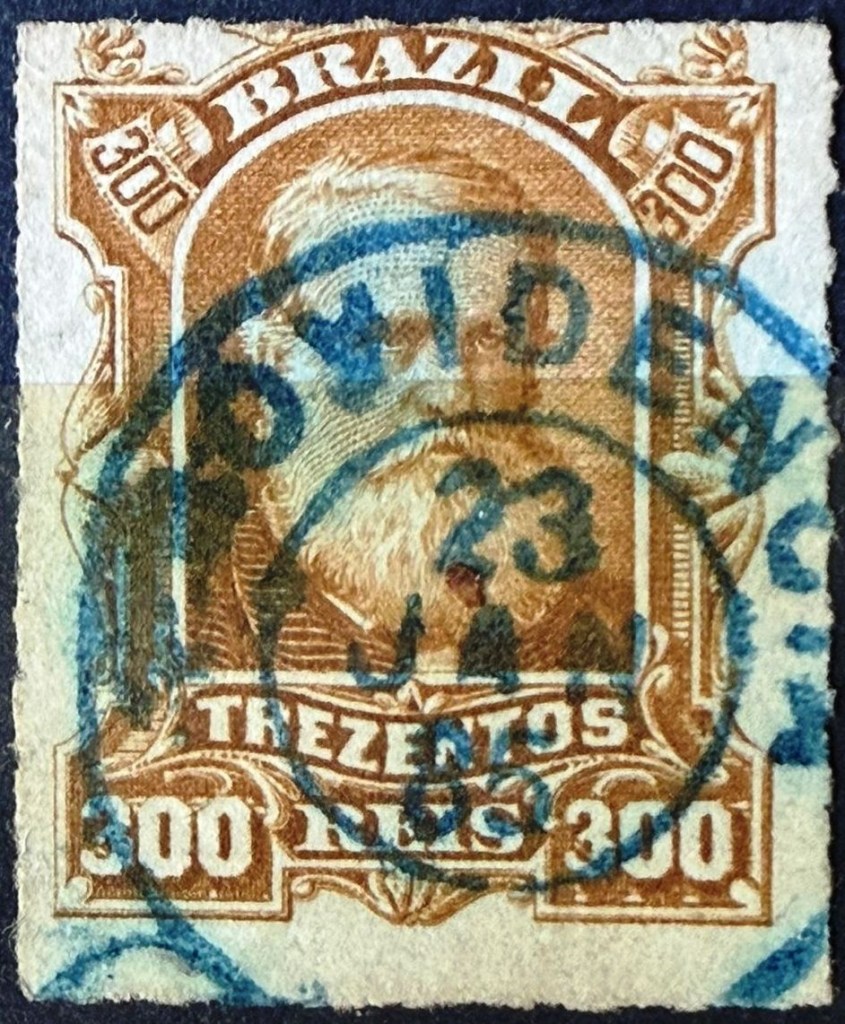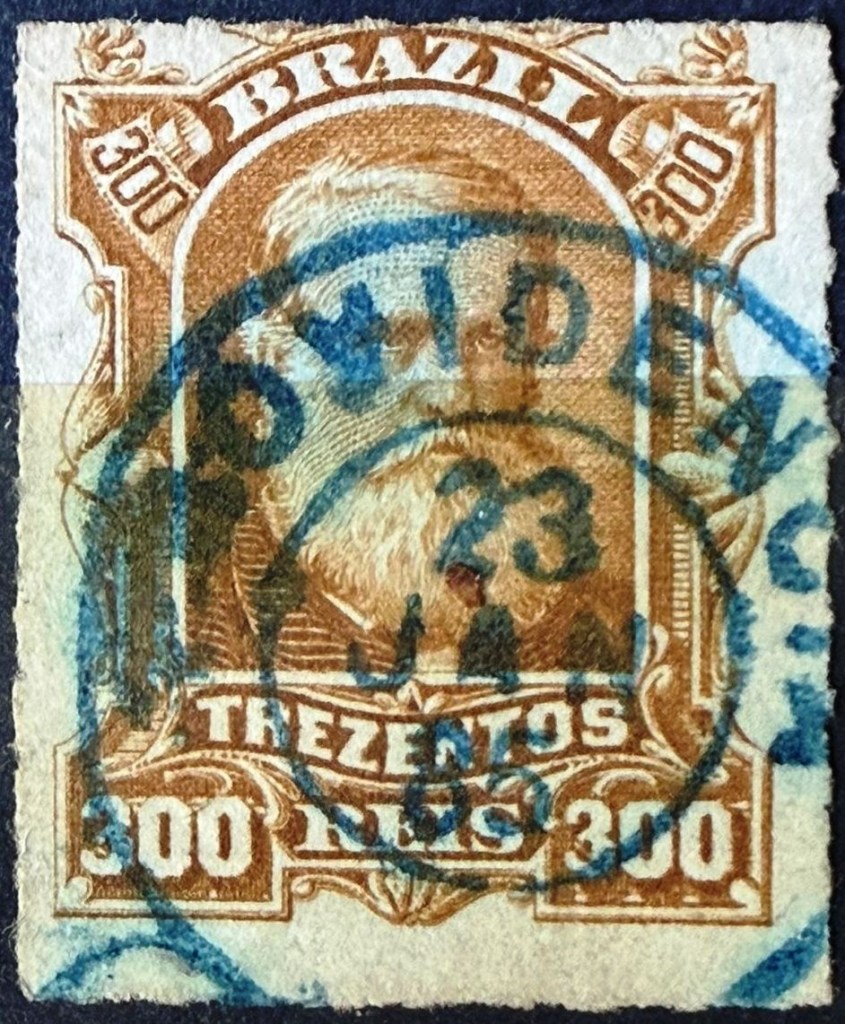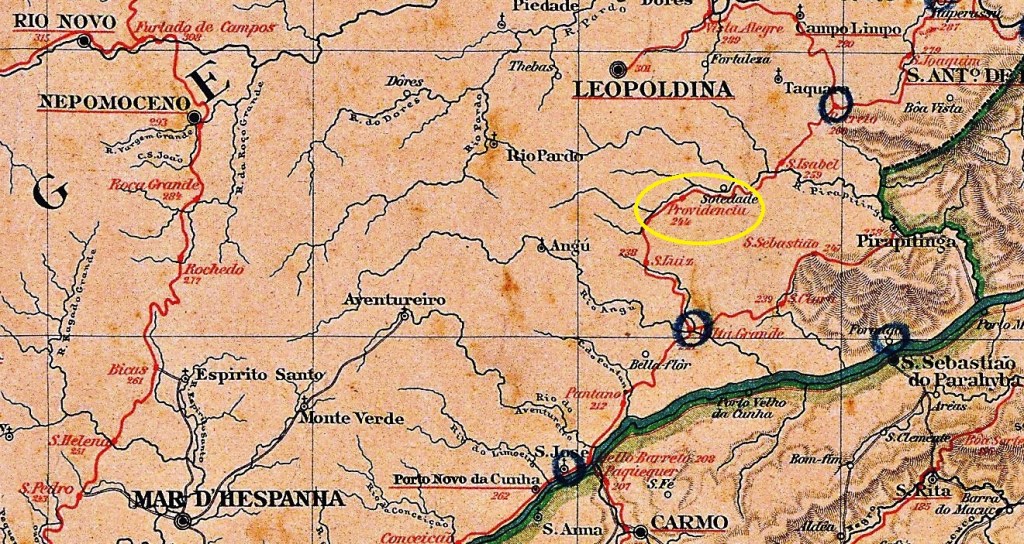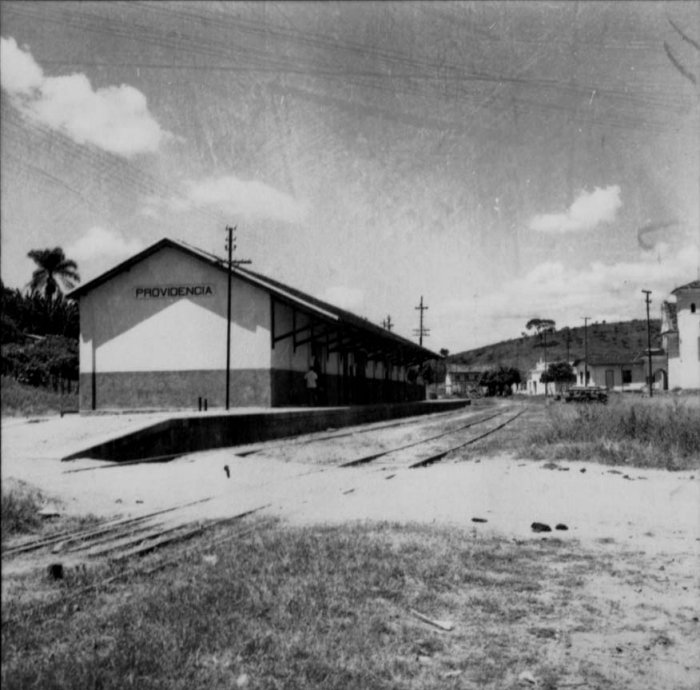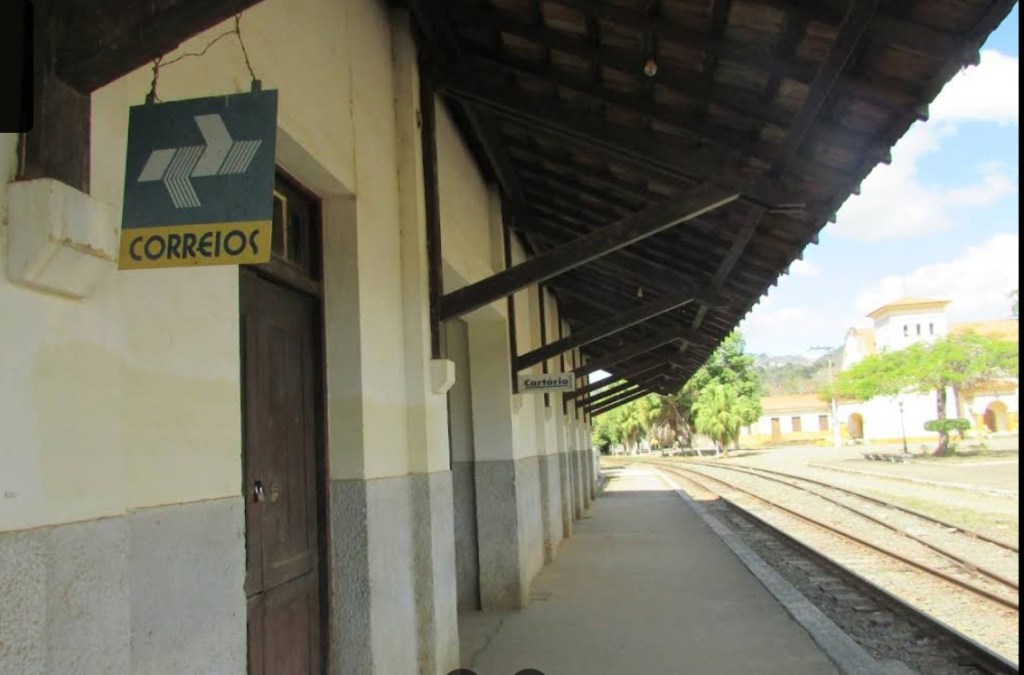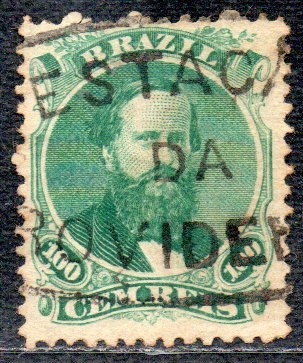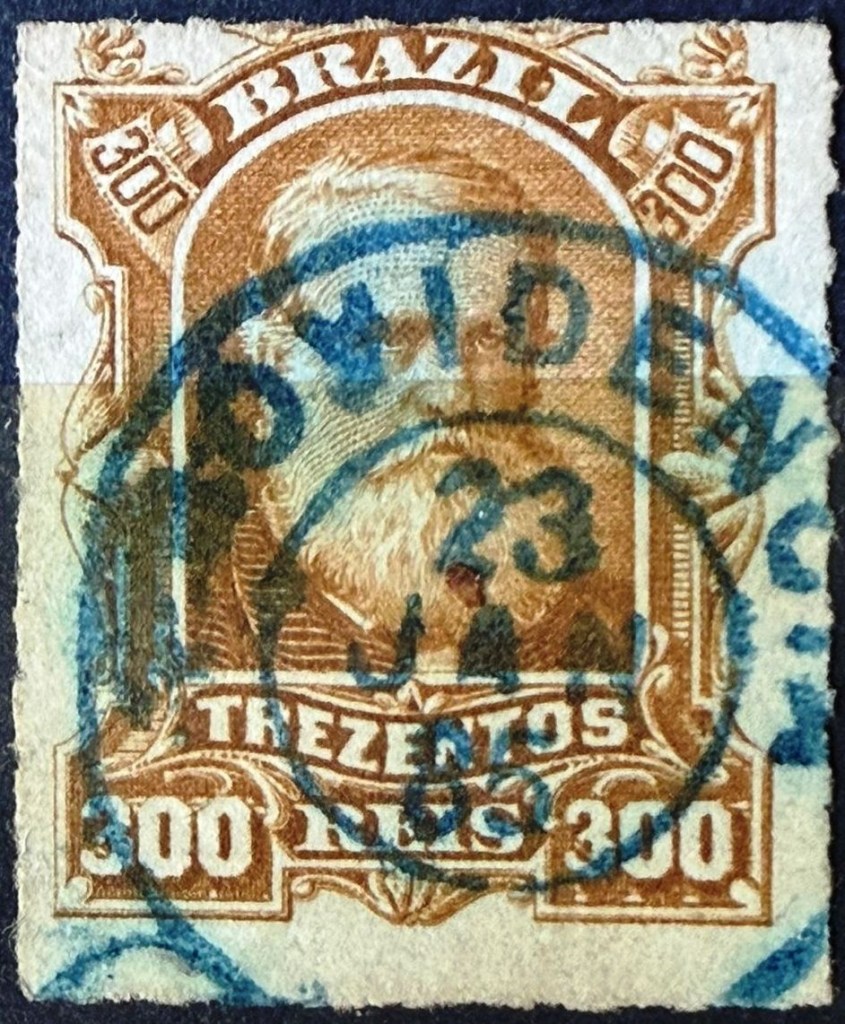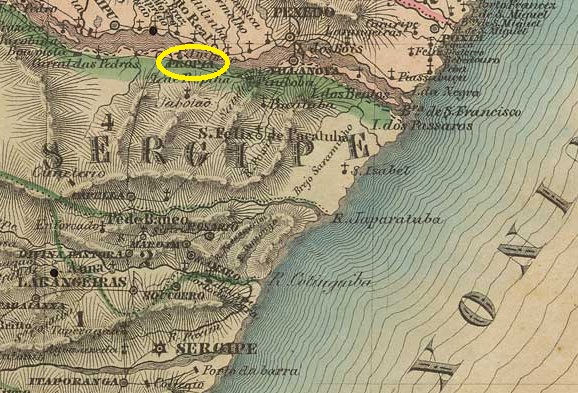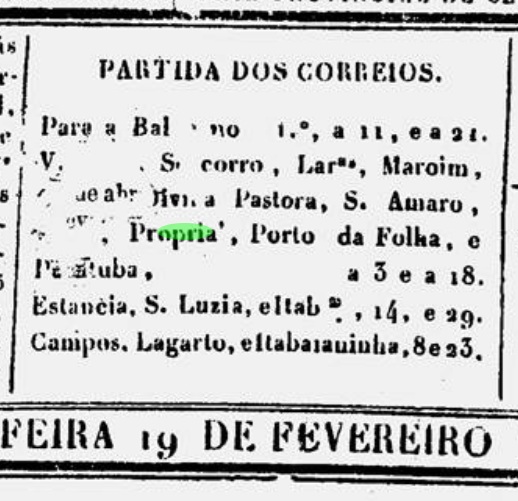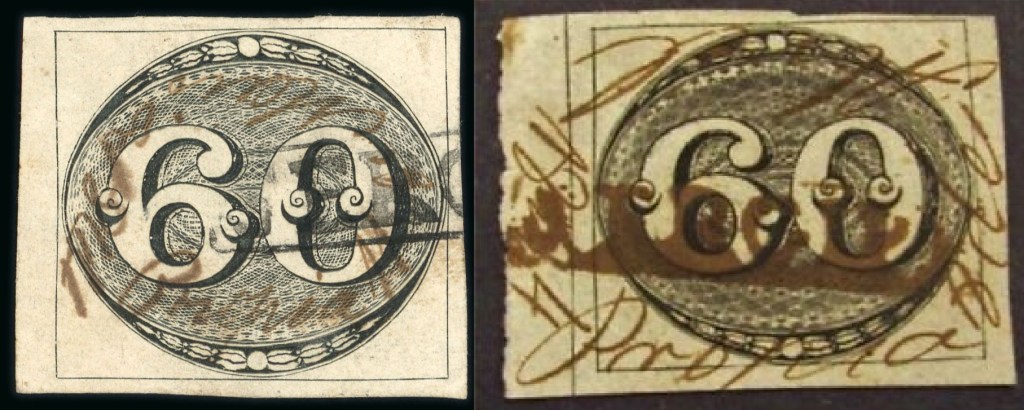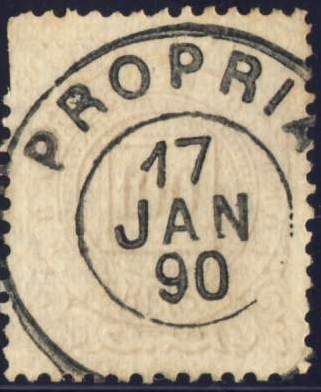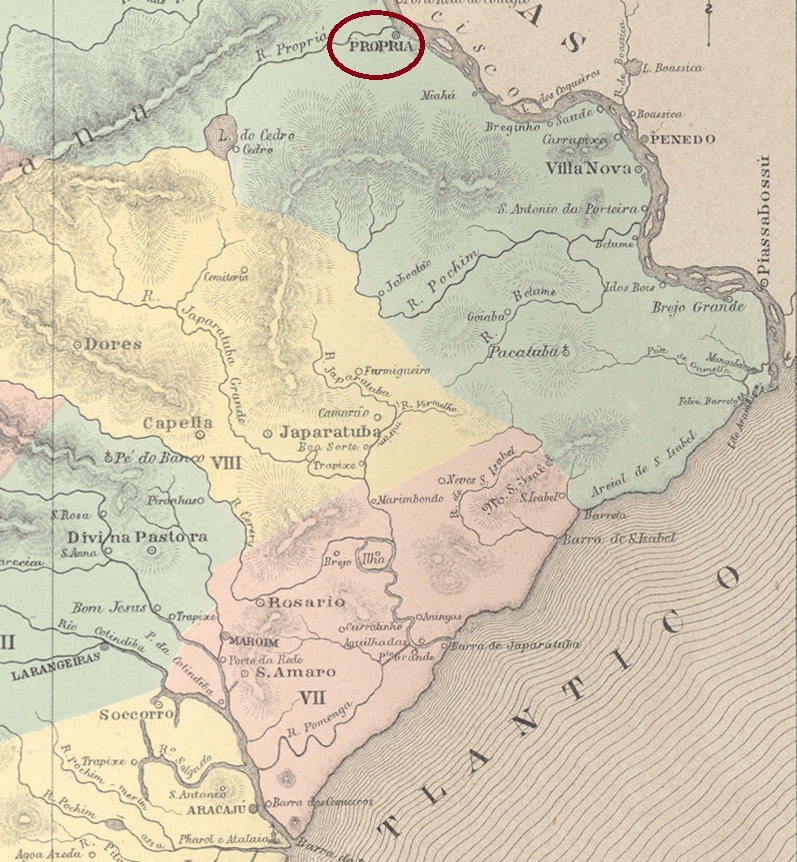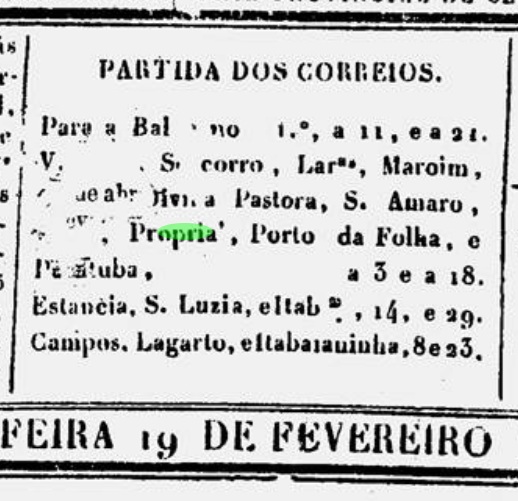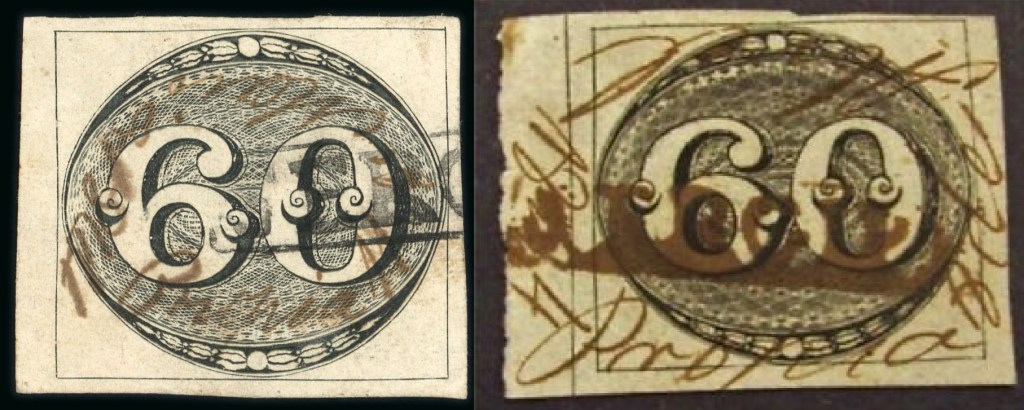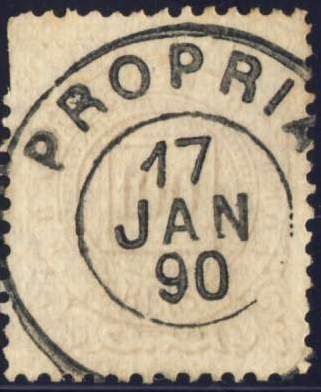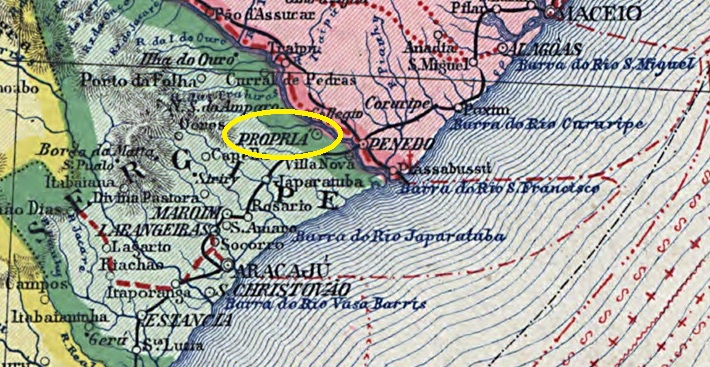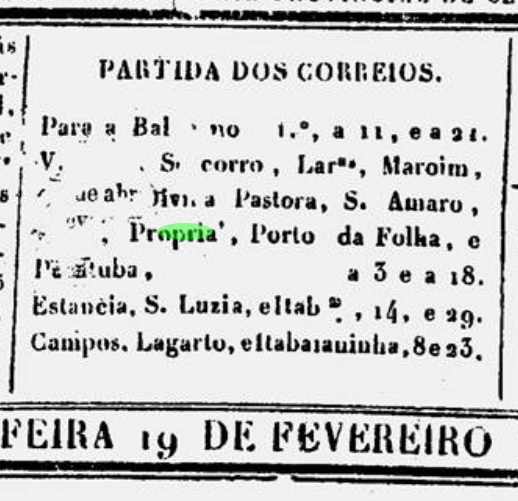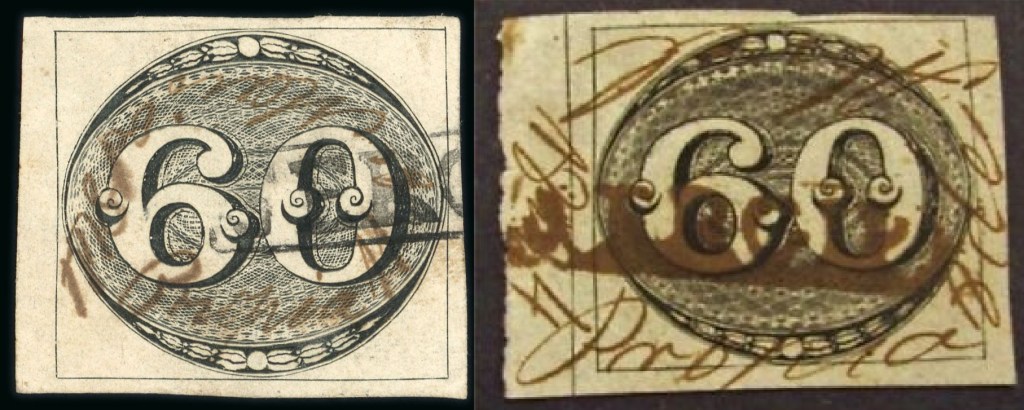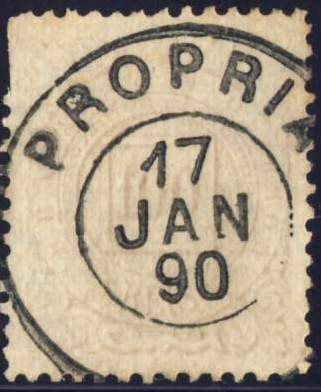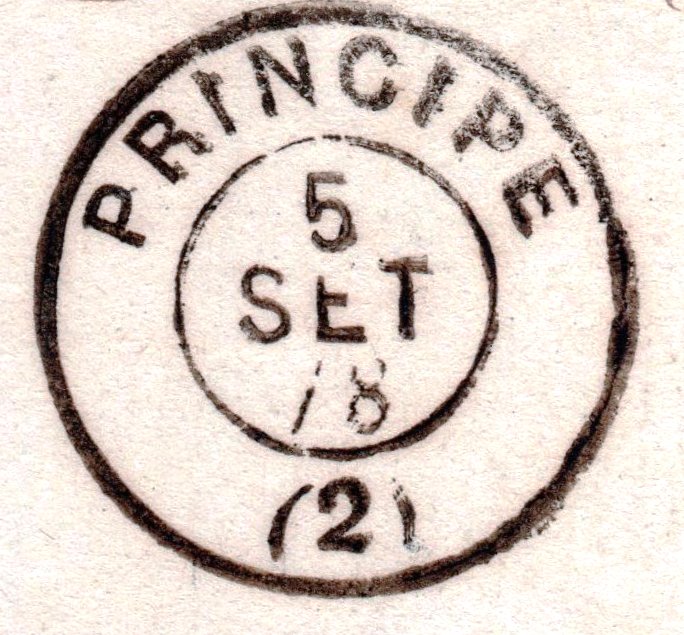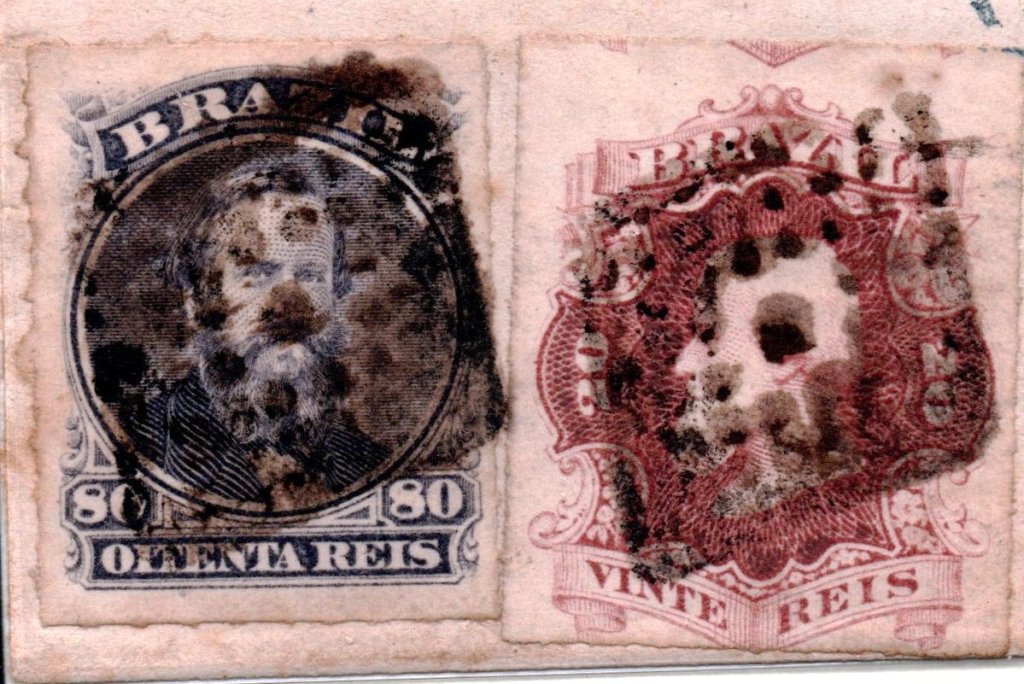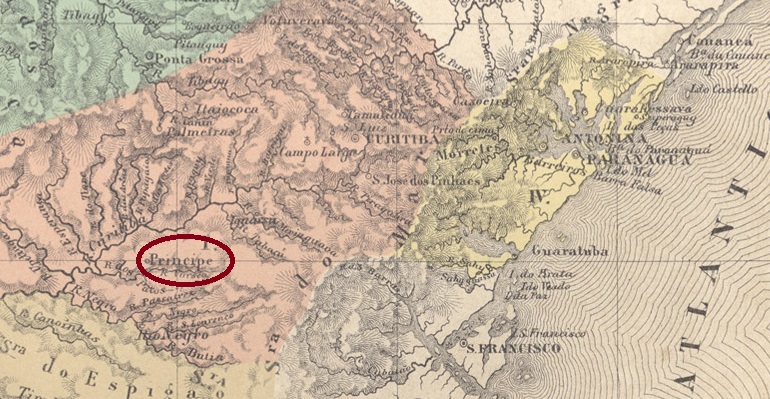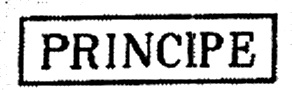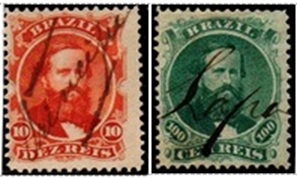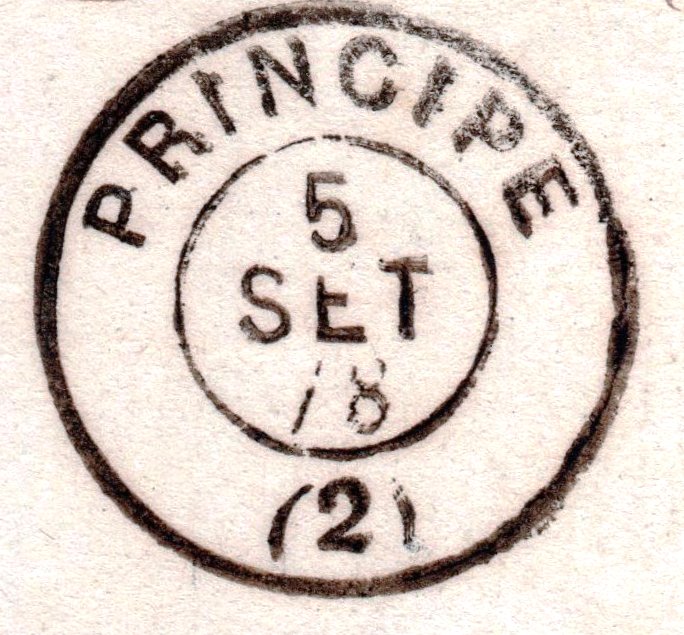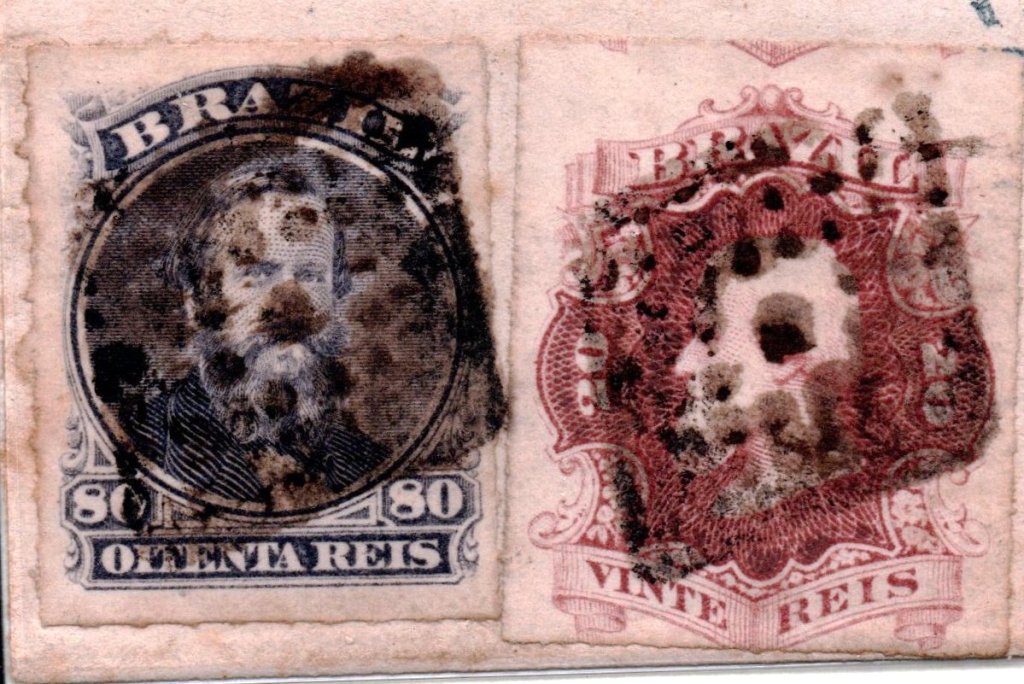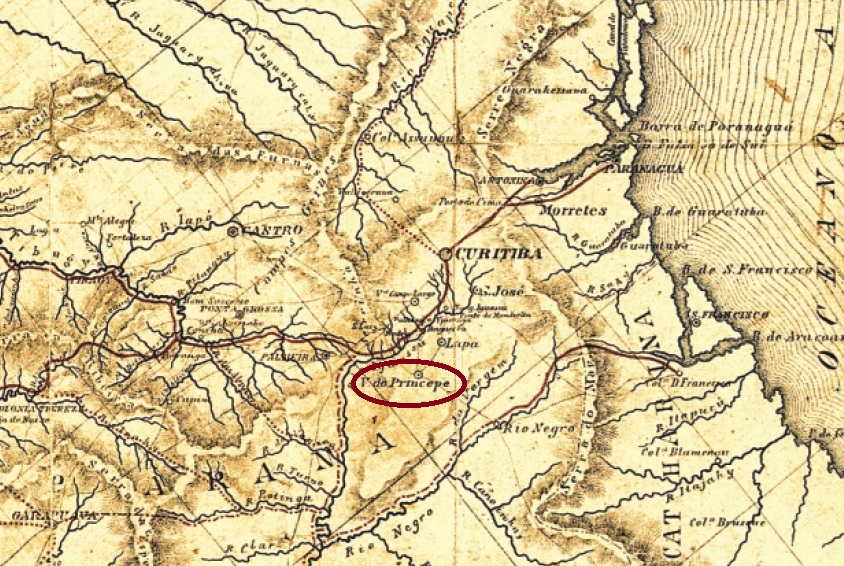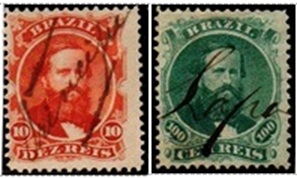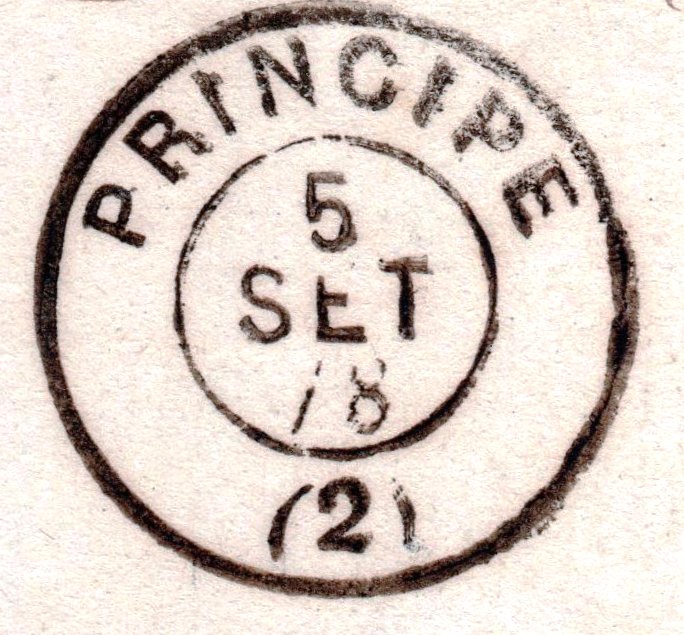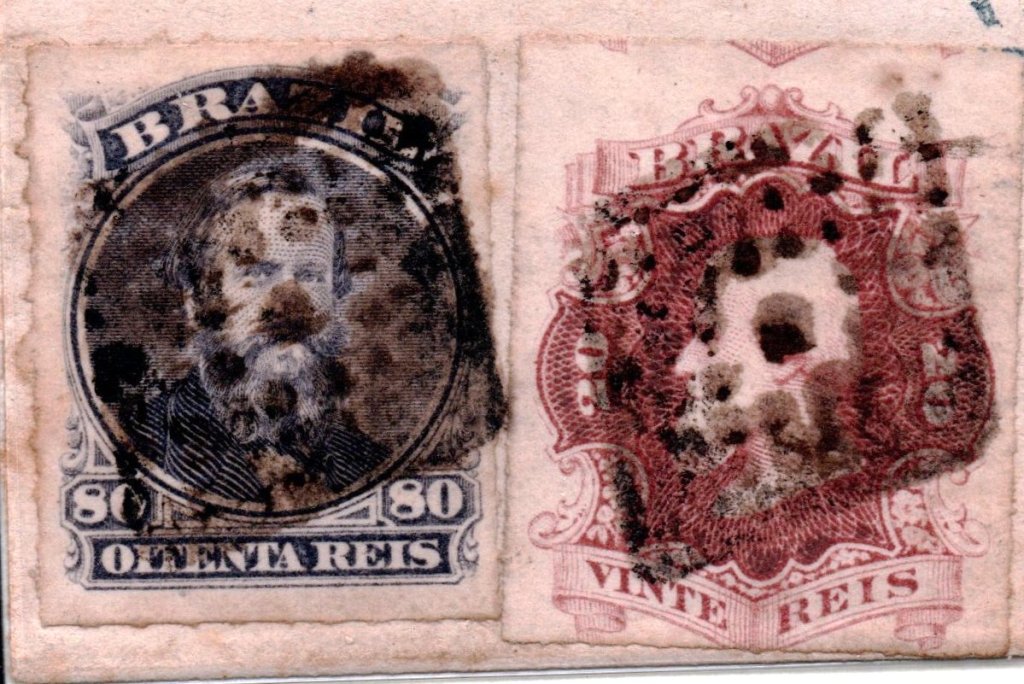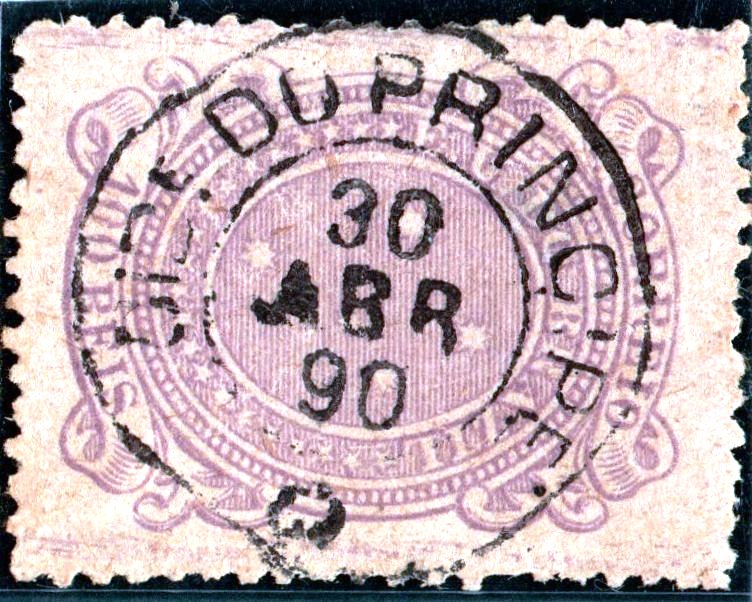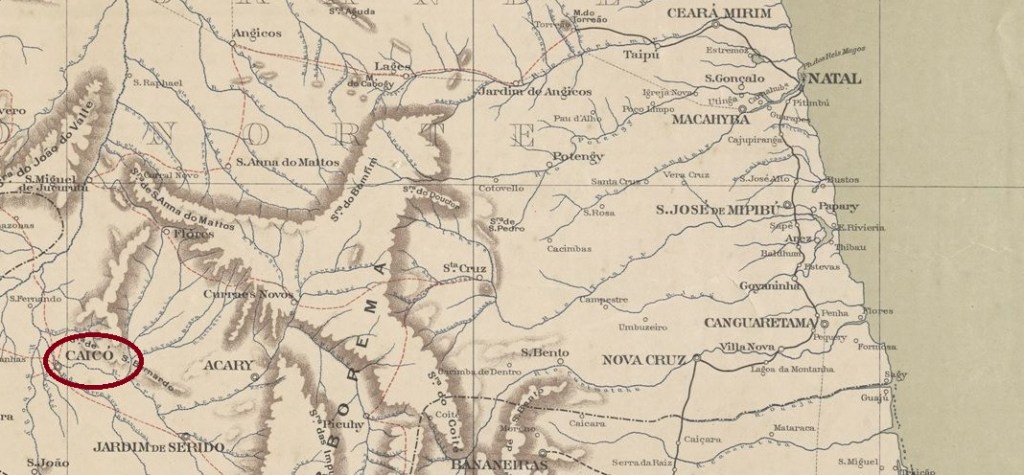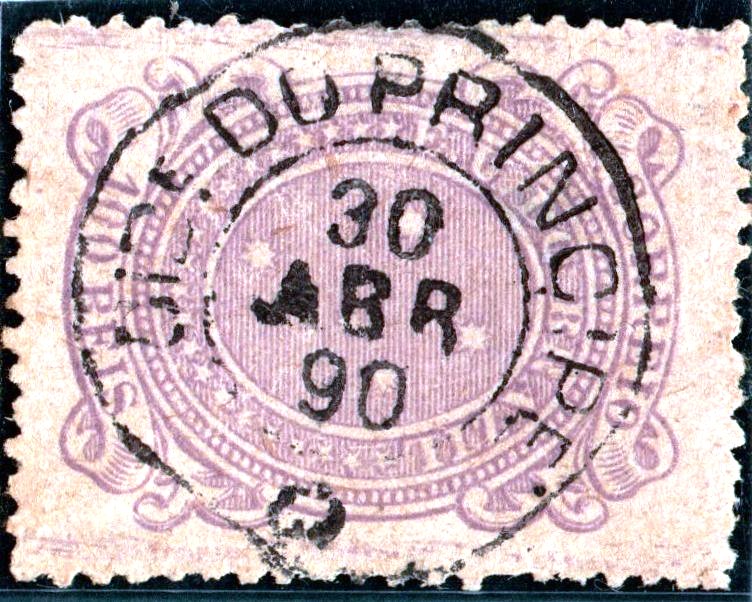
With the post office in Purificação (Bahia), the list of all post offices in Brazil (excluding provincial capitals) and their postmarks between 1798 and 15 November 1889 was completed yesterday. The long journey began in early February 2020, shortly before the first case of Covid-19 was diagnosed in Brazil. It covered over 2,400 localities, railway stations and other agencies, most of which were listed in alphabetical order. The list began with the letter Q, as the original intention was to complete the Carimbologia project initiated by the German-Brazilian philatelist Reinhold Koester (1911–1994). He died in Rio de Janeiro two years after the publication of the post offices beginning with the letter P.
After the series was concluded in August 2022 with the letter Z, this blog resumed with the letters A to P. After some 60 years, it was time to update and, where necessary, correct Koester’s research findings.
Between 2019 and 2023, all post offices from Q to Z, as well as the provincial postal administrations and their postmarks, were also presented in print form by ArGe-Brasilien:

The small books are still available at http://www.arge-brasilien.de/Publikationen/ or https://www.filatelicajunges.com.br/imperio-carimbologia.html .
However, the work is not yet complete, because, firstly, all the articles in Portuguese that were previously hosted elsewhere are being moved here, and the old texts are being updated in the process. Secondly, brief announcements regarding changes or updates will be published at regular intervals. Finally, I believe that one or two previously undiscovered post offices will still come to light.
Again, I would like to thank everyone who has contributed to the completion of this project with their suggestions, images, corrections and feedback. Without this help, it would have been impossible for me to complete this task.
Com a agência postal de Purificação (Bahia), foi concluída ontem a lista de todas as agências dos correios do Brasil (exceto as capitais provinciais) e seus carimbos entre 1798 e 15 de novembro de 1889. A longa jornada começou no início de fevereiro de 2020, pouco antes de ser diagnosticado o primeiro caso de Covid-19 no Brasil. Ela percorreu mais de 2.400 localidades, estações ferroviárias e outras agências, na maioria ordenadas alfabeticamente. Começou-se pela letra Q, pois o plano original era concluir o projeto de carimbologia do filatelista alemão-brasileiro Reinhold Koester (1911–1994). Ele faleceu no Rio de Janeiro dois anos após a publicação das agências postais que começam com a letra P.
Depois de concluir a série com a letra Z em agosto de 2022, este blog retomou a série com as letras de A a P. Após cerca de 60 anos, era hora de atualizar e, quando necessário, corrigir os resultados da pesquisa de Koester.
Entre 2019 e 2023, todas as agências dos correios de Q a Z, bem como as administrações postais provinciais e seus carimbos, foram apresentadas também em formato impresso pela ArGe-Brasilien:

Os livrinhos continuam disponíveis em http://www.arge-brasilien.de/Publikationen/ ou https://www.filatelicajunges.com.br/imperio-carimbologia.html .
No entanto, o trabalho ainda não terminou, pois, em primeiro lugar, todos os textos em português que até agora estavam hospedados em outro blog serão transferidos para cá, e muitos textos antigos serão atualizados nessa ocasião. Em segundo lugar, serão comunicadas as alterações e atualizações em intervalos regulares. Por fim, acredito que ainda surgirá uma ou outra agência postal até então desconhecida.
Para encerrar, gostaria de agradecer a todos que contribuíram com sugestões, fotos, correções e críticas para a conclusão do projeto. Sem essa ajuda, teria sido impossível para mim dar conta dessa tarefa.
Mit dem Postamt in Purificação (Bahia) ist gestern die Auflistung aller Postagenturen Brasiliens (ausgenommen die Provinzhauptstädte) und ihrer Poststempel zwischen 1798 und dem 15. November 1889 abgeschlossen worden. Die lange Reise begann Anfang Februar 2020, kurz bevor der erste Fall von Covid-19 in Brasilien diagnostiziert wurde. Sie führte durch über 2 400 Ortschaften, Bahnhöfe und sonstige Agenturen, die meist nach dem Alphabet sortiert waren. Dabei wurde mit dem Buchstaben Q begonnen, denn das ursprüngliche Vorhaben war, das Carimbologia-Projekt des deutsch-brasilianischen Philatelisten Reinhold Koester (1911–1994) zu Ende zu bringen. Er starb in Rio de Janeiro zwei Jahre nach der Veröffentlichung der Postämter, die mit dem Buchstaben P beginnen.
Nachdem im August 2022 mit dem Buchstaben Z abgeschlossen wurde, ging es in diesem Blog wieder mit dem Buchstaben A bis P weiter. Nach ca. 60 Jahren war es an der Zeit, Koesters Forschungsergebnisse zu aktualisieren und gegebenenfalls zu korrigieren.
Zwischen 2019 und 2023 wurden alle Postämter von Q–Z sowie die provinziellen Postverwaltungen und ihre Stempel auch in Printform durch die ArGe-Brasilien vorgestellt:

Die kleinen Bücher sind nach wie vor unter http://www.arge-brasilien.de/Publikationen/ oder https://www.filatelicajunges.com.br/imperio-carimbologia.html erhältlich.
Die Arbeit ist dennoch nicht zu Ende, denn erstens werden alle Beiträge auf Portugiesisch, die bisher woanders untergebracht waren, hierhergezogen und die alten Texte dabei aktualisiert. Zweitens werden in regelmäßigen Abständen kurze Mitteilungen über Änderungen bzw. Aktualisierungen bekannt gegeben. Schließlich wird das eine oder andere bisher unentdeckte Postamt noch auftauchen, glaube ich.
Am Ende möchte ich mich bei allen bedanken, die mit Anregungen, Bildern, Korrekturen und Kritiken zur Fertigstellung des Projekts beigetragen haben. Ohne diese Hilfe wäre es mir unmöglich gewesen, diese Aufgabe zu bewältigen.