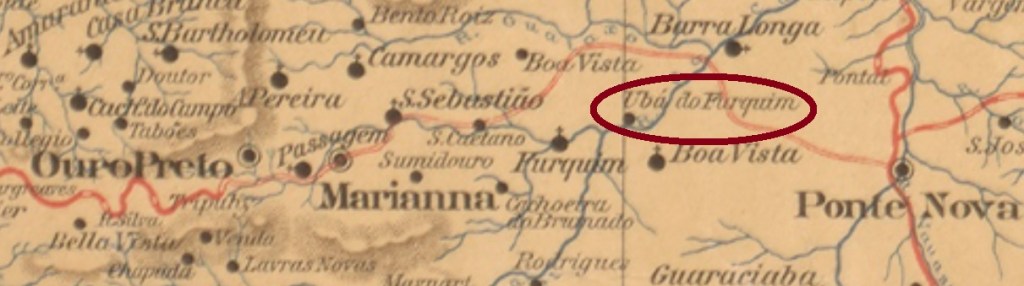
Other names: São Gonçalo do Ubá, Acaiaca (1923).
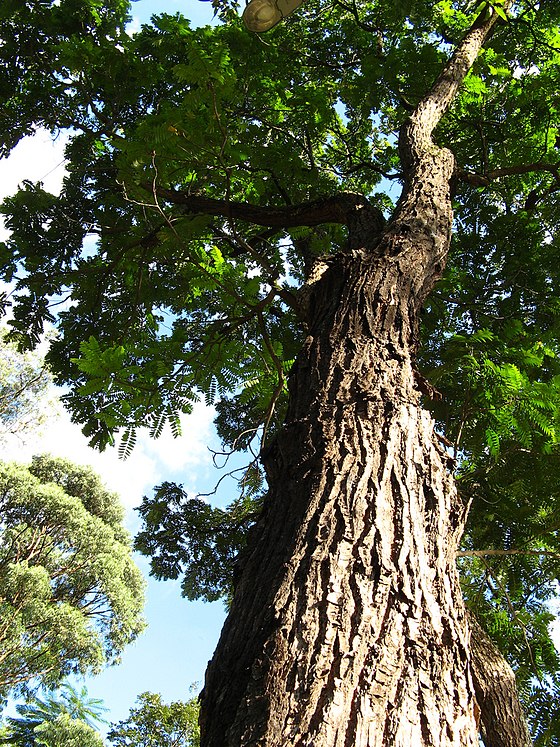
The name Forquim comes from Forca (fork), and Antonio Forquim da Luz the first settler in the region, who made it prosperous from about 1710 onwards through his constant search for precious metals. As the Brazilian statistics agency IBGE writes, this settlement was a district of Mariana as early as April 1844, and thus a good 30 years before it was designated a parish called São Gonçalo de Ubá, which was located on the north bank of the Carmo River, more than 50 km east of the provincial capital Ouro Preto. In September 1923, the place name changed to Acaiaca, and since December 1962, Acaiaca has been an independent Município. The Tupi language term refers to a cedar tree of the Meliaceae family:
Paula Sobrinho writes in História Postal de Minas Gerais (Belo Horizonte, 1997) that there was a post office there since December 1880. At that time, the place was actually called São Gonçalo de Ubá, but the old name was apparently retained postally. The imperial postmark is UMG-3240a (Coll. José A. Junges): a double circle with the inscription UBÁ DO FORQUIM above and an ornament in lozenge below, formed by four small lozenges. The dates in the centre go from 1888 to 1909.
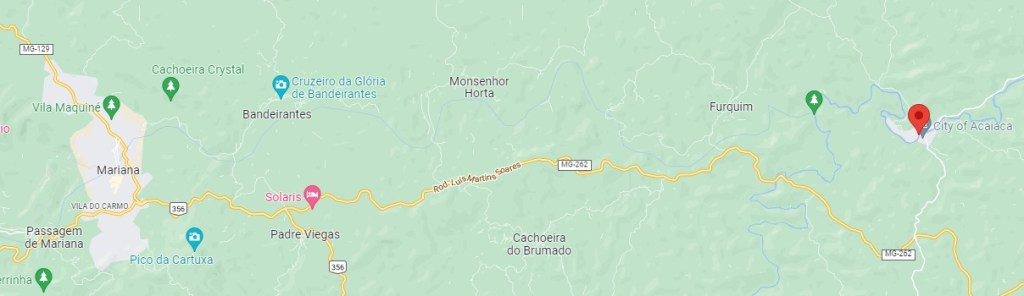
Andere Namen: São Gonçalo do Ubá, Acaiaca (1923)
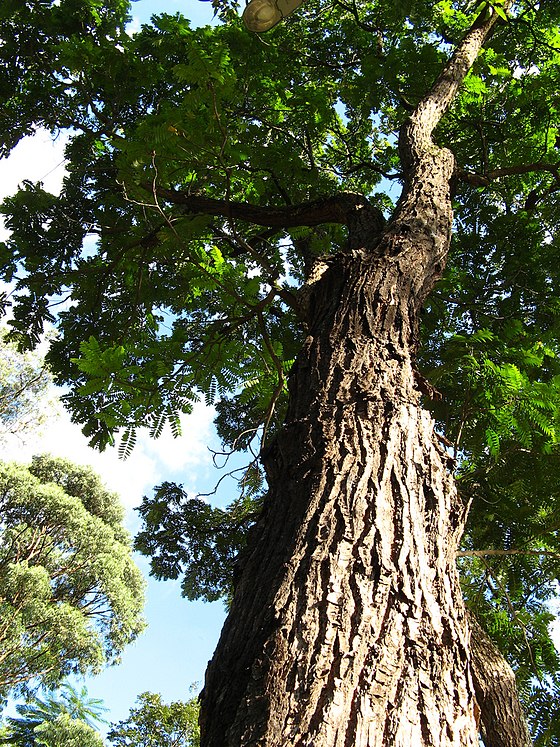
Der Name Forquim kommt von Forca (Gabel), und Antonio Forquim da Luz hieß der erste Siedler der Region, der es ab ca. 1710 durch seine stetige Suche nach Edelmetall zum Wohlstand gebracht hat. Wie die brasilianische Statistikbehörde IBGE schreibt, war diese Siedlung bereits April 1844 ein Distrikt von Mariana, und damit gut 30 Jahre vor der Ernennung zu einer Pfarrei namens São Gonçalo de Ubá, die am Nordufer des Carmo-Flusses lag, über 50 km östlich der Provinzhauptstadt Ouro Preto entfernt. Im September 1923 änderte sich der Ortsname zu Acaiaca, und seit Dezember 1962 ist Acaiaca ein eigenständiger Município. Der Begriff der Tupi-Sprache bezieht sich auf einen Zederbaum der Meliaceae-Familie:
Paula Sobrinho schreibt in História Postal de Minas Gerais (Belo Horizonte, 1997), dass es dort seit Dezember 1880 ein Postamt gab. Damals hieß der Ort eigentlich São Gonçalo de Ubá, aber der alte Name wurde offenbar postalisch beibehalten. Der kaiserliche Poststempel ist UMG-3240a (Samml. José A. Junges): ein Doppelkreis mit der Inschrift UBÁ DO FORQUIM oben und einem Ornament in Raute unten, das aus vier kleinen Rauten gebildet wird. Daten in der Mitte von 1888 bis 1909.

 Carimbologia