See also Rio da Prata de Cabuçu (RMN-0065)
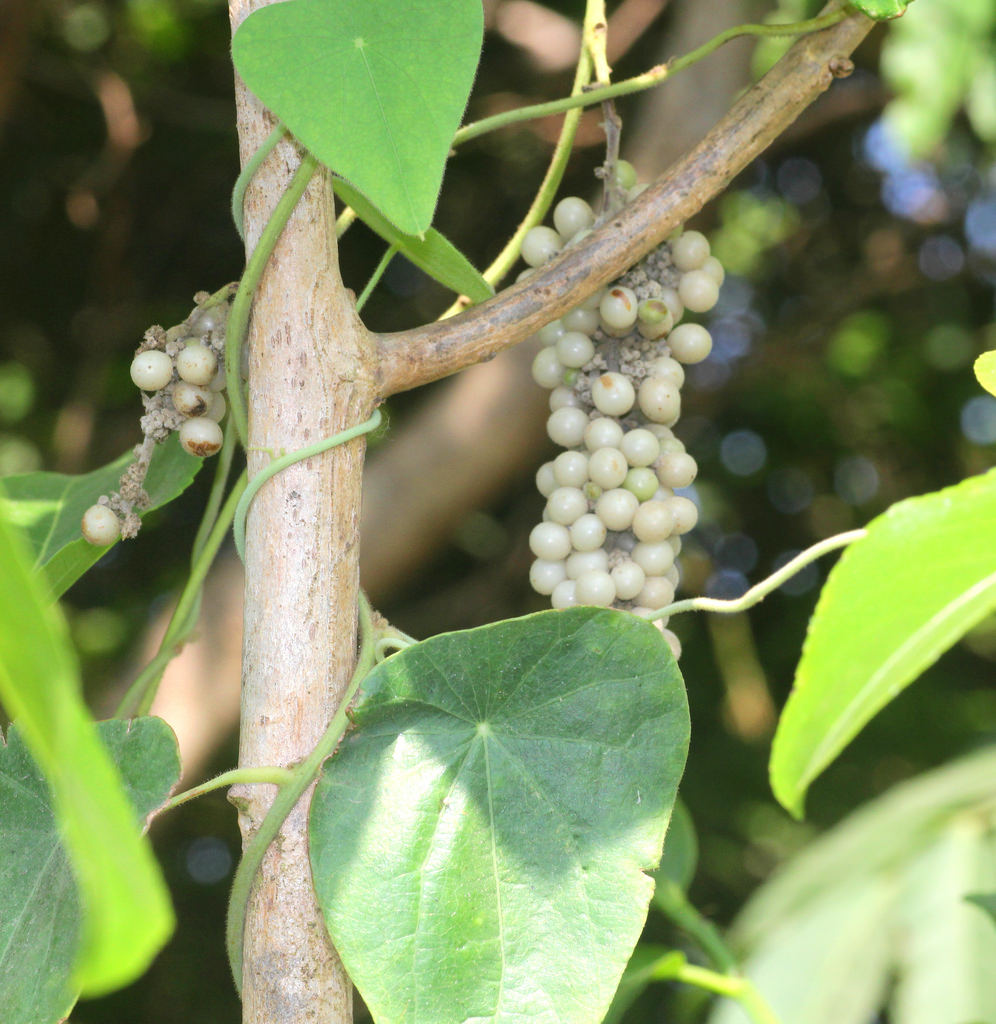
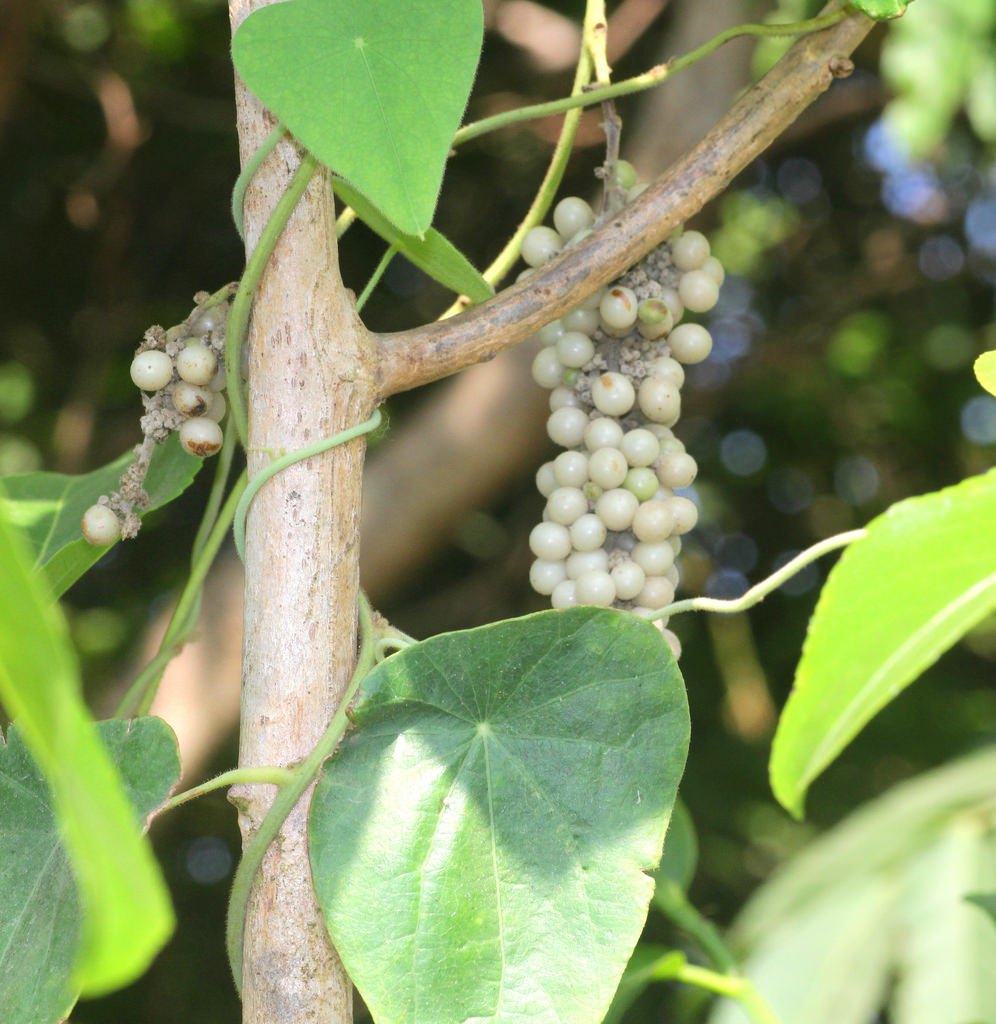
The word Cabuçu in its various spellings is of Indian origin (Tupi) and has two main meanings. The botanical interpretation would be a shrub, also called guajabara in Brazil (Coccoloba peltata, family Polygonaceae); the zoological interpretation would be a large wasp.
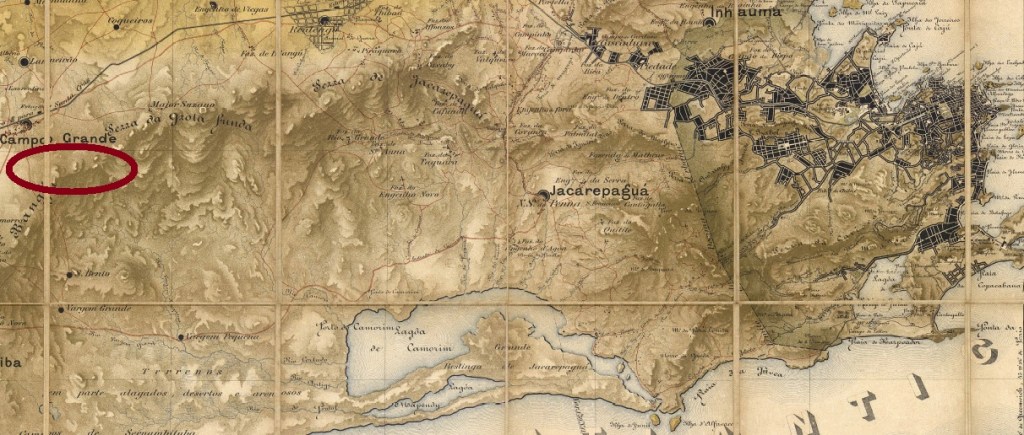
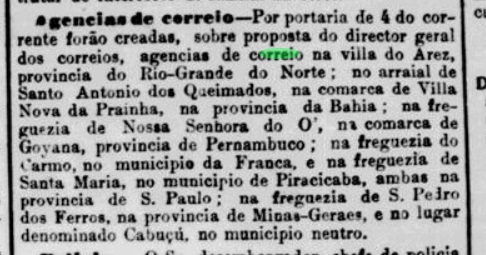
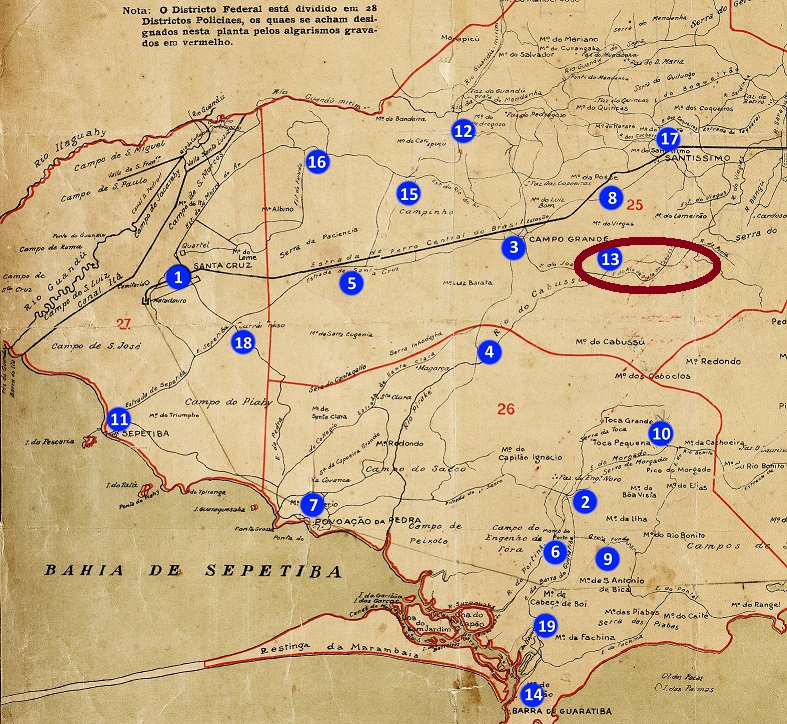
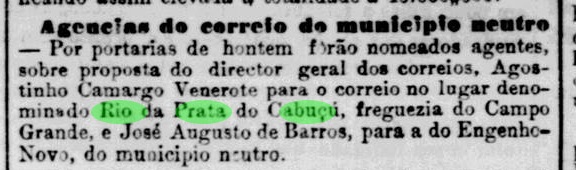
Rio da Prata do Cabuçu (= Silver River of Cabuçu) was a small settlement near Campo Grande on the western edge of the Município Neutro (= Neutral District) in the province of Rio de Janeiro, which had grown out of a large coffee and sugar cane plantation. According to Paulo Novaes (agenciaspostais.com.br), there were three post offices with Cabuçu in Rio province, but Rio da Prata do Cabuçu was the only one already active in the Empire. The post office was founded in May 1882, as introduced in the press:
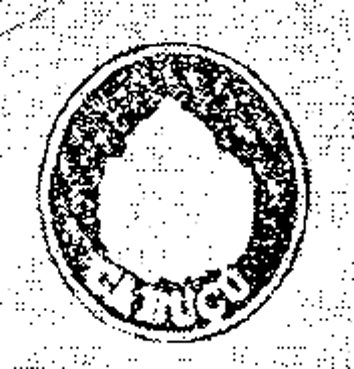
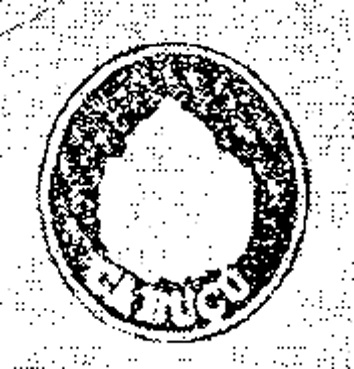
Although the agency was in operation until about 1963, the only postmark, CMN-0065a, with the imperial seal was shown in Carimbologia VII by R. Koester:
Siehe auch Rio da Prata de Cabuçu (RMN-0065)
Das Wort Cabuçu in seinen verschiedenen Schreibweisen ist indianischen Ursprungs (Tupi) und hat zwei Hauptbedeutungen. Die botanische Deutung wäre ein Strauch, der in Brasilien auch Guajabara genannt wird (Coccoloba peltata, Familie Polygonaceae); die zoologische Deutung wäre eine große Wespe.
Rio da Prata do Cabuçu (= Silberfluss von Cabuçu) war eine kleine Siedlung bei Campo Grande am westlichen Rand des Município Neutro (= Neutraler Bezirk) in der Provinz Rio de Janeiro, die aus einer großen Kaffee- und Zuckerrohrplantage hervorgegangen war. Laut Paulo Novaes (agenciaspostais.com.br) gab es drei Postämter mit Cabuçu in der Provinz Rio, aber Rio da Prata do Cabuçu war das einzige, das bereits im Kaiserreich aktiv war. Das Postamt wurde im Mai 1882 gegründet und der erste Angestellte wurde sofort in der Presse vorgestellt:
Obwohl die Agentur bis etwa 1963 in Betrieb war, wurde der einzige Stempel, CMN-0065a, mit dem kaiserlichen Siegel von R. Koester in Carimbologia VII gezeigt:

 Carimbologia