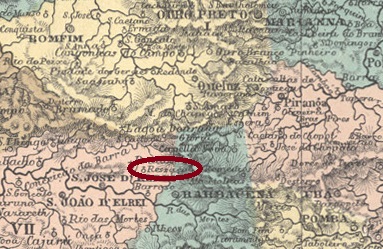
Other names: Sant’Anna da Ressaca
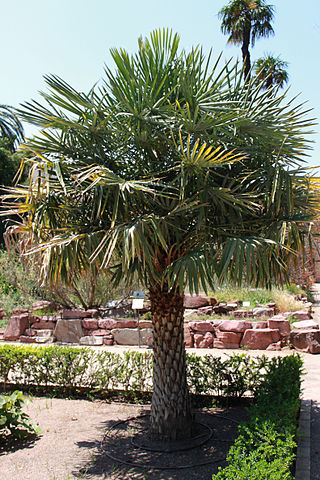
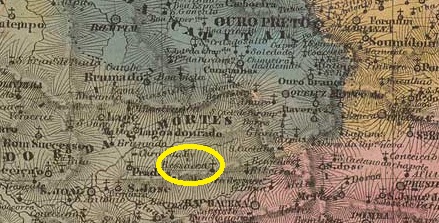
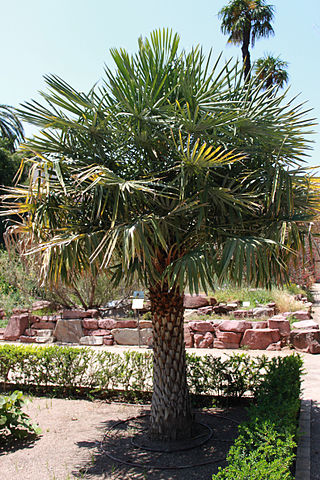
The Freguesia de Sant’Anna da Ressaca was founded in July 1872, belonged to the Vila de S. José d’El-Rei and was located on the south bank of the Carandaí, 90 km south of the provincial capital Ouro Preto. Already in July 1876, the name was changed to Sant’Anna de Carandahy, probably because the village was moved closer to the river. Ressaca was the name of an old fazenda in the area. The name Carandahy comes from the Tupi language and means river of the Carandás. Carandá is a palm from the Arecaceae family, such as Copernica australis.
Since September 1923, Carandaí (as it is written today) has been an independent município.
The local post office was opened in May 1875, as both Paula Sobrinho (História Postal de Minas Gerais, Belo Horizonte, 1997) and R. Koester (Carimbologia IX) write. According to them, the existence of a postmark with Sant’Anna da Ressaca would be possible, but it has not been seen so far. Since the post office is not mentioned in the postal guide (Guia Postal do Imperio) of 1880, it can be assumed that it has been closed in the meantime.
From Carandahy comes the imperial postmark CMG-0610a (image from the internet):

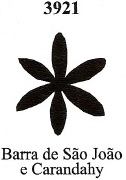
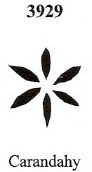
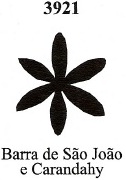
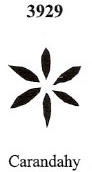
Two mute cancels were also found and registered by James Dingler and Klerman W. Lopes in Mute Cancellations of the Brazil Empire / Carimbos Mudos do Brasil Império (Brazil Philatelic Association, Rio de Janeiro, 2000):
Andere Namen: Sant’Anna da Ressaca
Die Freguesia de Sant’Anna da Ressaca wurde im Juli 1872 gegründet, gehörte zur Vila de S. José d’El-Rei und lag am Südufer des Carandaí, 90 km südlich der Provinzhauptstadt Ouro Preto. Bereits im Juli 1876 wurde der Name in Sant’Anna de Carandahy geändert, wahrscheinlich weil der Ort näher an den Fluss verlegt wurde. Ressaca war der Name einer alten Fazenda in der Gegend. Der Name Carandahy stammt aus der Tupi-Sprache und bedeutet Fluss der Carandás. Carandá ist eine Palme aus der Familie der Arecaceae, wie z.B. Copernica australis.
Seit September 1923 ist Carandaí (wie es heute geschrieben wird) ein eigenständiges Município.
Das örtliche Postamt wurde im Mai 1875 eröffnet, wie sowohl Paula Sobrinho (História Postal de Minas Gerais, Belo Horizonte, 1997) als auch R. Koester (Carimbologia IX) schreiben. Demnach wäre die Existenz eines Poststempels mit Sant‘Anna da Ressaca möglich, der aber bisher nicht gesehen wurde. Da das Postamt im Postführer (Guia Postal do Imperio) von 1880 nicht erwähnt wird, ist anzunehmen, dass es zwischenzeitlich geschlossen wurde.
Aus Carandahy stammt der kaiserliche Poststempel CMG-0610a (Abbildung aus dem Internet):

Es wurden auch zwei stumme Stempel gefunden und von James Dingler und Klerman W. Lopes in Mute Cancellations of the Brazil Empire / Carimbos Mudos do Brasil Império (Brazil Philatelic Association, Rio de Janeiro, 2000) registriert:

 Carimbologia