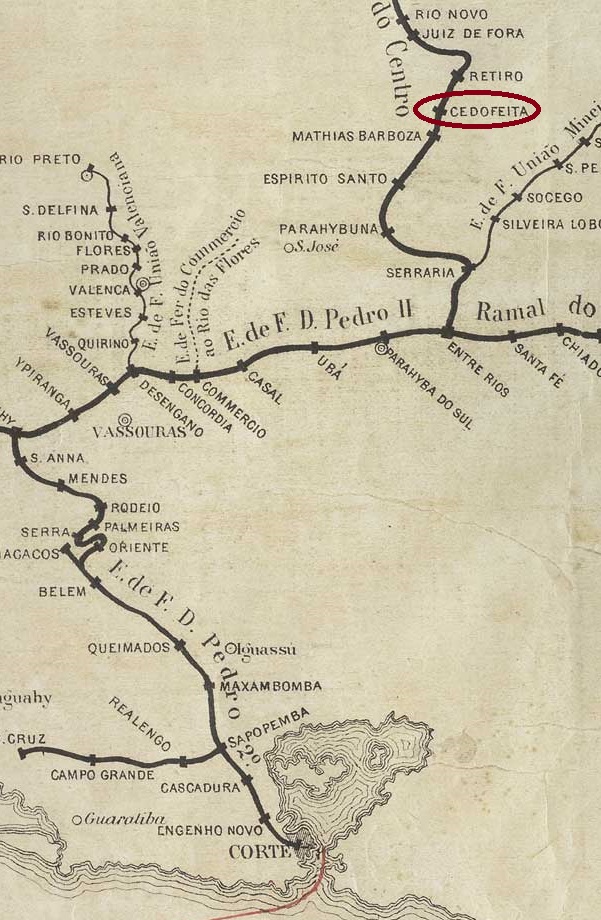
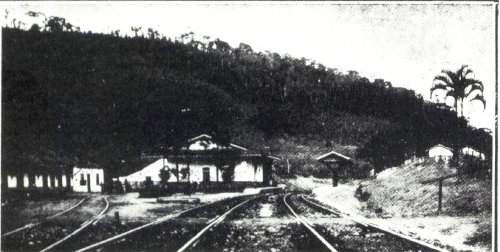
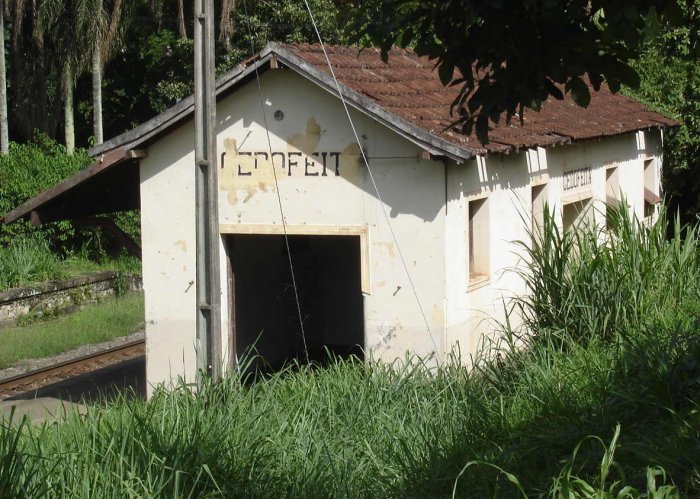
Cedofeita station was opened in December 1875 by the railway company E.F. D. Pedro II (Central Line) in the Município de Juiz de Fora on the east bank of the Paraibuna, 240 km south of the provincial capital Ouro Preto. The line was transferred to E.F. Central do Brasil in 1889 and belonged to Rede Ferroviaria Federal S.A. (estacoesferroviarias.com.br) from 1975 until the line was closed in 1996. From September 1923, the station belonged to the Município de Matias Barbosa. Today the station building is an abandoned ruin, but the tracks are still there.
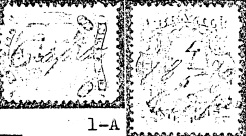
Two dates of origin have been found for the station post office. Firstly in January 1876, as Paulo Novaes writes (agenciaspostais.com.br). Then in September 1878, as stated by Paula Sobrinho (História Postal de Minas Gerais, Belo Horizonte, 1997) and R. Koester (Carimbologia XI). Koester, however, shows a handwritten cancellation from Cedofeita dated May 1876, which on the one hand contradicts his own information and on the other hand is a hint that the postmark did not arrive at the station in time:
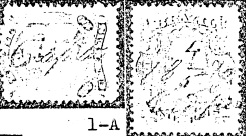
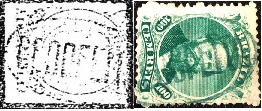
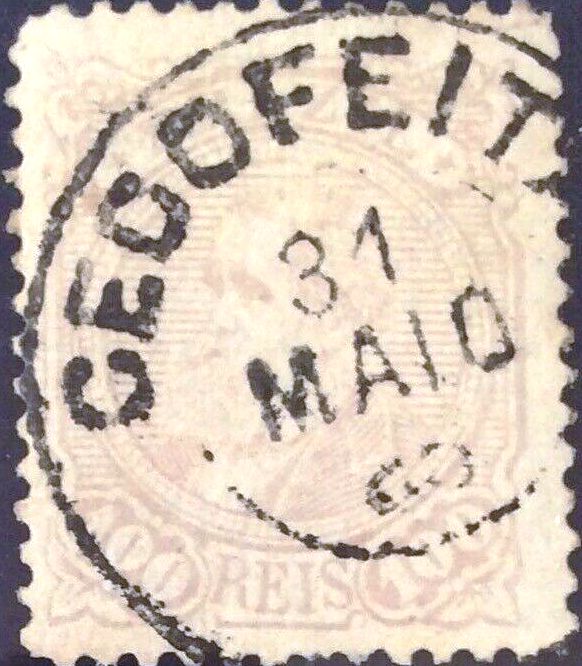
The oldest postmark is probably CMG-0720a (fig. R. Koester and Lelio Cimini), which can be seen on the D. Pedro issues from 1866:
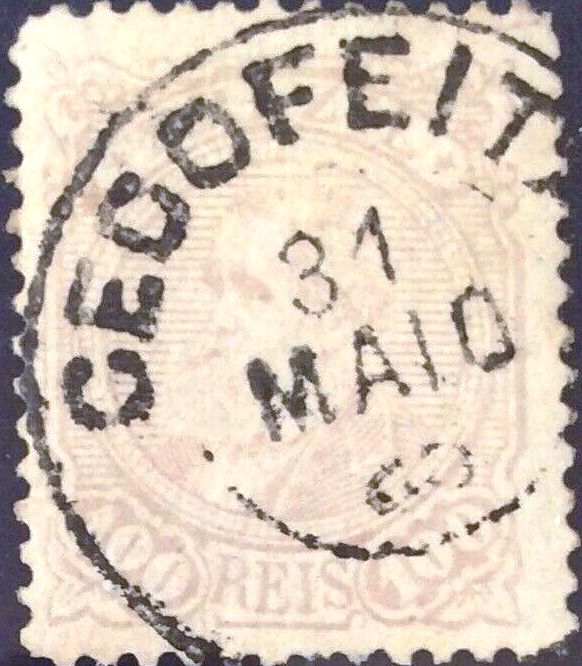
The cancel CMG-0720b was made known by P. Ayres (Catálogo de Carimbos Brasil-Império, S. Paulo, 1937, 1942) with no. 1275 and appeared almost simultaneously:

This was followed by the double circle CMG-0720c (illustration from the Internet):
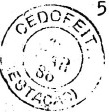
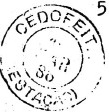
Near the end of the empire finally came CMG-0720d (illustration by R. Koester):
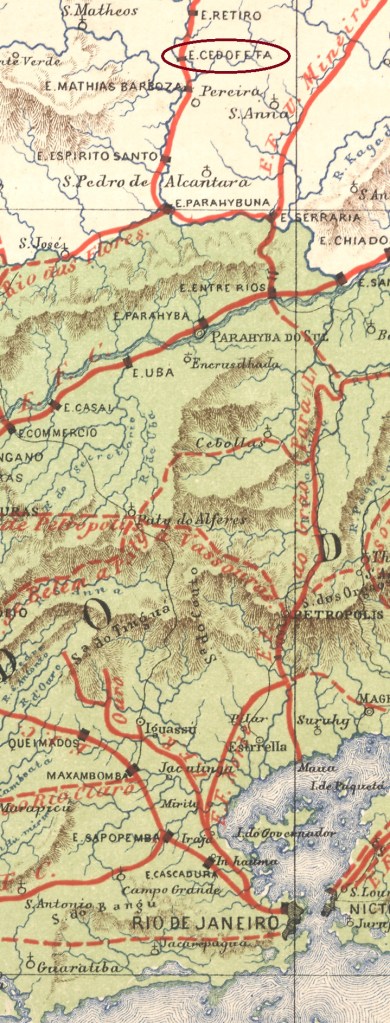
Der Bahnhof Cedofeita wurde im Dezember 1875 von der Eisenbahngesellschaft E.F. D. Pedro II (Hauptstrecke) eröffnet und liegt im Município de Juiz de Fora am Ostufer des Paraibuna, 240 km südlich der Provinzhauptstadt Ouro Preto. Die Strecke ging 1889 an die E.F. Central do Brasil über und gehörte von 1975 bis zur Stilllegung der Strecke 1996 der Rede Ferroviaria Federal S.A. (estacoesferroviarias.com.br). Ab September 1923 befand sich der Bahnhof im Município de Matias Barbosa. Heute ist das Bahnhofsgebäude eine verlassene Ruine, die Gleise sind noch vorhanden.
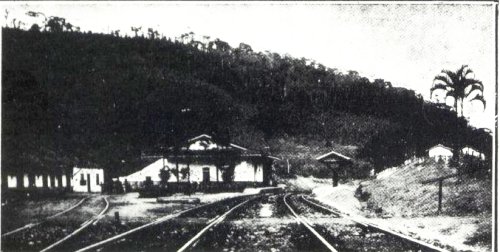
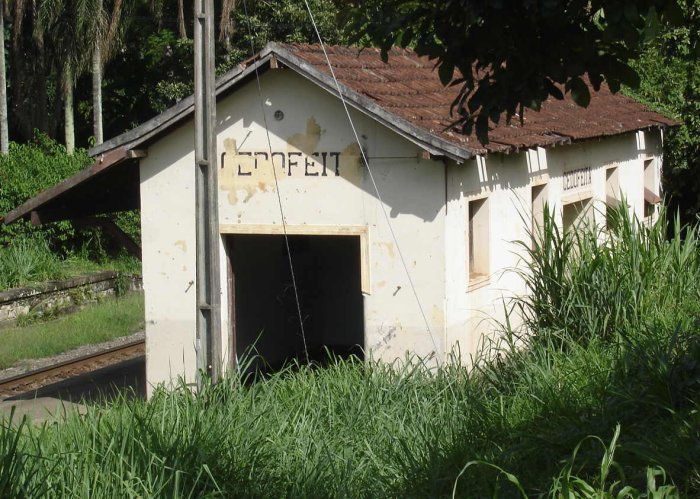
Für das Bahnhofspostamt wurden zwei Entstehungsdaten gefunden. Zuerst im Januar 1876, wie Paulo Novaes schreibt (agenciaspostais.com.br). Dann im September 1878, wie von Paula Sobrinho (História Postal de Minas Gerais, Belo Horizonte, 1997) und R. Koester (Carimbologia XI) angegeben. Koester zeigt jedoch eine handschriftliche Entwertung aus Cedofeita vom Mai 1876, was einerseits seiner eigenen Angabe widerspricht, andererseits ein Hinweis darauf ist, dass der Poststempel nicht rechtzeitig am Bahnhof eintraf:
Der älteste Poststempel ist wahrscheinlich CMG-0720a (Abb. R. Koester und Lelio Cimini), der noch auf den D.Pedro-Ausgaben von 1866 zu sehen ist:
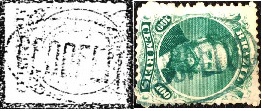
Fast gleichzeitig erschien der von P. Ayres (Catálogo de Carimbos Brasil-Império, S. Paulo, 1937, 1942) mit Nr. 1275 bekannte Stempel CMG-0720b:

Es folgte der Doppelkreis CMG-0720c (Abbildung aus dem Internet):
Am Ende des Kaiserreichs kam schließlich CMG-0720d (Abb. R. Koester):

 Carimbologia