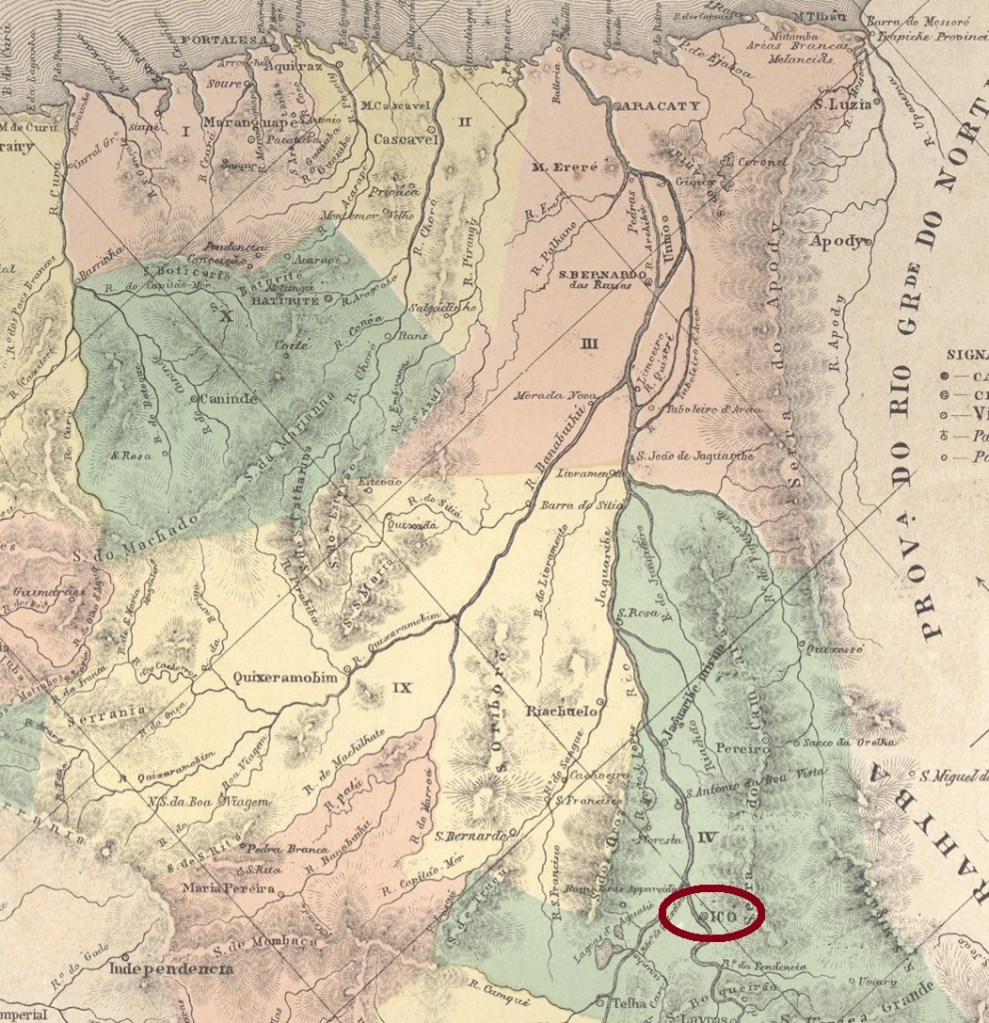
Other names: Ribeira dos Icós, Arraial Velho, Arraial Novo, Icó dos Fonsecas, Icó dos Montes
The Vila do Arraial da Ribeira dos Icós had existed on the east bank of the Rio Salgado, 360 kilometres south of the later provincial capital of Fortaleza, since October 1736. In April 1764, this became the Freguesia de N. Sra. da Expectação de Icó. Icó has been a town since October 1842. The name comes from the indigenous language Tupi-Guarani and means field river.
Two dates have been found for the foundation of the local post office. R. Koester in Carimbologia XXII gives December 1845, while Nova Monteiro in Administrações e Agencias Postaes do Brasil Imperio (Brasil Filatelico/RJ, 1934-5; reprint SPP 1994-1999) gives January 1847.
The oldest postmark to date is ICE-0155a (fig. R. Koester, op. cit.), which also exists in red:

It is followed by ICE-0155b, which also exists in yellow and was given the no. 1313 by P. Ayres in Catálogo de Carimbos Brasil-Império, (S. Paulo, 1937, 1942):

This was followed by the double circle ICE-0155c (fig. R. Koester), which also exists in dark violet:
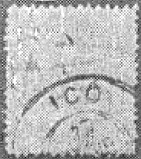
Koester also showed the cachet ICE-0155d:

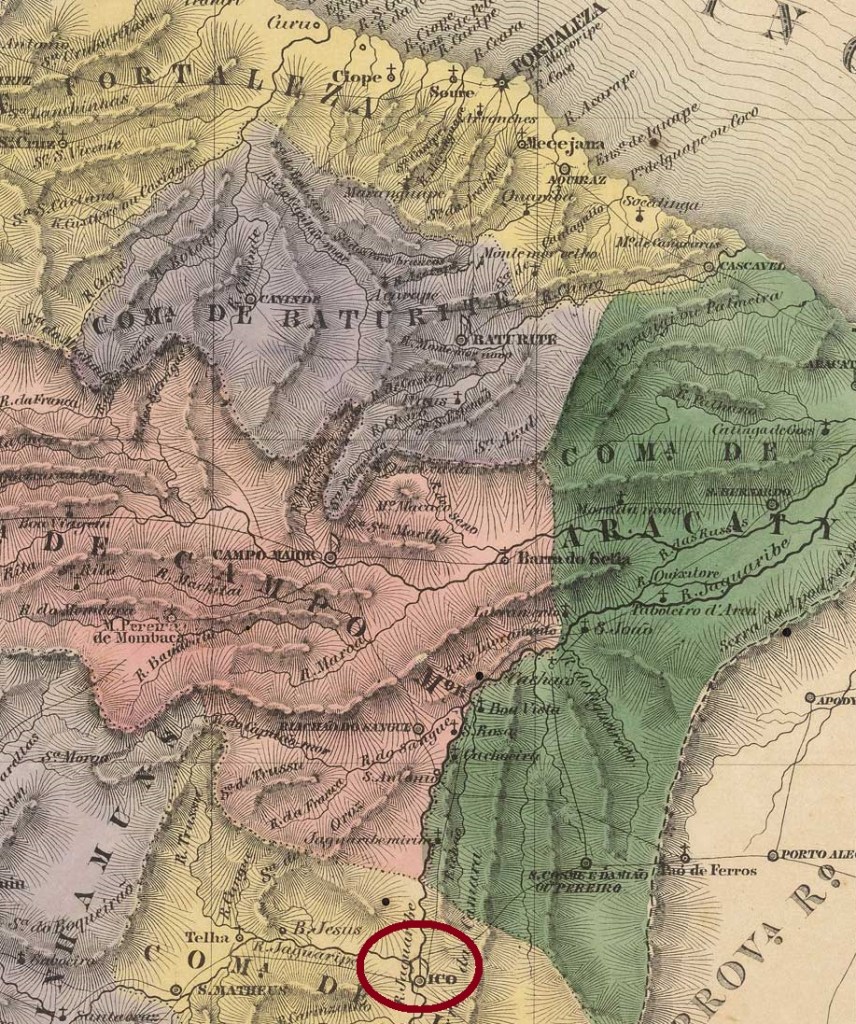
Andere Namen: Ribeira dos Icós, Arraial Velho, Arraial Novo, Icó dos Fonsecas, Icó dos Montes
Seit Oktober 1736 bestand am Ostufer des Rio Salgado, 360 km südlich der späteren Provinzhauptstadt Fortaleza, die Vila do Arraial da Ribeira dos Icós. Im April 1764 wurde daraus die Freguesia de N. Sra. da Expectação de Icó. Seit Oktober 1842 ist Icó eine Stadt. Der Name aus der indigenen Sprache Tupi-Guarani bedeutet Feldfluss.
Für die Gründung des örtlichen Postamtes wurden zwei Daten gefunden. R. Koester nennt in Carimbologia XXII den Dezember 1845, während Nova Monteiro in Administrações e Agencias Postaes do Brasil Imperio (Brasil Filatelico/RJ, 1934-5; Nachdruck SPP 1994-1999) den Januar 1847 angibt.
Der bisher älteste Stempel ist ICE-0155a (Abb. R. Koester, op. cit.), der auch in rot existiert:

Es folgt ICE-0155b, der auch in gelb existiert und von P. Ayres in Catálogo de Carimbos Brasil-Império, (S. Paulo, 1937, 1942) die Nr. 1313 erhielt:

Danach kam der Doppelkreis ICE-0155c (Abb. R. Koester), der auch in dunkelviolett existiert:
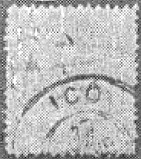
Koester zeigte auch den Siegelstempel ICE-0155d:


 Carimbologia