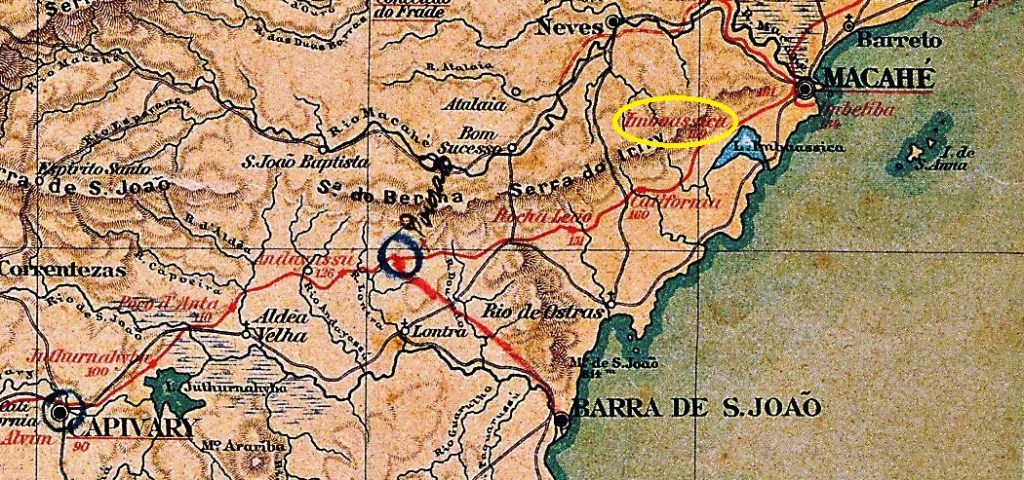
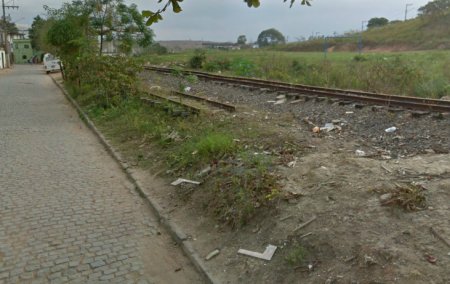
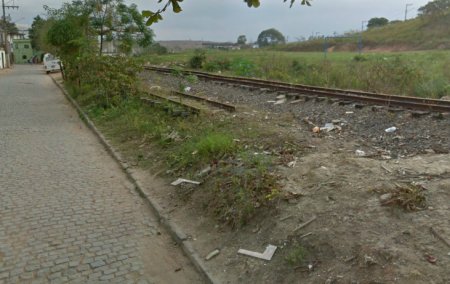
Imboassica station was opened in November 1888 by the railway company E.F. Leopoldina (Ramal de Rio Bonito) and was located on the northern shore of Lake Imboassica in the Município Barra de S. João, 180 km north-east of the capital Rio de Janeiro. The area around the railway station belonged to the Município de Indaiassú from December 1901, to the Município de Casimiro de Abreu from March 1938 and to the district of Rio das Ostras from March 1970, which has been an independent Município since April 1992. The line belonged to Rede Ferroviária Federal S.A. from 1975 until its closure in 1996, as R. Giesbrecht writes on estacoesferroviarias.com.br. The tracks are still there today, but the station building was demolished around 2013.
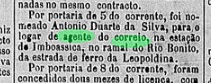
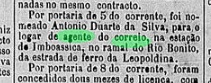
According to R. Koester (Carimbologia XXII), there had been a post office at the station since January 1889, which is confirmed by the press in Rio:
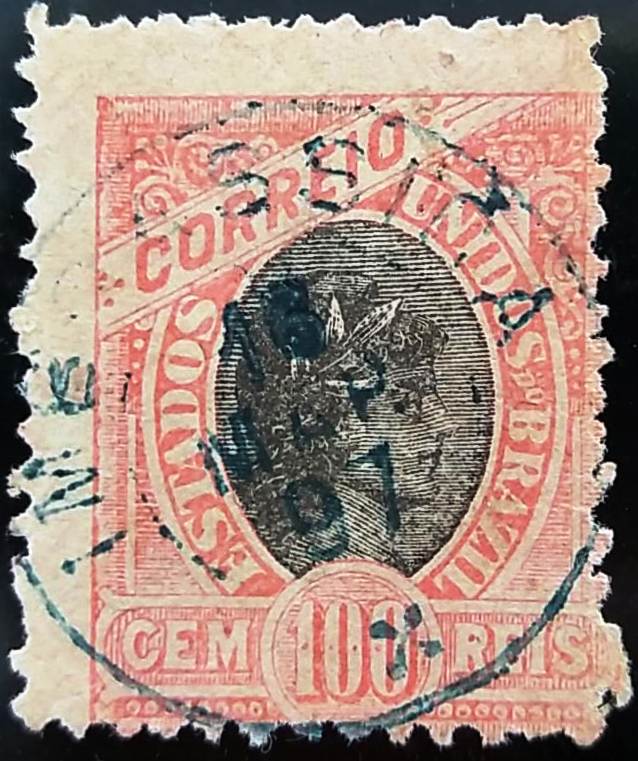
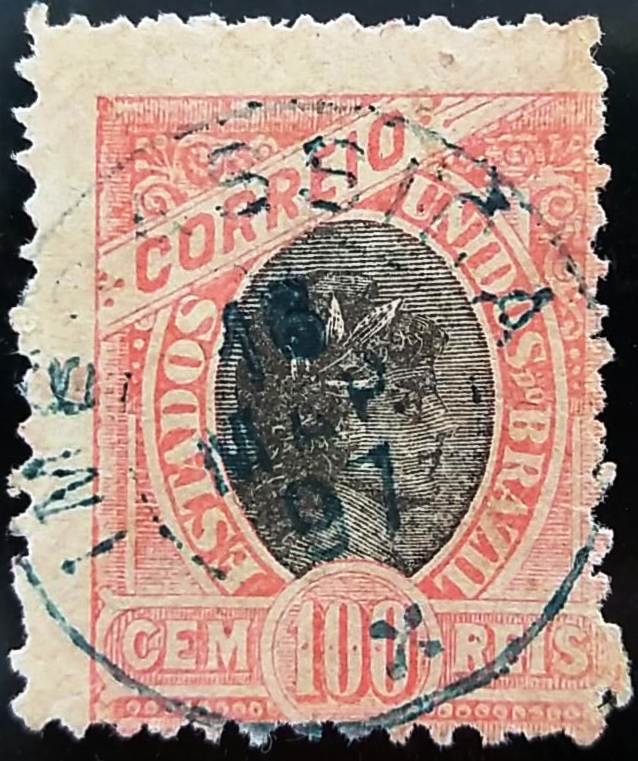
The oldest postmark to date is IRJ-0625a (illus. Luiz C. Fritzen):
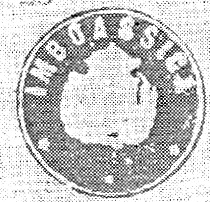
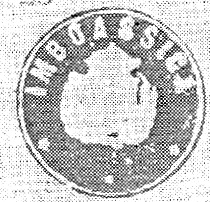
Koester (op. cit.) also shows a postmark with the imperial seal IRJ-0625b:
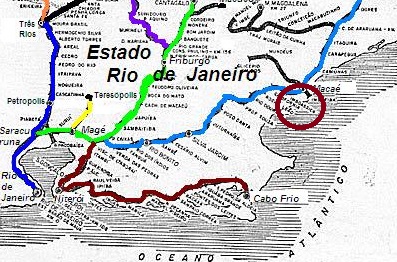
Der Bahnhof Imboassica wurde im November 1888 von der Eisenbahngesellschaft E.F. Leopoldina (Ramal de Rio Bonito) eröffnet und lag am Nordufer des Imboassica-Sees im Município Barra de S. João, 180 km nordöstlich der Hauptstadt Rio de Janeiro. Das Gebiet um den Bahnhof gehörte ab Dezember 1901 zum Município de Indaiassú, ab März 1938 zum Município de Casimiro de Abreu, ab März 1970 zum Distrikt Rio das Ostras, der seit April 1992 ein eigenständiges Município ist. Die Strecke gehörte von 1975 bis zur Stilllegung 1996 der Rede Ferroviária Federal S.A., wie R. Giesbrecht auf estacoesferroviarias.com.br schreibt. Heute sind die Gleise noch vorhanden, das Bahnhofsgebäude wurde um 2013 abgerissen.
Laut R. Koester (Carimbologia XXII) gab es seit Januar 1889 ein Postamt am Bahnhof, was von der Presse in Rio bestätigt wird:
Der bisher älteste Poststempel ist IRJ-0625a (Abb. Luiz C. Fritzen):
Koester (op. cit.) zeigt auch einen Stempel mit dem kaiserlichen Siegel IRJ-0625b:

 Carimbologia