Other names: Aristides Lobo (1948)
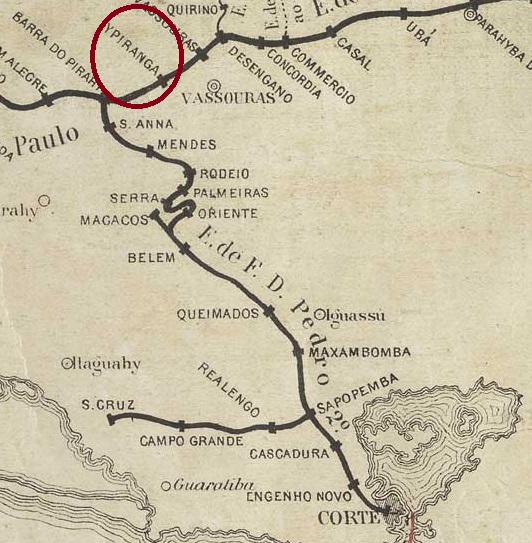
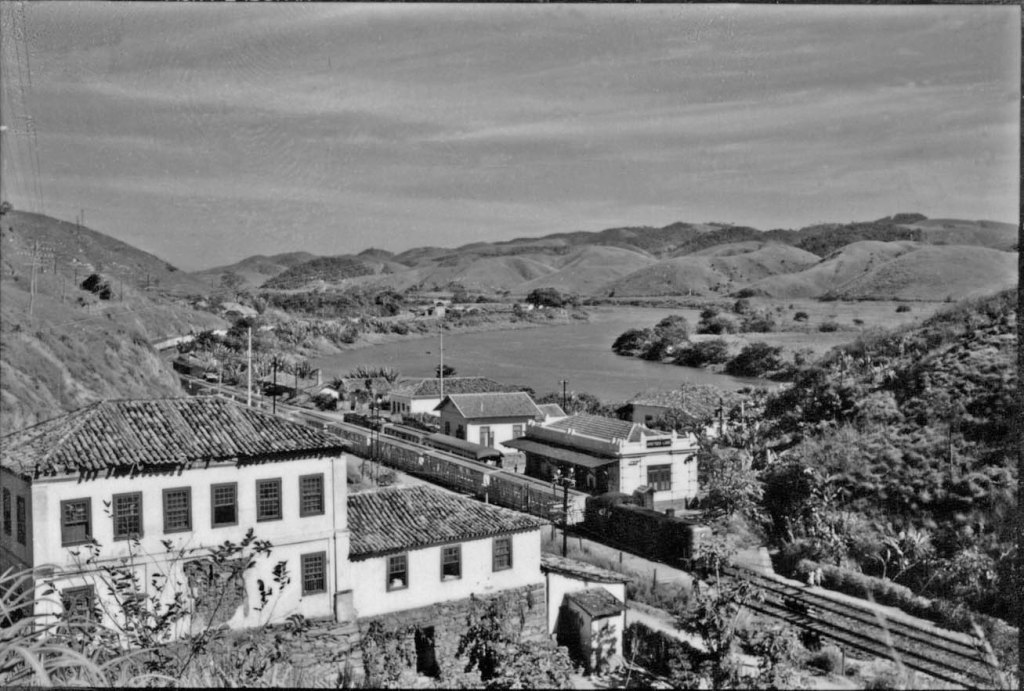
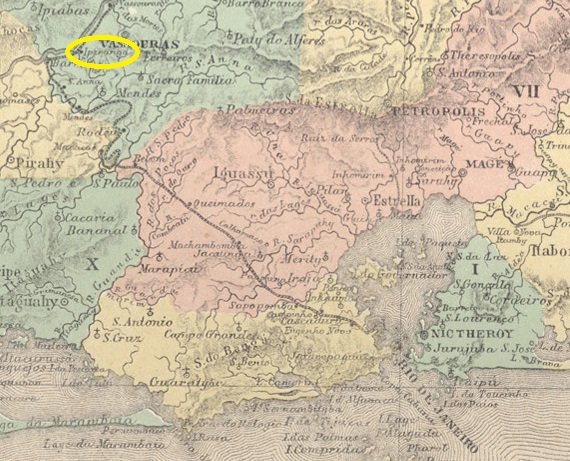
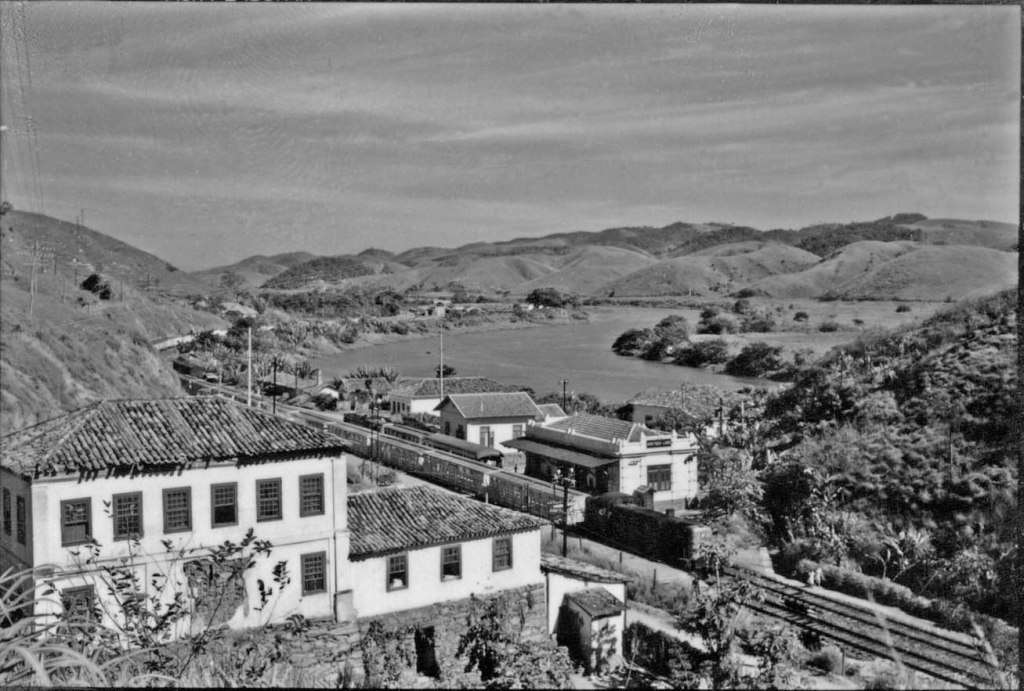
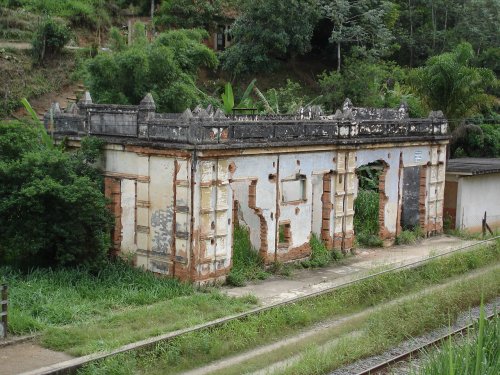
Ipiranga station (also spelt Ypiranga and Ipyranga) was opened in April 1865 by the railway company E.F. D. Pedro II (Center Line) on the south bank of the Paraíba do Sul, a good 110 km north-west of the capital Rio de Janeiro. The line became the property of E.F. Central do Brasil in 1889 and belonged to Rede Ferroviária Federal S.A. from 1975 until its closure in 1996 (estacoesferroviarias.com.br). In 1948, the station was renamed Aristides Lobo in honour of a lawyer and politician (1839-1896) who was one of the leading figures in the republican coup of 1889.

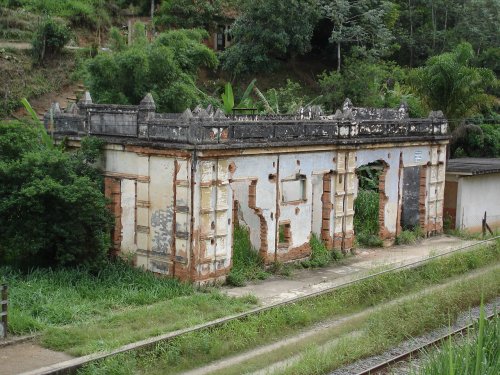
Today, the tracks of the Aristides Lobo railway station still exist, the building is a ruin, which is now a listed building and is to be extensively restored.
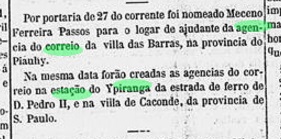
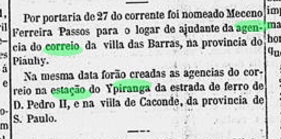
As Paulo Novaes writes on agenciaspostais.com.br, there has been a post office in the station since April 1865, which is also confirmed by the press:
The first postmark has not yet been found. Its oldest successor is IRJ-2000b (fig. P. Novaes, op.cit.).
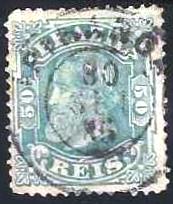
It was followed by the rare IRJ-2000c (fig. Claudio Coelho):
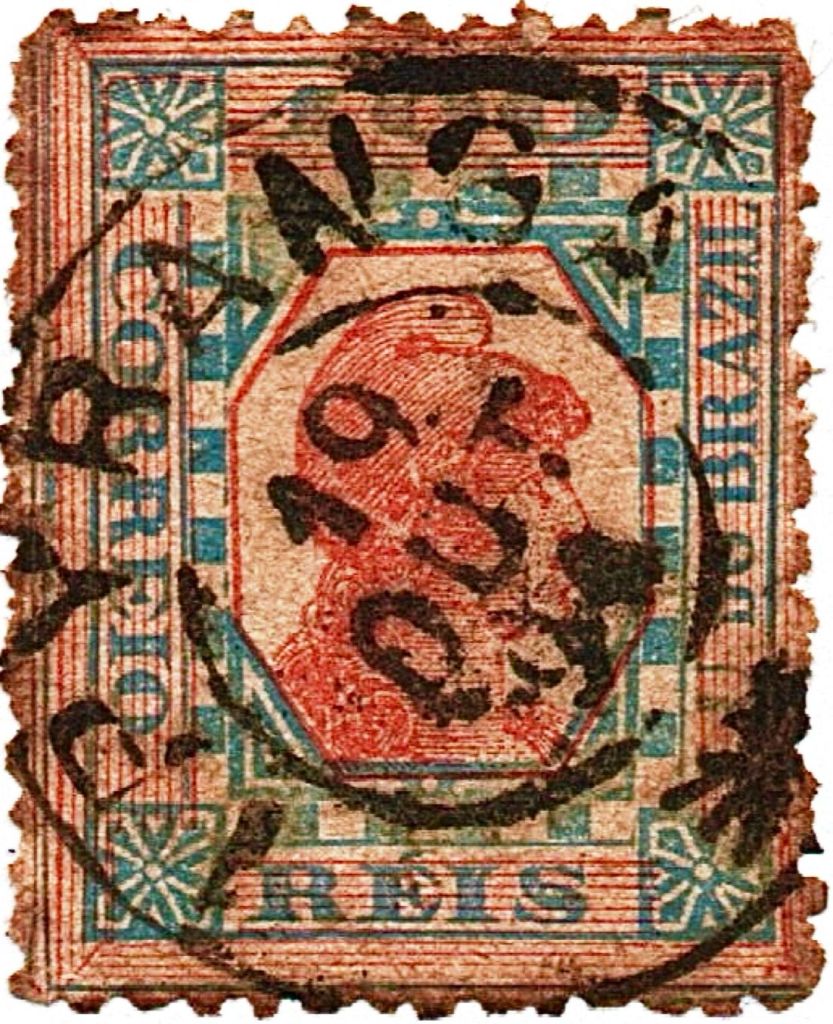
R. Koester also shows the stamp with the imperial seal IRJ-2000d in Carimbologia XXII:

Andere Namen: Aristides Lobo (1948)
Der Bahnhof Ipiranga (auch Ypiranga und Ipyranga geschrieben) wurde im April 1865 von der Eisenbahngesellschaft E.F. D. Pedro II (Hauptlinie) eröffnet und lag am Südufer des Paraíba do Sul, gut 110 km nordwestlich der Hauptstadt Rio de Janeiro. Die Strecke ging 1889 in den Besitz der E.F. Central do Brasil über und gehörte von 1975 bis zu ihrer Schließung 1996 der Rede Ferroviária Federal S.A. (estacoesferroviarias.com.br). 1948 wurde der Bahnhof in Aristides Lobo umbenannt, zu Ehren eines Juristen und Politikers (1839-1896), der einer der führenden Köpfe des republikanischen Putsches von 1889 war.

Heute sind die Gleise des Bahnhofs Aristides Lobo noch vorhanden, das Gebäude ist eine Ruine, die inzwischen unter Denkmalschutz steht und aufwendig restauriert werden soll.
Wie Paulo Novaes auf agenciaspostais.com.br schreibt, gab es im Bahnhof seit April 1865 ein Postamt, was auch von der Presse bestätigt wird:
Der erste Poststempel ist noch nicht gefunden worden. Sein ältester Nachfolger ist IRJ-2000b (Abb. P. Novaes, op.cit.).
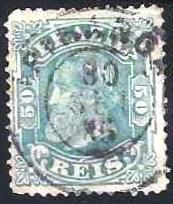
Ihm folgte der seltene IRJ-2000c (Abb. Claudio Coelho):
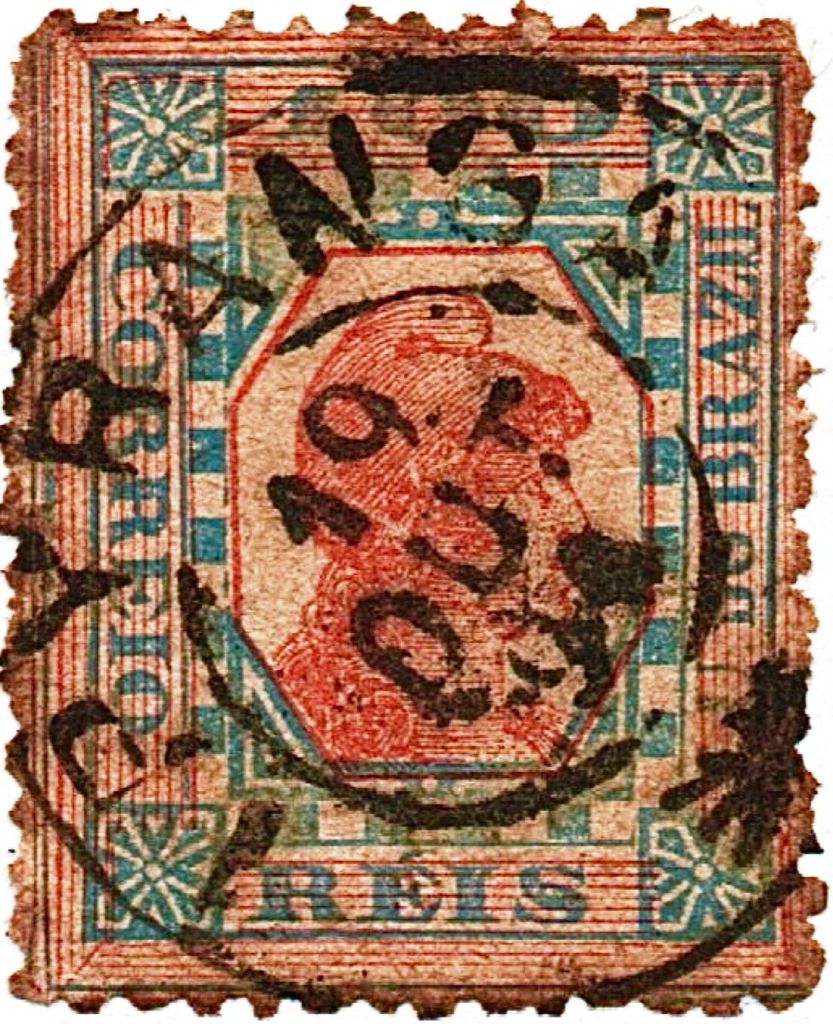
R. Koester zeigt in Carimbologia XXII auch den Stempel mit dem kaiserlichen Siegel IRJ-2000d:


 Carimbologia