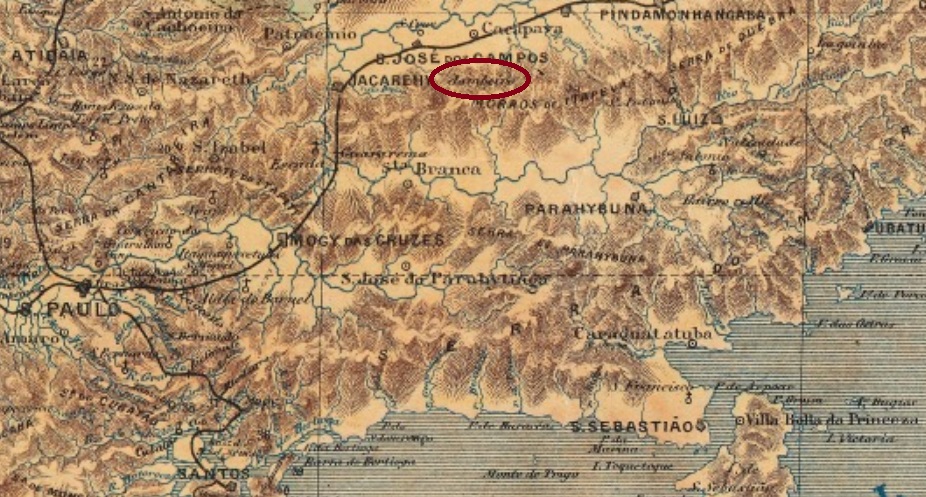
Other names: N. Sra. das Dores de Capivary
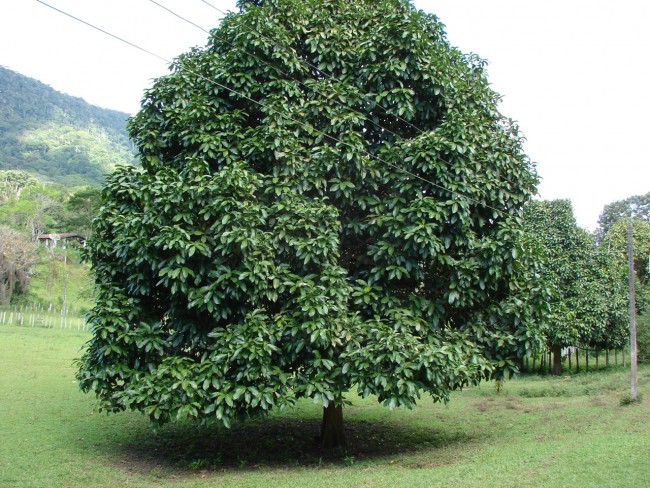
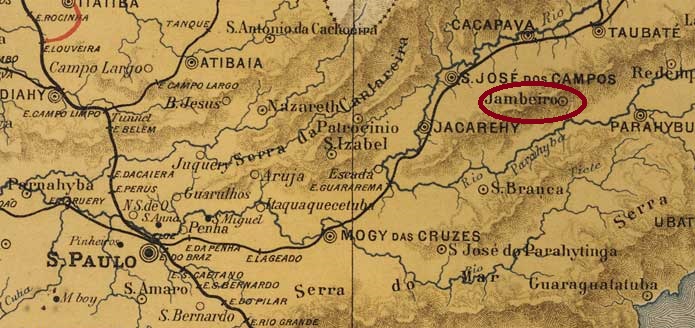
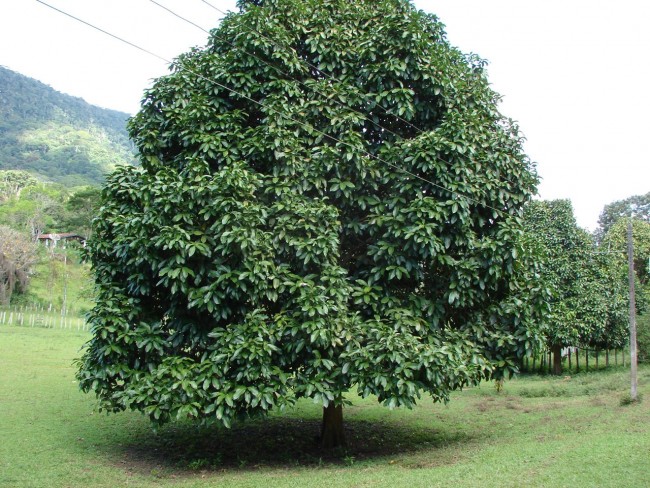
The Freguesia de N. Sra. das Dores de Capivary had existed since April 1872. It belonged to the Vila de Caçapava and was located on the Capivari, 120 kilometres east of the provincial capital of São Paulo. In March 1876, it was elevated to a Vila, but changed its name to Jambeiro in May of the following year, presumably to avoid confusion with the other Vila de Capivary in São Paulo. Jambeiro has been a town since July 1898. The name comes from a beautiful tree from the myrtle family (Myrtaceae), which bears juicy, sweet fruit.
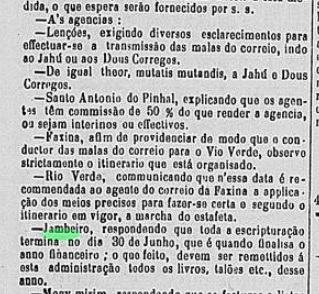
R. Koester writes in Carimbologia XXV that there has been a post office there since around 1878. In fact, it must have already existed in July of the previous year, as can be seen from the regional press:
The oldest postmark is the French type JSP-0710a (fig. R. Koester, op. cit.)
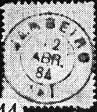
It was followed by the double circle JSP-0710b (fig. Koester):

Andere Namen: N. Sra. das Dores de Capivary
Die Freguesia de N. Sra. das Dores de Capivary bestand seit April 1872. Sie gehörte zur Vila de Caçapava und lag am Ufer des Capivari, 120 Kilometer östlich der Provinzhauptstadt São Paulo. Im März 1876 wurde sie zur Vila erhoben, änderte aber im Mai des folgenden Jahres ihren Namen in Jambeiro, vermutlich um Verwechslungen mit der anderen Vila de Capivary in São Paulo zu vermeiden. Jambeiro ist seit Juli 1898 eine Stadt. Der Name stammt von einem schönen Baum aus der Familie der Myrtengewächse (Myrtaceae), der saftige, süße Früchte trägt.
R. Koester schreibt in Carimbologia XXV, dass es dort seit etwa 1878 ein Postamt gibt. Tatsächlich muss es aber schon im Juli des Vorjahres bestanden haben, wie aus der regionalen Presse hervorgeht:

Der älteste Poststempel ist der französische Typ JSP-0710a (Abb. R. Koester, op. cit.)
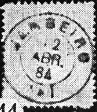
Ihm folgte der Doppelkreis JSP-0710b (Abb. Koester):


 Carimbologia