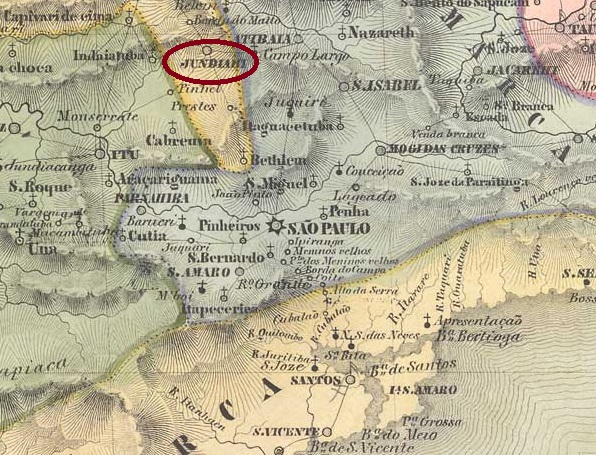
Other names: N. Sra. do Desterro
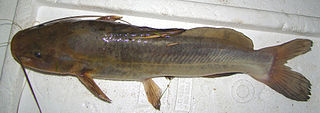
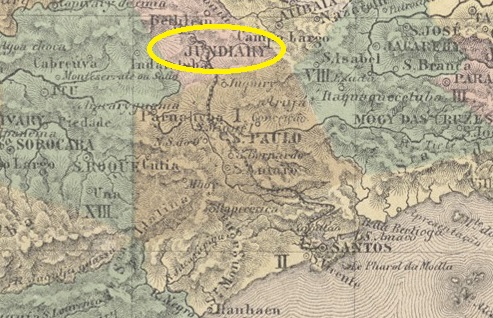
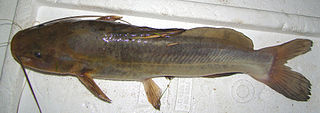
The Freguesia de N. Sra. do Desterro, known since 1651, was located on the west bank of the Guapeva, 50 kilometres northwest of the later provincial capital of São Paulo. In December 1655 it became Villa de Jundiahy and in March 1865 it was declared a town. The name (now spelt Jundiaí) comes from the Tupi-guarani and can mean both marshland with vegetation and river of catfish. The Jundiá is a species of catfish found throughout Brazil:
Three dates were found for the founding of the local post office. Nova Monteiro in Administrações e Agencias Postaes do Brasil Imperio (Brasil Filatelico/RJ, 1934-5; reprint SPP 1994-1999) mentions October 1827, which is confirmed almost to the day by R. Koester in Carimbologia XXV. However, the directory of imperial post offices (Tabella das Agencias do Correio do Imperio, Rio de Janeiro, 1885) mentions the agency from 1841 onwards. Since postal documents with postmarks from Jundiahy exist before 1827, the post office is probably even older than previously assumed.
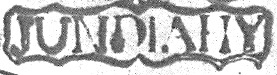
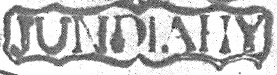
The oldest postmark to date is the pre-philatelic JSP-0715a (fig. R. Koester, op. cit.), which is listed in the RHM catalogue under P-SP-15:
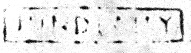
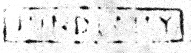
Its successor JSP-0715b (fig. Koester), listed in the RHM catalogue under P-SP-16, also dates from that period:
This was followed by the rare JSP-0715c (fig. Koester):
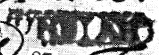
The next postmark JSP-0715d is very similar to the previous one, but is now somewhat longer. In the RHM catalogue under P-SP-17:

Then came JSP-0715e (fig. Koester), whereby the letter A is somewhat narrow here:
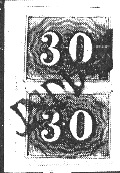
The postmark JSP-0715f (fig. Koester) again shows a border:
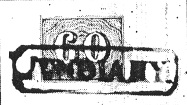
Very similar to it is JSP-0715g, which is known from P. Ayres (Catálogo de Carimbos Brasil-Império, S. Paulo, 1937, 1942) with no. 1336. But it has a fine double rim:
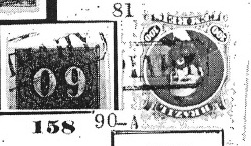
The oldest circle cancellation is the French type JSP-0715h (fig. Koester), which also exists in violet:

At the end of the Empire, JSP-0715i (fig. Koester) was also added:

Koester also showed a strange postmark from Jundiahy, JSP-0715j, which looks dubious:

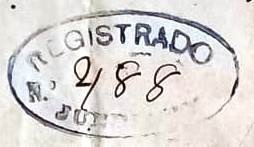
From the Fuad Ferreira Fo. collection comes the registered postmark JSP-0715k:
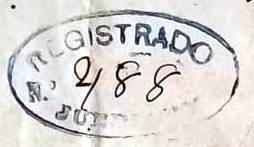
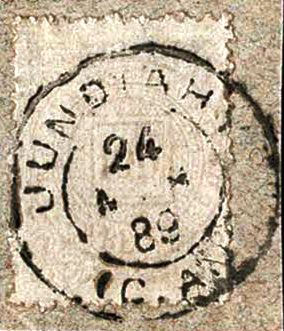
The railway postmark JSP-0716a (illus. Claudio Neumann) is also known from Jundiahy:
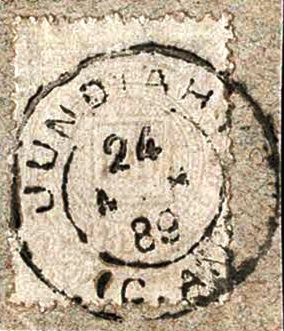
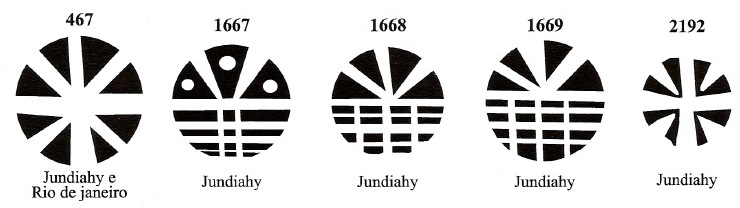
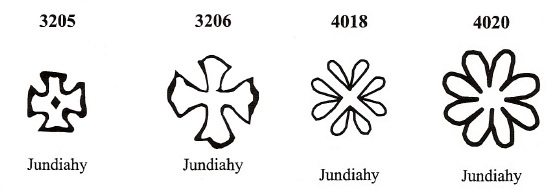
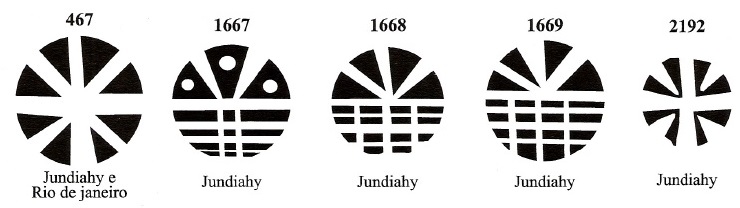
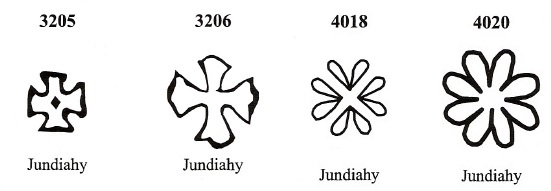
James Dingler and Klerman W. Lopes have listed 13 mute cancels from Jundiahy in Mute Cancellations of the Brazil Empire / Carimbos Mudos do Brasil Império (Brazil Philatelic Association, Rio de Janeiro, 2000):
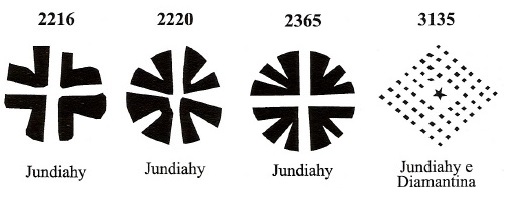
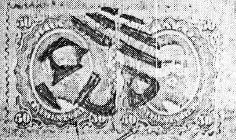
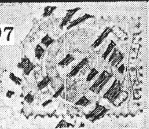
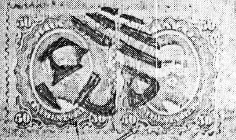
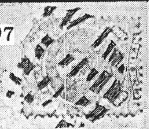
3 further mute cancellations were shown by R. Koester (op. cit.):
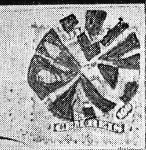
The philatelist Felipe Piccinini can also present a hitherto unknown mute cancel from Jundiahy:

Andere Namen: N. Sra. do Desterro
Die seit 1651 bekannte Freguesia de N. Sra. do Desterro lag am Westufer des Guapeva, 50 km nordwestlich der späteren Provinzhauptstadt São Paulo. Im Dezember 1655 wurde es zur Villa de Jundiahy und im März 1865 zur Stadt ernannt. Der Name (heute Jundiaí geschrieben) stammt aus dem Tupi-guarani und kann sowohl Sumpfgebiet mit Vegetation als auch Fluss der Welse bedeuten. Der Jundiá ist eine in ganz Brasilien verbreitete Welsart:
Für die Gründung des örtlichen Postamtes wurden drei Daten gefunden. Nova Monteiro nennt in Administrações e Agencias Postaes do Brasil Imperio (Brasil Filatelico/RJ, 1934-5; Reprint SPP 1994-1999) den Oktober 1827, was von R. Koester in Carimbologia XXV fast auf den Tag genau bestätigt wird. Im Verzeichnis der kaiserlichen Postämter (Tabella das Agencias do Correio do Imperio, Rio de Janeiro, 1885) wird die Agentur jedoch ab 1841 erwähnt. Da Postbelege mit Stempeln von Jundiahy vor dem Jahr 1827 existieren, ist das Postamt wahrscheinlich noch älter als bisher angenommen.
Der bisher älteste Stempel ist der vorphilatelistische JSP-0715a (Abb. R. Koester, op. cit.), der im RHM-Katalog unter P-SP-15 geführt wird:
Aus der Zeit vor den ersten Briefmarken stammt auch sein Nachfolger JSP-0715b (Abb. Koester), im RHM-Katalog unter P-SP-16:
Es folgte der seltene JSP-0715c (Abb. Koester):
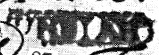
Der nächste Poststempel JSP-0715d ist dem vorherigen sehr ähnlich, ist nun aber etwas länger. Im RHM-Katalog unter P-SP-17:

Danach kam JSP-0715e (Abb. Koester), wobei der Buchstabe A hier etwas schmal ist:
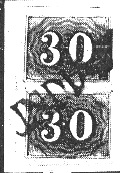
Der Poststempel JSP-0715f (Abb. Koester) zeigt wieder eine Umrandung:
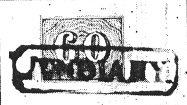
Ihm sehr ähnlich ist JSP-0715g, der durch P. Ayres (Catálogo de Carimbos Brasil-Império, S. Paulo, 1937, 1942) mit Nr. 1336 bekannt ist. Er hat aber einen feinen Doppelrand:
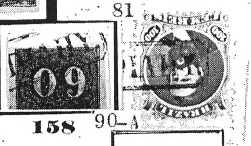
Der älteste Kreisstempel ist der französische Typ JSP-0715h (Abb. Koester), den es auch in Violett gibt:

Am Ende des Kaiserreichs kam auch JSP-0715i (Abb. Koester) hinzu:

Koester zeigte auch einen merkwürdigen Poststempel aus Jundiahy, JSP-0715j, der zweifelhaft aussieht:

Aus der Sammlung Fuad Ferreira Fo. kommt der Einschreibstempel JSP-0715k:
Aus Jundiahy ist auch der Bahnpoststempel JSP-0716a (Abb. Claudio Neumann) bekannt:
James Dingler und Klerman W. Lopes haben in Mute Cancellations of the Brazil Empire / Carimbos Mudos do Brasil Império (Brazil Philatelic Association, Rio de Janeiro, 2000) 13 stumme Stempel aus Jundiahy aufgelistet:
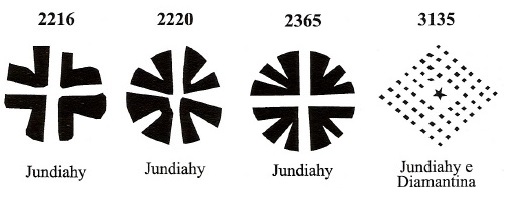
3 weitere stumme Stempel wurden von R. Koester (op.cit.) gezeigt:
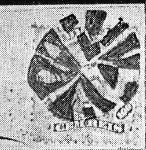
Auch der Philatelist Felipe Piccinini kann einen bisher unbekannten stummen Stempel aus Jundiahy vorweisen:


 Carimbologia