
Other names: Barão de Suassuna (ca. 1941)
Limoeiro station was opened in May 1862 by the railway company E.F. do Recife ao S. Francisco on the south bank of the Ipojuca in the Município de Escada, 70 km southwest of the provincial capital Recife. The name (lemon tree) comes from a sugar cane processing plant (Engenho) in the region. The railway line went to Great Western in 1901, to Rede Ferroviária do Nordeste in 1950 and belonged to Rede Ferroviária Federal S.A. (estacoesferroviarias.com.br) from 1975 until its closure in 1996. The tracks are still there today, but the station building has been demolished.
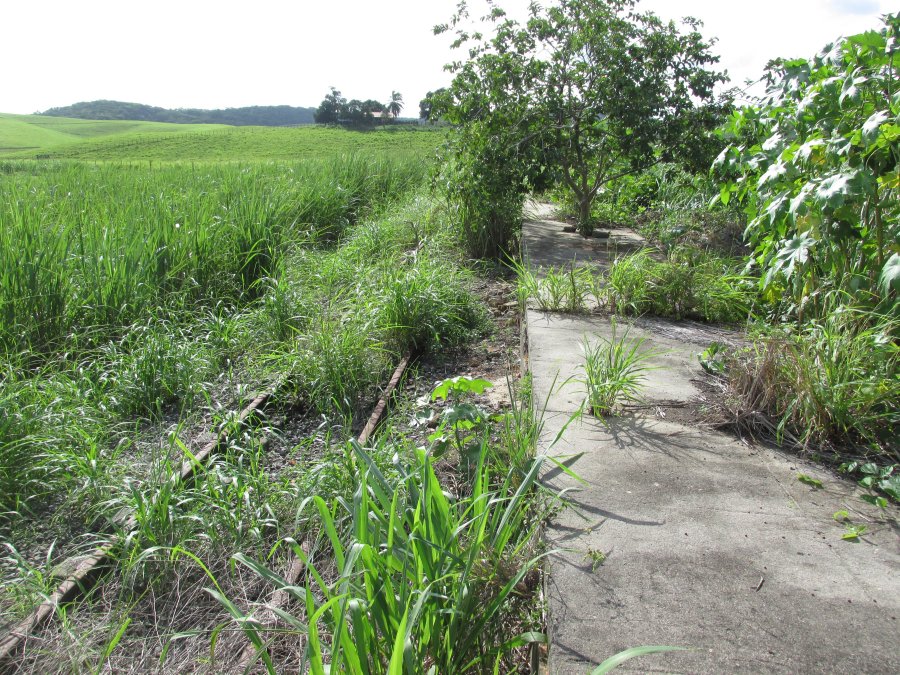
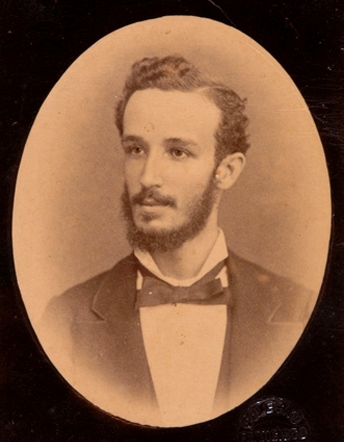
Around 1941, the station was renamed Barão de Suassuna in memory of the owner of the Engenho Limoeiro, Henrique Marques de Hollanda Cavalcanti (1854-1941).
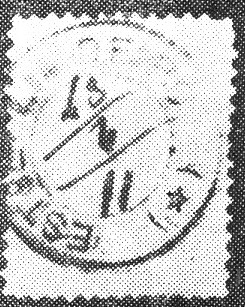
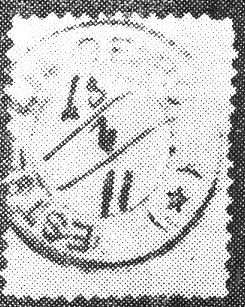
As can be seen from the list of imperial post offices (Tabella das Agencias do Correio do Imperio, Rio de Janeiro, 1885), there had been a post office at the station since 1875. The only imperial postmark to date is the French type LPE-0795a (fig. R. Koester, in Carimbologia XXVI):
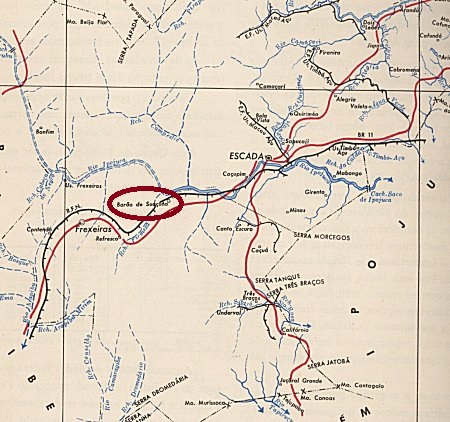
Andere Namen: Barão de Suassuna (ca. 1941)
Der Bahnhof Limoeiro wurde im Mai 1862 von der Eisenbahngesellschaft E.F. do Recife ao S. Francisco am Südufer des Ipojuca im Município de Escada, 70 km südwestlich der Provinzhauptstadt Recife, eröffnet. Der Name (Zitronenbaum) stammt von einer Zuckerrohrverarbeitungsanlage (Engenho) in der Region. Die Bahnlinie ging 1901 an die Great Western, 1950 an die Rede Ferroviária do Nordeste und gehörte von 1975 bis zu ihrer Stilllegung 1996 der Rede Ferroviária Federal S.A. (estacoesferroviarias.com.br). Heute sind die Gleise noch vorhanden, das Bahnhofsgebäude wurde abgerissen.
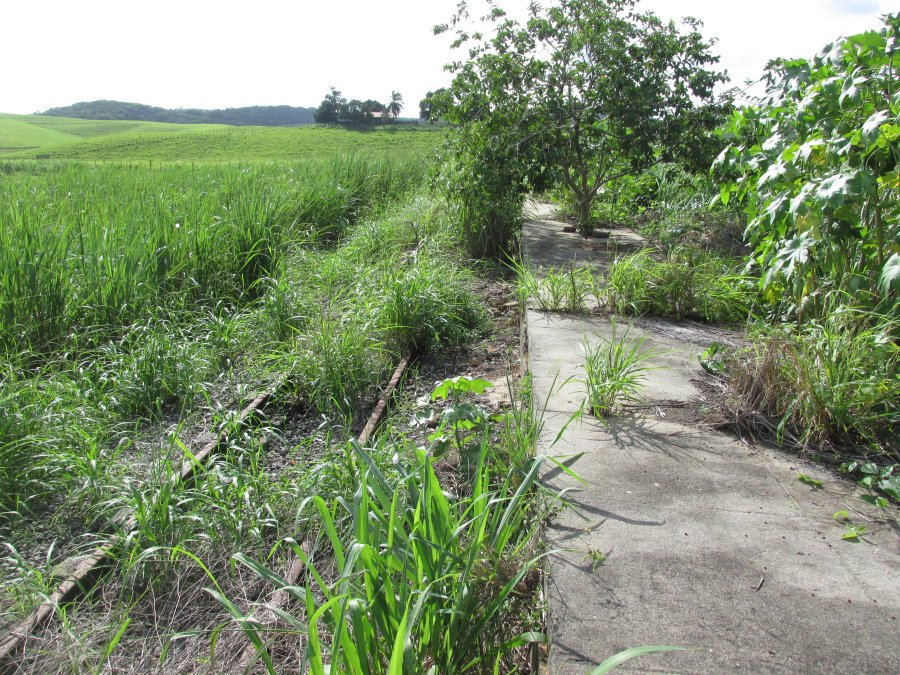
Um 1941 wurde der Bahnhof in Barão de Suassuna umbenannt, in Erinnerung an den Besitzer des Engenho Limoeiro, Henrique Marques de Hollanda Cavalcanti (1854-1941).

Wie aus demVerzeichnis der kaiserlichen Postämter (Tabella das Agencias do Correio do Imperio, Rio de Janeiro, 1885) gab es am Bahnhof ein Postamt seit 1875. Der bisher einzige kaiserliche Poststempel ist der französische Typ LPE-0795a (Abb. R. Koester, in Carimbologia XXVI):

 Carimbologia