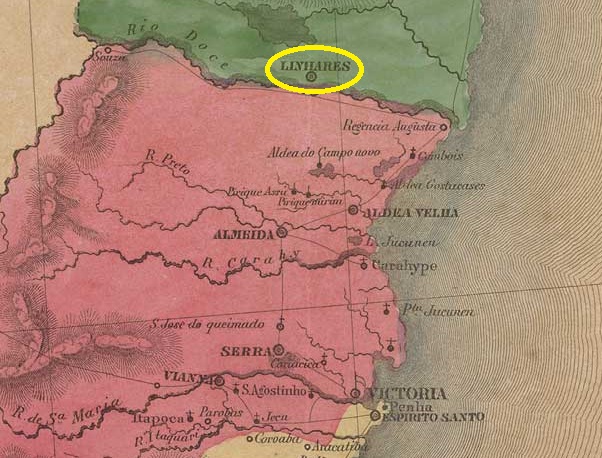
Other names: Aldeia dos Coutins
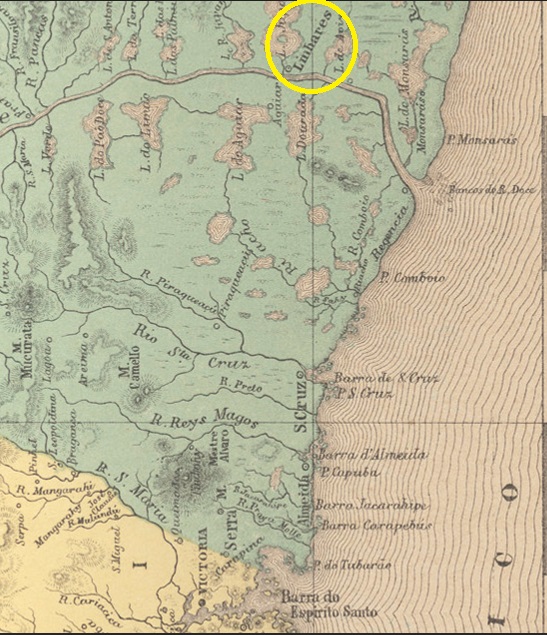
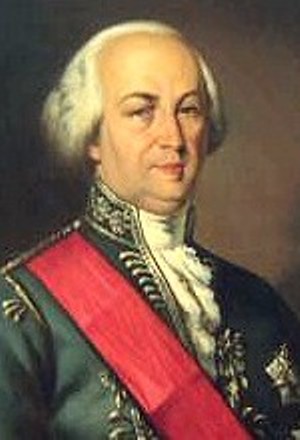
The settlement on the north bank of the Rio Doce, 140 kilometres north of the later provincial capital Vitória, had existed since 1809 and was named after the Count of Linhares, the Portuguese Rodrigo de Sousa Coutinho (1755-1812), who organised the flight of the Lisbon court to Brazil (1807-1808).
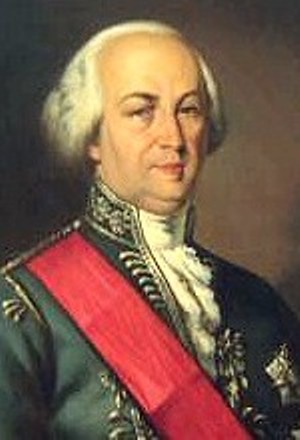
In August 1818, the village became the Freguesia de N. Sra. da Conceição de Linhares do Rio Doce and in April 1833 the Vila de Linhares. In December 1921, Linhares was downgraded to a district of the municipality of Colatina, but regained its municipality status in December 1943.
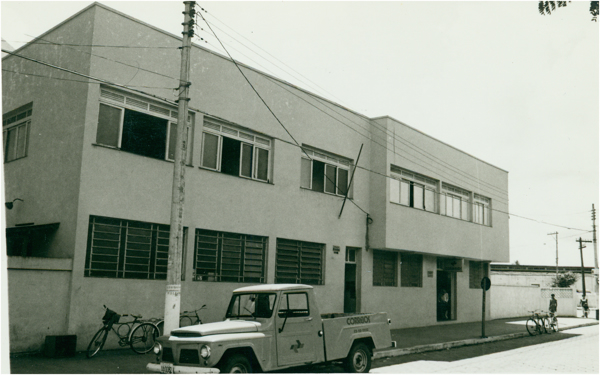
Nova Monteiro writes in Administrações e Agencias Postaes do Brasil Imperio (Brasil Filatelico/RJ, 1934-1935; reprint SPP 1994-1999) that there had been a post office there since October 1831. On agenciaspostais.com.br, however, P. Novaes writes December 1831, which could be a transcription error.
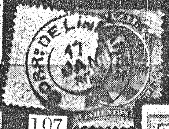
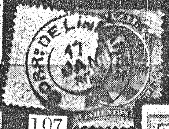
The oldest postmark to date is probably not the first: LES-0105b (fig. Roberto Assef Jr.) does not appear until the 1860s:
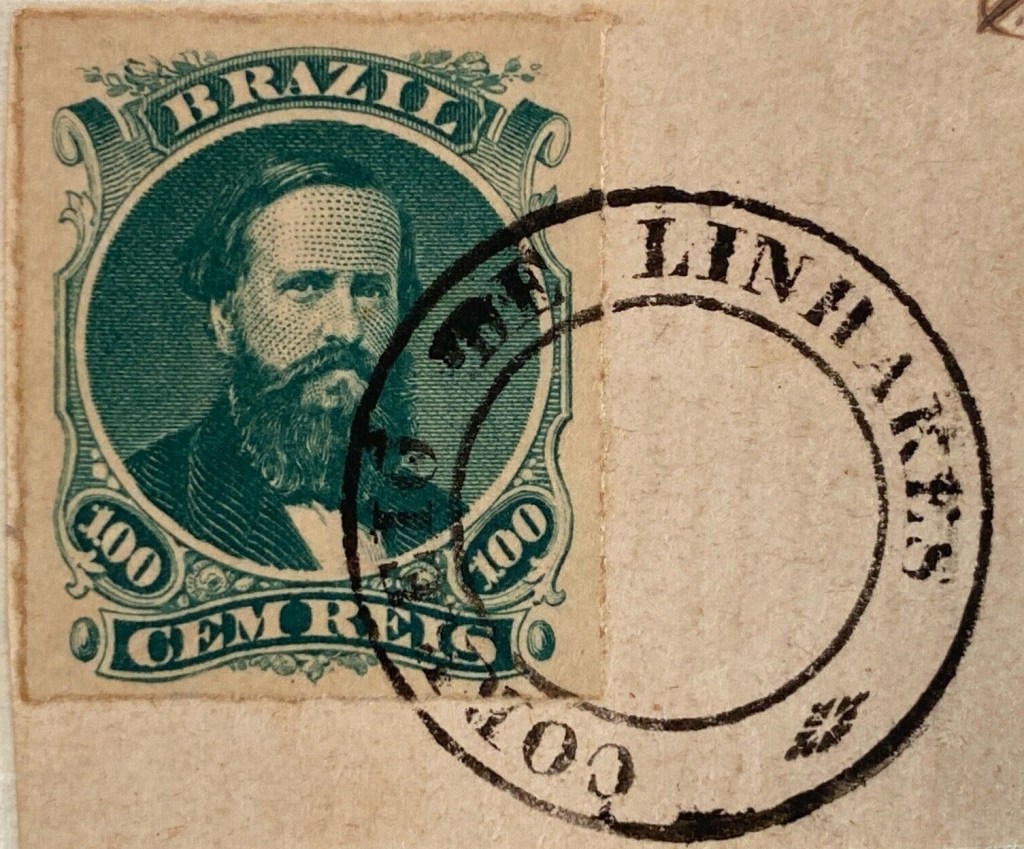
This was followed by LES-0105c (ill. R. Koester, in Carimbologia XXVI):
Andere Namen: Aldeia dos Coutins
Die Siedlung am Nordufer des Rio Doce, 140 Kilometer nördlich der späteren Provinzhauptstadt Vitória, bestand seit 1809. Benannt wurde sie nach dem Grafen von Linhares, dem Portugiesen Rodrigo de Sousa Coutinho (1755–1812), der die Flucht des Lissaboner Hofs nach Brasilien (1807–1808) organisierte.
Im August 1818 wurde der Ort zur Freguesia de N. Sra. da Conceição de Linhares do Rio Doce und im April 1833 zur Vila de Linhares. Im Dezember 1921 wurde Linhares zum Distrikt des Munizips Colatina herabgestuft, erlangte jedoch im Dezember 1943 den Munizip-Status wieder.
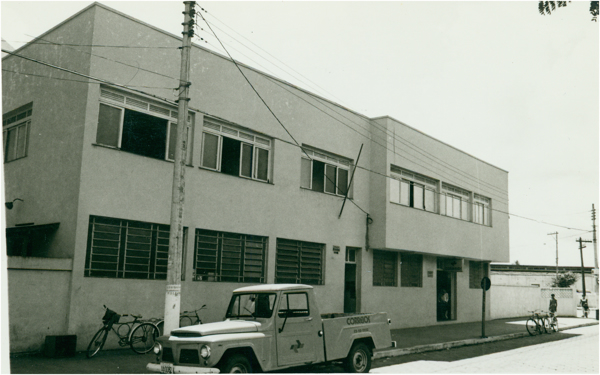
Nova Monteiro schreibt in Administrações e Agencias Postaes do Brasil Imperio (Brasil Filatelico/RJ, 1934–1935; Nachdruck SPP 1994–1999), dass es dort seit Oktober 1831 ein Postamt gab. Auf agenciaspostais.com.br schreibt P. Novaes hingegen Dezember 1831, was ein Übertragungsfehler sein könnte.
Der bisher älteste Poststempel ist wohl nicht der erste: LES-0105b (Abb. Roberto Assef Jr.) kommt erst ab den 1860er Jahren vor:
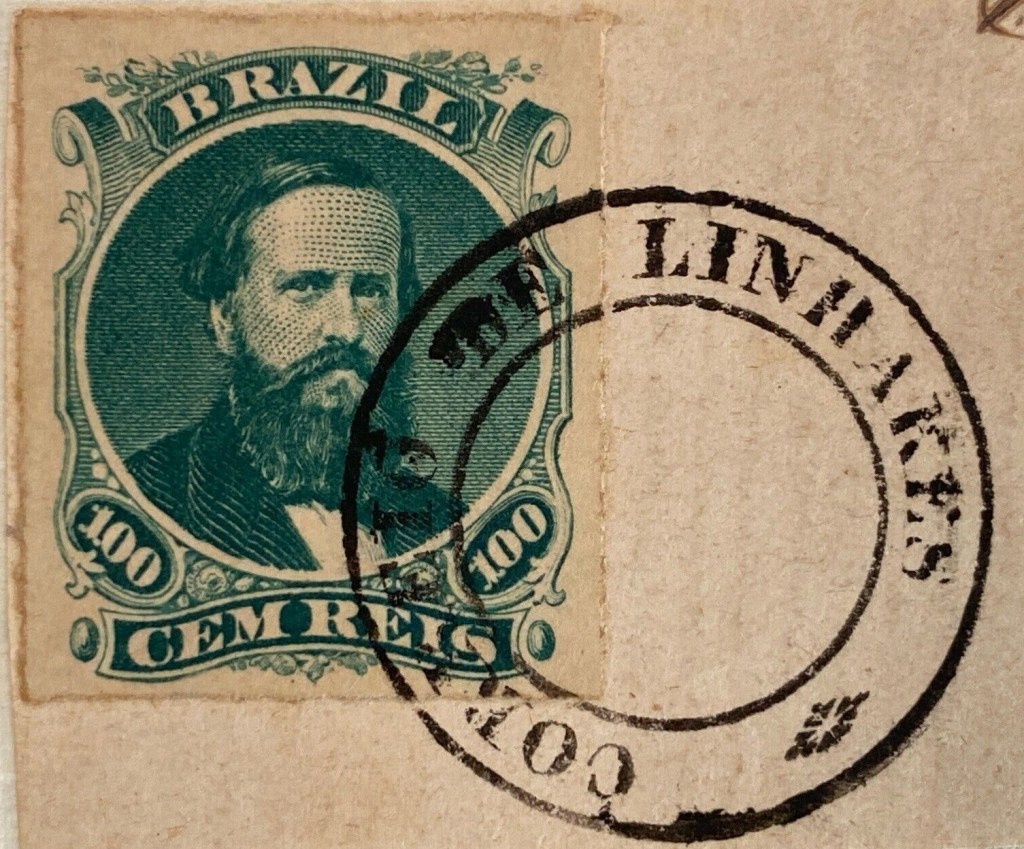
Es folgte LES-0105c (Abb. R. Koester, in Carimbologia XXVI):

 Carimbologia