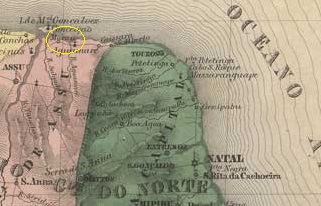
This locality, located at the mouth of the Piranhas River (now the Açu River), 180 kilometres northwest of the provincial capital Natal, became a village in October 1847 and later, in August 1854, the parish of Nossa Senhora da Conceição de Macau. Since October 1875, Macau has been a town. The name is of Chinese origin and was given by Portuguese settlers in honour of the Asian colony of the same name. Originally, the place was called Ama-ngao, which means ‘port of the goddess of sailors.
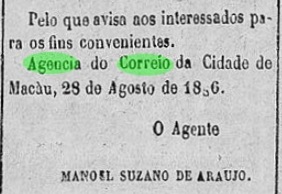
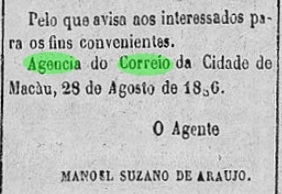
Three dates of creation were found for the local post office. It was first mentioned with creation year 1836 in the directory of imperial post offices (Tabella das Agencias do Correio do Imperio, Rio de Janeiro, 1885), then in October 1837, as Nova Monteiro writes in Administrações e Agencias Postaes do Brasil Imperio (Brasil Filatelico/RJ, 1934–1935; reprinted by SPP 1994–1999), and finally in October 1886, as noted by R. Koester in Carimbologia XXVII. However, the latter date must be incorrect, as the agency was still in operation in August of that year, according to the local press.
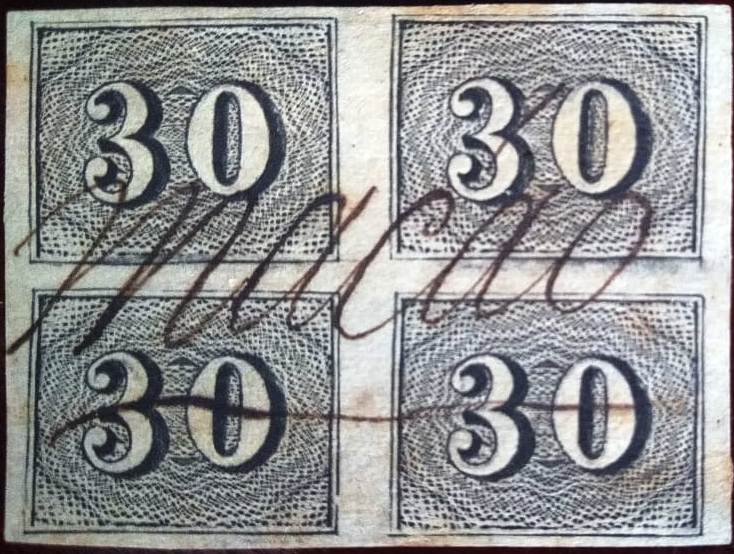
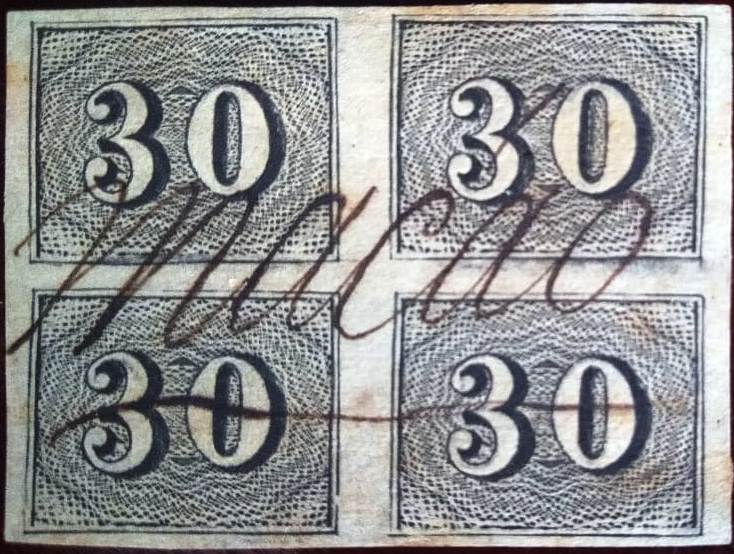
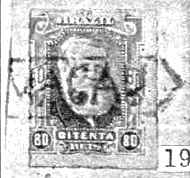
The oldest postal cancellation to date is handwritten and was shown by Denis Forte:
The oldest postmark to date is MRN-0105b (fig. Koester, op. cit.):
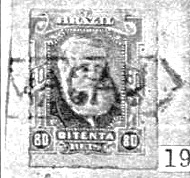
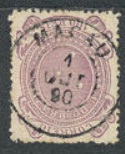
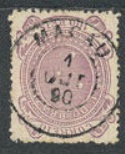
In the 1880s, MRN-0105c (fig. from the Internet) also appeared:
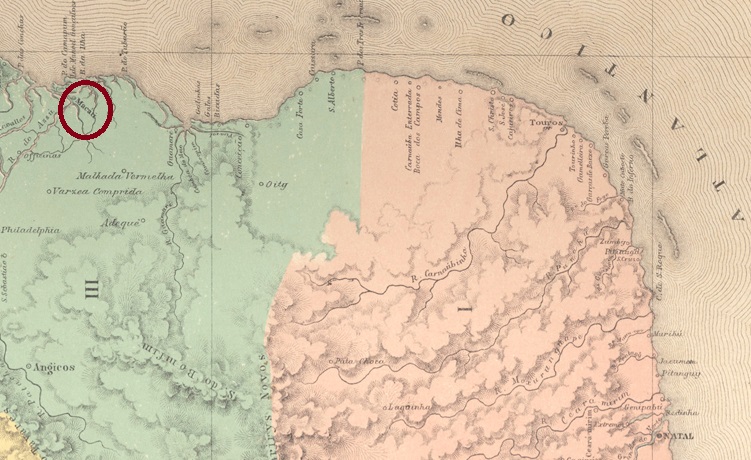
Diese Ortschaft an der Mündung des Piranhas (heute Rio Açu), die 180 Kilometer nordwestlich der Provinzhauptstadt Natal lag, wurde im Oktober 1847 zur Vila und erst später, im August 1854, zur Freguesia de Nossa Senhora da Conceição de Macau. Seit Oktober 1875 ist Macau eine Stadt. Der Name hat einen chinesischen Ursprung und soll von portugiesischen Siedlern nach der gleichnamigen Kolonie benannt worden sein. Ursprünglich hieß der Ort Ama-ngao, was „Hafen der Göttin der Seefahrer” bedeutet.
Es wurden drei Entstehungsdaten für das örtliche Postamt gefunden. Es wurde erstmals mit Datum 1836 im Verzeichnis der kaiserlichen Postämter (Tabella das Agencias do Correio do Imperio, Rio de Janeiro, 1885) aufgeführt, dann im Oktober 1837, wie Nova Monteiro in Administrações e Agencias Postaes do Brasil Imperio (Brasil Filatelico/RJ, 1934–1935; Nachdruck SPP 1994–1999) schreibt, und zuletzt im Oktober 1886, wie R. Koester in Carimbologia XXVII vermerkt. Das letzte Datum dürfte jedoch inkorrekt sein, da die Agentur im August desselben Jahres noch in Betrieb war, wie aus der lokalen Presse hervorgeht.
Die bisher älteste postalische Entwertung ist handschriftlich und wurde von Denis Forte gezeigt:
Der älteste Poststempel ist bisher MRN-0105b (Abb. Koester, op. cit.):
In den 1880er Jahren erschien auch MRN-0105c (Abb. aus dem Internet):

 Carimbologia