Text updated on August 1st, 2025
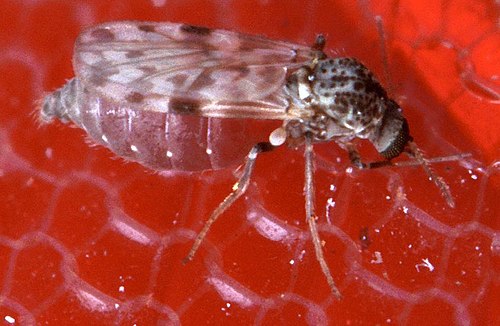
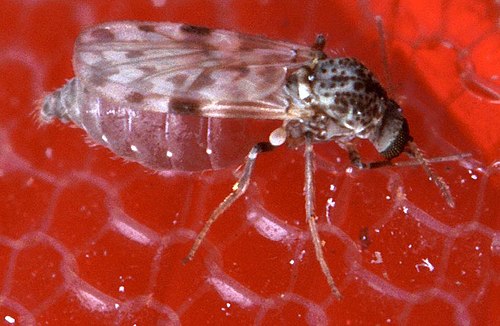
Maruí or Maruim is the name of the midge (for example: Culicoides sonorensis) in Tupi. It is a small, blood-sucking member of the Ceratopogonidae family, feared throughout Brazil for its bite, which causes severe itching.
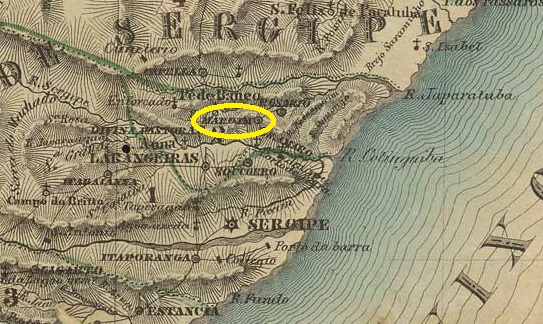
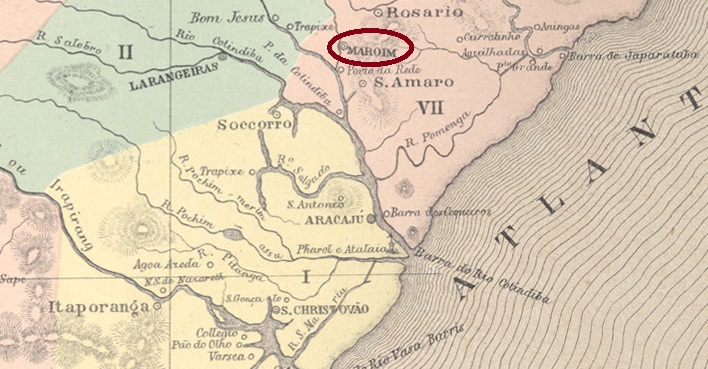
Since February 1835, the Vila de Santo Antonio do Maroim had existed on the eastern bank of the Ganhamoroba, 30 kilometres north of what would later become the provincial capital of Aracaju. The settlement grew out of a large estate with sugar cane plantations and processing facilities, the Engenho de Maruim de Baixo. In January 1837, the Freguesia de Senhor Bom Jesus dos Passos de Maruim was also established, which has had city status since May 1854.
Nova Monteiro writes in Administrações e Agencias Postaes do Brasil Imperio (Brasil Filatelico/RJ, 1934–1935; reprinted by SPP 1994–1999) that there has been a post office there since December 1844. However, the directory of imperial post offices (Tabella das Agencias do Correio do Imperio, Rio de Janeiro, 1885) mentions the year 1848, which is more likely to correspond to an agent nomination, as the agency was still mentioned in the regional press in December 1847.
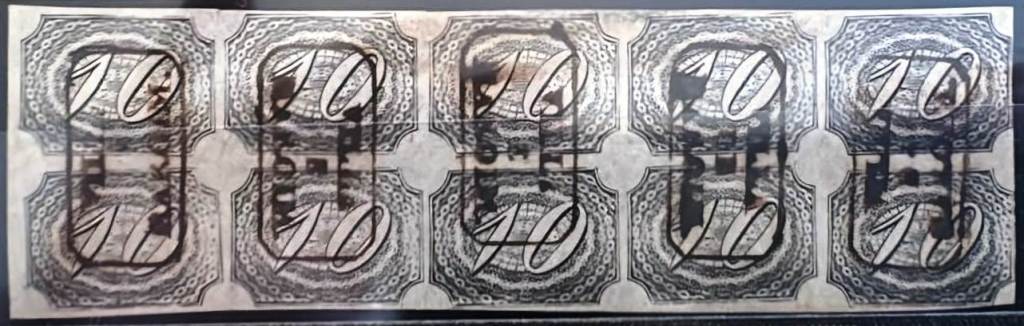
The oldest postmark to date is the attractive MSE-0115a, shown here in a beautiful example (illustration by Marcio Duarte):
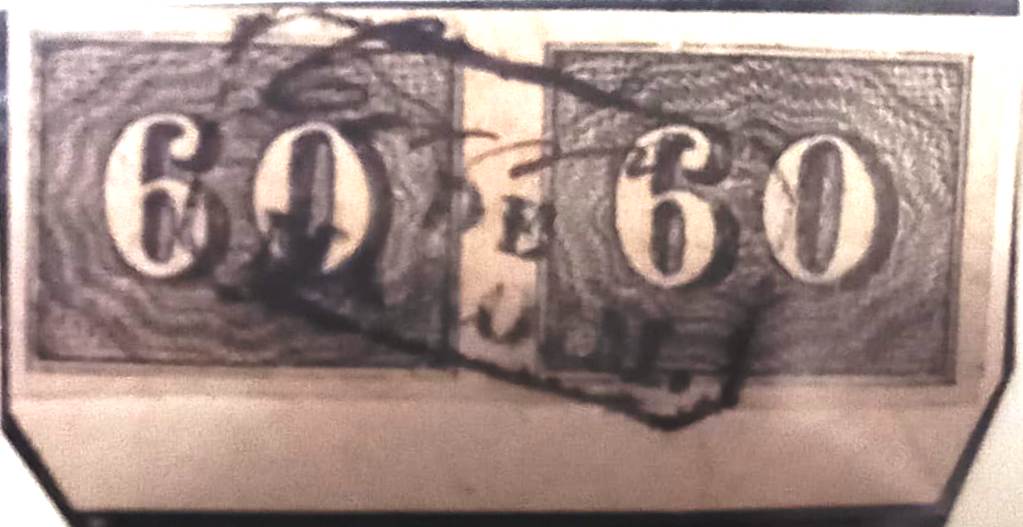
After the town was elevated to city status, the agent sought to have the word VILLA removed from the cancel, as shown in the illustration (Collection Fuad Ferreira Fo.):
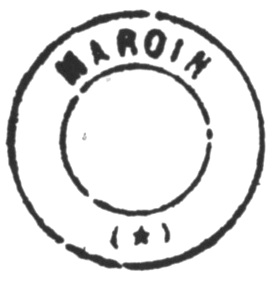
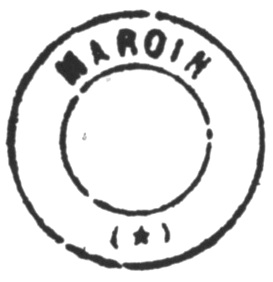
This was followed by the French type MSE-0115b, shown here in an illustration from Cicero A. Almeida’s Carimbos Postais – Século XIX (Rio de Janeiro, 1989). Note the spelling ‘MAROIN’:
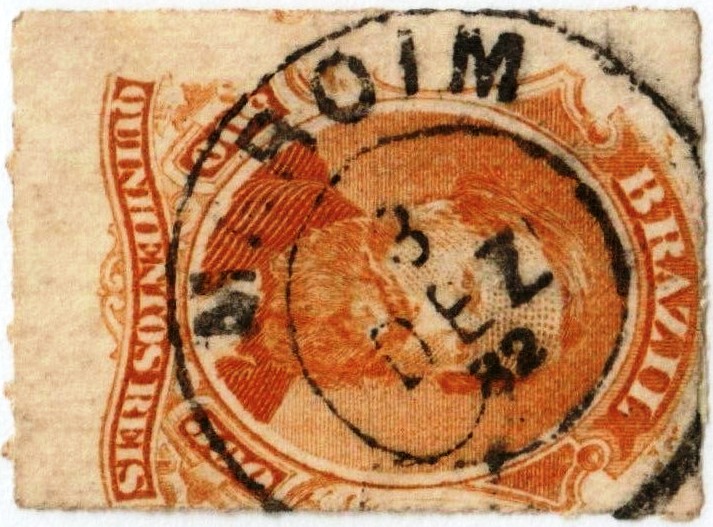
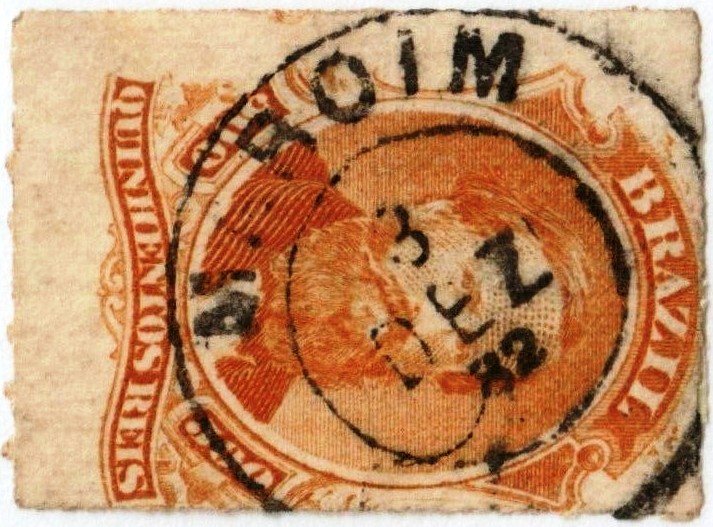
This was followed by the double circle MSE-0115c (illustration from the Internet):
Textaktualisierung am 1. August 2025
Maruí oder Maruim ist der Name der Bartmücke (Culicoides sonorensis) auf Tupi. Es handelt sich um einen kleinen, blutsaugenden Vertreter der Familie Ceratopogonidae, der in ganz Brasilien durch seinen mit starkem Juckreiz einhergehenden Stich gefürchtet wird.
Seit Februar 1835 bestand die Vila de Santo Antonio do Maroim am Ostufer des Ganhamoroba, 30 Kilometer nördlich der späteren Provinzhauptstadt Aracaju. Die Siedlung entstand aus einem Großgrundbesitz mit Zuckerrohrplantage und -verarbeitung, dem Engenho de Maruim de Baixo. Im Januar 1837 wurde auch die Freguesia de Senhor Bom Jesus dos Passos de Maruim ins Leben gerufen, die seit Mai 1854 Stadtstatus hat.
Nova Monteiro schreibt in Administrações e Agencias Postaes do Brasil Imperio (Brasil Filatelico/RJ, 1934–1935; Nachdruck SPP 1994–1999), dass es dort seit Dezember 1844 ein Postamt gab. Im Verzeichnis der kaiserlichen Postämter (Tabella das Agencias do Correio do Imperio, Rio de Janeiro, 1885) wird hingegen das Jahr 1848 genannt, was jedoch eher einer Agentennominierung entsprechen dürfte, da die Agentur noch im Dezember 1847 in der regionalen Presse erwähnt wurde.
Der bisher älteste Poststempel ist der ansprechende MSE-0115a, hier in einem wunderschönen Beispiel (Abb. Marcio Duarte):
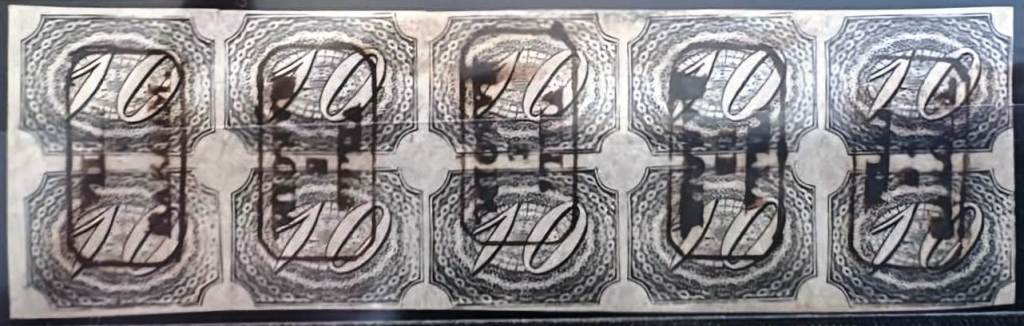
Nach der Erhebung zur Stadt bemühte sich der Agent um das Verschwinden des Wortes VILLA aus dem Stempel, wie die Abbildung (Samml. Fuad Ferreira Fo.) zeigt:

Es folgte der französische Typ MSE-0115b, hier in einer Abbildung aus Cicero A. Almeidas Carimbos Postais – Século XIX (Rio de Janeiro, 1989). Man beachte die Schreibweise „MAROIN”:
Danach kam der Doppelkreis MSE-0115c (Abb. aus dem Internet):

 Carimbologia