Other spellings: Mogy Merim, Mogi Mirim
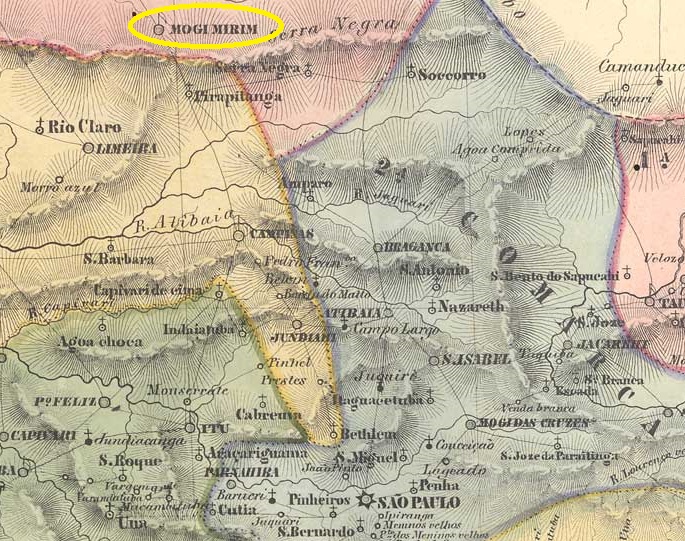
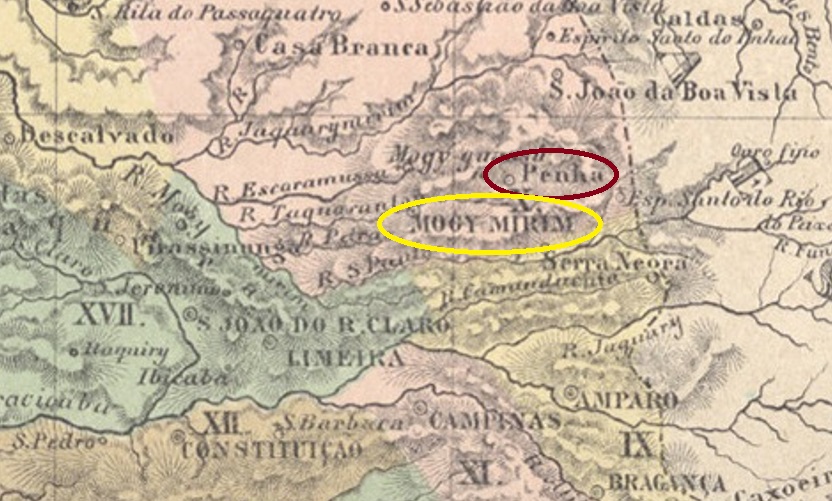
Of the three localities in the imperial province of São Paulo that bore the name Mogy, this was the largest and had the most postmarks. The Freguesia de S. José de Mogy Mirim, which had been in existence since November 1751, belonged to the Vila de Jundiaí and was located 150 kilometres north of the capital São Paulo. In October 1769, it was elevated to the status of a vila and in April 1849 to that of a city.
Three different dates have been found for the establishment of the local post office. Nova Monteiro writes in Administrações e Agencias Postaes do Brasil Imperio (Brasil Filatelico/RJ, 1934–35; reprinted by SPP 1994–99) that it was founded in August 1828. A preliminary announcement in the regional press supports this date.

However, the directory of imperial post offices (Tabella das Agencias do Correio do Imperio, Rio de Janeiro) gives the year 1844, which could mean either a reopening or the transfer of the post office to the administration of Rio de Janeiro. Finally, R. Koester mentions the year 1848 in Carimbologia XXVII, but without citing a source.
The oldest postmark to date is the pre-philatelic MSP-0820a, which also appears in sepia and is listed in the RHM catalogue under P-SP-22.

This was followed by MSP-0820b, also available in red, with a change in the place name, and listed in the RHM catalogue (now under P-SP-23):

This was followed by MSP-0820c, which is available in both sepia and red, listed in the RHM under P-SP-24:
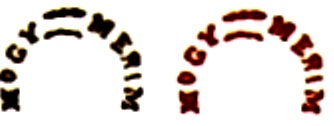
The last prephilatelistic cancel is MSP-0820d, which also exists in red and brown, was given the number 1155 in P. Ayres’ Catálogo de Carimbos Brasil-Império (S. Paulo, 1937, 1942) and was also recorded in the RHM:

At around the same time, a special type of postmark also appeared, MSP-0820e (Fig. RHM):

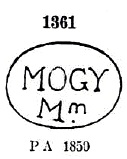
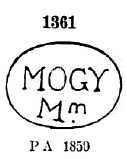
Paulo Ayres (op. cit.) shows MSP-0820f, which appeared in the 1850s, with the number 1361:
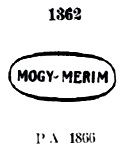
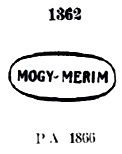
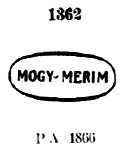
About 10 years later, the oval successor MSP-0820g appeared, also shown in P. Ayres (No. 1362):
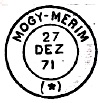
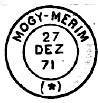
Shortly afterwards, the French type MSP-0820h (P.A. p. 117) came into use:
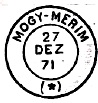
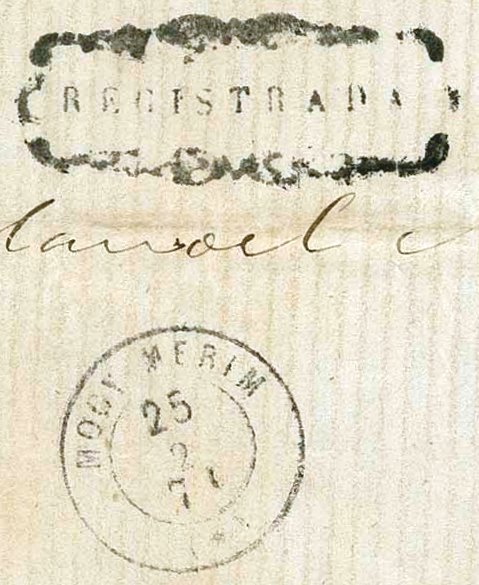
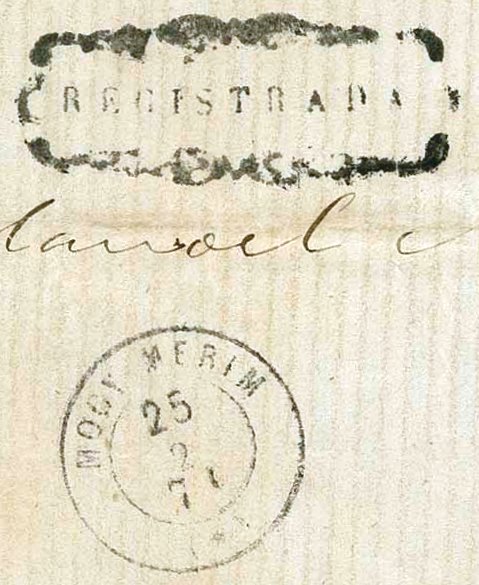
Around this time, the registration cancel MSP-0820i (Fig. Corinphila Auctions) was also used:
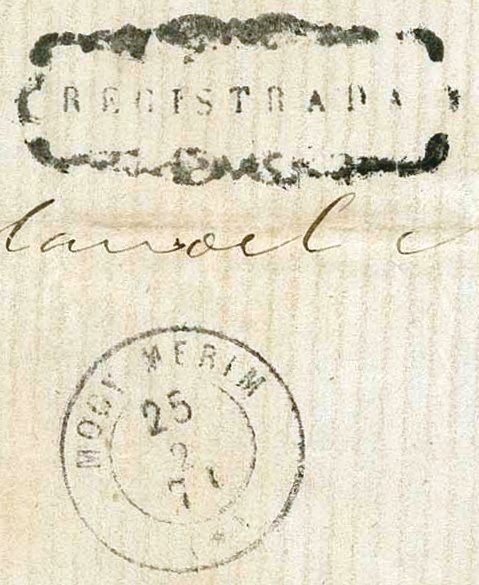
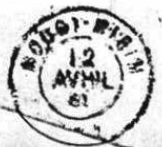
Subsequently, we find a second postmark of the French type, this time with a changed place name, MSP-0820j (Fig. Koester, op. cit.):
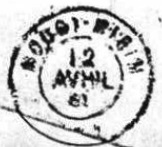
P. Ayres showed the following double circle MSP-0820k:
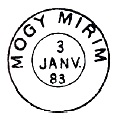
At the end of the imperial era, MSP-0820l also appears (illustration from the Internet):

Around this time, the railway mail wagon postmark MSP-0821a (illustration Koester) also appears:

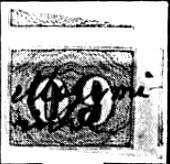
Koester also showed a handwritten cancellation from 1866:
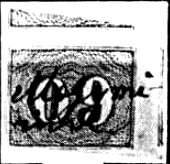
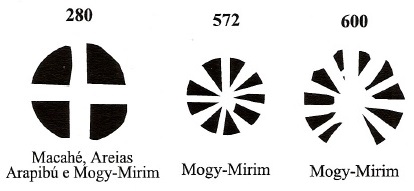
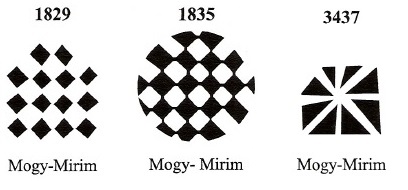
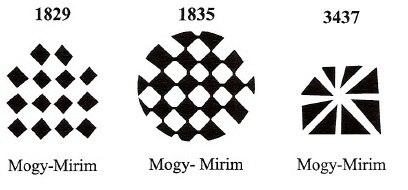
Finally, there are also some silent cancels from Mogy-Mirim, which were recorded by James Dingler and Klerman W. Lopes in Mute Cancellations of the Brazil Empire / Carimbos Mudos do Brasil Império (Brazil Philatelic Association, Rio de Janeiro, 2000):
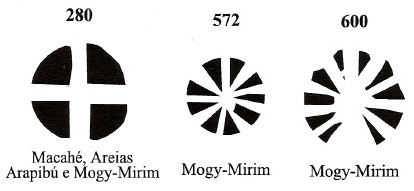
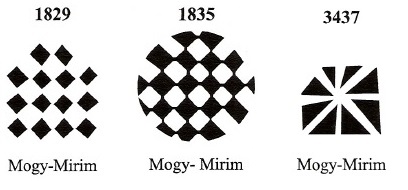

Outras grafias: Mogy Merim, Mogi Mirim
Das três localidades da província imperial de São Paulo que levavam o nome Mogy, esta era a maior e tinha o maior número de carimbos postais. A Freguesia de S. José de Mogy Mirim, fundada em novembro de 1751, pertencia à Vila de Jundiaí e ficava a 150 quilômetros ao norte da capital São Paulo. Em outubro de 1769, foi elevada a vila e, em abril de 1849, a cidade.
Foram encontradas três datas diferentes para a criação da agência postal local. Nova Monteiro escreve em Administrações e Agencias Postaes do Brasil Imperio (Brasil Filatelico/RJ, 1934–35; reimpressão SPP 1994–99) que ela foi fundada em agosto de 1828. Um anúncio prévio na imprensa regional corrobora essa data.

Na Tabella das Agencias do Correio do Império (Rio de Janeiro, 1885), por outro lado, é indicado o ano de 1844, o que pode significar uma reabertura ou a incorporação da agência postal à administração do Rio de Janeiro. Finalmente, R. Koester menciona em Carimbologia XXVII o ano de 1848, porém sem indicar a fonte.
O carimbo postal mais antigo até agora é o pré-filatélico MSP-0820a, que também existe em sépia e está listado no catálogo RHM sob P-SP-22.

Seguiu-se o MSP-0820b, também existente em vermelho, com uma alteração no nome do local, e também presente no catálogo RHM (agora sob P-SP-23):

Depois veio o MSP-0820c, que existe tanto em sépia quanto em vermelho, listado no RHM sob P-SP-24:
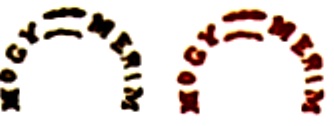
O último carimbo pré-filatélico é o MSP-0820d, que também ocorre em vermelho e marrom, recebeu o número 1155 por P. Ayres (Catálogo de Carimbos Brasil-Império, São Paulo, 1937, 1942) e também foi registrado no RHM:

Mais ou menos na mesma época, aparece também um carimbo postal especial, o MSP-0820e (fig. RHM):

Paulo Ayres (op. cit.) mostra sob nº 1361 o MSP-0820f, que apareceu na década de 1850:

Cerca de 10 anos depois, surgiu o sucessor oval MSP-0820g, também encontrado em P. Ayres (n.º 1362):
Pouco depois, passou a ser utilizado o tipo francês MSP-0820h (P.A. p. 117):
Nessa época, também foi utilizado o carimbo de registrados MSP-0820i (fig. Corinphila):
Em seguida, encontramos um segundo carimbo postal do tipo francês, desta vez com o nome da localidade alterado, MSP-0820j (fig. Koester, op. cit.):
P. Ayres mostrou o seguinte círculo duplo MSP-0820k:
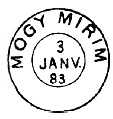
No final do Império, aparece também o MSP-0820l (fig. da Internet):
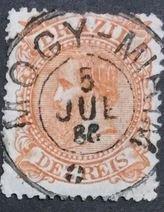
Nessa época, também aparece o carimbo ferroviário MSP-0821a (fig. Koester):

Koester também mostrou uma obliteração manuscrita de 1866:
Por fim, alguns carimbos mudos também são originários de Mogy-Mirim, registrados por James Dingler e Klerman W. Lopes em Mute Cancellations of the Brazil Empire / Carimbos Mudos do Brasil Império (Clube Filatélico do Brasil, Rio de Janeiro, 2000):
Andere Schreibweisen: Mogy Merim, Mogi Mirim
Von den drei Ortschaften in der kaiserlichen Provinz São Paulo, die den Namen Mogy trugen, war diese die größte und hatte die meisten Poststempel. Die seit November 1751 überlieferte Freguesia de S. José de Mogy Mirim gehörte zur Vila de Jundiaí und lag 150 Kilometer nördlich der Hauptstadt São Paulo. Im Oktober 1769 wurde sie zur Vila und im April 1849 zur Stadt erhoben.
Es wurden drei verschiedene Jahresangaben für die Entstehung des örtlichen Postamts gefunden. Nova Monteiro schreibt in Administrações e Agencias Postaes do Brasil Imperio (Brasil Filatelico/RJ, 1934–35; Nachdruck SPP 1994–99), dass es im August 1828 gegründet wurde. Eine Vorankündigung in der regionalen Presse unterstützt dieses Datum.

Im Verzeichnis der kaiserlichen Postämter (Tabella das Agencias do Correio do Imperio, Rio de Janeiro) wird hingegen das Jahr 1844 angegeben, was entweder eine Wiedereröffnung oder die Übernahme des Postamts in die Verwaltung von Rio de Janeiro bedeuten kann. Schließlich nennt R. Koester in Carimbologia XXVII das Jahr 1848, allerdings ohne Quellenangabe.
Der bisher älteste Poststempel ist der vorphilatelistische MSP-0820a, der auch in Sepia vorkommt und im RHM-Katalog unter P-SP-22 aufgeführt wird.

Es folgte der MSP-0820b, auch in Rot vorkommend, mit einer Änderung des Ortsnamens, und ebenfalls im RHM-Katalog (nun unter P-SP-23) zu sehen:

Danach kam MSP-0820c, den es sowohl in Sepia als auch in Rot gibt, im RHM unter P-SP-24 aufgeführt:
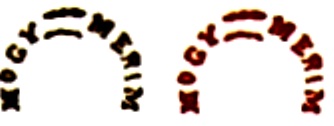
Der letzte Vorphila-Stempel ist MSP-0820d, er existiert auch in Rot und Braun, bekam die Nr. 1155 in P. Ayres’ Catálogo de Carimbos Brasil-Império (S. Paulo, 1937, 1942) und wurde auch im RHM erfasst:

Etwa zur gleichen Zeit erscheint auch ein Poststempel der besonderer Art, MSP-0820e (Abb. RHM):

Paulo Ayres (op. cit.) zeigt mit Nr. 1361 den in den 50er Jahren vorkommenden MSP-0820f:
Etwa 10 Jahre später kam der ovale Nachfolger MSP-0820g, auch in P. Ayres (Nr. 1362) zu sehen:
Kurz darauf kam der französische Typ MSP-0820h (P.A. S. 117) zu Gebrauch:
Um diese Zeit wurde auch der Einschreibestempel MSP-0820i (Abb. Corinphila Auktionen) verwendet:
Anschließend finden wir einen zweiten Poststempel französischen Typs, diesmal mit verändertem Ortsnamen, MSP-0820j (Abb. Koester, op. cit.):
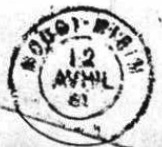
P. Ayres zeigte den folgenden Doppelkreis MSP-0820k:
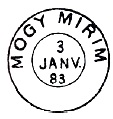
Am Ende der Kaiserzeit erscheint auch MSP-0820l (Abb. aus dem Internet):
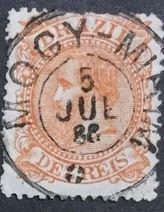
Um diese Zeit findet sich auch der Eisenbahn-Postwagonstempel MSP-0821a (Abb. Koester):

Koester zeigte auch eine handschriftliche Entwertung aus 1866:
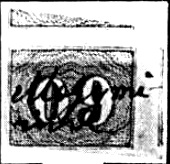
Schließlich stammen auch einige stumme Stempel aus Mogy-Mirim, die von James Dingler und Klerman W. Lopes in Mute Cancellations of the Brazil Empire / Carimbos Mudos do Brasil Império (Brazil Philatelic Association, Rio de Janeiro, 2000) erfasst wurden:
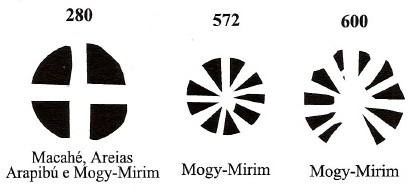

 Carimbologia