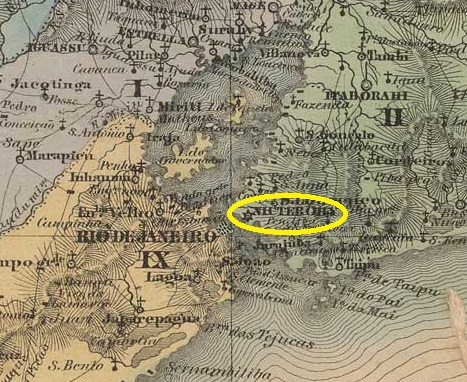
Other names: Vila Real da Praia Grande, Niterói
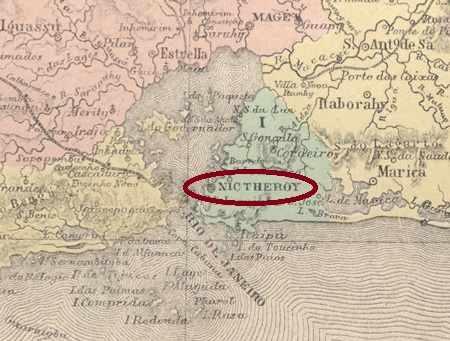
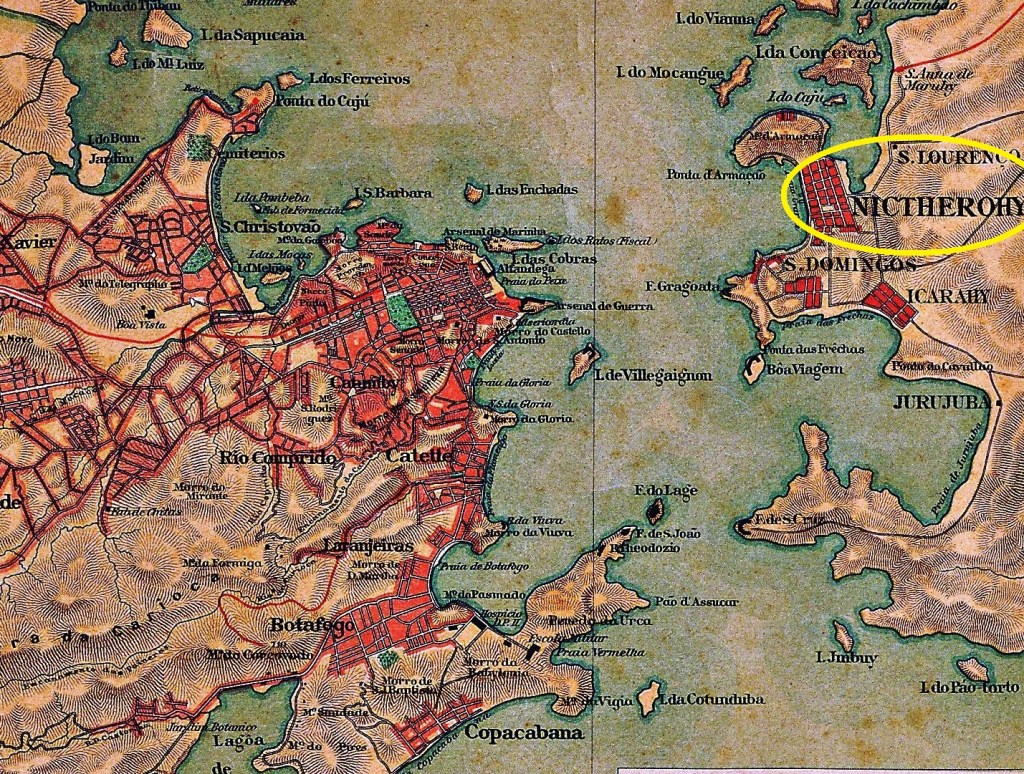
The Freguesia da Praia Grande existed since 1696, belonged to the city of Rio de Janeiro and was located on the eastern side of Guanabara Bay, 20 kilometres east of the capital. In May 1819, it became Vila Real da Praia Grande (Royal Town on the Long Beach) and in March 1835, it became the city of Niterói, which became the capital of the province of Rio de Janeiro.
According to Nova Monteiro in Administrações e Agencias Postaes do Brasil Imperio (Brasil Filatelico/RJ, 1934–1935; reprinted by SPP 1994–1999), there had been a post office there since April 1829.
The first postmark, PRJ-1315a, still bore the place name Praia Grande and was recorded in the RHM catalogue under P-RJ-27.

This was followed by the first postmark with Nictheroy, NRJ-1110a, which was given the number 1371 in P. Ayres’ ‘Catálogo de Carimbos Brasil-Império’ (São Paulo, 1937, 1942).
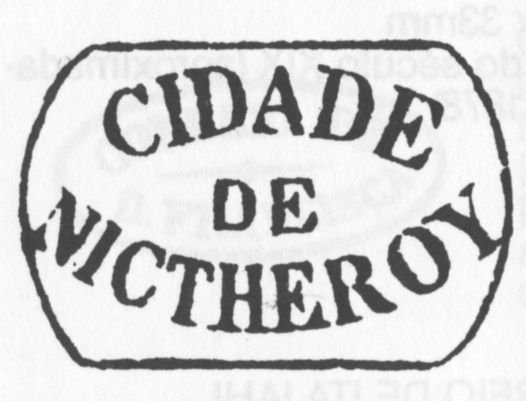
This was followed by two postmarks that are very similar. NRJ-1110b (also available in sepia) and NRJ-1110c, which was given the number 1170 by P. Ayres (op. cit.).
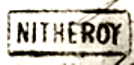
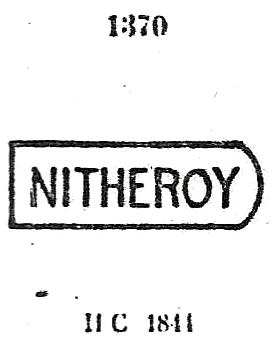
This was followed by NRJ-1110d (P.A. 1369) with an unusual spelling of the place name.
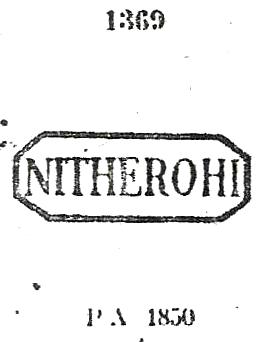
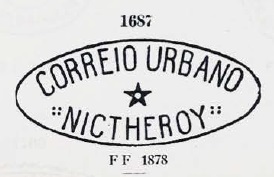
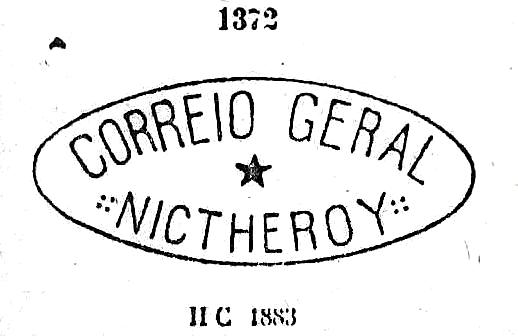
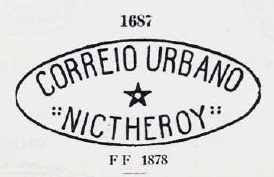
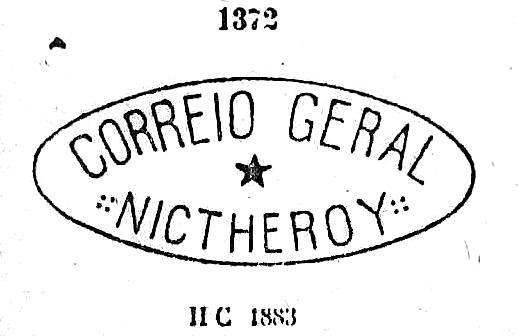
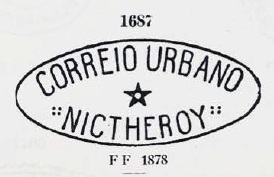
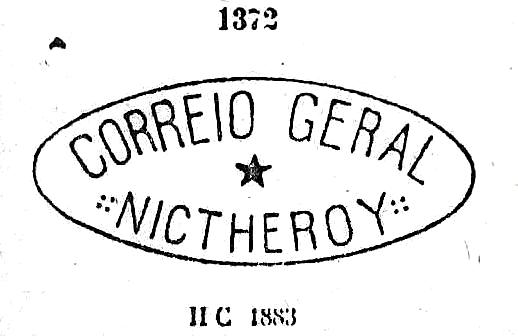
The next two postmarks, NRJ-1110e (P.A. 1687) and NRJ-1110f (P.A. 1372), have an oval frame.
The French type NRJ-1110g (fig. agenciaspostais.com.br) appeared earlier.
This was followed by several circular postmarks, starting with NRJ-1110h and NRJ-1110i (Fig. agenciaspostais.com.br).

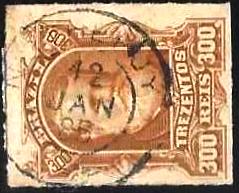
These were followed by NRJ-1110j (Fig. agenciaspostais.com.br) and NRJ-1110k (Fig. R. Koester in Carimbologia XXVIII).
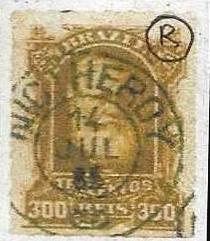
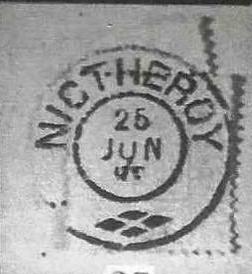
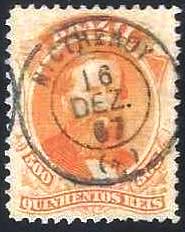
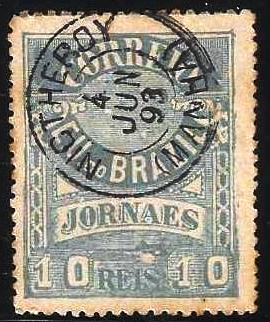
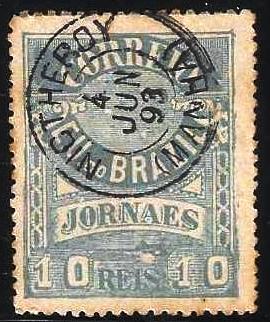
At the end of the empire, the large-format circular postmarks NRJ-1110l and NRJ-1110m (Fig. agenciaspostais.com.br) finally appeared, which are often found on newspaper stamps.
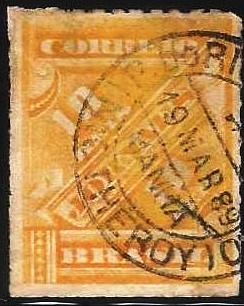
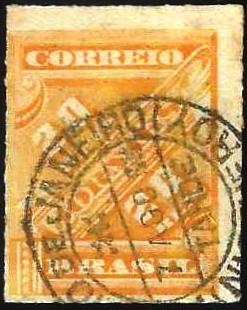
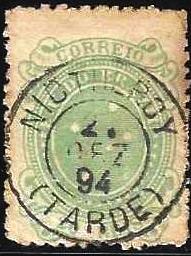
In addition, the last imperial circular postmarks NRJ-1110n and NRJ-1110o (Fig. agenciaspostais.com.br) were found:
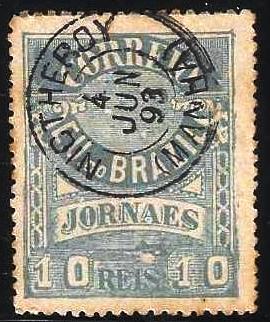
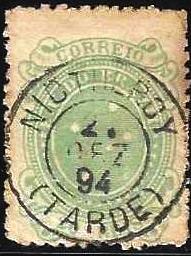
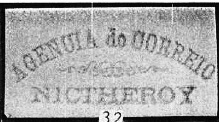
R. Koester (op. cit.) also shows the rare NRJ-1110p:
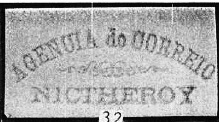
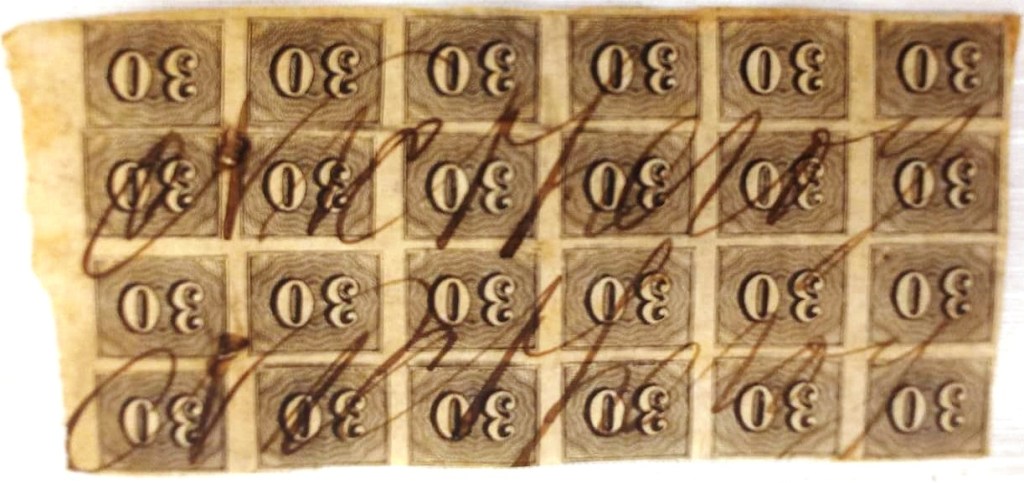
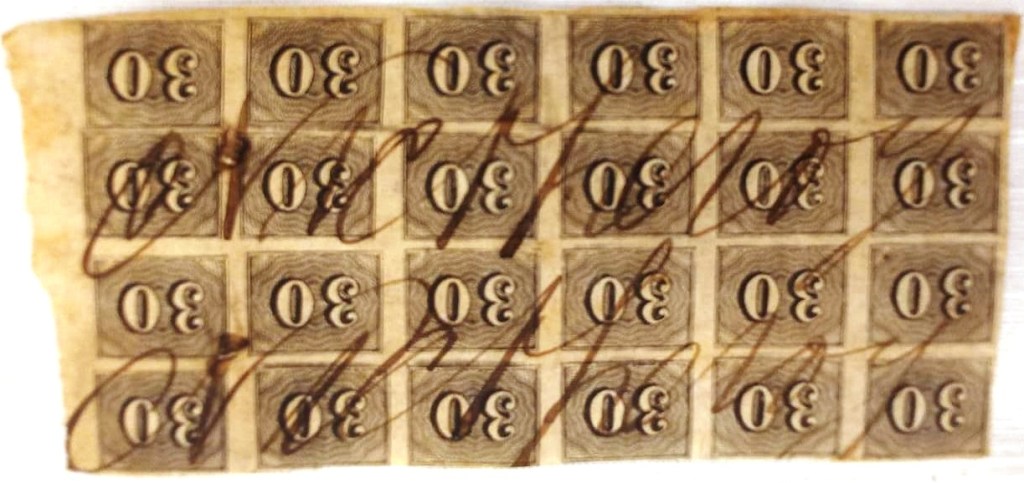
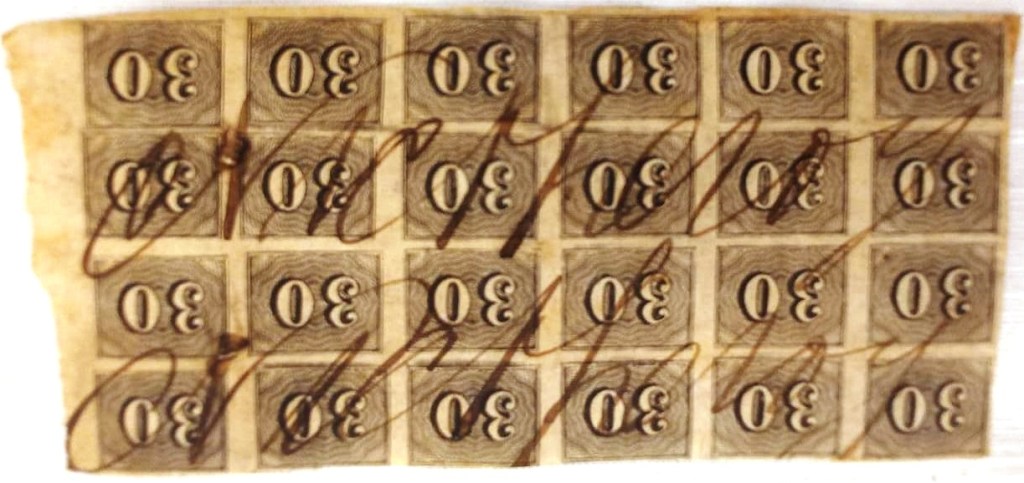
Handwritten cancellations on larger units are also known from Niterói.

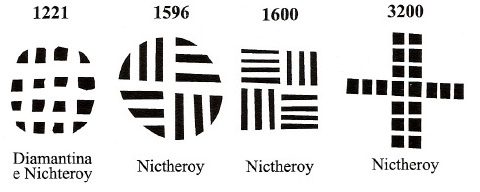
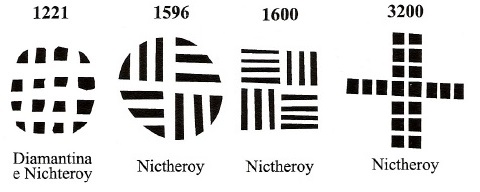
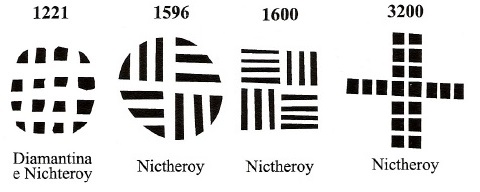
James Dingler and Klerman W. Lopes list four mute postmarks from Niterói in ‘Mute Cancellations of the Brazil Empire/Carimbos Mudos do Brasil Império’ (Brazil Philatelic Association, Rio de Janeiro, 2000):
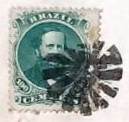
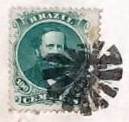
Philatelist José L. Fevereiro also showed a mute postmark from Niterói.
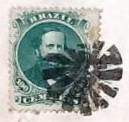
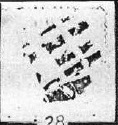
R. Koester (op. cit.) presented another mute postmark.

Outros nomes: Vila Real da Praia Grande, Niterói
A Freguesia da Praia Grande existia desde 1696, pertencia à cidade do Rio de Janeiro e ficava na entrada leste da Baía de Guanabara, 20 quilômetros a leste da capital. Em maio de 1819, tornou-se Vila Real da Praia Grande e, em março de 1835, a cidade de Niterói, que se tornou a capital da província do Rio de Janeiro.
De acordo com Nova Monteiro, em Administrações e Agências Postais do Brasil Império (Brasil Filatélico/RJ, 1934–1935; reimpressão SPP 1994–1999), havia uma agência dos correios no local desde abril de 1829.
O primeiro carimbo postal PRJ-1315a ainda trazia o topônimo Praia Grande e foi registrado no catálogo RHM sob P-RJ-27.

Seguiu-se o primeiro carimbo postal com Nictheroy, NRJ-1110a, que recebeu o número 1371 no “Catálogo de Carimbos Brasil-Império” (São Paulo, 1937, 1942) de P. Ayres.
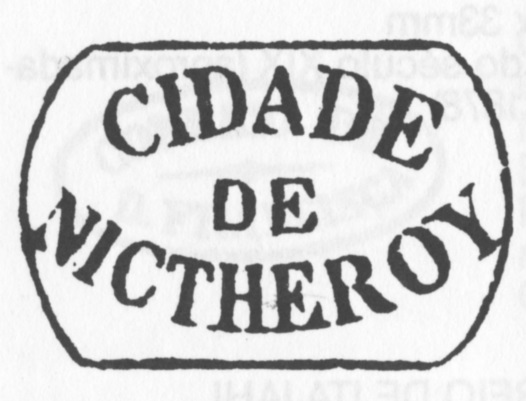
Em seguida, vieram dois carimbos postais muito semelhantes. NRJ-1110b (que também existe em sépia) e NRJ-1110c, que recebeu o número 1170 de P. Ayres (op. cit.).
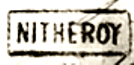
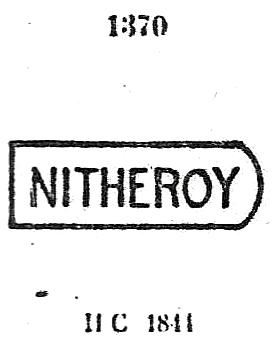
Em seguida, veio o NRJ-1110d (P.A. 1369) com uma grafia incomum do topônimo.
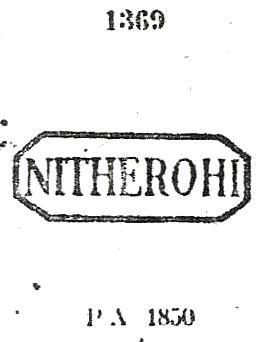
Os dois carimbos postais seguintes, NRJ-1110e (P.A. 1687) e NRJ-1110f (P.A. 1372), têm uma moldura oval.
Anteriormente, apareceu o tipo francês NRJ-1110g (fig. agenciaspostais.com.br).
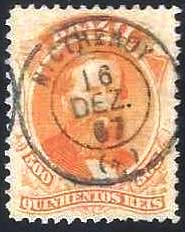
Seguiram-se vários carimbos circulares, começando com NRJ-1110h e NRJ-1110i (fig. agenciaspostais.com.br).

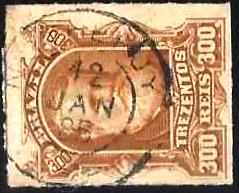
Depois vieram o NRJ-1110j (fig. agenciaspostais.com.br) e o NRJ-1110k (fig. R. Koester em Carimbologia XXVIII).
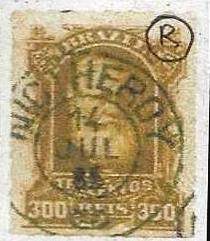
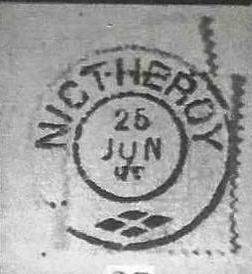
No final do Império, surgiram finalmente os carimbos circulares em formato maior NRJ-1110l e NRJ-1110m (fig. agenciaspostais.com.br), que se encontram frequentemente em selos para jornais.
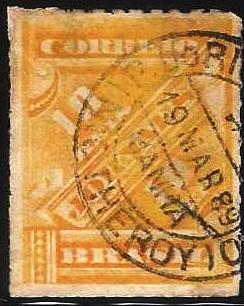
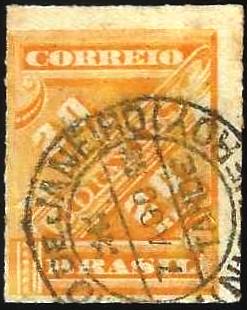
Além disso, foram encontrados os últimos carimbos imperiais circulares NRJ-1110n e NRJ-1110o (fig. agenciaspostais.com.br):
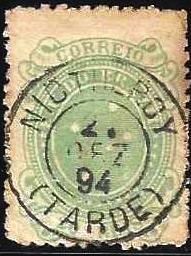
R. Koester (op. cit.) também mostra o raro NRJ-1110p:
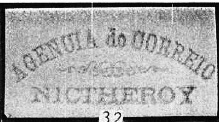
De Niterói também são conhecidas obliterações manuscritas em múltiplos.

James Dingler e Klerman W. Lopes apresentam em “Mute Cancellations of the Brazil Empire / Carimbos Mudos do Brasil Império” (Clube Filatélico do Brasil, Rio de Janeiro, 2000), quatro carimbos mudos de lá:
O filatelista José L. Fevereiro também apresentou um carimbo mudo de Niterói.
R. Koester (op. cit.) apresentou outro carimbo mudo.
Andere Namen: Vila Real da Praia Grande, Niterói
Die Freguesia da Praia Grande bestand seit 1696, gehörte zur Stadt Rio de Janeiro und lag an der Ostseite der Guanabara-Bucht, 20 Kilometer östlich der Hauptstadt. Im Mai 1819 wurde sie zur Vila Real da Praia Grande (Königliche Vila am Langen Strand) und im März 1835 zur Stadt Niterói, die die Hauptstadt der Provinz Rio de Janeiro wurde.
Laut Nova Monteiro in Administrações e Agencias Postaes do Brasil Imperio (Brasil Filatelico/RJ, 1934–1935; Nachdruck SPP 1994–1999) gab es dort seit April 1829 ein Postamt.
Der erste Poststempel PRJ-1315a trug noch den Ortsnamen Praia Grande und wurde im RHM-Katalog unter P-RJ-27 erfasst.

Es folgte der erste Poststempel mit Nictheroy, NRJ-1110a, der im „Catálogo de Carimbos Brasil-Império” (São Paulo, 1937, 1942) von P. Ayres die Nr. 1371 erhielt.
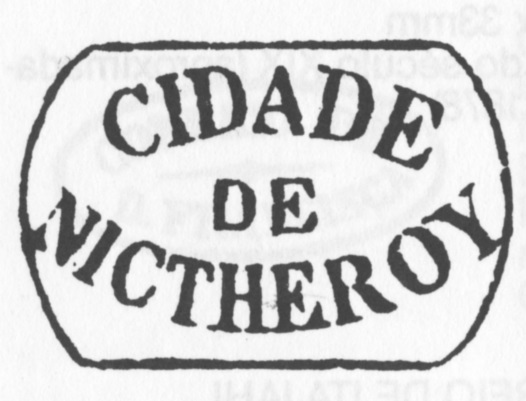
Danach kamen zwei Poststempel, die sich sehr ähneln. NRJ-1110b (den es auch in Sepia gibt) und NRJ-1110c, der von P. Ayres (op. cit.) die Nr. 1170 erhielt.
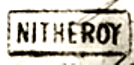
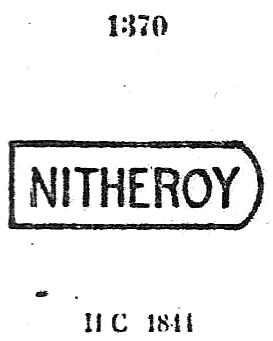
Anschließend kam NRJ-1110d (P.A. 1369) mit einer ungewöhnlichen Schreibweise des Ortsnamens.
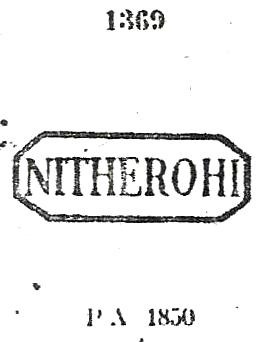
Die beiden nächsten Poststempel, NRJ-1110e (P.A. 1687) und NRJ-1110f (P.A. 1372), haben einen ovalen Rahmen.
Zuvor erschien der französische Typ NRJ-1110g (Abb. agenciaspostais.com.br).
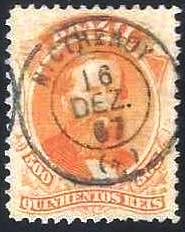
Es folgten mehrere Kreisstempel, beginnend mit NRJ-1110h und NRJ-1110i (Abb. agenciaspostais.com.br).

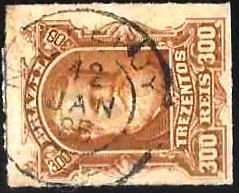
Danach kamen NRJ-1110j (Abb. agenciaspostais.com.br) und NRJ-1110k (Abb. R. Koester in Carimbologia XXVIII).
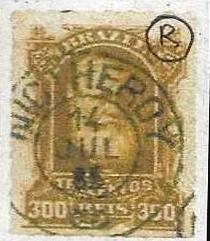
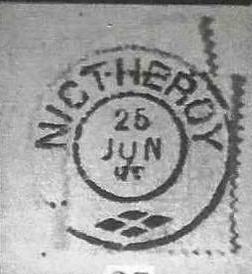
Am Ende des Kaiserreichs erschienen schließlich die Kreisstempel im Großformat NRJ-1110l und NRJ-1110m (Abb. agenciaspostais.com.br), die häufig auf Zeitungsmarken zu finden sind.
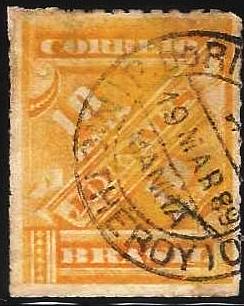
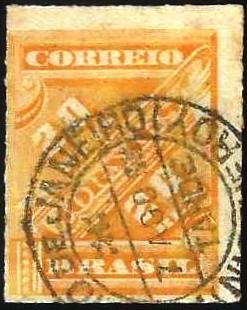
Darüber hinaus fanden sich die letzten kaiserlichen Kreisstempel NRJ-1110n und NRJ-1110o (Abb. agenciaspostais.com.br):
R. Koester (op. cit.) zeigt auch den seltenen NRJ-1110p:
Aus Niterói sind auch handschriftliche Entwertungen auf größeren Einheiten bekannt.

James Dingler und Klerman W. Lopes haben in „Mute Cancellations of the Brazil Empire/Carimbos Mudos do Brasil Império” (Brazil Philatelic Association, Rio de Janeiro, 2000) vier stumme Poststempel von dort aufgeführt:
Auch der Philatelist José L. Fevereiro zeigte einen stummen Stempel aus Niterói.
Einen weiteren stummen Stempel hatte R. Koester (op. cit.) vorgelegt.


 Carimbologia