Categories
Carimbologia C-D

Conceição do Rio Verde, Minas Gerais (CMG-0820)

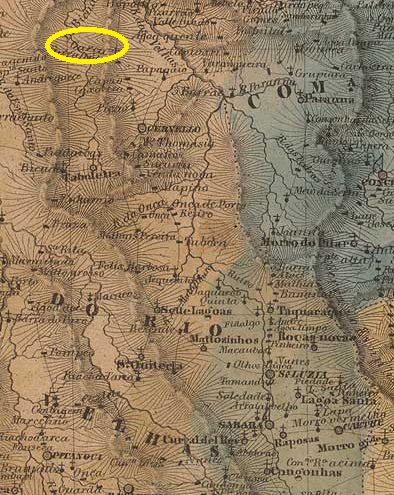
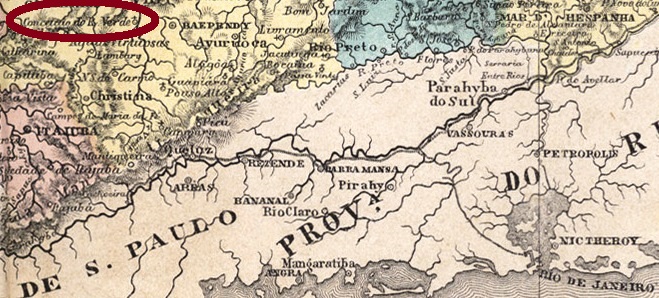
Atlas do Imperio do Brasil, 1868

See also Rio Verde (RMG-2165)

The District of Nossa Senhora da Conceição do Rio Verde was founded in March 1839 in the municipality of Baependy, over 400 km southwest of the ancient provincial capital Ouro Preto. In September 1901 it changed to the municipality of Aguas Virtuosas, and 10 years later it acquired the political autonomy as an own municipality.

According to R. Koester (Carimbologia XIII) and Paula Sobrinho (História Postal de Minas Gerais, Belo Horizonte, 1997), the post office was created in November 1878. The first officer was announced in the regional press one month later:
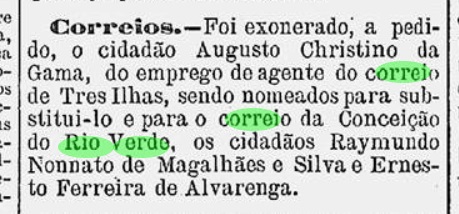
 A Actualidade, December 10, 1878

The second creation of the post office was decided in February 1882, as can be seen from the postal report (Relatorio Postal) from the end of 1886. As the former post office is not listed in the Imperial Postal Guide (Guia Postal do Imperio, Rio de Janeiro, 1880), it was probably closed by the end of 1879.

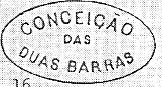
The oldest postmark to date is CMG-0820a (image from the Internet), of which only one example in blue colour is known:
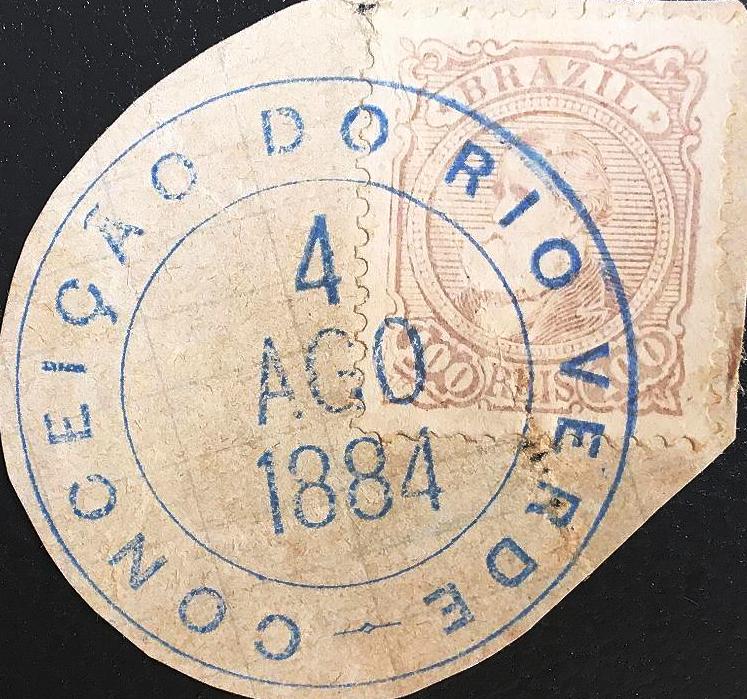
CMG-0820a (EB) 1884

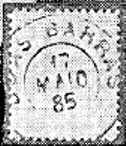
It was followed by the better-known CMG-0820b (illustration from the Internet), which also appears in blue and whose centre part shows some variants:
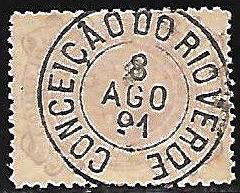
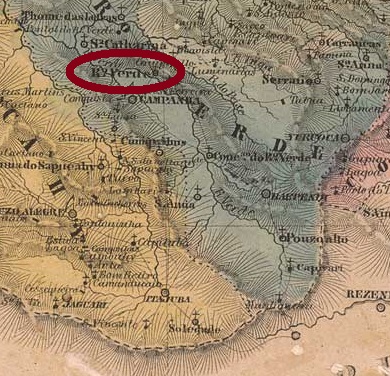
CMG-0820b (EB) 1886-1896
Villiers de l’Ile Adam: Carta (…) da Provincia de Minas Geraes, 1849

Siehe auch Rio Verde (RMG-2165)

Der Distrikt von Nossa Senhora da Conceição do Rio Verde wurde im März 1839 im Município von Baependy gegründet, über 400 km südwestlich der ehemaligen Provinzhauptstadt Ouro Preto entfernt. Im September 1901 wechselte er zum Município von Aguas Virtuosas, und 10 Jahre später erhielt er die Verwaltungsautonomie als eigenständiger Município.

Laut R. Koester (Carimbologia XIII) und Paula Sobrinho (História Postal de Minas Gerais, Belo Horizonte, 1997) entstand das Postamt im November 1878. Der erste Postangestellte wurde in der Regionalpresse im folgenden Monat angekündigt:
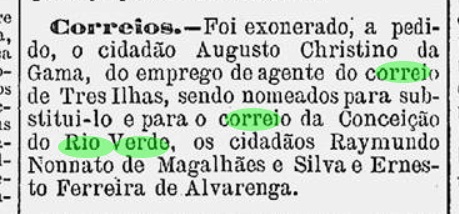
A Actualidade, 10. Dezember 1878

Die Eröffnung eines zweiten Postamtes wurde im Februar 1882 beschlossen, wie aus dem Postbericht (Relatorio Postal) von Ende 1886 hervorgeht. Da das frühere Postamt nicht im Kaiserlichen Postführer (Guia Postal do Imperio, Rio de Janeiro, 1880) aufgeführt ist, wurde es wahrscheinlich vor Ende 1879 geschlossen.

Der bisher älteste Poststempel ist CMG-0820a (Abbildung aus dem Internet), von dem nur ein Exemplar in blauer Farbe bekannt ist:
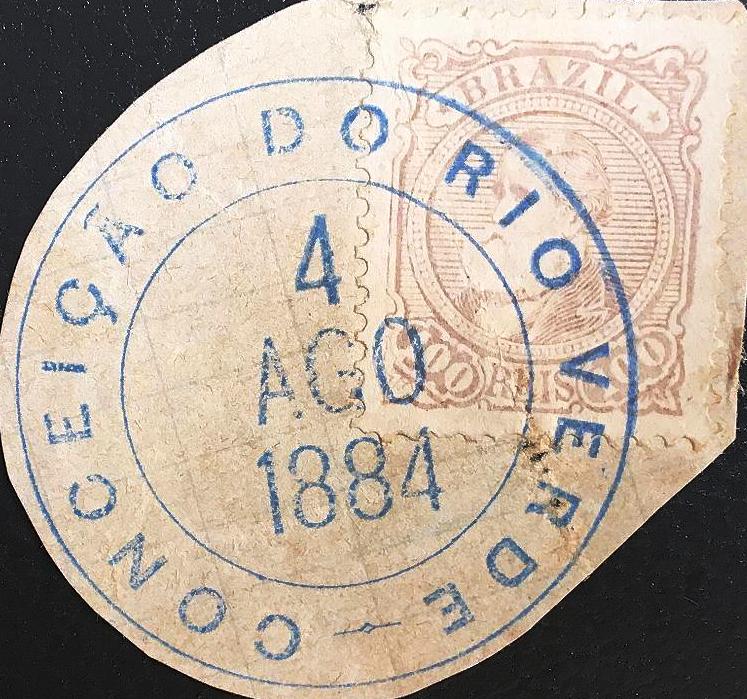
CMG-0820a (EB) 1884

Ihm folgte der bekanntere CMG-0820b (Abb. aus dem Internet), der ebenfalls in Blau erscheint und dessen Mittelteil einige Abweichungen aufweist:
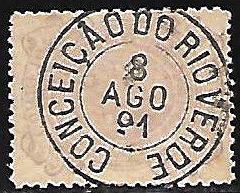
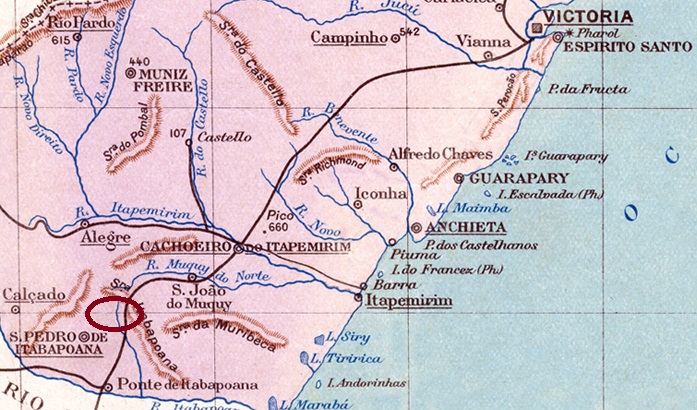
CMG-0820b (EB) 1886-1896
Categories
Carimbologia C-D

Conceição do Muqui, Espirito Santo (CES-0065)

Briguiet: Estado do Espirito Santo, 1923
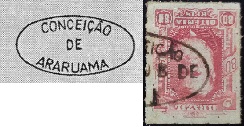
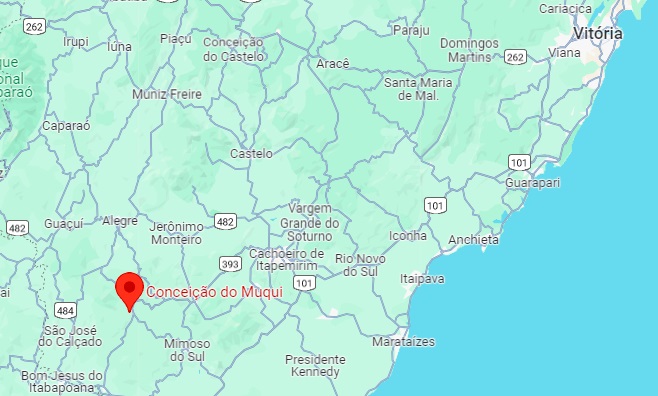
N. Sra. da Conceição do Muqui was a settlement of the Freguesia de S. Pedro do Itabapoana, which in turn belonged to the Vila de Cachoeiro do Itapemirim. The settlement was located on the west bank of the Muqui do Sul River, 200 kilometres southwest of the provincial capital Vitória, and became a freguesia in July 1887 when S. Pedro do Itabapoana was elevated to a vila. In June 1890 it became a distrito of the Município de Monjardin and since December 1943 has belonged to the Município de Mimoso do Sul.

As R. Koester writes in Carimbologia XIII, there has been a post office there since March 1885. The oldest postmark to date is CES-0065a and was also illustrated by R. Koester (Carimbologia XXVII):
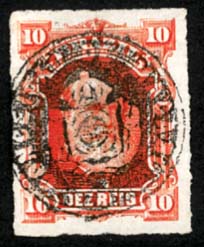
CES-0065a (RK) 1894
Google Maps

N. Sra. da Conceição do Muqui war eine Siedlung der Freguesia de S. Pedro do Itabapoana, die wiederum zur Vila de Cachoeiro do Itapemirim gehörte. Die Siedlung lag am Westufer des Flusses Muqui do Sul, 200 km südwestlich der Provinzhauptstadt Vitória, und wurde im Juli 1887 zur Freguesia, als S. Pedro do Itabapoana zur Vila erhoben wurde. Im Juni 1890 kam es als Distrito zum Município de Monjardin und gehört seit Dezember 1943 zum Município de Mimoso do Sul.

Wie R. Koester in Carimbologia XIII schreibt, gab es dort seit März 1885 ein Postamt. Der bisher älteste Poststempel ist CES-0065a und wurde ebenfalls von R. Koester (Carimbologia XXVII) abgebildet:

CES-0065a (RK) 1894
Categories
Carimbologia C-D

Conceição do Morro da Garça, Minas Gerais (CMG-0815)

Atlas do Imperio do Brasil, 1868

Other names: Imaculada Conceição do Morro da Garça

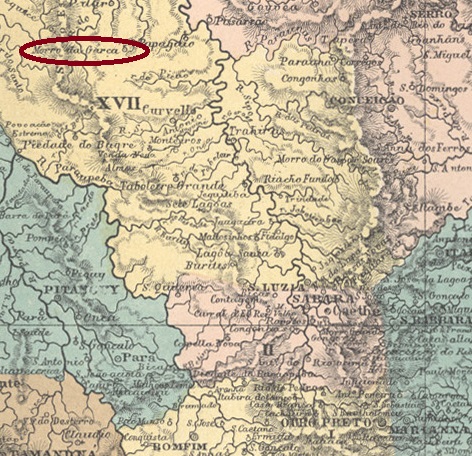
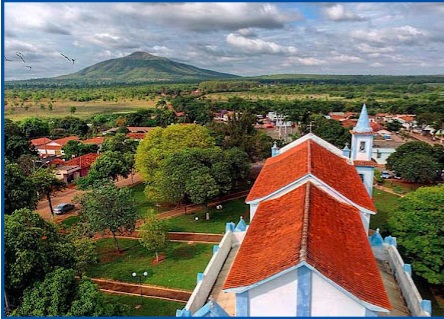
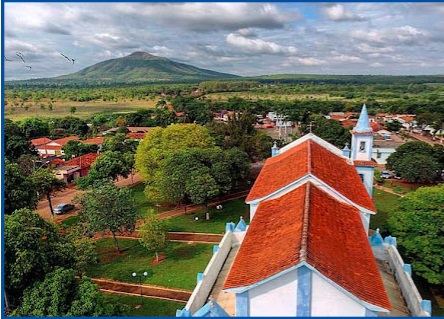
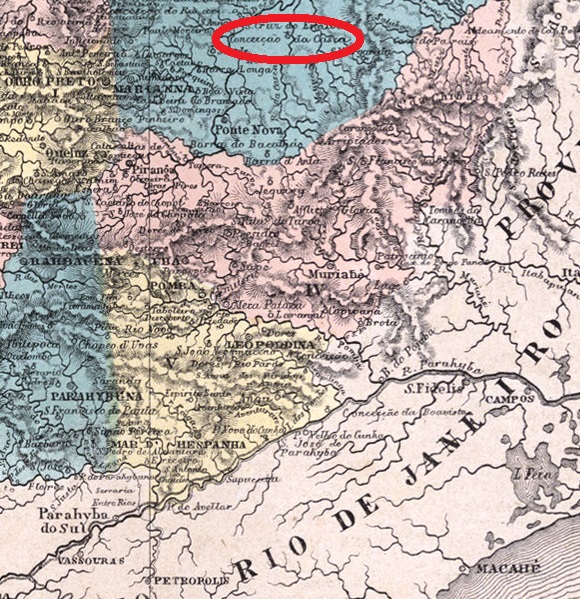
The chapel N. Sra. das Maravilhas do Morro da Garça was built as early as 1720. It belonged to the Vila de Curvelo and was located 300 kilometres north of the later provincial capital Ouro Preto. In January 1866 it became the Freguesia de Imaculada Conceição do Morro da Garça, and in December 1962 it was declared an autonomous município, now with the shortened place name Morro da Garça. The Morro da Garça (Heron Mountain) is a striking landmark of the city:

Photo: Thiago Lopes (Google Maps)

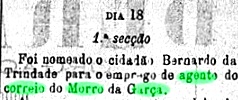
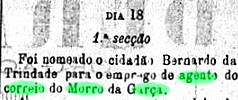
Two dates were found for the founding of the local post office that are so close to each other that they may belong together. Firstly in November 1883, as both Paula Sobrinho (História Postal de Minas Gerais, Belo Horizonte, 1997) and R. Koester (Carimbologia XIII) write. Then in April 1884, as can be seen from the postal report (Relatorio dos Correios) for 1887. As the agency is not listed in the Directory of Imperial Post Offices (Tabella das Agencias do Correio do Imperio, Rio de Janeiro, 1885), it can be assumed that it was not put into operation until later. In fact, a first postal agent was mentioned in the regional press in August 1885:

Liberal Mineiro, 28/08/1885

No imperial postmark from Conceição do Morro da Garça has yet been found.

Villiers de l’Ile Adam: Carta (…) da Provincia de Minas Gerais, 1849

Andere Namen: Imaculada Conceição do Morro da Garça

Die Kapelle N. Sra. das Maravilhas do Morro da Garça wurde bereits 1720 erbaut. Sie gehörte zur Vila de Curvelo und lag 300 km nördlich der späteren Provinzhauptstadt Ouro Preto. Im Januar 1866 wurde es zur Freguesia de Imaculada Conceição do Morro da Garça, und im Dezember 1962 wurde es zum autonomen Município ernannt, nun unter dem verkürzten Ortsnamen Morro da Garça. Der Morro da Garça (Reiherberg) ist ein markantes Wahrzeichen der Stadt:

Foto: Thiago Lopes (Google Maps)

Für die Gründung des örtlichen Postamtes wurden zwei Daten gefunden, die so nahe beieinander liegen, dass sie möglicherweise zusammengehören. Zuerst im November 1883, wie sowohl Paula Sobrinho (História Postal de Minas Gerais, Belo Horizonte, 1997) als auch R. Koester (Carimbologia XIII) schreiben. Dann im April 1884, wie aus dem Postbericht (Relatorio dos Correios) für 1887 hervorgeht. Da die Agentur nicht im Verzeichnis der kaiserlichen Postämter (Tabella das Agencias do Correio do Imperio, Rio de Janeiro, 1885) aufgeführt ist, kann davon ausgegangen werden, dass sie erst später in Betrieb genommen wurde. Tatsächlich wurde ein erster Postagent im August 1885 in der regionalen Presse erwähnt:

Liberal Mineiro, 28.08.1885

Bisher wurde kein kaiserlicher Poststempel aus Conceição do Morro da Garça gefunden.

Categories
Carimbologia C-D

Conceição do Casca, Minas Gerais (CMG-0810)

Atlas do Imperio do Brasil, 1868

Other names: Bicudos (BMG-0296), Rio Casca (RMG-2115)

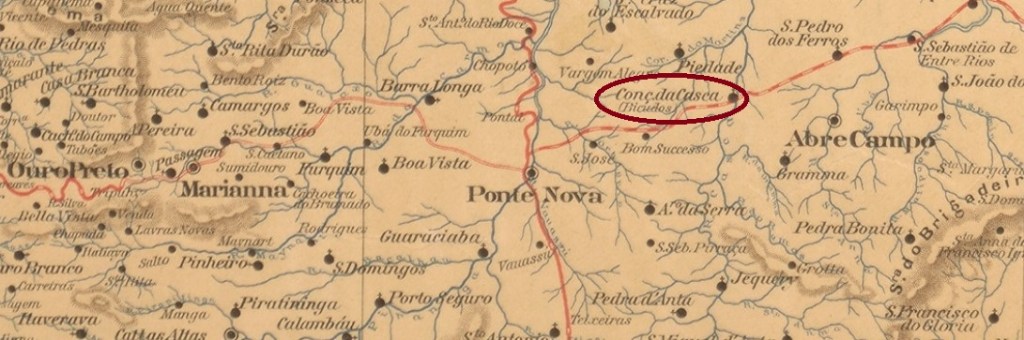
The settlement with the peculiar name Bicudos (Long Beaks) – supposedly an allusion to the long noses of the first colonist family – came into being around 1842 and was located directly on the Casca River in the município of Ponte Nova, 120 km east of the provincial capital Ouro Preto. The place rose to the status of freguesia in May 1858 and attained the status of município in August 1911.

Reinhold Koester (Carimbologia IV) gives October 1879 as the date of origin of the local post office, which is confirmed by the 1885 Directory of Imperial Post Offices (Tabella das Agencias do Correio do Império). Paula Sobrinho, on the other hand, writes that the post office was created in October 1878, which is probably a typing error.

Koester (op. cit.) also presented a cancellation by hand, with the inscription Bicudos and the date May 1885:

1885 (RK)

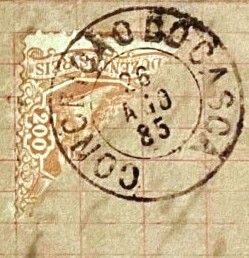
The oldest post cancellation with the place name CONCEIÇÃO DO CASCA is CMG-0810a (coll. Everaldo N. Santos):

CMG-0810a (ENS) 1885-1892
Estado de Minas Geraes, 1910

Andere Namen: Bicudos (BMG-0296), Rio Casca (RMG-2115)

Die Siedlung mit dem eigentümlichen Namen Bicudos (Langschnäbel) – angeblich als Anspielung auf die langen Nasen der ersten Kolonistenfamilie – entstand um 1842 und lag direkt am Fluss Casca im Município von Ponte Nova, 120 km östlich der Provinzhauptstadt Ouro Preto. Der Ort stieg im Mai 1858 zur Freguesia und erlangte den Status eines Município im August 1911.

Reinhold Koester (Carimbologia IV) nennt als Entstehungsdatum fürs örtliche Postamt den Oktober 1879, was vom Verzeichnis der kaiserlichen Postämter (Tabella das Agencias do Correio do Império) von 1885 bestätigt wird. Paula Sobrinho schreibt andererseits, das Postamt sei im Oktober 1878 entstanden, was wohl ein Tippfehler ist.

Koester (op. cit.) präsentierte auch eine Entwertung per Hand, mit der Inschrift Bicudos und dem Datum Mai 1885:

1885 (RK)

Die älteste Postentwertung mit der Ortsbezeichnung CONCEIÇÃO DO CASCA ist CMG-0810a (Samml. Everaldo N. Santos) 1885-1892

CMG-0810a (ENS) 1885-1892
Categories
Carimbologia C-D

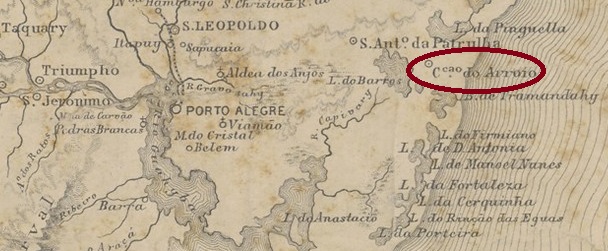
Conceição do Arroio, Rio Grande do Sul (CRS-0120)

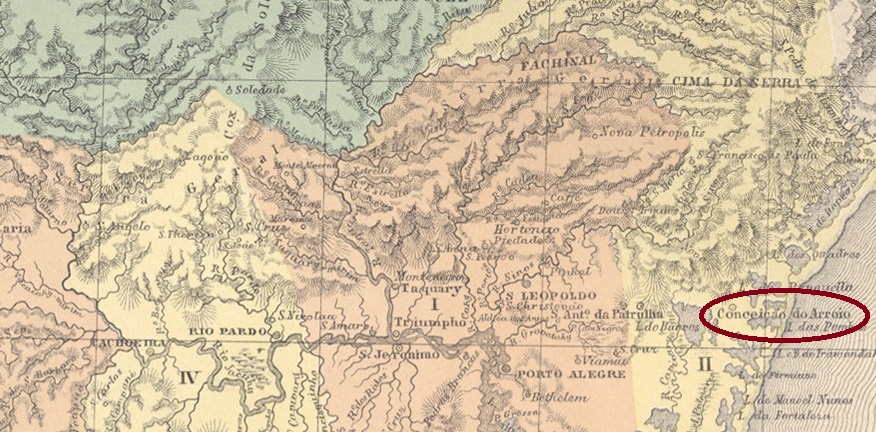
Atlas do Imperio do Brasil, 1868

Other names: Osório (1938)

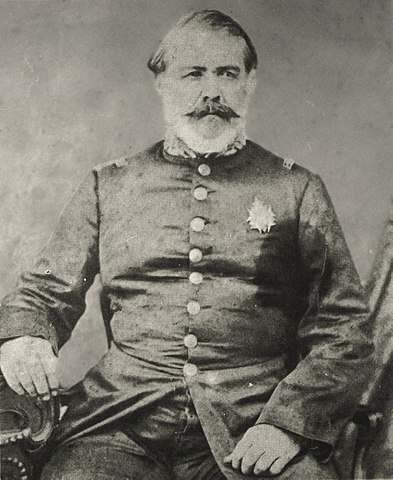
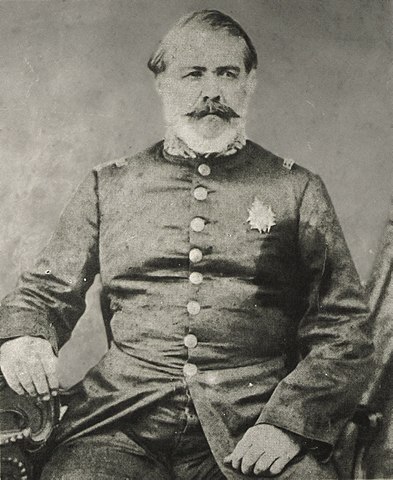
The parish of N. Sra. da Conceição do Arroio was founded in January 1773, belonged to the Vila de Sto. Antonio and was located 100 kilometres east of the later provincial capital Porto Alegre. In December 1857 it was elevated to a Vila, and since March 1938 it has been called Município de Osório, in memory of the military and politician Manuel Luís Osório (1808-1879), Marquis of Herval, hero of the war against Paraguay, who was born in the area of Conceição do Arroio.

Manuel Luis Osório (Wikipedia)

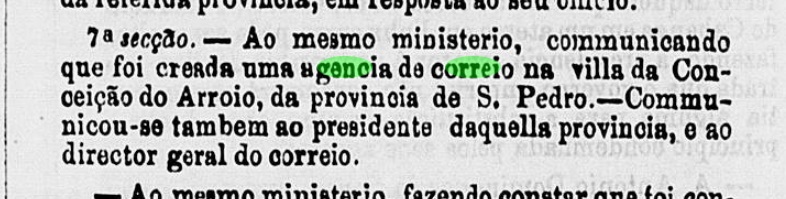
As Nova Monteiro writes in Administrações e Agencias Postaes do Brasil Imperio (Brasil Filatelico/RJ, 1934-5; reprint SPP 1994-1999), there was a post office there since January 1860. This is confirmed by the official press:

Expediente do Ministerio do Imperio, 17/01/1860

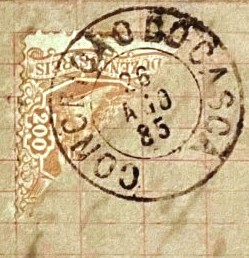
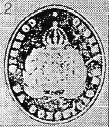
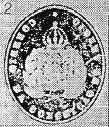
The oldest postmark to date is CRS-0120b, known through R. Koester (Carimbologia XIII).

CRS-0120b (RK)

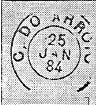
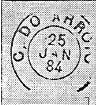
Its successor is the double circle CRS-0120c, also illustrated by Koester (op. cit.):

CRS-0120c (RK) 1883-1888
Provincia de São Pedro do Rio Grande, 1877

Andere Namen: Osório (1938)

Die Pfarrei N. Sra. da Conceição do Arroio wurde im Januar 1773 gegründet, gehörte zur Vila de Sto. Antonio und lag 100 km östlich der späteren Provinzhauptstadt Porto Alegre. Im Dezember 1857 wurde es zur Vila erhoben, seit März 1938 heißt dieses Município Osório, in Erinnerung an den Militär und Politiker Manuel Luís Osório (1808-1879), Marquis von Herval, Held des Krieges gegen Paraguay, der im Gebiet von Conceição do Arroio geboren wurde.

Manuel Luis Osório (Wikipedia)

Wie Nova Monteiro in Administrações e Agencias Postaes do Brasil Imperio (Brasil Filatelico/RJ, 1934-5; Reprint SPP 1994-1999) schreibt, gab es dort seit Januar 1860 ein Postamt. Dies wird durch die Amtspresse bestätigt:

Expediente do Ministerio do Imperio, 17.01.1860

Der bisher älteste Poststempel ist CRS-0120b, bekannt durch R. Koester (Carimbologia XIII).

CRS-0120b (RK)

Sein Nachfolger ist der Doppelkreis CRS-0120c, ebenfalls abgebildet bei Koester (op. cit.):

CRS-0120c (RK) 1883-1888
Categories
Carimbologia C-D

Conceição de Matto Grosso, Rio de Janeiro (CRJ-0380)

Almanak Laemmert, 1892

Other names: Mato Grosso de Saquarema, Maranguá, Sampaio Correia (1946)

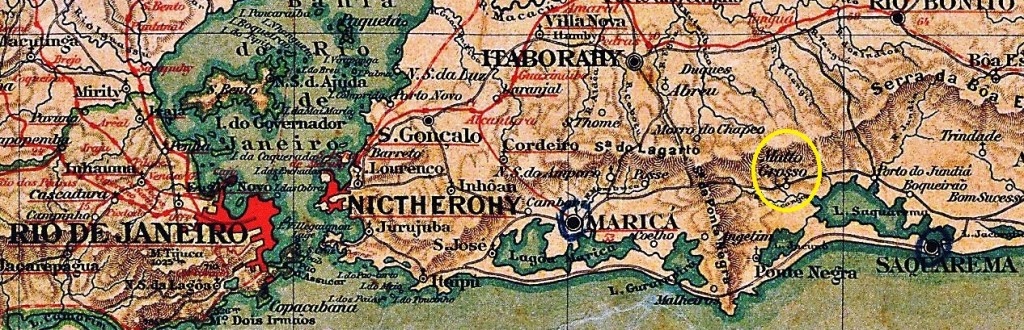
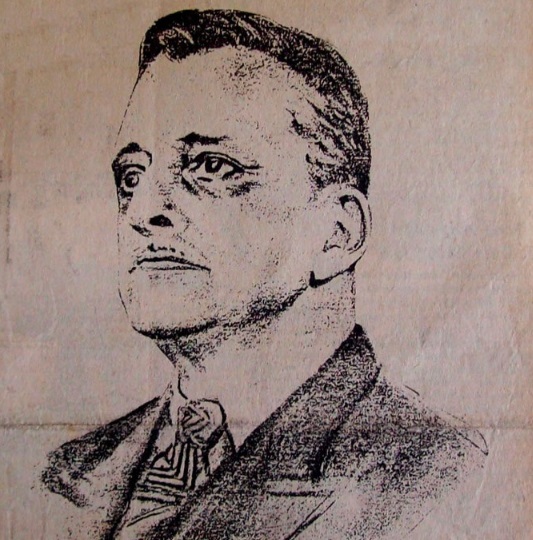
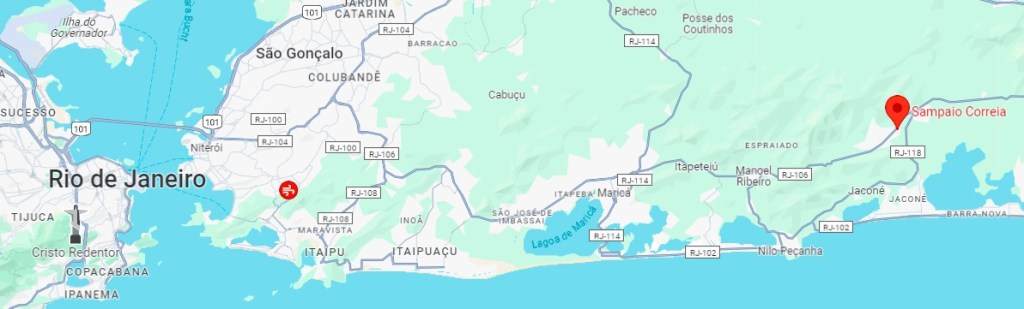
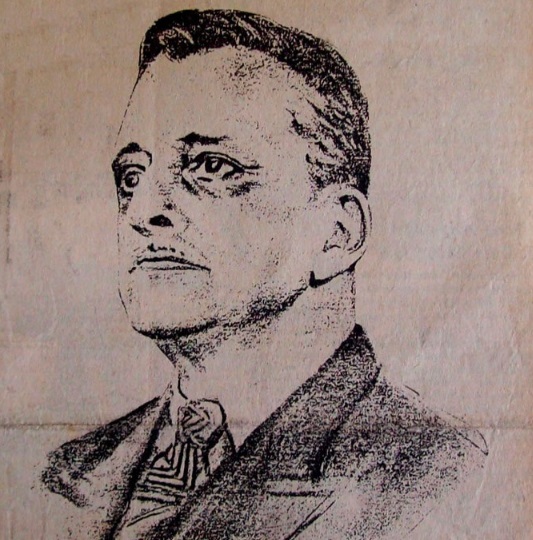
The small settlement of N. Sra. da Conceição de Matto Grosso belonged to the Vila de Saquarema and was located almost 90 kilometres east of the capital Rio de Janeiro. It became a district in July 1891 and changed its name twice: in December 1943 to Maranguá and in January 1946 to Sampaio Correia. The name commemorates the professor, engineer, journalist, politician and entrepreneur José Matoso de Sampaio Correia (1875-1942), who was born in Niterói. Two Brazilian football teams bear his name.

Sampaio Correia (Camara dos Deputados/RJ)

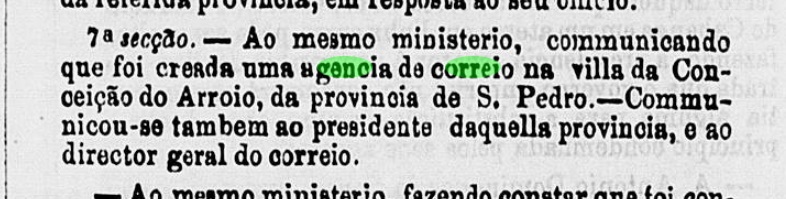
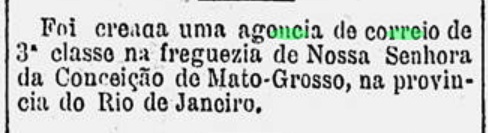
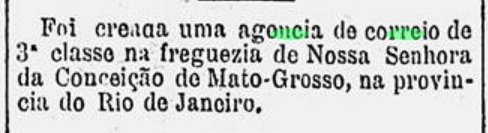
The local post office was created in July 1881, according to the Rio press:

Gazeta de Noticias/07/07/1881

No imperial postmark has yet been found from Conceição de Matto Grosso.

Google Maps

Andere Namen: Mato Grosso de Saquarema, Maranguá, Sampaio Correia (1946)

Die kleine Siedlung N. Sra. da Conceição de Matto Grosso gehörte zur Vila de Saquarema und lag knapp 90 km östlich der Hauptstadt Rio de Janeiro. Sie wurde im Juli 1891 zu einem Distrikt und änderte ihren Namen zweimal: im Dezember 1943 in Maranguá und im Januar 1946 in Sampaio Correia. Der Name erinnert an den Professor, Ingenieur, Journalisten, Politiker und Unternehmer José Matoso de Sampaio Correia (1875-1942), der in Niterói geboren wurde. Zwei brasilianische Fußballmannschaften tragen seinen Namen.

Sampaio Correia (Camara dos Deputados/RJ)

Das örtliche Postamt wurde im Juli 1881 gegründet, wie die Hauptstadtpresse meldete:

Gazeta de Noticias/07.07.1881

Aus Conceição de Matto Grosso wurde bisher kein kaiserlicher Poststempel gefunden.

Categories
Carimbologia C-D

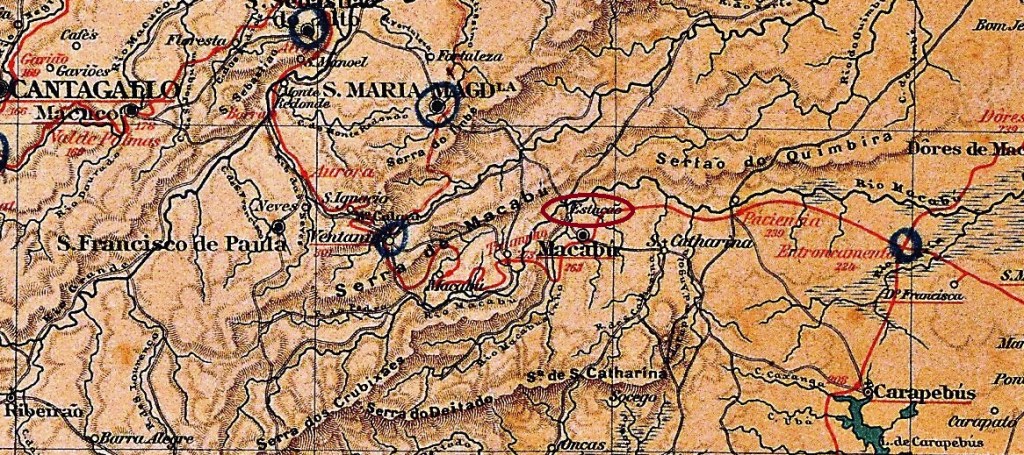
Conceição de Macabu (train station/Bahnhof), Rio de Janeiro (CRJ-0375)

Almanak Laemmert, 1892

Other names: Conceição, Macabu

The Freguesia de N. Sra. da Conceição de Macabu was founded in October 1855, belonged to the Vila de Macaé and was located on the south bank of the Macabu, 220 kilometres north-east of the capital Rio de Janeiro. In May 1891, Conceição de Macabu was elevated to a Vila, but this was short-lived: one year later, Conceição de Macabu was downgraded to a district of Macaé again and only regained its autonomy as an independent Município in March 1952.

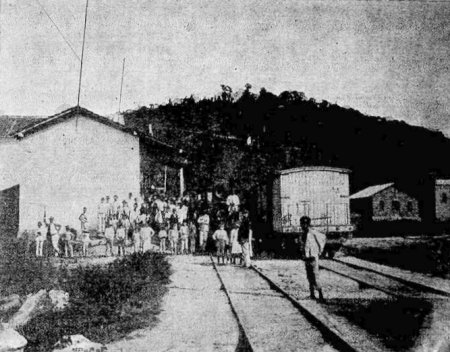
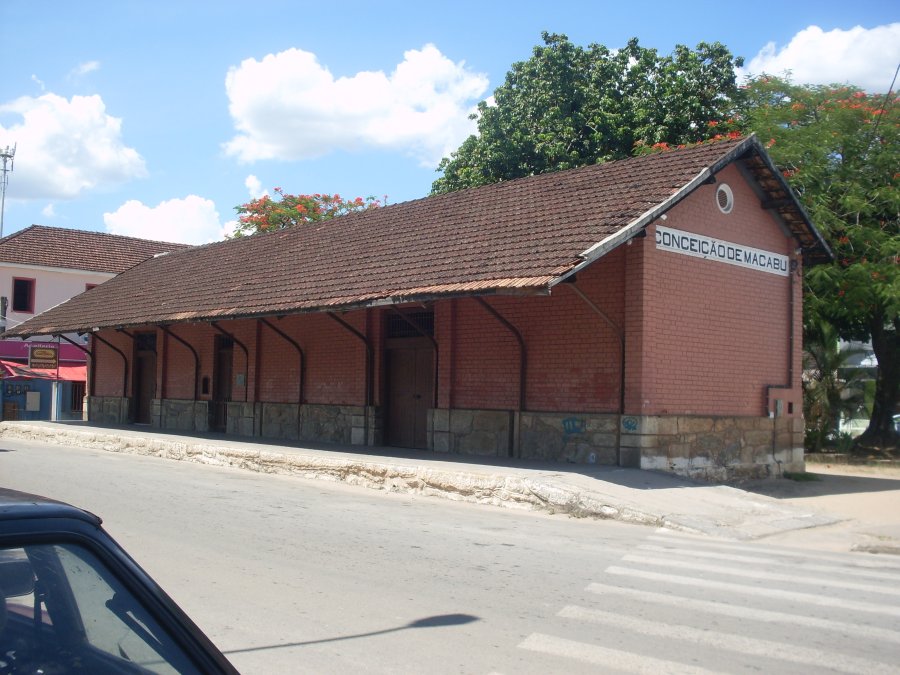
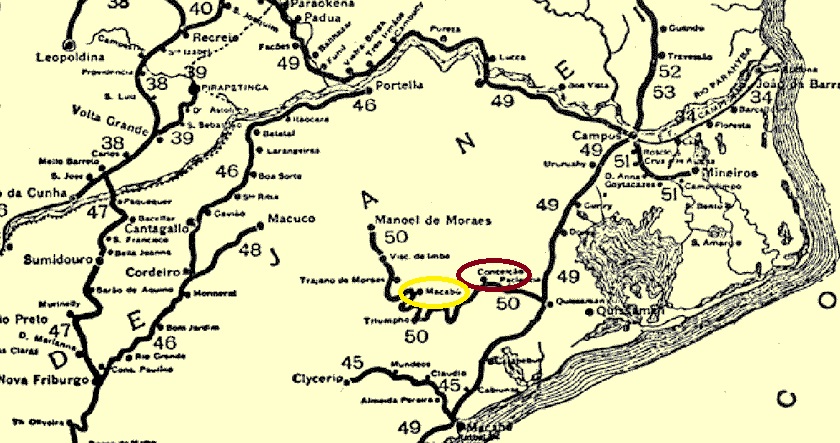
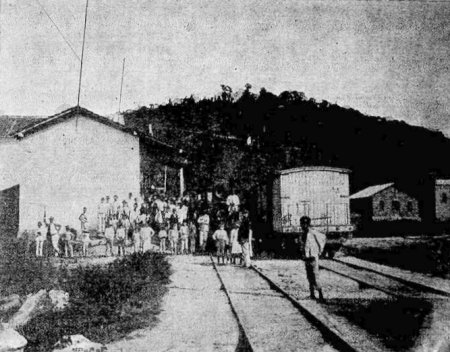
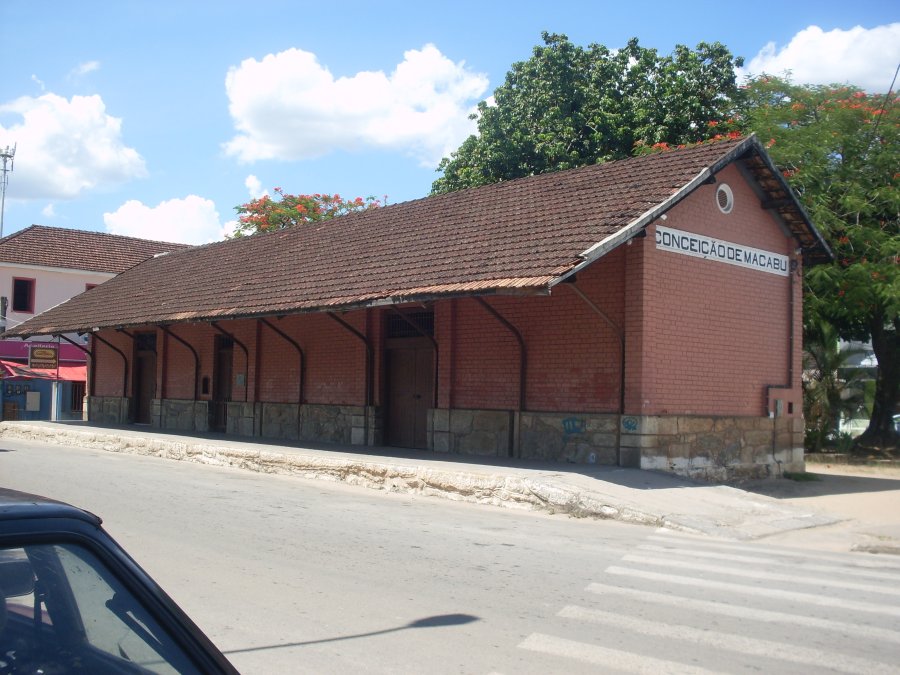
In July 1879, a railway station of the E.F. Barão de Araruama railway company (Sta. Maria Madalena branch) was inaugurated there. The railway line belonged to E.F. Leopoldina from 1890 until it was closed in 1966 (or 1967). Today the tracks have disappeared, but the station building still stands.

Revista da Semana 06/09/1902 (on estacoesferroviarias.com.br)
In January 2019 (Photo: Zilmar Reis Agostinho, on estacoesferroviarias.com.br)

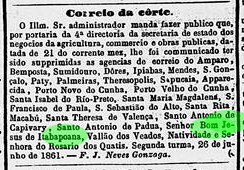
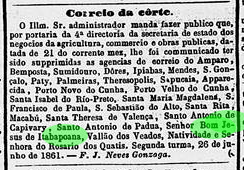
There may have been a post office before the railway line was built, which was closed in June 1861, as reported in the Rio press:

Correio Mercantil, 29/06/1861

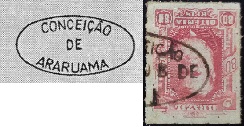
Two dates of origin have been found for the station post office. One was in 1877, i.e. before the railway line was built, as reported by R. Koester (Carimbologia XIII) and as shown in the list of imperial post offices (Tabella das Agencias do Correio do Imperio, Rio de Janeiro, 1885). Then again in August 1879, as can also be read in the Tabella under the enigmatic place name Conceição de Araruama and also noted by Paulo Novaes (agenciaspostais.com.br).

R. Koester (op. cit.) shows a first station cancellation, which may have to be corrected, as the illustration of CRJ-0374a shows (photo: Júlio Mantovani):

CRJ-0374a (RK-recte JM) 1879ff

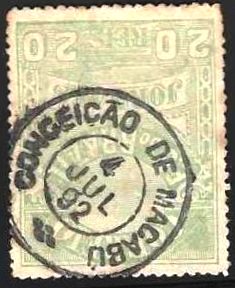
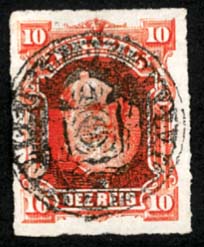
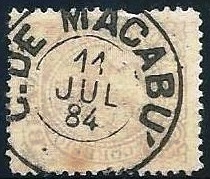
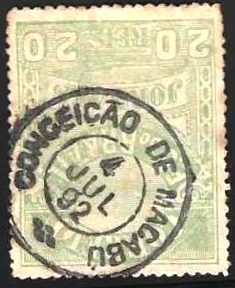
The following cancellation CRJ-0375a (ill. Antonio Torres) no longer mentions the station:

CRJ-0375a (AT) 1879ff

This was followed by CRJ-0375b (fig. agenciaspostais.com.br):

CRJ-0375b (PN) 1883-1885

Almost parallel to this CRJ-0375c appeared (Fig. agenciaspostais.com.br):

CRJ-0375c (PN) 1884-1892
E.F. Leopoldina, 1898 (IBGE)

Andere Namen: Conceição, Macabu

Die Freguesia de N. Sra. da Conceição de Macabu wurde im Oktober 1855 gegründet, gehörte zur Vila de Macaé und lag am Südufer des Macabu, 220 km nordöstlich der Hauptstadt Rio de Janeiro. Im Mai 1891 wurde Conceição de Macabu zur Vila erhoben, was jedoch nur von kurzer Dauer war: Ein Jahr später wurde Conceição de Macabu wieder zum Distrikt von Macaé herabgestuft und erlangte erst im März 1952 seine Autonomie als eigenständiges Município zurück.

Im Juli 1879 wurde dort ein Bahnhof der Eisenbahngesellschaft E.F. Barão de Araruama (Abzweig Sta. Maria Madalena) eingeweiht. Die Bahnlinie gehörte der E.F. Leopoldina von 1890 bis zu ihrer Stilllegung 1966 (oder 1967). Heute sind die Gleise verschwunden, aber das Bahnhofsgebäude steht noch.

Revista da Semana 06.09.1902 (auf estacoesferroviarias.com.br)
Im Januar 2019 (Foto: Zilmar Reis Agostinho, auf estacoesferroviarias.com.br)

Möglicherweise gab es schon vor dem Bau der Eisenbahnlinie ein Postamt, das im Juni 1861 geschlossen wurde, wie die Presse in Rio berichtete:

Correio Mercantil, 29.06.1861

Für das Bahnhofspostamt wurden zwei Entstehungsdaten gefunden. Einmal 1877, d.h. noch vor der Eisenbahnlinie, wie sowohl R. Koester (Carimbologia XIII) berichtet, als auch aus dem Verzeichnis der kaiserlichen Postämter (Tabella das Agencias do Correio do Imperio, Rio de Janeiro, 1885) hervorgeht. Dann wieder im August 1879, wie ebenfalls im Verzeichnis (Tabella) unter dem rätselhaften Ortsnamen Conceição de Araruama nachzulesen und auch von Paulo Novaes (agenciaspostais.com.br) vermerkt.

R. Koester (op. cit.) zeigt einen ersten Bahnhofsstempel, der möglicherweise korrigiert werden muss, wie die Abbildung von CRJ-0374a zeigt (Sammlg. Júlio Mantovani):

CRJ-0374a (RK-recte JM) 1879ff.

Der folgende Stempel CRJ-0375a (Abb. Antonio Torres) erwähnt den Bahnhof nicht mehr:

CRJ-0375a (AT) 1879ff.

Es folgte CRJ-0375b (Abb. agenciaspostais.com.br):

CRJ-0375b (PN) 1883-1885

Fast parallel dazu erschien CRJ-0375c (Abb. agenciaspostais.com.br):

CRJ-0375c (PN) 1884-1892
Categories
Carimbologia C-D

Conceição da Ibitipoca, Minas Gerais (CMG-0805)

Atlas do Imperio do Brasil, 1868

Text update on July 15, 2025

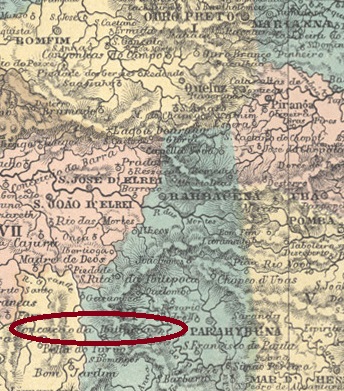
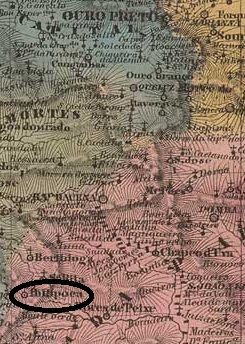
The beautiful Indian word Ibitipoca supposedly means a mountain split with a bang. N. Sra. da Conceição da Ibitipoca had been a parish of the Freguesia de Rio do Peixe since September 1719, which in turn belonged to Vila de Barbacena, 220 kilometres south of the provincial capital Ouro Preto. The village was elevated to a freguesia in April 1839 and incorporated into the newly founded Município de Lima Duarte in October 1884. It has remained so to this day.

Two creation dates were found for the local post office. Nova Monteiro (Administrações e Agencias Postaes do Brasil Imperio, in Brasil Filatelico/RJ, 1934-5; reprint SPP 1994-1999), Paula Sobrinho (História Postal de Minas Gerais, Belo Horizonte, 1997) and R. Koester (Carimbologia XIII) give September 1866, while the directory of imperial post offices (Tabella das Agencias do Correio do Imperio, Rio de Janeiro, 1885) gives the year 1872.

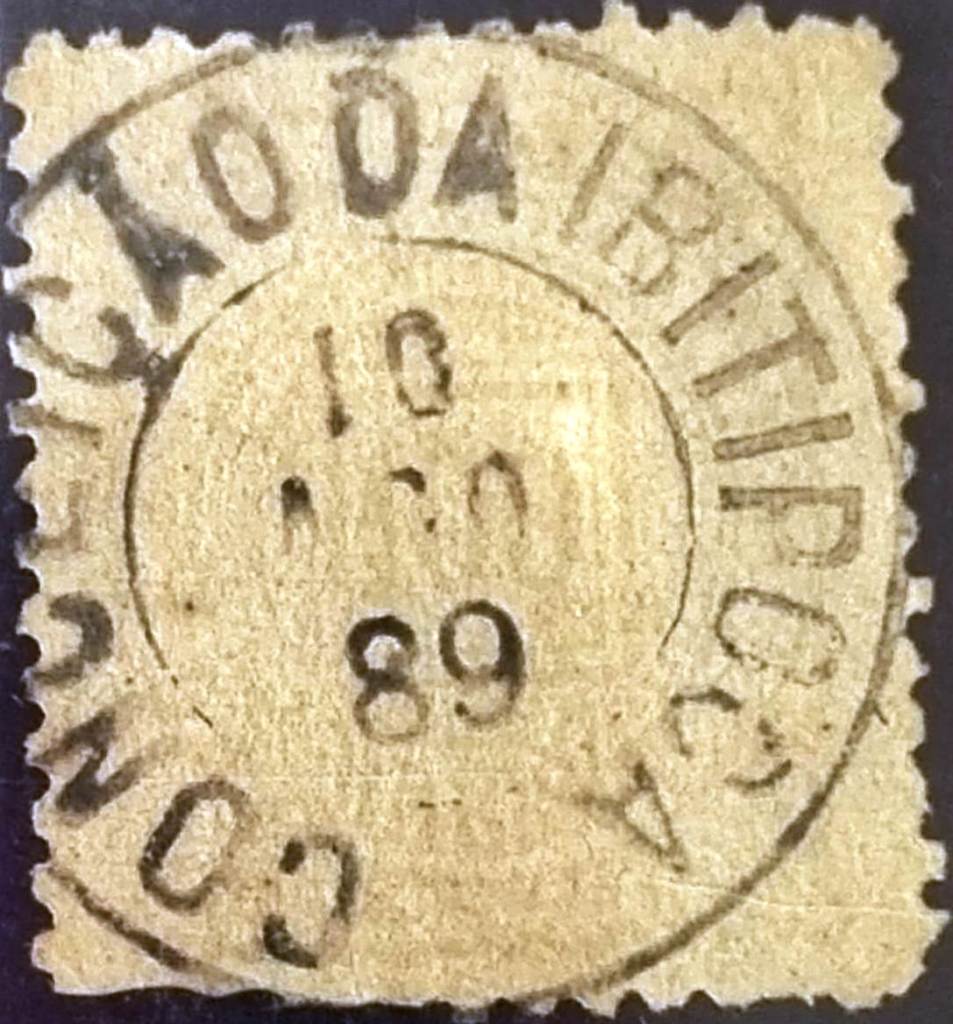
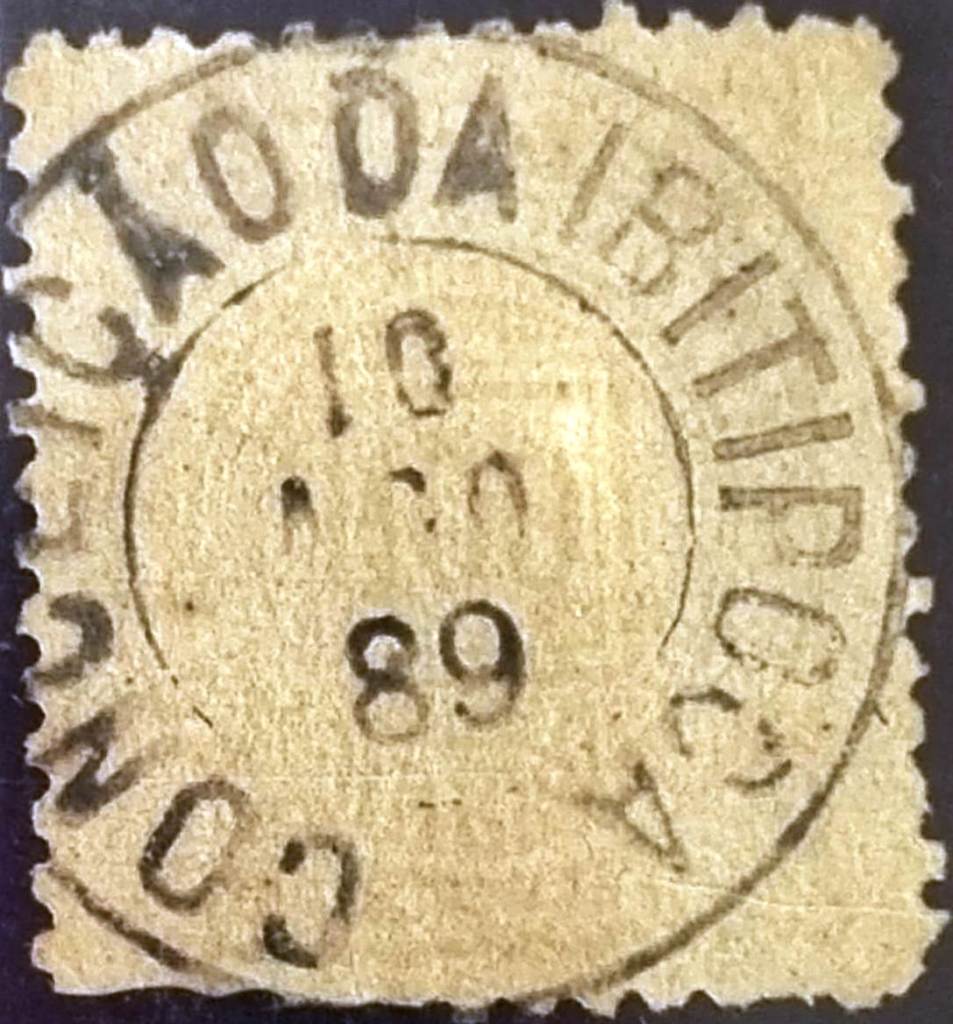
The only imperial postmark from Conceição da Ibitipoca to date is CMG-0805b (illustration by Marcio Duarte):

CMG-0805b (MDu) 1889-1890
Villiers de l’Ile Adam: Carta (…) da Provincia de Minas Geraes, 1849

Textaktualisierung am 15. Juli 2025

Das schöne indianische Wort Ibitipoca bedeutet angeblich mit einem Knall gespaltener Berg. N. Sra. da Conceição da Ibitipoca war seit September 1719 eine Pfarrei der Freguesia de Rio do Peixe, die wiederum zu Vila de Barbacena gehörte, 220 km südlich der Provinzhauptstadt Ouro Preto. Der Ort wurde im April 1839 zur Freguesia erhoben und im Oktober 1884 in das neu gegründete Município de Lima Duarte eingegliedert. Dabei ist es bis heute geblieben.

Für das örtliche Postamt wurden zwei Gründungsdaten gefunden. Nova Monteiro (Administrações e Agencias Postaes do Brasil Imperio, in Brasil Filatelico/RJ, 1934-5; Nachdruck SPP 1994-1999), Paula Sobrinho (História Postal de Minas Gerais, Belo Horizonte, 1997) und R. Koester (Carimbologia XIII) geben den September 1866 an, während das Verzeichnis der kaiserlichen Postämter (Tabella das Agencias do Correio do Imperio, Rio de Janeiro, 1885) das Jahr 1872 nennt.

Der bisher einzige kaiserliche Poststempel von Conceição da Ibitipoca ist CMG-0805b (Abb. Marcio Duarte):

CMG-0805b (MDu) 1889-1890
Categories
Carimbologia C-D

Conceição das Duas Barras, Rio de Janeiro (CRJ-0365)

Almanak Laemmert, 1892

Text update on May 23, 2024

Other names: Conceição das Duas Barras do Rio Negro, Duas Barras (1891)

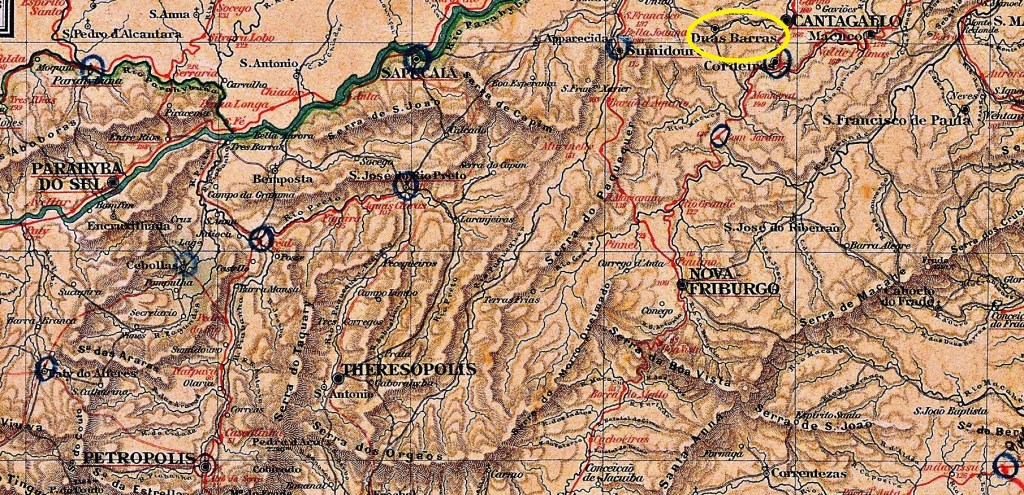
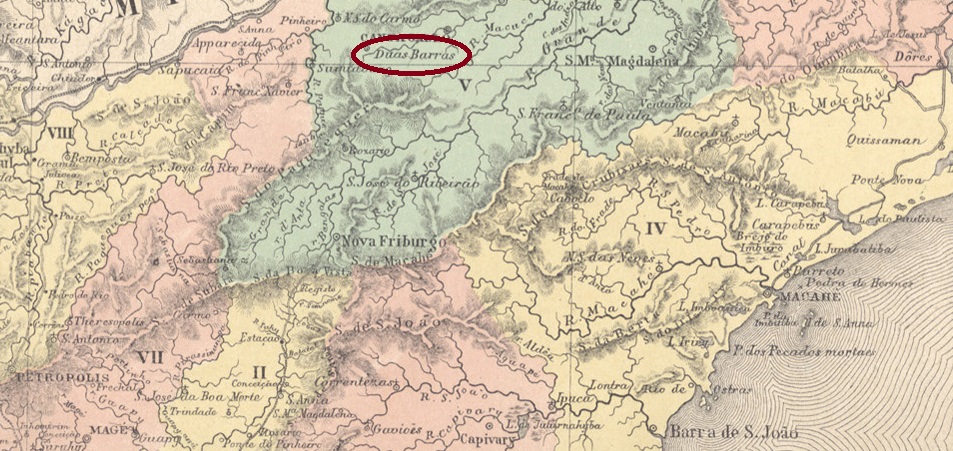
The small chapel was built in December 1836 near the Vila de Cantagalo on the west bank of the Rio Negro, approx. 180 km north-east of the capital Rio de Janeiro. In October 1856, the Freguesia de N. Sra. da Conceição das Duas Barras was founded there, which was declared a vila in May 1891 and a town in December 1929.

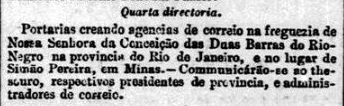
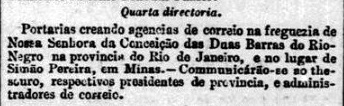
The local post office had existed since November 1861, as reported in the regional press:

Jornal do Commercio, 07/11/1861

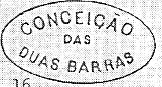
The first postmark is CRJ-0365a (fig. R. Koester, in Carimbologia XIII):

CRJ-0365a (RK) 1861-1866ff

Koester also shows the seal cancel CRJ-0365b:

CRJ-0365b (RK)

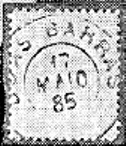
In the next postmark DRJ-0365a (fig. R. Koester, op.cit.) the place name is already abbreviated:

DRJ-0365a (RK) 1884ff-1892
Atlas do Imperio do Brasil, 1868

Textaktualisierung am 23. Mai 2024

Andere Namen: Conceição das Duas Barras do Rio Negro, Duas Barras (1891)

Die kleine Kapelle wurde im Dezember 1836 erbaut und lag nahe der Vila de Cantagalo am Westufer des Rio Negro, ca. 180 km nordöstlich der Hauptstadt Rio de Janeiro. Im Oktober 1856 wurde dort die Freguesia de N. Sra. da Conceição das Duas Barras gegründet, die im Mai 1891 zur Vila und im Dezember 1929 zur Stadt erklärt wurde.

Das örtliche Postamt bestand seit November 1861, wie die regionale Presse berichtete:

Jornal do Commercio, 07.11.1861

Der erste Poststempel ist CRJ-0365a (Abb. R. Koester, in Carimbologia XIII):

CRJ-0365a (RK) 1861-1866ff

Koester zeigt auch den Siegelstempel CRJ-0365b:

CRJ-0365b (RK)

Beim nächsten Stempel DRJ-0365a (Abb. R. Koester, op.cit.) ist der Ortsname bereits abgekürzt:

DRJ-0365a (RK) 1884ff-1892
Categories
Carimbologia C-D

Conceição da Ribeira, Rio de Janeiro (CRJ-0360)

Atlas do Imperio do Brasil, 1868

Other names: Ribeira, Vila Velha

The Freguesia de N. Sra. da Conceição da Ribeira was founded in July 1824 and belonged to the Vila de Angra dos Reis, 160 kilometres west of the capital Rio de Janeiro. According to the maps of the time, it would have been the present-day place of Vila Velha.

The local post office was first created in December 1840, as Nova Monteiro writes in Administrações e Agencias Postaes do Brasil Imperio (Brasil Filatelico/RJ, 1934-5; reprint SPP 1994-1999). This is confirmed by the official press:

Correio Official, 08/02/1841

According to press reports from Rio, the agency was closed in November 1854:

Correio Mercantil, 23/11/1854

The second creation of post office was in May 1862:

Boletim do Expediente do Ministerio da Agricultura, 10/05/1862

According to Paulo Novaes (agenciaspostais.com.br), the post office was finally closed “ca. 1882”. The oldest postmark to date is CRJ-0360a, which bears the number 1280 in Paulo Ayres’ Catálogo de Carimbos Brasil-Império (S. Paulo, 1937, 1942) and was found on Bull’s-Eye issues from 1843:

CRJ-0360a (P.A. 1280) 1843ff

It was followed by CRJ-0360b (ill. by Roberto Assef Jr.):

CRJ-0360b (RA) 1850ff
Alm. Laemmert: Provincia do Rio de Janeiro, 1866

Andere Namen: Ribeira, Vila Velha

Die Freguesia de N. Sra. da Conceição da Ribeira wurde im Juli 1824 gegründet und gehörte zur Vila de Angra dos Reis, 160 km westlich der Hauptstadt Rio de Janeiro. Nach den Landkarten der damaligen Zeit würde es sich um den heutigen Stadtteil Vila Velha handeln.

Das örtliche Postamt wurde erstmals im Dezember 1840 ins Leben gerufen, wie Nova Monteiro in Administrações e Agencias Postaes do Brasil Imperio (Brasil Filatelico/RJ, 1934-5; Nachdruck SPP 1994-1999) schreibt. Dies wird von der offiziellen Presse bestätigt:

Correio Official, 08.02.1841

Nach Presseberichten aus Rio wurde die Agentur im November 1854 geschlossen:

Correio Mercantil, 23.11.1854

Das zweite Postamtentstehung fand vor Mai 1862 statt:

Boletim do Expediente do Ministerio da Agricultura, 10.05.1862

Laut Paulo Novaes (agenciaspostais.com.br) wurde das Postamt “um 1882” endgültig geschlossen. Der bisher älteste Poststempel ist CRJ-0360a, der in Paulo Ayres‘ Catálogo de Carimbos Brasil-Império (S. Paulo, 1937, 1942) die Nummer 1280 trägt und auf Ochsenaugen-Ausgaben von 1843 gefunden wurde:

CRJ-0360a (P.A. 1280) 1843ff

Ihm folgte CRJ-0360b (Abb. Roberto Assef Jr.):

CRJ-0360b (RA) 1850ff