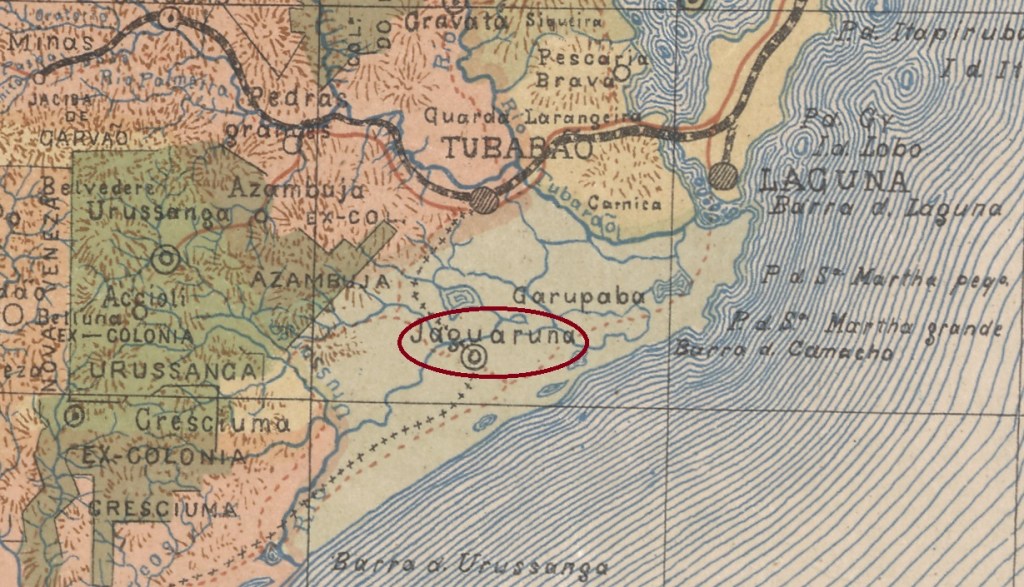
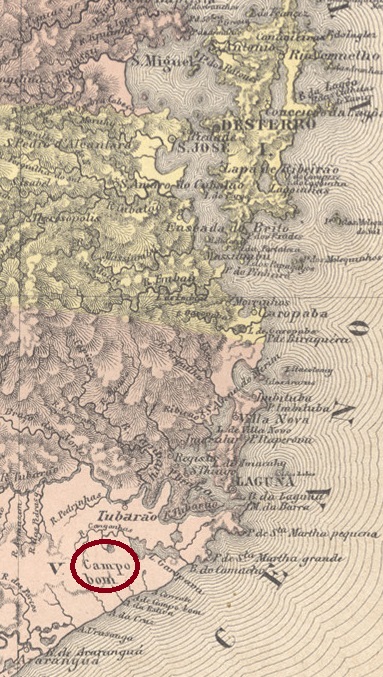
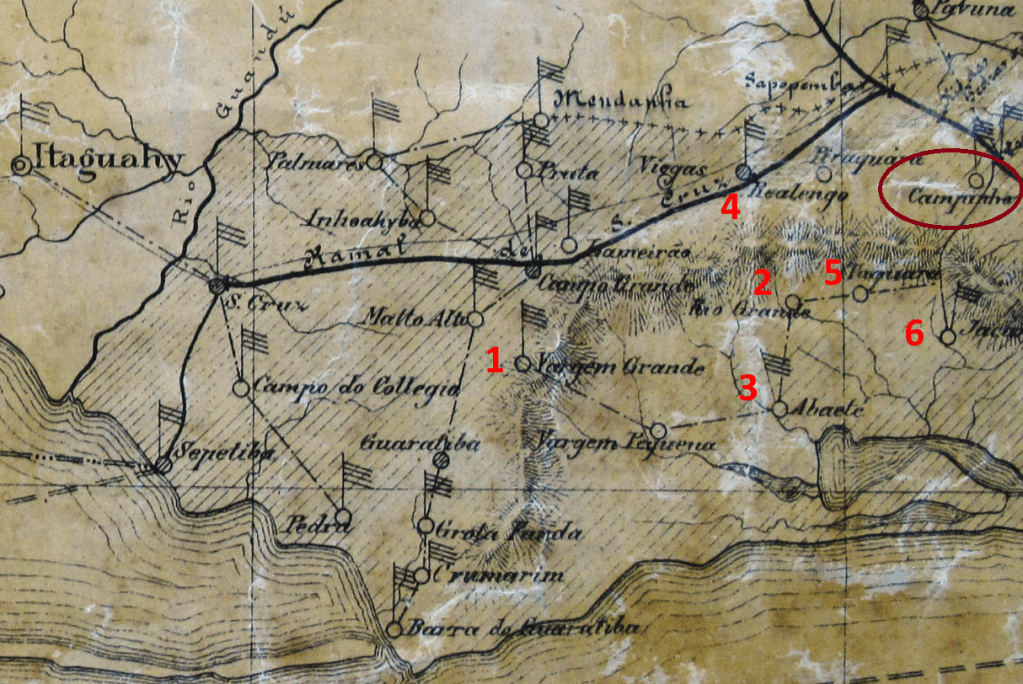
This Campo Bom of the imperial province of Santa Catarina was a settlement of the Vila de Laguna, 160 km south of the provincial capital Desterro (today: Florianópolis), from about 1869. In March 1880 it was declared a Freguesia de N. Sra. das Dores de Jaguaruna and in January 1891 it was elevated to the status of Vila. Between August 1923 and December 1930, it was downgraded to the District of Laguna, before regaining the Município status.
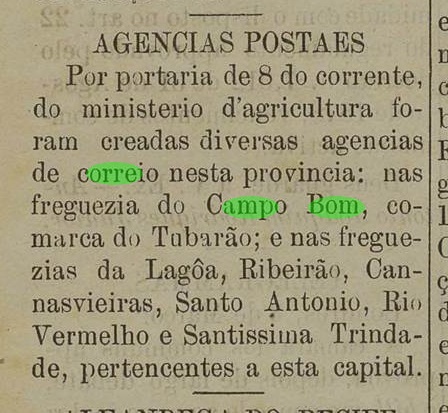
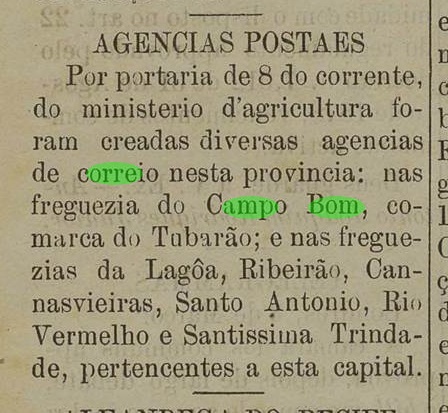
There was a post office since March 1884, according to the regional press:
Jornal do Commercio/SC, 14/03/1884
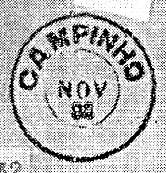
It is remarkable that the place was still mentioned as Campo Bom, although at that time the new official name Jaguaruna had already been in force for four years. It is therefore possible that there is an imperial postmark under Campo Bom, especially as Jaguaruna postmarks are only known from 1890 onwards.
Atlas do Imperio do Brasil, 1868
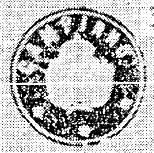
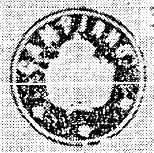
Siehe auch Jaguaruna (R. Koester: Carimbologia XXV)
Dieser Campo Bom der kaiserlichen Provinz Santa Catarina war ab etwa 1869 eine Siedlung der Vila de Laguna, 160 km südlich der Provinzhauptstadt Desterro (heute: Florianópolis). Im März 1880 wurde sie zur Freguesia de N. Sra. das Dores de Jaguaruna erklärt und im Januar 1891 zur Vila erhoben. Zwischen August 1923 und Dezember 1930 wurde sie zum Distrikt von Laguna herabgestuft, bevor sie den Status eines Município wiedererlangte.
Seit März 1884 gab es dort ein Postamt, wie die regionale Presse berichtet:
Jornal do Commercio/SC, 14.03.1884
Bemerkenswert ist, dass der Ort noch als Campo Bom erwähnt wurde, obwohl zu diesem Zeitpunkt der neue offizielle Name Jaguaruna bereits seit vier Jahren in Kraft war. Es ist daher möglich, dass es einen kaiserlichen Poststempel unter Campo Bom gibt, zumal Jaguaruna-Stempel erst ab 1890 bekannt sind.
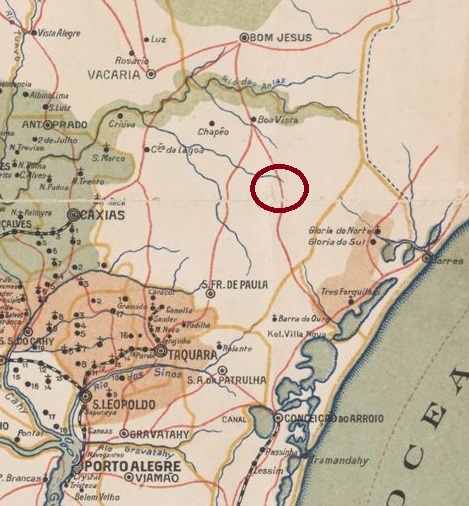
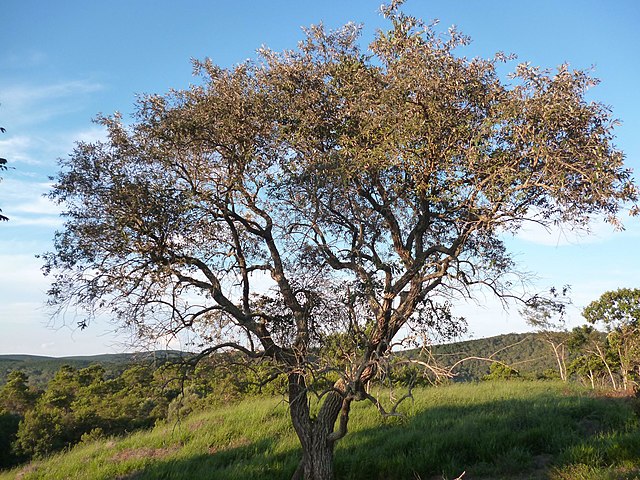
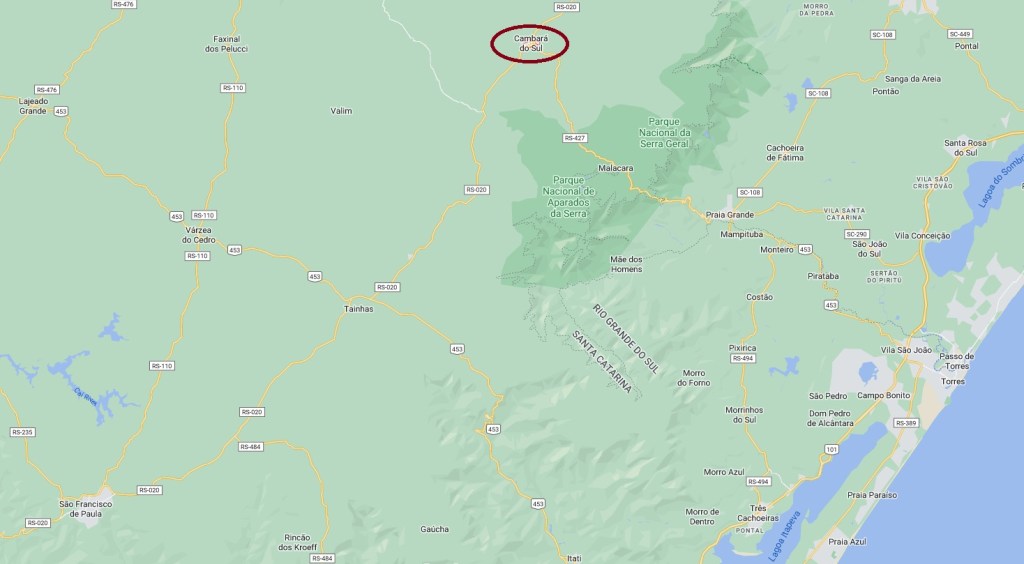
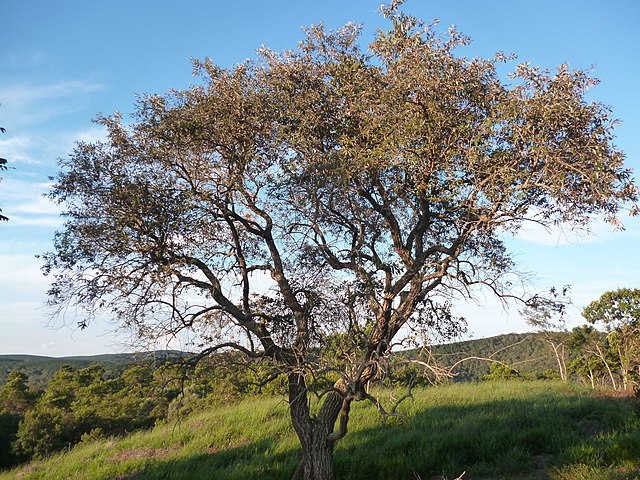
This Campo Bom (Good Field) in the imperial province of Rio Grande do Sul is not the município of the same name of today (this is a former district of São Leopoldo), but the former Freguesia de S. José do Campo Bom, founded in April 1884 in the Vila of S. Francisco de Paula de Cima da Serra, 200 km northeast of the provincial capital Porto Alegre. In contrast to the other Campo Bom, the older settlement developed very slowly: in October 1950 it was renamed Cambará and has been Município Cambará do Sul since December 1963. Cambará is the Tupi name for Moquiniastrum polymorphum (Less./G. Sancho), a Brazilian tree from the Asteraceae family that provides good timber:
Moquiniastrum polymorphum (Photo: edilqueirozdearaujo@Mapillary.com, CC BY-SA 4.0)
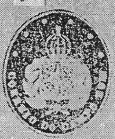
As R. Koester writes in Carimbologia VIII, there was a post office there from October 1887. The only postmark so far is CRS-0075a shown in Koester (op. cit.):
CRS-0075a (RK)Google Maps
Andere Namen: Cambará, Cambará do Sul (1963)
Dieses Campo Bom (Gutes Feld) in der kaiserlichen Provinz Rio Grande do Sul ist nicht der gleichnamige Município von heute (dieser ist ein ehemaliger Distrikt von São Leopoldo), sondern die ehemalige Freguesia de S. José do Campo Bom, gegründet im April 1884 in der Vila von S. Francisco de Paula de Cima da Serra, 200 km nordöstlich der Provinzhauptstadt Porto Alegre. Im Gegensatz zum anderen Campo Bom entwickelte sich die ältere Siedlung sehr langsam: Im Oktober 1950 wurde sie in Cambará umbenannt und ist seit Dezember 1963 Município Cambará do Sul. Cambará ist die Tupi-Bezeichnung für Moquiniastrum polymorphum (Less./G. Sancho), einen brasilianischen Baum aus der Familie der Asteraceae, der gutes Bauholz liefert:
Moquiniastrum polymorphum (Foto: edilqueirozdearaujo@Mapillary.com, CC BY-SA 4.0)
Wie R. Koester in Carimbologia VIII schreibt, gab es dort ab Oktober 1887 ein Postamt. Der bisher einzige Poststempel ist der bei Koester (op. cit.) gezeigte Siegel CRS-0075a:
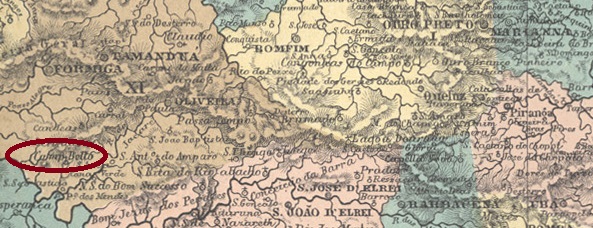
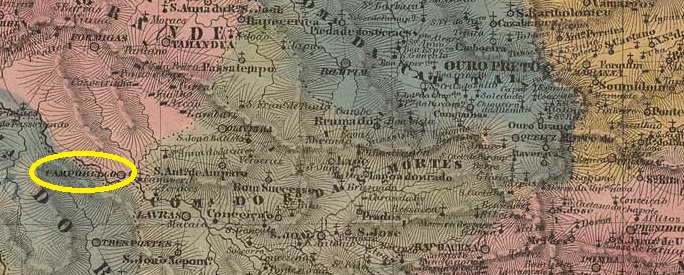
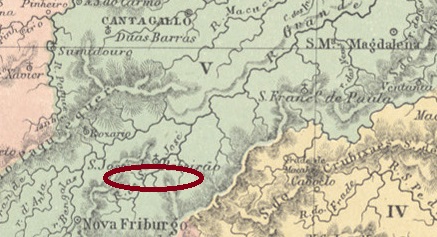
The old settlement of Ribeirão São João was located 260 km southwest of the later provincial capital of Ouro Preto. As early as September 1818, it became the Freguesia de Senhor Bom Jesus do Campo Bello, which belonged to the Villa de Tamanduá. In October 1848, it was elevated to the status of vila, but was downgraded to freguesia again in May 1850. It was not until June 1876 that it was again upgraded to a municipality, which has been allowed to call itself a town since September 1884.
Reinhold Koester (Carimbologia VIII) and Paula Sobrinho (História Postal de Minas Gerais, Belo Horizonte, 1997) agree that there was a post office in Campo Bello since June 1876. The official postmark was probably added later, as stamps were cancelled by hand long after the opening, as Paulo Ayres notes in Catálogo de Carimbos Brasil-Império (S. Paulo, 1937, 1942):
1876ff (P.A. p. 146)
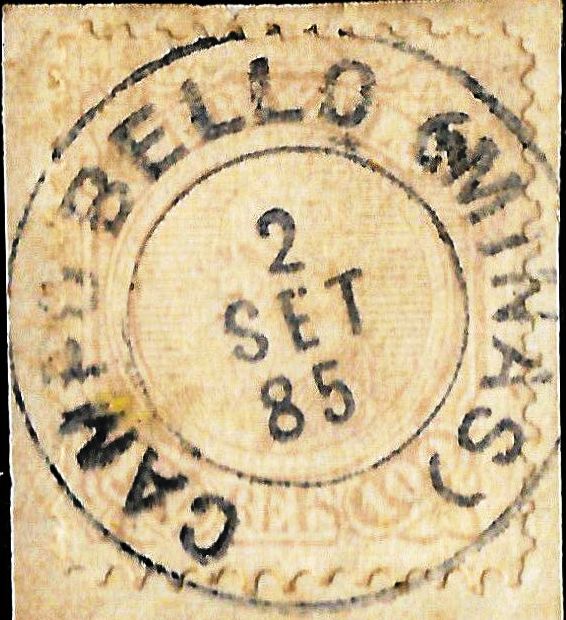
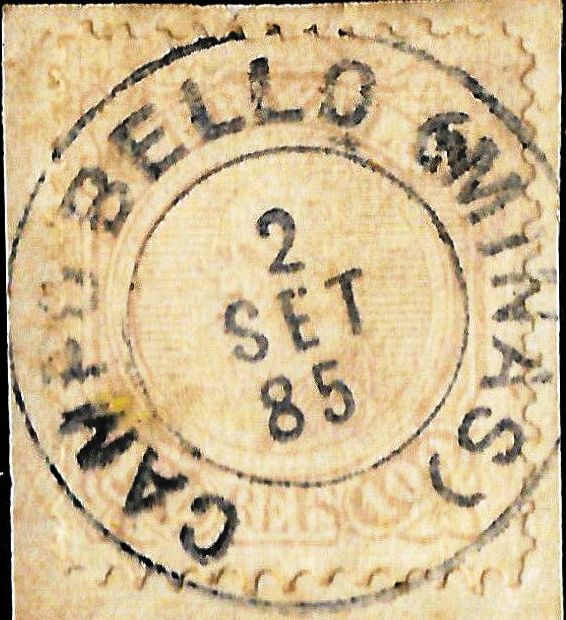
The cancel CMG-0510a (ill. from the Internet) dates from the 80s and also exists in violet:
CMG-0510a (EB) 1885-1898
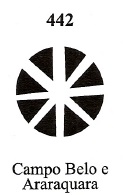
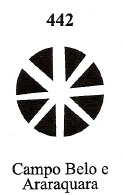
James Dingler and Klerman W. Lopes have shown in Mute Cancellations of the Brazil Empire / Carimbos Mudos do Brasil Império (Brazil Philatelic Association, Rio de Janeiro, 2000) under No. 442 also a mute cancel from Campo Bello:
BPA 442
Villiers de l’Ila Adam: Carta (…) da Provincia de Minas Geraes, 1849
Anderer Name: Ribeirão São João
Die alte Siedlung Ribeirão São João lag 260 km südwestlich der späteren Provinzhauptstadt Ouro Preto und wurde bereits im September 1818 zur Freguesia de Senhor Bom Jesus do Campo Bello, die zur Villa de Tamanduá gehörte. Im Oktober 1848 wurde sie zur Vila erhoben, aber bereits im Mai 1850 wieder zur Freguesia herabgestuft. Erst im Juni 1876 erfolgte wieder die Aufwertung zur Gemeinde, die sich seit September 1884 Stadt nennen darf.
Reinhold Koester (Carimbologia VIII) und Paula Sobrinho (História Postal de Minas Gerais, Belo Horizonte, 1997) sind sich einig, dass es in Campo Bello seit Juni 1876 ein Postamt gab. Der offizielle Poststempel kam wahrscheinlich erst später hinzu, da die Briefmarken noch lange nach der Eröffnung von Hand entwertet wurden, wie Paulo Ayres in Catálogo de Carimbos Brasil-Império (S. Paulo, 1937, 1942) vermerkt:
1876ff (P.A. S. 146)
Der Stempel CMG-0510a (Abb. aus dem Internet) stammt aus den 80er Jahren und existiert auch in violett:
CMG-0510a (EB)
1885-1898James Dingler und Klerman W. Lopes haben in Mute Cancellations of the Brazil Empire / Carimbos Mudos do Brasil Império (Brazil Philatelic Association, Rio de Janeiro, 2000) unter Nr. 442 auch einen stummen Stempel aus Campo Bello gezeigt:
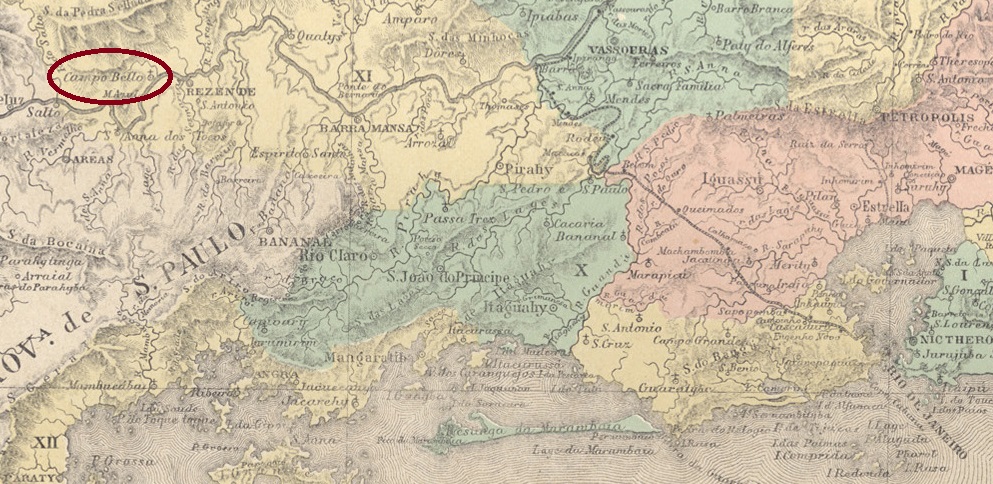
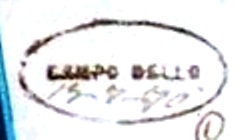
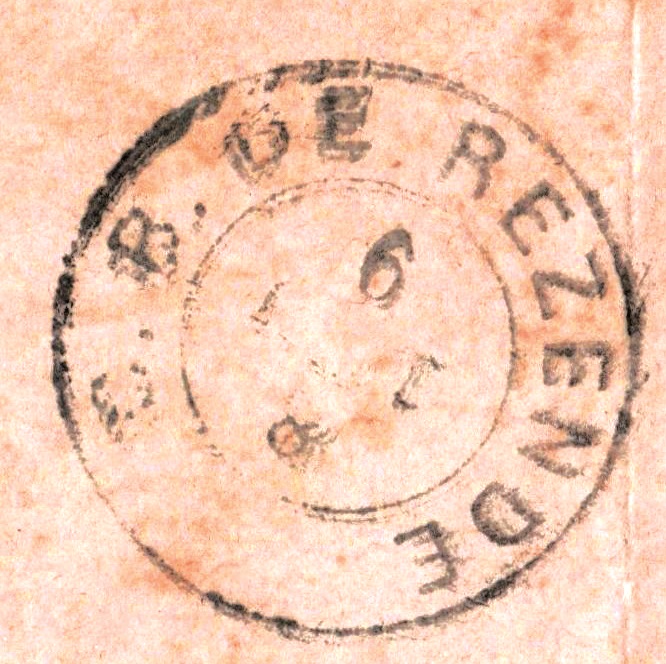
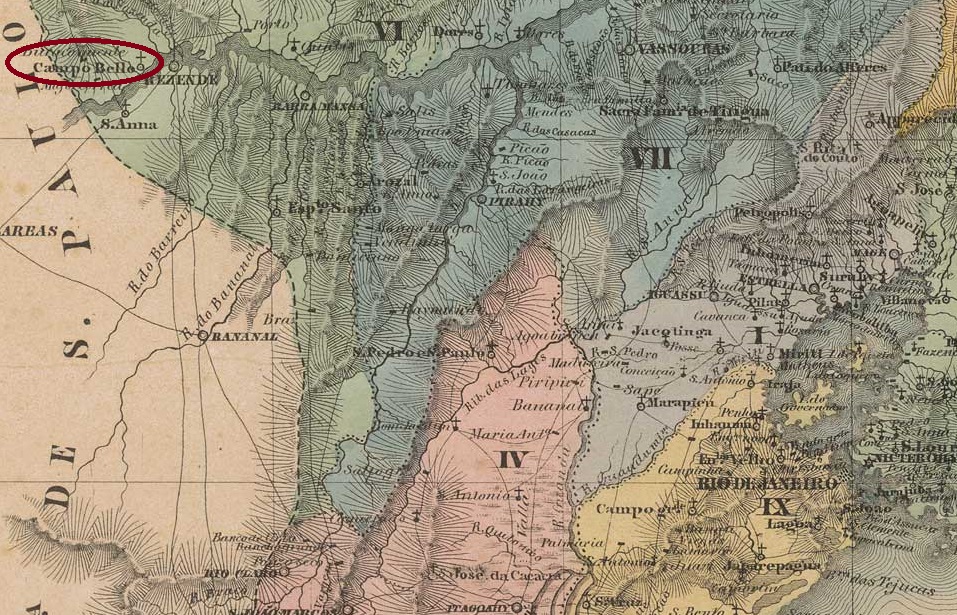
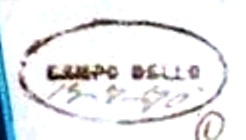
The Freguesia de S. José do Campo Bello was founded in May 1842 in the Vila de Resende on the north bank of the Paraíba do Sul, 180 km northwest of the capital Rio de Janeiro. In December 1943, it was renamed the Itatiaia district and has been an independent município under this name since July 1988.
As Nova Monteiro writes in Administrações e Agencias Postaes do Brasil Imperio (Brasil Filatelico/RJ, 1934-5; Reprint SPP 1994-1999), there had been a post office there since December 1866. Two local postmarks and one mute cancellation were found for the Empire. The rare CRJ-0265a (image from the internet) shows dates between 1868 and 1871 so far:
CRJ-0265a (EB) 1868-1871
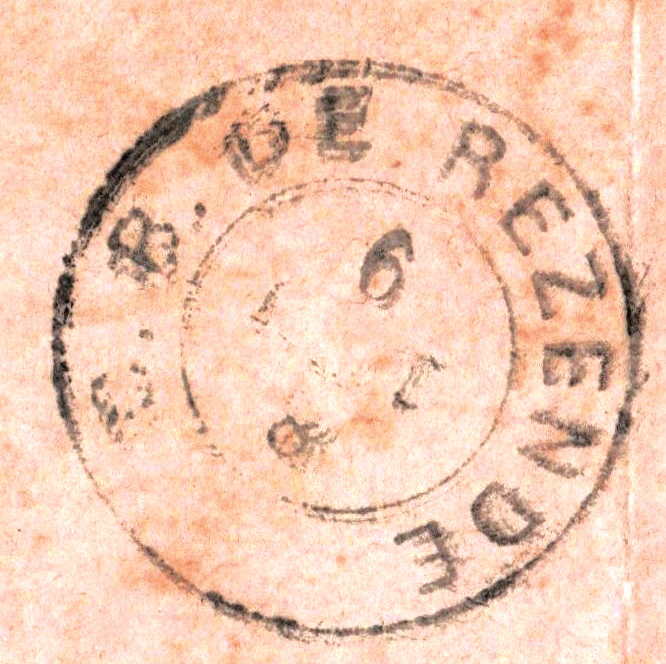
Its successor CRJ-0265b (Coll. José A. Junges) is more common:
CRJ-0265b (JJ) 1879-1893
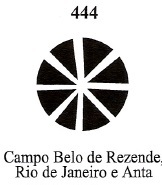
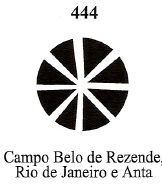
The mute cancel is number 444 in Mute Cancellations of the Brazil Empire / Carimbos Mudos do Brasil Império (Brazil Philatelic Association, Rio de Janeiro, 2000), by James Dingler and Klerman W. Lopes:
BPA 444, 1870-1880Villiers de l’Ile Adam: Carta (…) da Provincia do Rio de Janeiro, 1850
Die Freguesia de S. José do Campo Bello wurde im Mai 1842 im Gebiet der Vila de Resende am Nordufer des Paraíba do Sul, 180 km nordwestlich der Hauptstadt Rio de Janeiro, gegründet. Im Dezember 1943 wurde sie in Distrikt Itatiaia umbenannt und ist seit Juli 1988 unter diesem Namen ein eigenständiges Município.
Wie Nova Monteiro in Administrações e Agencias Postaes do Brasil Imperio (Brasil Filatelico/RJ, 1934-5; Reprint SPP 1994-1999) schreibt, gab es dort seit Dezember 1866 ein Postamt. Für das Kaiserreich wurden zwei lokale Poststempel und eine stumme Entwertung gefunden. Der seltene CRJ-0265a (Abb. aus dem Internet) zeigt bisher Daten zwischen 1868 und 1871:
CRJ-0265a (EB) 1868-1871
Sein Nachfolger CRJ-0265b (Samml. José A. Junges) ist häufiger anzutreffen:
CRJ-0265b (JJ) 1879-1893
Der stumme Stempel hat die Nummer 444 in Mute Cancellations of the Brazil Empire / Carimbos Mudos do Brasil Império (Brazil Philatelic Association, Rio de Janeiro, 2000), von James Dingler und Klerman W. Lopes:
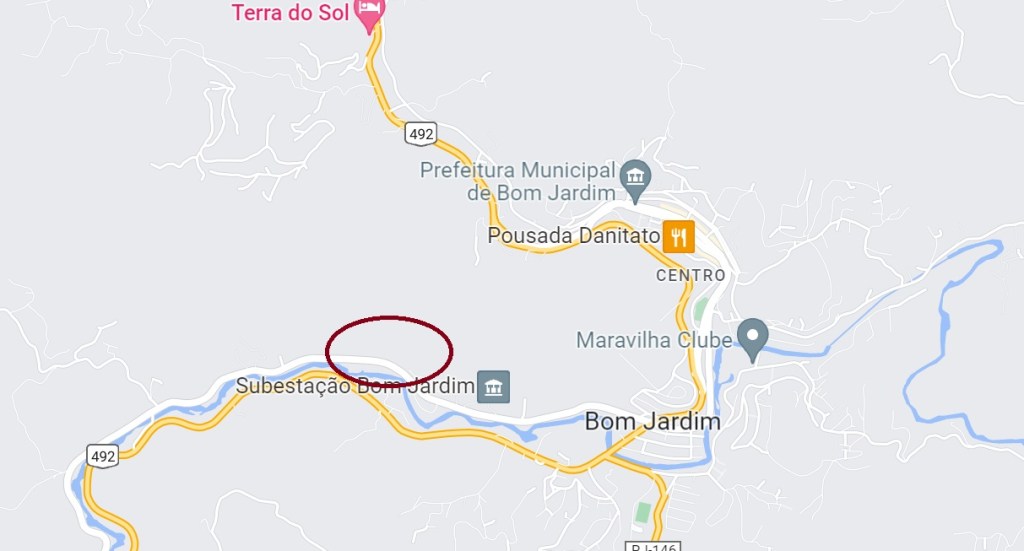
With Campo Bello do Cantagallo we have another village that has practically disappeared from the map today. It was a settlement of the Freguesia de S. José do Ribeirão in the Vila de Cantagallo around 1850, which has belonged to the Município Bom Jardim since July 1891 and lies on the north bank of the Rio Grande 160 km northeast of the capital Rio de Janeiro.
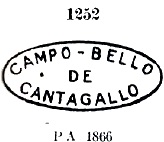
As Nova Monteiro writes in Administrações e Agencias Postaes do Brasil Imperio (Brasil Filatelico/RJ, 1934-5; Reprint SPP 1994-1999), there had been a post office there since September 1868, which was closed until 1879, as it is no longer mentioned in the Imperial Postal Guide (Guia Postal do Imperio, 1880). The only postmark so far is CRJ-0260a, listed in Paulo Ayres’ Catálogo de Carimbos Brasil-Império (S. Paulo, 1937, 1942) under No. 1252:
CRJ-0260a (P.A. 1252) 1868-1878ffGoogle Maps
Mit Campo Bello do Cantagallo haben wir eine weitere Ortschaft, die heute praktisch von der Landkarte verschwunden ist. Es war um 1850 eine Siedlung der Freguesia de S. José do Ribeirão in der Vila de Cantagallo, die seit Juli 1891 zum Município Bom Jardim gehört und am Nordufer des Rio Grande 160 km nordöstlich der Hauptstadt Rio de Janeiro liegt.
Wie Nova Monteiro in Administrações e Agencias Postaes do Brasil Imperio (Brasil Filatelico/RJ, 1934-5; Reprint SPP 1994-1999) schreibt, gab es dort seit September 1868 ein Postamt, das aber erst 1879 geschlossen wurde, da es im Kaiserlichen Postführer (Guia Postal do Imperio, 1880) nicht mehr erwähnt wird. Der bisher einzige Poststempel ist CRJ-0260a, der in Paulo Ayres‘ Catálogo de Carimbos Brasil-Império (S. Paulo, 1937, 1942) unter Nr. 1252 verzeichnet ist:
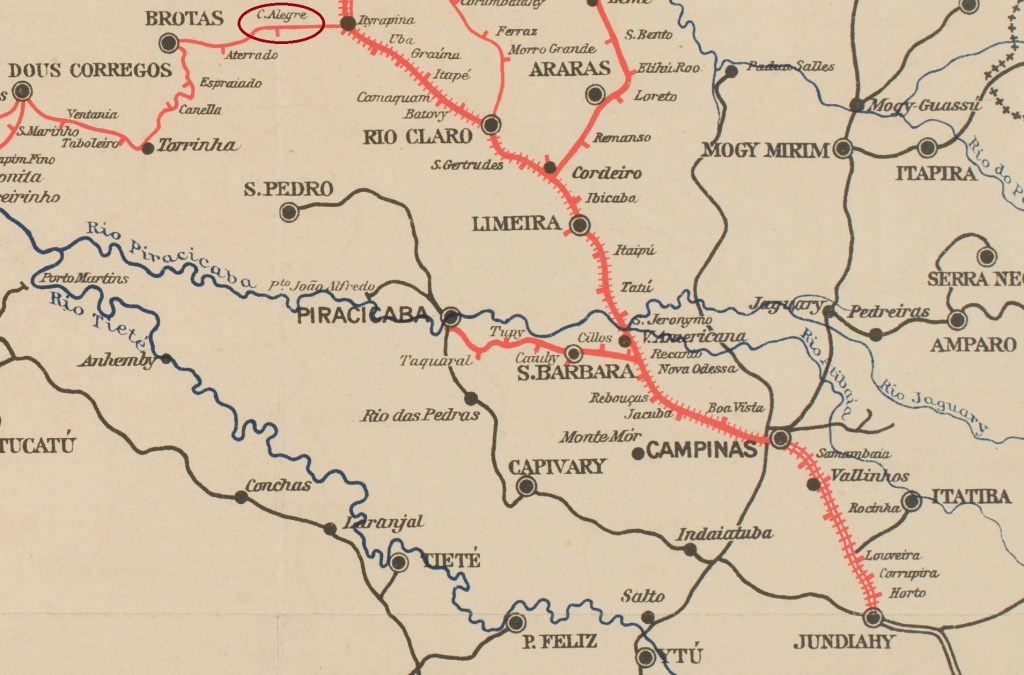
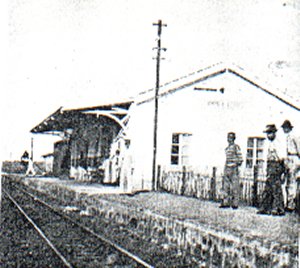
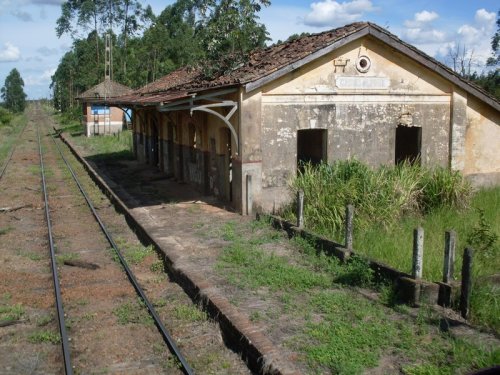
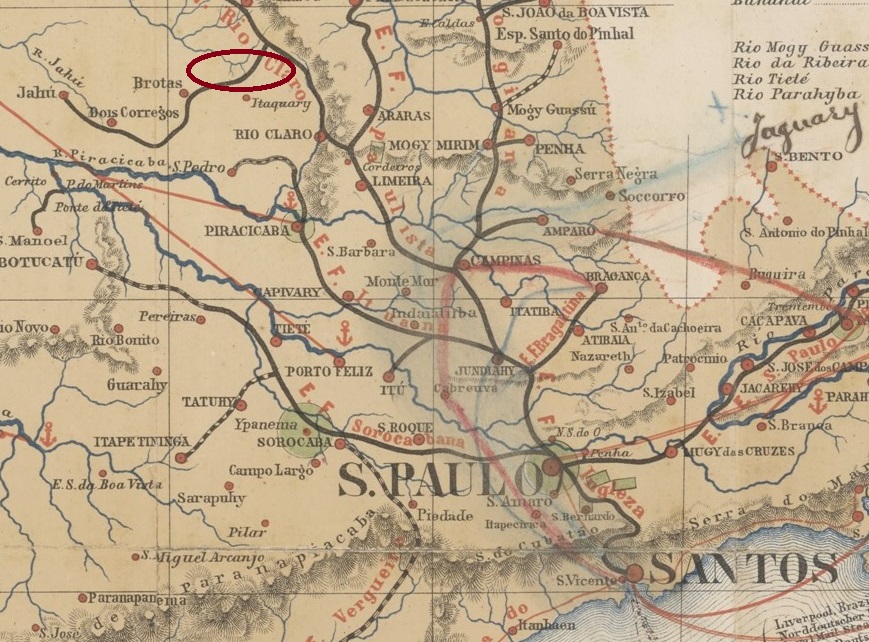
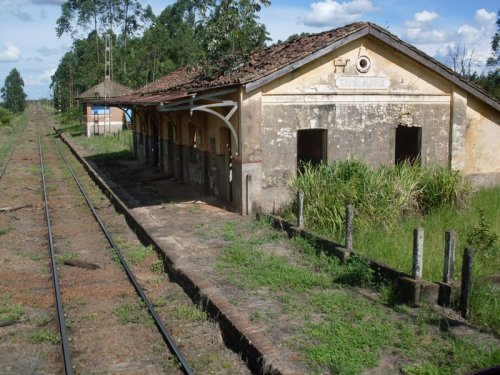
Campo Alegre station was opened in July 1885 by the E.F. Rio Clarense (Jaú branch) railway company in the Município Brotas, 230 km northwest of the provincial capital São Paulo. The line passed to the Rio Claro Railway in 1888, to the Cia. Paulista de Estradas de Ferro in 1892 and belonged to FEPASA from 1971 until its closure in 1998. Today the tracks are still there, the station building is in ruins (estacoesferroviarias.com.br).
1918 (Photo: Filemon Perez on estacoesferroviarias.com.br)2010 (Photo: Leandro Gouveia on estacoesferroviarias.com.br)
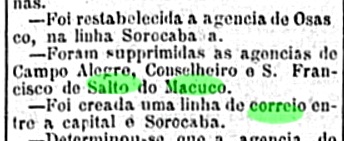
As R. Koester writes in Carimbologia VIII, there was a post office at the station since 16.06.1887, but according to the regional press it was closed in February 1900:
Correio Paulistano, 24.02.1900
There are no known imperial postmarks from Campo Alegre station.
Provincia de São Paulo, 1886
Der Bahnhof Campo Alegre wurde im Juli 1885 von der Eisenbahngesellschaft E.F. Rio Clarense (Abzweig Jaú) eröffnet und lag im Município Brotas, 230 km nordwestlich der Provinzhauptstadt São Paulo. Die Strecke ging 1888 an die Rio Claro Railway, 1892 an die Cia. Paulista de Estradas de Ferro und gehörte von 1971 bis zu ihrer Stilllegung 1998 der FEPASA. Heute sind die Gleise noch vorhanden, das Bahnhofsgebäude ist eine Ruine (estacoesferroviarias.com.br).
1918 (Foto: Filemon Perez auf estacoesferroviarias.com.br)2010 (Foto: Leandro Gouveia auf estacoesferroviarias.com.br)
Wie R. Koester in Carimbologia VIII schreibt, gab es am Bahnhof seit dem 16.06.1887 ein Postamt, das aber nach Angaben der regionalen Presse im Februar 1900 geschlossen wurde:
Correio Paulistano, 24.02.1900
Vom Bahnhof Campo Alegre sind bisher keine kaiserlichen Poststempel bekannt.
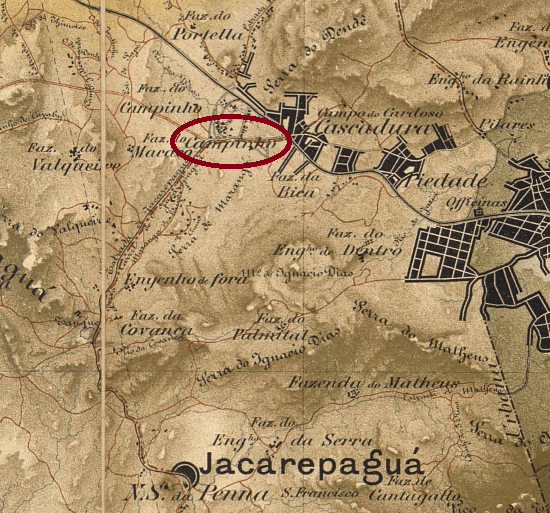
The Fazenda do Campinho was an estate in the Freguesia de Irajá owned by Rosa Maria dos Santos (d. 1846) and located 20 km west of the capital Rio de Janeiro. Since July 1981, Campinho has been a district of Madureira in the Município of Rio.
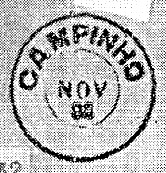
According to the Directory of Imperial Post Offices (Tabella das Agencias do Correio do Imperio, Rio de Janeiro, 1885), there had been a post office there since 1873, but it was closed in February 1917, as Paulo Novaes reports in agenciaspostais.com.br. R. Koester has shown three imperial postmarks of this agency in Carimbologia VIII:
Die Fazenda do Campinho war ein Landgut der Freguesia de Irajá im Besitz von Rosa Maria dos Santos (gest. 1846) und lag 20 km westlich der Hauptstadt Rio de Janeiro. Seit Juli 1981 ist Campinho ein Ortsteil von Madureira im Município von Rio.
Nach dem Verzeichnis der kaiserlichen Postämter (Tabella das Agencias do Correio do Imperio, Rio de Janeiro, 1885) gab es dort seit 1873 ein Postamt, das jedoch im Februar 1917 geschlossen wurde, wie Paulo Novaes in agenciaspostais.com.br berichtet. R. Koester hat in Carimbologia VIII drei kaiserliche Poststempel dieser Agentur gezeigt:
Other names: Campinhoberg, Domingos Martins (1921)
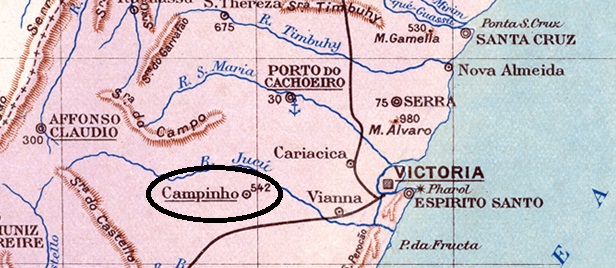
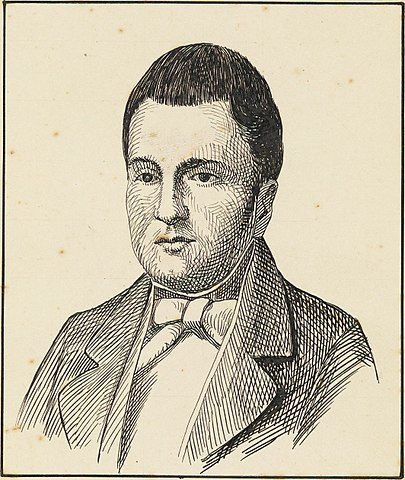
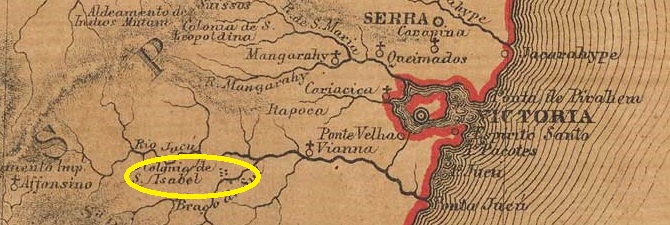
Campinhoberg (Campinho Mountain) was a colony of German Protestants from about 1860, belonging to the freguesia of Santa Izabel in the município Viana, located on the west bank of the river Jucu (North Branch), almost 50 km northwest of the provincial capital Vitória. The place was declared a district in December, when Santa Izabel became a município, and four years later it became a município itself, called Domingos Martins. The name commemorates Domingos José Martins (1781-1817), who was born in Espirito Santo and executed after the failed Pernambuco Revolution.
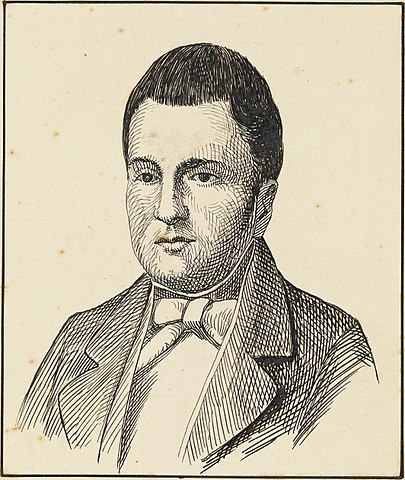
Domingos J. Martins (Briguiet ed., ca. 1900)
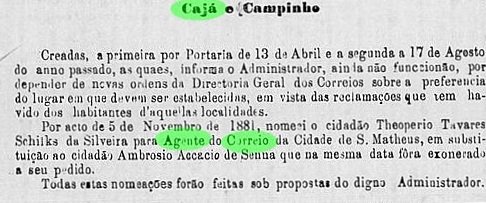
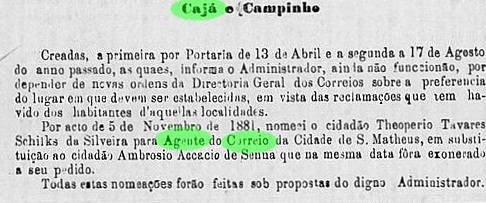
According to the regional press, the local post office was created in August 1881:
O Horisonte, 12.05.1882
However, as neither postmarks nor newspaper articles about this post office during the Empire have been found, R. Koester (Carimbologia VIII) and P. Novaes (agenciaspostais.com.br) suggest that the post office was opened only during the Republic.
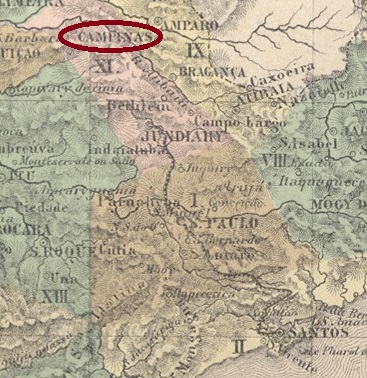
Provincia do Espirito Santo, 1923
Andere Namen: Campinhoberg, Domingos Martins (1921)
Campinhoberg war ab etwa 1860 eine Kolonie deutscher Protestanten, die zur Freguesia von Santa Izabel im Município Viana gehörte und am Westufer des Flusses Jucu (Nordarm), knapp 50 km nordwestlich der Provinzhauptstadt Vitória, lag. Der Ort wurde im Dezember, als Santa Izabel zum Município wurde, zum Distrikt erklärt, und vier Jahre später wurde der Município selbst Domingos Martins. Der Name erinnert an Domingos José Martins (1781-1817), der in Espirito Santo geboren und nach der gescheiterten Revolution von Pernambuco hingerichtet wurde.
Domingos J. Martins (Briguiet ed., ca. 1900)
Wie aus der regionalen Presse hervorgeht, wurde das örtliche Postamt im August 1881 ins Leben gerufen:
O Horisonte, 12.05.1882
Da jedoch bisher weder Poststempel noch Zeitungsartikel über dieses Postamt während des Kaiserreichs gefunden wurden, vermuten R. Koester (Carimbologia VIII) und P. Novaes (agenciaspostais.com.br), dass das Postamt erst nach der Republik den Betrieb aufnahm.
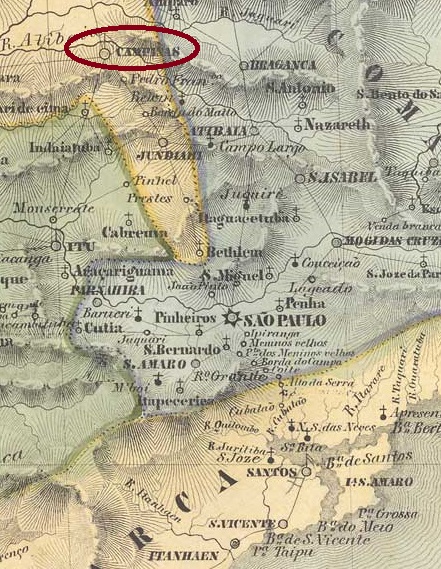
Campinas was founded in July 1774 as the freguesia of Nossa Senhora da Conceição de Campinas, which belonged to Jundiahy, located almost 100 km north of the province capital, and became the villa named São Carlos in November 1797. The ancient name Campinas returned definitively in February 1842, when the locality became a town.
According to Nova Monteiro (Administrações e Agencias Postaes do Brasil Imperio, in Brasil Filatelico/RJ, 1934-5; Reprint SPP 1994-1999), the local post office was created in October 1824. In conclusion, all local postmarks with São Carlos are pre-philatelic and should be dated between 1824 and 1842.
The first cancel with Campinas is CSP-0235a, which also exists in red and green, was used between 1842 and 1857 and is registered both by Paulo Ayres (Catálogo de Carimbos Brasil-Império, S. Paulo, 1937, 1942) under no. 1565 and in the RHM catalogue (P-SP-06):
CSP-0235a (P.A. 1565, RHM P-SP-06) 1842-1857
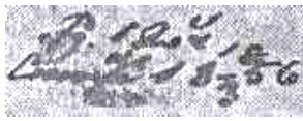
Around 1856 a handwritten cancellation was also current in Campinas:
(Fig. R. Koester) 1856
Between 1861 and 1863 CSP-0235b (Fig. Mário Celso Orsi Jr.) appeared:
CSP-0235b (MO) 1861-1863
CSP-0235c, which was also recorded by P. Ayres (op. cit., no. 1564), came almost simultaneously:
CSP-0235c (P.A. 1564) 1862-1865
It was followed by the French type CSP-0235d, which also occurs in blue and is also illustrated by P. Ayres (p. 117):
CSP-0235d (P.A. p. 117) 1867-1882
The simple postmark CSP-0235e (illustration from the internet) has so far only been found with dates of 1880:
CSP-0235e (EB) 1880
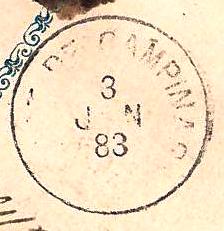
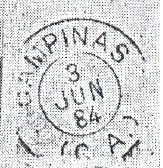
From c. 1882 onwards, postmarks with morning and afternoon times also appear, which would be a strong indication of a high mail volume:
Between 1887 and 1896 the cancel CSP-0235o (Fig. Mário Celso Orsi Jr) 1887-1896 was also used for registered mail:
CSP-0235o (MO) 1887-1896
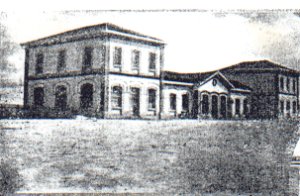
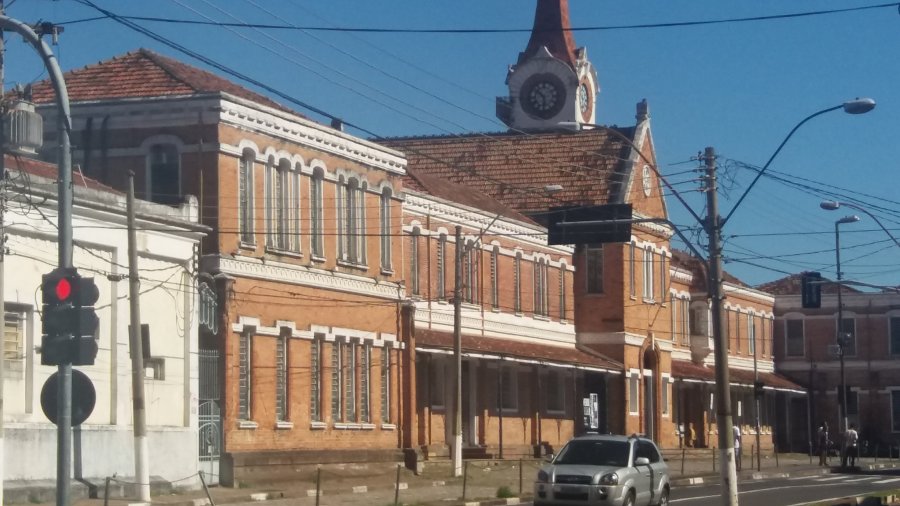
Campinas station was opened in August 1872 by the Cia. Paulista de Estradas de Ferro (Main Line). The line belonged to the FEPASA railway company from 1971 until its closure in 1998. As can be seen from the Directory of Imperial Post Offices (Tabella das Agencias do Correio do Imperio, Rio de Janeiro, 1885), there was also a post office at the station from 1881. Today, the tracks are still there, but the station building awaits its renovation.
Campinas railway station in 1884 (ill. by Filemon Perez on estacoesferroviarias.com.br)Campinas railway station, 2017 (ill. by Mario Sandrini on estacoesferroviarias.com.br)
In the imperial period there were two postmarks from this station, as well as one for the mail coach (Correio Ambulante):
CSP-0236a (ill. Luiz C. Fritzen) 1883CSP-0236b (RK) 1884-1887CSP-0236c (ill. from the internet) 1883-1892
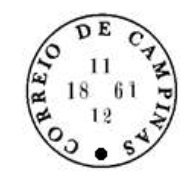
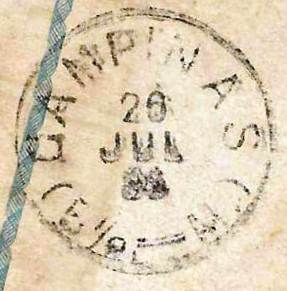
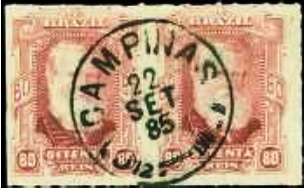
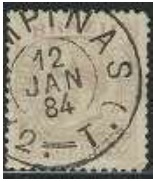
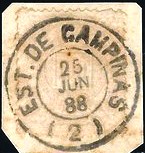
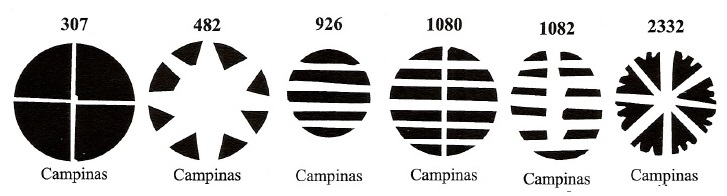
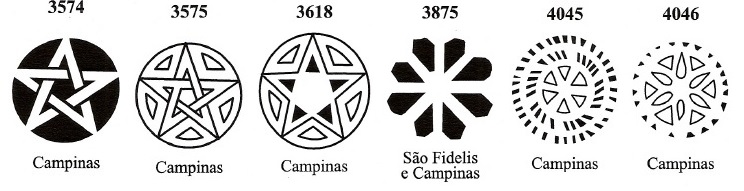
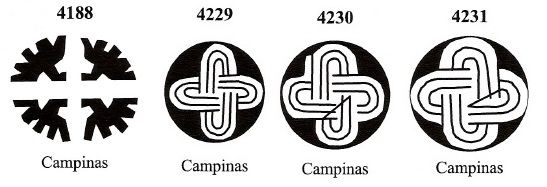
And here we have a brief overview of the many mute cancellations from Imperial Campinas. The first ones are found in Mute Cancellations of the Brazil Empire / Carimbos Mudos do Brasil Império (Brazil Philatelic Association, Rio de Janeiro, 2000) by James Dingler and Klerman W. Lopes :
1867 (AT) -1883 (MO)1873 (MO) – 1880 (MO) – 1880 (EB)Villiers de l’Ile Adam: Carta (…) da Provincia de São Paulo, 1947
Siehe auch São Carlos (SSP-1155)
Campinas wurde im Juli 1774 als die freguesia of Nossa Senhora da Conceição de Campinas gegründet. Damals gehörte sie zu Jundiahy und lag fast 100 km nördlich der Provinzhauptstadt São Paulo entfernt. Sie wurde die Villa von São Carlos im November 1797, doch der alte Name Campinas kehrte endgültig erst im Februar 1842 zurück, als die Ortschaft eine Stadt wurde.
Laut Nova Monteiro (Administrações e Agencias Postaes do Brasil Imperio, in Brasil Filatelico/RJ, 1934-5; Reprint SPP 1994-1999) gibt es dort ein Postamt seit Oktober 1824. Daraus folgt, dass alle Poststempel mit São Carlos aus der Vorphila-Zeit stammen und Daten zwischen 1824 und 1842 haben sollen.
Der erste Stempel mit Campinas ist CSP-0235a, der auch in rot und grün existiert, zwischen 1842 und 1857 verwendet wurde und sowohl bei Paulo Ayres (Catálogo de Carimbos Brasil-Império, S. Paulo, 1937, 1942) unter der Nr. 1565 als auch im RHM-Katalog (P-SP-06) registriert ist:
CSP-0235a (P.A. 1565, RHM P-SP-06) 1842-1857
Um 1856 wurde auch eine handschriftliche Entwertung in Campinas verwendet:
(Abb. R. Koester) 1856
Zwischen 1861 und 1863 erschien CSP-0235b (Abb. Mário Celso Orsi Jr.):
CSP-0235b (MO) 1861-1863
Fast gleichzeitig erschien CSP-0235c, der auch von P. Ayres (op. cit., Nr. 1564) erfasst wurde:
CSP-0235c (P.A. 1564) 1862-1865
Ihm folgte der französische Typ CSP-0235d, der auch in blau vorkommt und ebenfalls bei P. Ayres (S. 117) abgebildet ist:
CSP-0235d (P.A. p. 117) 1867-1882
Der einfache Poststempel CSP-0235e (Abbildung aus dem Internet) wurde bisher nur mit Daten von 1880 gefunden:
CSP-0235e (EB) 1880
Ab ca. 1882 tauchen auch Stempel mit Vor- und Nachmittagszeiten auf, was ein starkes Indiz für ein hohes Postaufkommen wäre:
Zwischen 1887 und 1896 wurde auch der Stempel CSP-0235o (Abb. Mário Celso Orsi Jr) 1887-1896 für Einschreiben verwendet:
CSP-0235o (MO) 1887-1896
Der Bahnhof Campinas wurde im August 1872 von der Cia. Paulista de Estradas de Ferro (Hauptlinie) eröffnet. Die Strecke gehörte von 1971 bis zu ihrer Stilllegung 1998 der Eisenbahngesellschaft FEPASA. Wie aus dem Verzeichnis der kaiserlichen Postämter (Tabella das Agencias do Correio do Imperio, Rio de Janeiro, 1885) hervorgeht, gab es am Bahnhof ab 1881 auch ein Postamt. Heute sind die Gleise noch vorhanden, aber das Bahnhofsgebäude ist renovierungsbedürftig.
Campinas Bahnhof, 1884 (Abb. Filemon Perez auf estacoesferroviarias.com.br)Campinas Bahnhof in 2017 (Abb. Mario Sandrini auf estacoesferroviarias.com.br)
In der Kaiserzeit gab es zwei Poststempel von diesem Bahnhof, sowie einen für den Postwagen (Correio Ambulante):
CSP-0236a (Abb. Luiz C. Fritzen) 1883CSP-0236b (RK) 1884-1887CSP-0236c (Abb. aus dem Internet) 1883-1892
Und hier noch ein kurzer Überblick über die vielen stummen Abstempelungen aus dem kaiserlichen Campinas. Aus Mute Cancellations of the Brazil Empire / Carimbos Mudos do Brasil Império (Brazil Philatelic Association, Rio de Janeiro, 2000) von James Dingler und Klerman W. Lopes kommen die ersten:
Other names: Glycerio, Timbu, Campina Grande do Sul
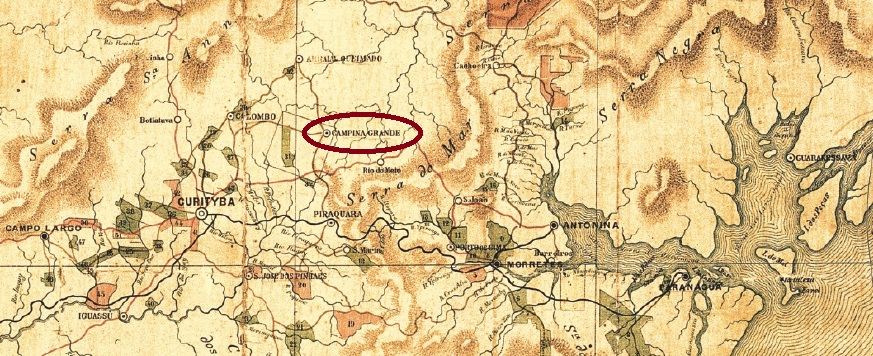
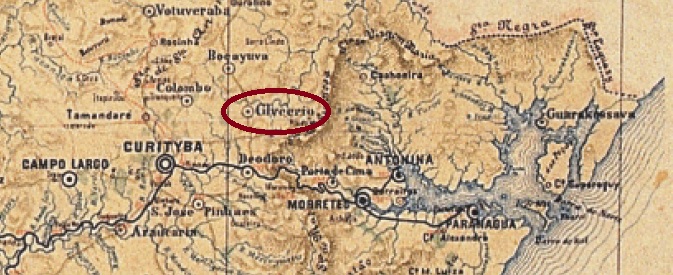
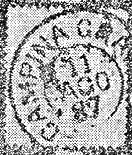
The Freguesia de S. João Baptista da Campina Grande was founded in April 1873 around the Vila do Arraial Queimado, 25 km northeast of the provincial capital Curitiba. In November 1883, the village was elevated to the status of a vila with its own município. Two name changes followed: in February 1890 to Glycerio and in November 1891 again to Campina Grande. In October 1938, Campina Grande was downgraded to the district of the Município Piraquara and in December 1943 it was renamed again, this time to Timbu. Under this name, it was upgraded to Município in November 1951. Finally, in February 1956, this Município was given the name Campina Grande do Sul, which is still valid today.
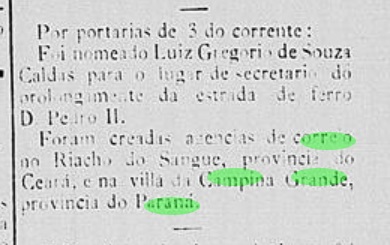
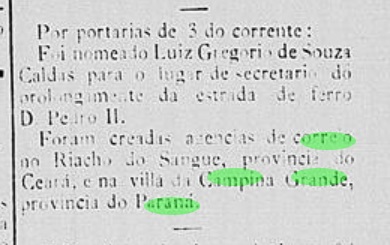
According to the capital’s press, the local post office was founded in June 1884:
Diario do Brazil/RJ, 06.06.1884
Reinhold Koester showed the imperial postmark CPR-0030a in Carimbologia VIII:
CPR-0030a (RK) 1887
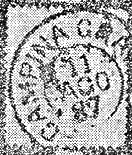
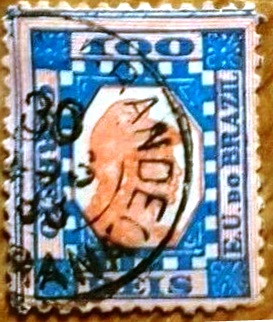
The following postmark CPR-0030b (illustration from the internet) might already be from the time of the Republic:
CPR-0030b (EB) 1893Estado do Paraná, 1896
Andere Namen: Glycerio, Timbu, Campina Grande do Sul
Die Freguesia de S. João Baptista da Campina Grande wurde im April 1873 im Gebiet der Vila do Arraial Queimado, 25 km nordöstlich der Provinzhauptstadt Curitiba, gegründet. Im November 1883 wurde der Ort zur Vila mit eigenem Município erhoben. Es folgten zwei Namensänderungen: im Februar 1890 in Glycerio und im November 1891 wieder in Campina Grande. Im Oktober 1938 wurde Campina Grande zum Distrikt des Município Piraquara herabgestuft und im Dezember 1943 erneut umbenannt, diesmal in Timbu. Unter diesem Namen erfolgte im November 1951 die Aufwertung zum Município. Schließlich erhielt dieser Município im Februar 1956 den noch heute gültigen Namen Campina Grande do Sul.
Wie aus der Presse der Hauptstadt hervorgeht, wurde das örtliche Postamt im Juni 1884 gegründet:
Diario do Brazil/RJ, 06.06.1884
Reinhold Koester zeigte in Carimbologia VIII den kaiserlichen Poststempel CPR-0030a:
CPR-0030a (RK) 1887
Der folgende Stempel CPR-0030b (Abbildung aus dem Internet) dürfte bereits aus der Zeit der Republik stammen:



















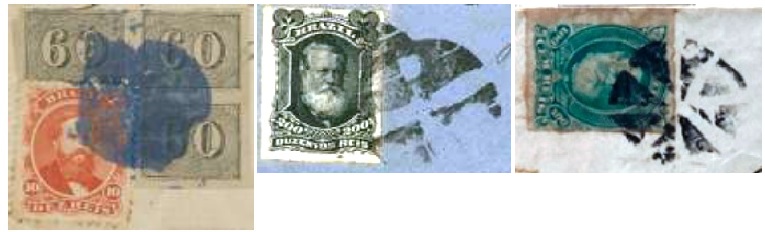
 Carimbologia