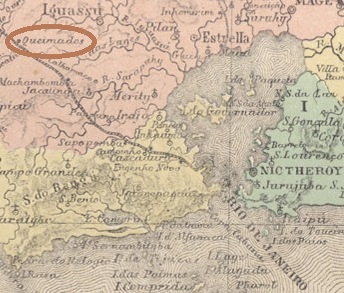
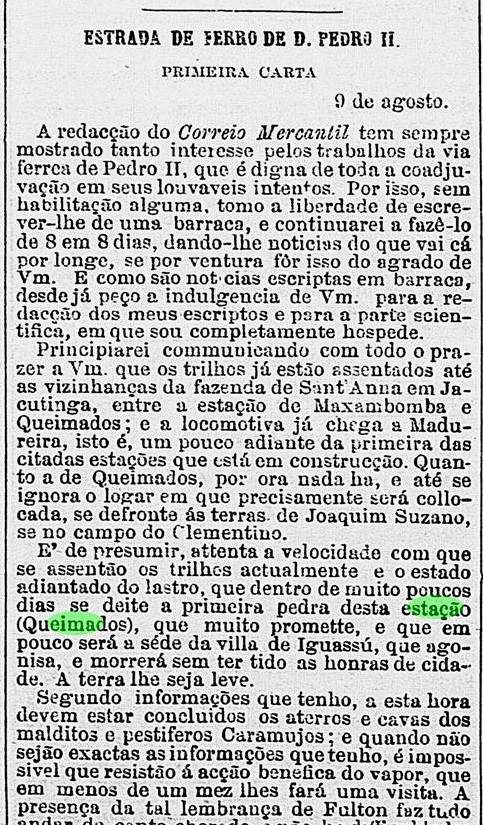
Queimados was formerly a train station of the Dom Pedro II Railway and has since 1990 the municipality status. A local legend says the Emperor himself named spontaneously the station at its opening on March 29 1858, but this nice story cannot be true, as the name could be read in the local press before that date:

Correio Mercantil, Rio de Janeiro, August 12, 1857
Probably there was nothing but the station at the beginning there, because according to Paulo Novaes (agenciaspostais.com.br), the post office came only in 1863. And by the end of 1866 there was no church in Queimados yet. Anyway, it seems that almost all early imperial cancels are railway ones, given that the development of the village needed more time.
QRJ-2145a (Coll. José A. Junges) was already listed by Paulo Ayres (#1424). Known dates: 1863 to 1868.

QRJ-2145b (Coll. José A. Junges) has a double circle with QUEIMADOS in-between (above) and the date within the inner circle. Used at least in 1877.
QRJ-2145c (Coll. José A. Junges) is similar to the former, but also presents ornamental branches below. Found with 1889 date.
QRJ-2145d (Coll. José A. Junges) was also similar to the formers, but with a rhombus below. Found also in 1889.
QRJ-2145e (from the Internet) is probably the latest Queimados cancel in the Empire. Similar to the others, but presenting a x-Cross with serifs below. The known exemplars are dated between 1889 and 1898.
QRJ-3545a (Coll. José A. Junges) is easily recognizable, for it is the only Queimados cancel which mentions underneath (EST.), for station. The inner circle is doubled. Found examples between 1885 and 1888.
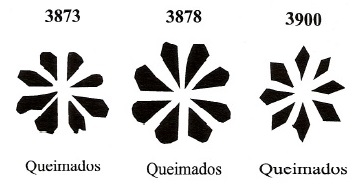
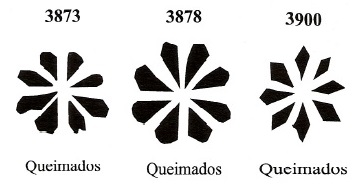
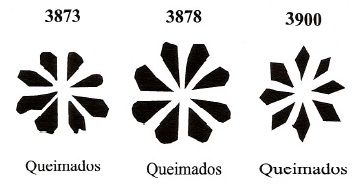
James Dingler and Klerman W. Lopes listed three mute postmarks from Queimados in Mute Cancellations of the Brazil Empire / Carimbos Mudos do Brasil Império (Brazil Philatelic Association, Rio de Janeiro, 2000):
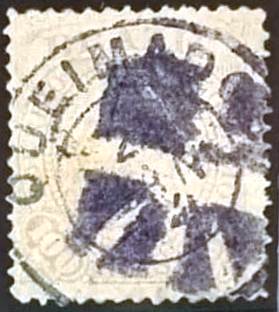
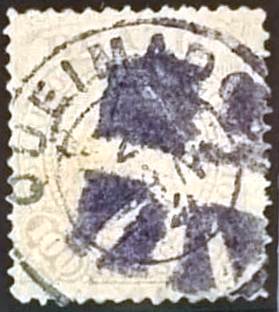
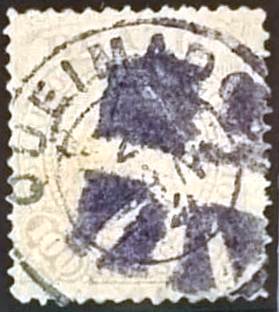
Another mute cancel was found in Marcio Duarte’s collection.
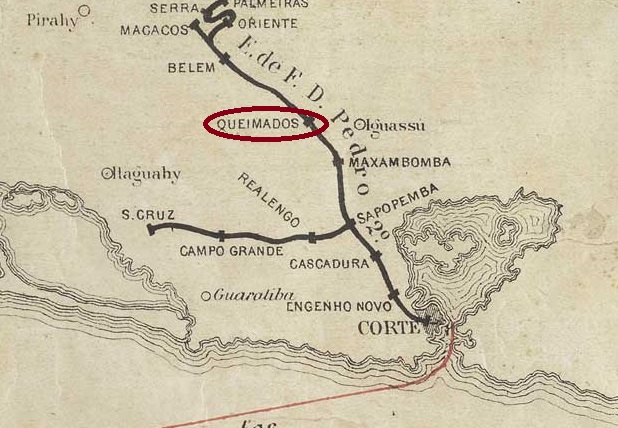
Queimados era uma estação da E.F. Dom Pedro II, em 1997 ainda em funcionamento pela Supervias, e hoje localizada no município homônimo. Uma anedota várias vezes registrada sustenta que o próprio imperador teria „batizado“ a estação por ocasião da inauguração, em março de 1858, ao ver umas queimadas pelas redondezas. Mas essa bela historinha não pode ser verdadeira, uma vez que se pode ler o nome do local na imprensa fluminense antes daquela data.
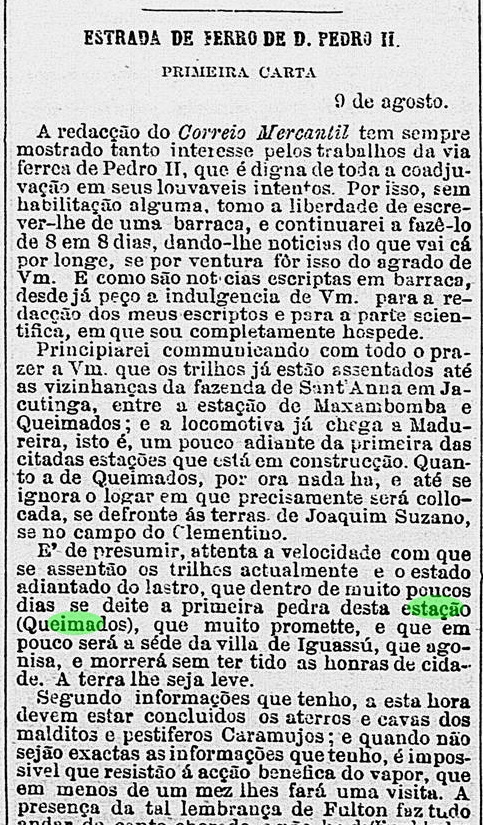
Outra versão, mais macabra, refere-se a um centro de leprosos por lá, que teriam sido eventualmente … queimados. Mas o mais provável é que pouco ou nada havia além da estação a princípio, pois segundo Paulo Novaes (agenciaspostais.com.br), a agência do correio só veio em 1863, e em fins de 1866 ainda nem havia igreja por lá:
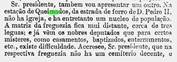
Como o povoamento se desenvolveu tão lentamente, é provável que quase todos os carimbos imperiais de lá tenham sido ferroviários. O primeiro deles é certamente QRJ-2145a, já listado por Paulo Ayres sob número 1424, e encontrado entre 1863 e 1868:

QRJ-2145b (Col. José A. Junges) apresenta um duplo círculo com a inscrição QUEIMADOS (acima) e a data dentro do círculo interno. Utilizado pelo menos até 1877. QRJ-2145c (Col. José A. Junges) é similar ao anterior, mas apresenta um florão ornamental abaixo. Encontrado em 1889. O mesmo para QRJ-2145d (Col. José A. Junges), mas aqui o ornamento inferior é um losango horizontal. Também ocorrente em 1889. Já QRJ-2145e (imagem da internet) deve ser talvez o último carimbo imperial de Queimados. Similar aos anteriores, mas agora o ornamento inferior tem forma de cruz com patilhas nas extremidades. Exemplares encotrados entre 1889 e 1898.
QRJ-3545a (Col. José A. Junges) é facilmente reconhecível por ser o único carimbo até agora encontrado com a menção (EST.), dentro do arco inferior. Alé disso, o círculo interno é duplo. Exemplares ocorrentes entre 1885 e 1888, o que colocaria este carimbo cronologicamente entre QRJ-2145b e QRJ-2145c.
James Dingler e Klerman W. Lopes listaram em Mute Cancellations of the Brazil Empire / Carimbos Mudos do Brasil Império (Clube Filatélico do Brasil, Rio de Janeiro, 2000) três carimbos mudos de Queimados:
Na coleção de Marcio Duarte foi encontrado outro carimbo mudo.
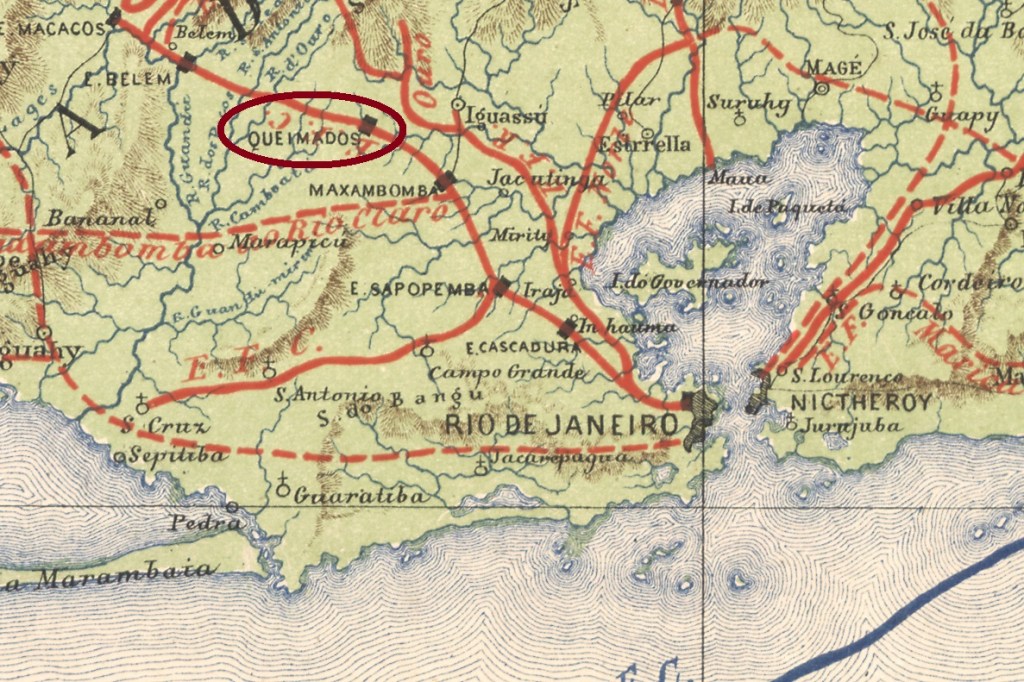
Queimados war ursprünglich ein Bahnhof der Estrada de Ferro Dom Pedro II und ist seit 1990 ein eigenständiger Município. Eine oft verbreitete Anekdote erzählt, bei der Einweihung des Bahnhofs am 29.03.1858 hätte der brasilianische Kaiser selbst den Ort spontan so genannt. Diese nette Geschichte kann aber nicht stimmen, denn der Ortsname war schon früher in der Lokalpresse zu lesen:
Zu Beginn des Bahnbetriebs gab es wohl sonst nicht viel dort. Laut Paulo Novaes (agenciaspostais.com.br) wurde eine Postagentur erst 1863 errichtet. Und am Ende 1866 gab es immer noch keine Kirche in Queimados. Da die Besiedlung des Ortes Zeit gebraucht hat, darf man annehmen, dass die ersten Stempel der Kaiserzeit aus dem Bahnhofspostamt stammen.
QRJ-2145a (Samml. José A. Junges) wurde bereits durch Paulo Ayres erfasst (Nr. 1424). Benutzt wohl vom Betriebsbeginn in 1863 bis mindestens 1868.

QRJ-2145b (Samml. José A. Junges) zeigt einen Doppelkreis mit QUEIMADOS dazwischen (oben) and das Datum im Innenkreis. Bekannt in 1877.
QRJ-2145c (Samml. José A. Junges) ist ähnlich wie vor, hat aber Verzierungen wie gekreuzte Äste unten. Einzutreffen mit Datum 1889.
QRJ-2145d (Samml. José A. Junges) ist auch wie die beiden vorherigen Beispiele, zeigt aber eine liegende Raute unten. Auch in 1889 einzutreffen.
QRJ-2145e (aus dem Internet) ist womöglich der letzte Queimados-Stempel der Kaiserzeit. Ähnlich wie vor, zeigt aber ein schrägstehendes Kreuz mit verdickten Serifen unten. Es sind Exemplare zwischen 1889 und 1898 bekannt.
QRJ-3545a (Samml. José A. Junges) ist leicht erkennbar, denn er zeigt als einziger Stempel unten die Buchstaben (EST.), für Estação, Bahnhof. Der Innenkreis ist verdoppelt. Exemplare gefunden zwischen 1885 und 1888.
James Dingler und Klerman W. Lopes haben in Mute Cancellations of the Brazil Empire / Carimbos Mudos do Brasil Império (Brazil Philatelic Association, Rio de Janeiro, 2000) drei stumme Poststempel aus Queimados aufgeführt:
In der Sammlung von Marcio Duarte wurde ein weiterer stummer Poststempel gefunden.

 Carimbologia