Another name: Lambari
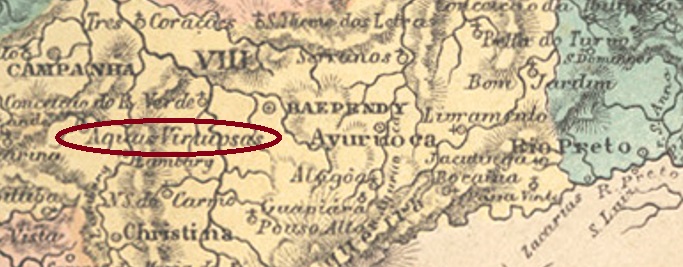
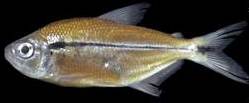
The Freguesia of Aguas Virtuosas de Campanha was founded in June 1850 in the Município of Campanha, located on the west bank of the river Lambari, 340 km southwest of the provincial capital Ouro Preto. In September 1901, the village emancipated itself as an independent município, which has been called Lambari since December 1930. Lambari is the indigenous general term for nearly 150 fish species of the genus Astyanax (Characidae family), which are found from Patagonia to Arizona in the Americas.
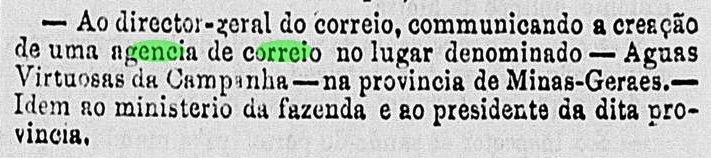
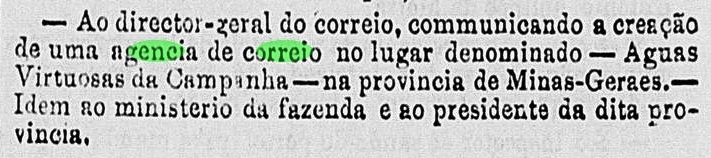
Paula Sobrinho writes in Historia Postal de Minas Gerais (Belo Horizonte, 1997) that the local post office was created in August 1859. This is confirmed by a ministerial protocol from Rio:
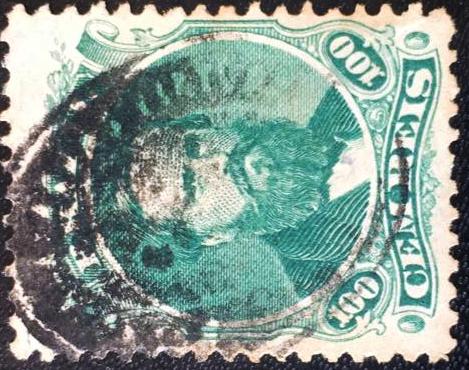
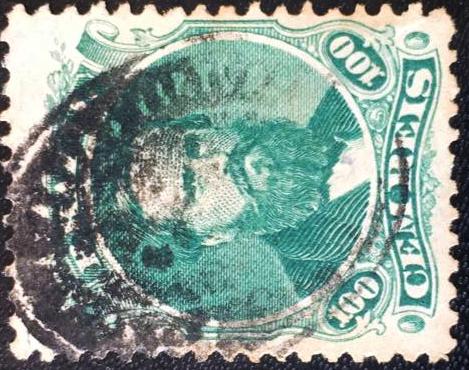
The oldest postmark so far, AMG-0040a (Coll. Lelio Cimini), is unfortunately not yet clearly visible in detail:
It was followed by AMG-0040b, which was already shown by R. Koester (Carimbologia I):

Then came AMG-0040c (image from the internet), which was in circulation from 1887 to at least 1891: a double circle with the inscription AGUAS VIRTUOSAS at the top and an ornament in lozenge at the bottom, cross-cut in the middle.
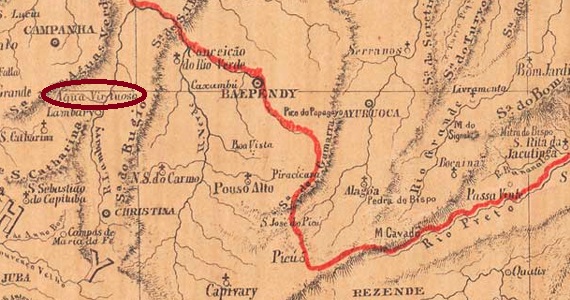
Anderer Name: Lambari
Die Freguesia von Aguas Virtuosas de Campanha wurde im Juni 1850 im Município von Campanha gegründet und lag am Westufer des Flusses Lambari, 340 km südwestlich der Provinzhauptstadt Ouro Preto entfernt. Im September 1901 emanzipiert sich der Ort als eigenständiger Município, der seit Dezember 1930 Lambari heißt. Lambari ist der indigene Allgemeinbegriff für knapp 150 Fische der Gattung Astyanax (Familie Characidae), die von Patagonien bis Arizona im amerikanischen Kontinent zu finden sind.
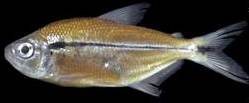
Paula Sobrinho schreibt in Historia Postal de Minas Gerais (Belo Horizonte, 1997), dass das örtliche Postamt im August 1859 ins Leben gerufen wurde. Das wird durch ein Ministerialprotokoll aus Rio bestätigt:
Der bisher älteste Poststempel AMG-0040a (Samml. Lelio Cimini) ist leider bisher nicht ganz deutlich in Detail zu sehen:
Ihm folgte AMG-0040b, der bereits durch R. Koester (Carimbologia I) gezeigt wurde:

Danach kam AMG-0040c (Abb. aus dem Internet), der von 1887 bis mindestens 1891 im Umlauf war: ein Doppelkreis mit der Inschrift AGUAS VIRTUOSAS oben und einem Ornament in Raute unten, das in der Mitte kreuzförmig offen ist.

 Carimbologia