Text update on March 15, 2025
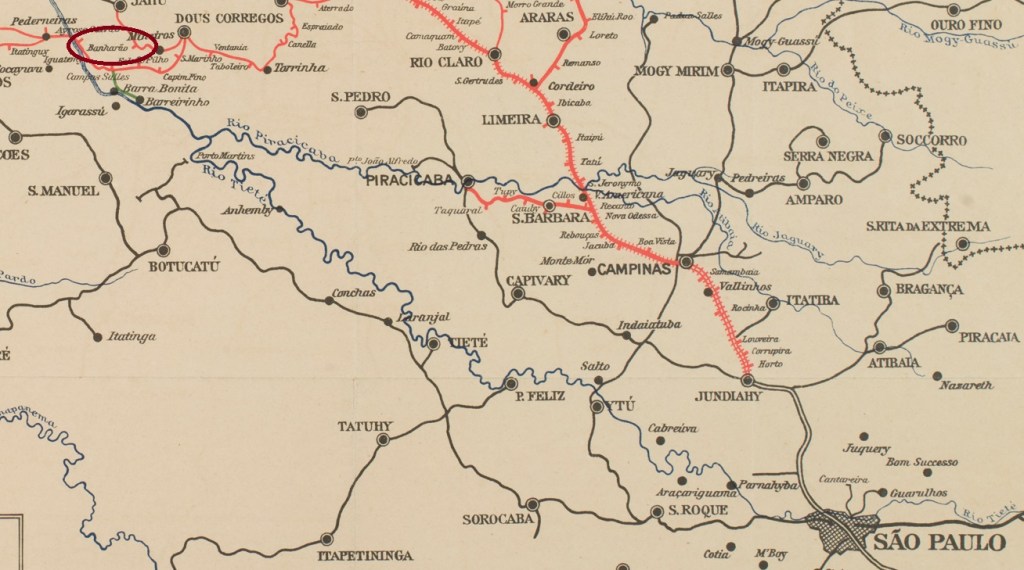
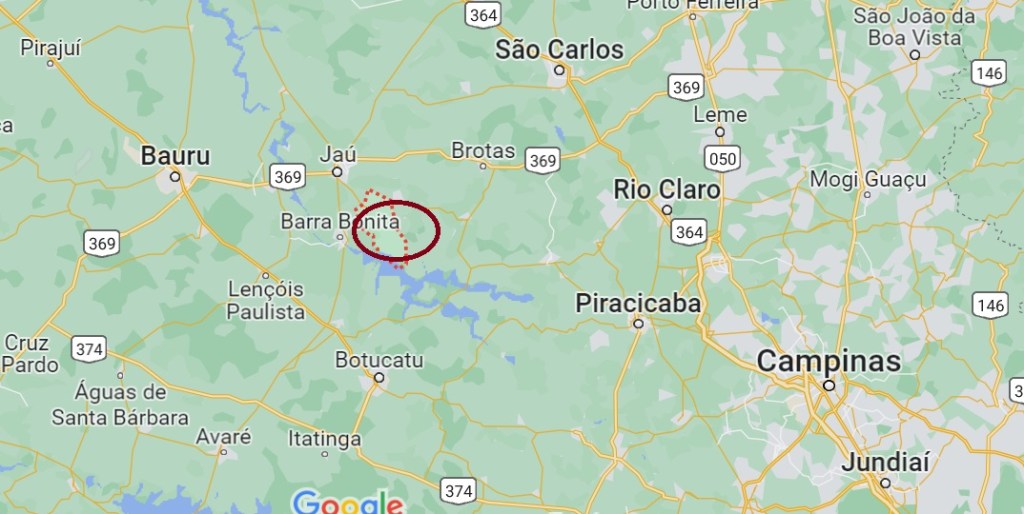
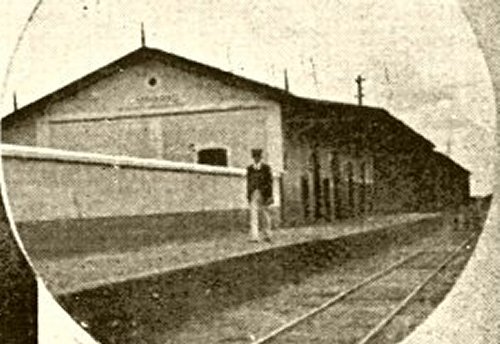
There were two railway stations in São Paulo called Banharão. This is the older one, inaugurated in February 1887 by the E.F. Rio Clarense Railway Company, Jaú Branch, and was then located on the north bank of the Tietê River in the Município of Dois Córregos, 270 km northwest of the capital São Paulo. The railway line changed to the Rio Claro Railway in 1888 and belonged to Companhia Paulista from 1892 until it was closed in 1941. Then a new line was built, which required a new station. The area around the old station, which had been demolished in the meantime, became part of the newly founded Município of Mineiros in August 1899, which has been called Mineiros do Tietê since November 1944.
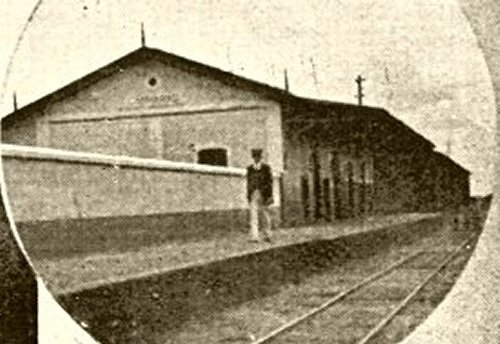
Philatelist Mário Celso Orsi Jr. writes that there was a station post office there from February 1887. However, a note from the regional press shows that the agency was created a month later:

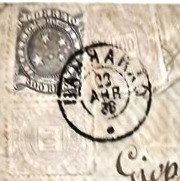
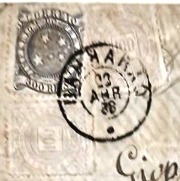
In the meantime, the postmark BSP-0095a (Fig. Felipe Piccinini) has been found, which should be the first from this station:
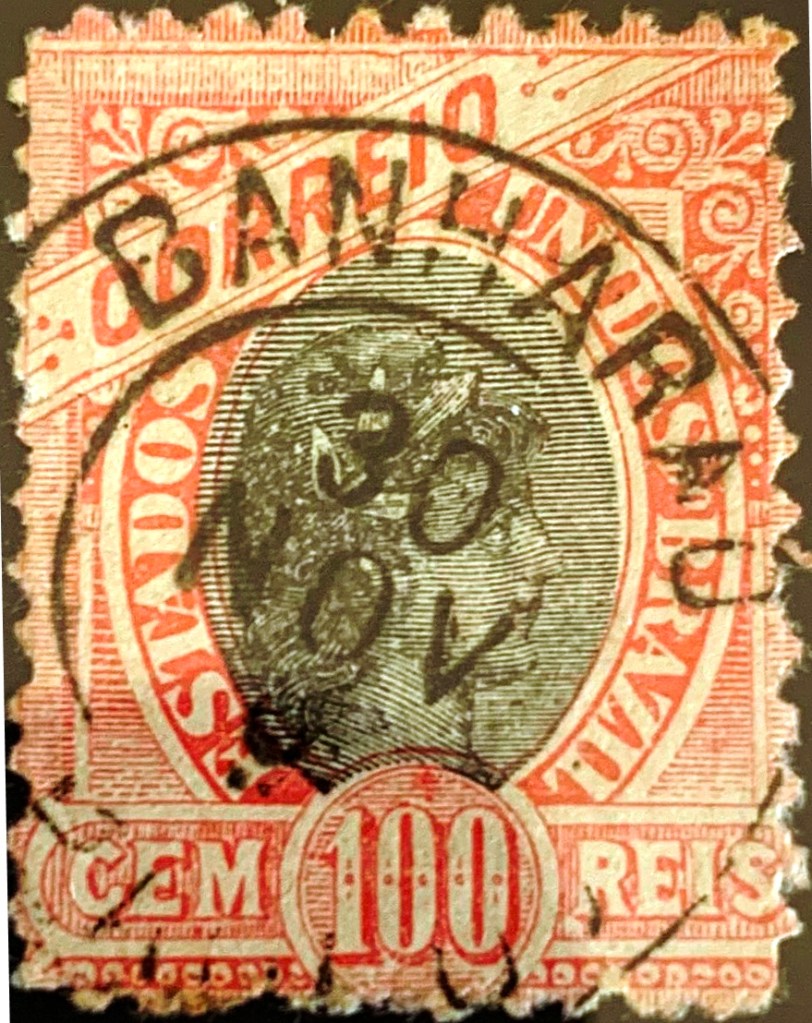
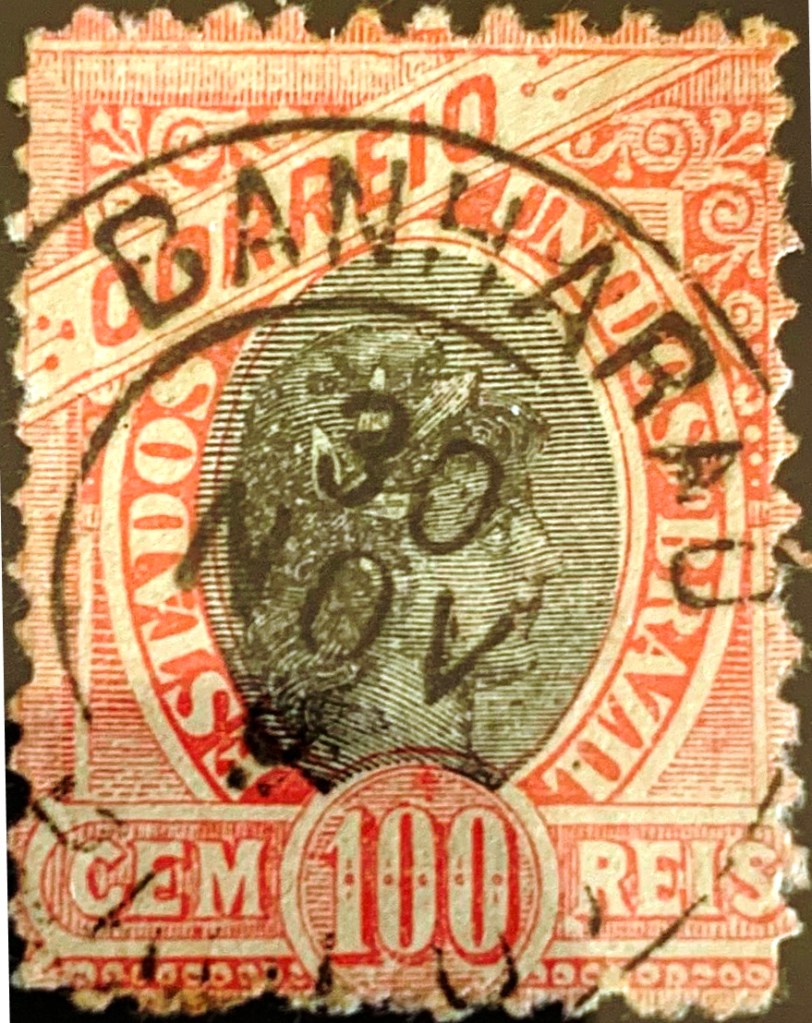
The successor BSP-0095b (coll. Alexandre Andrade) was found on a stamp from 1894:
Textaktualisierung am 15. März 2025
Es gab zwei Bahnhöfe in São Paulo, die Banharão hießen. Dieser ist der Ältere, im Februar 1887 durch die E.F. Rio Clarense Bahngesellschaft, Jaú Abzweigung, eingeweiht, und lag damals am Nordufer des Flusses Tietê im Município von Dois Córregos, 270 km nordwestlich der Hauptstadt São Paulo entfernt. Die Bahnlinie wechselte 1888 zur Rio Claro Railway und gehörte von 1892 bis zur Stilllegung 1941 der Companhia Paulista. Dann kam eine Neubaustrecke für die Linie, die ein neuer Bahnhof erforderlich machte. Die Region um den inzwischen abgerissenen Altbahnhof ging im August 1899 zum neu gegründeten Município von Mineiros, der seit November 1944 Mineiros do Tietê heißt.
Der Philatelist Mário Celso Orsi Jr. schreibt, dass es dort ab Februar 1887 ein Bahnhofspostamt gab. Eine Note der Regionalpresse zeigt allerdings, dass die Agentur ein Monat später entstanden ist:

Inzwischen wurde der Poststempel BSP-0095a (Abb. Felipe Piccinini) gefunden, der der erste von diesem Bahnhof sein soll:
Auf einer Briefmarke von 1894 fand sich der Nachfolger BSP-0095b (Samml. Alexandre Andrade):

 Carimbologia