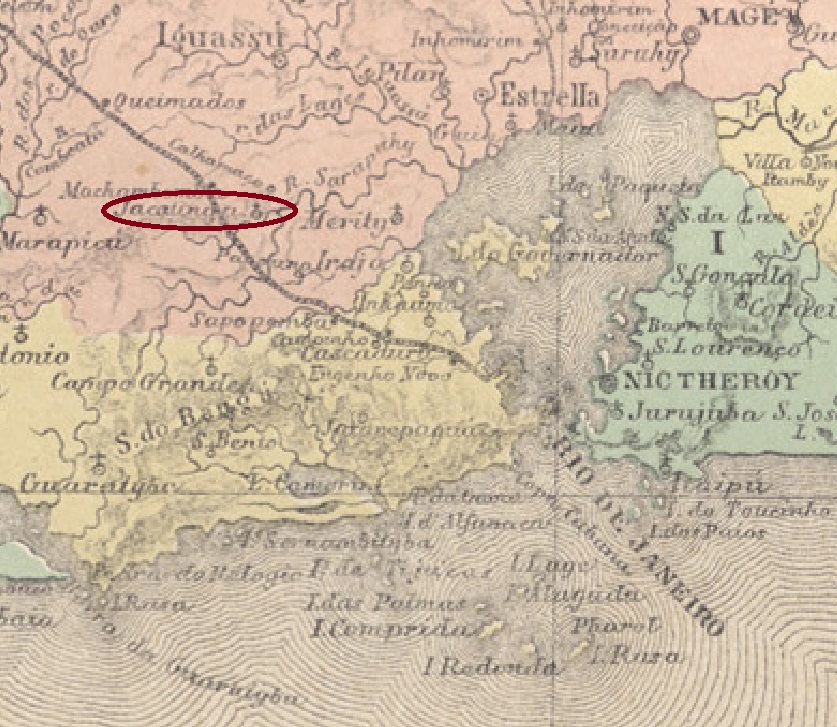
Other names: Sto. Antonio de Jacutinga, Belford Roxo (1938)
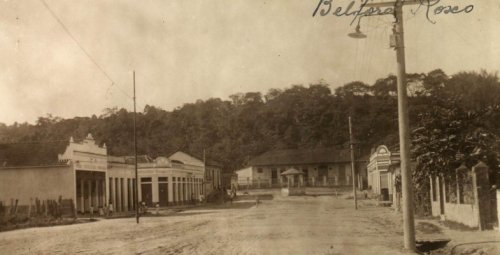
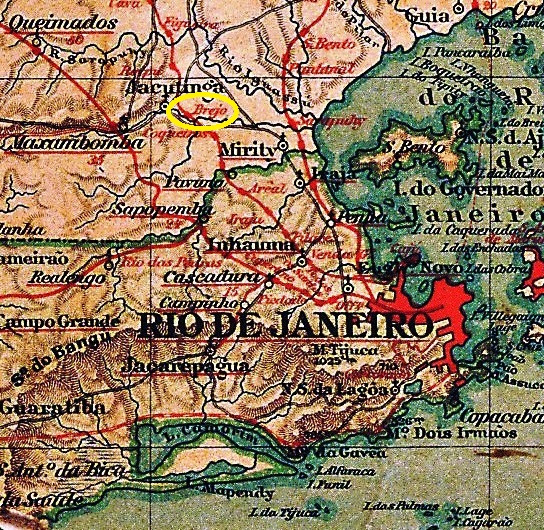
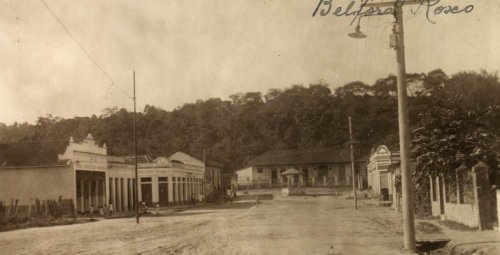
The history of this village begins around 1800, with the creation of the Fazenda do Brejo in the Freguesia of Maxambomba on the north bank of the Sarapuí River, 30 km northwest of the capital Rio de Janeiro. The settlement grew rapidly and in January 1833 became the freguesia of Sto. Antonio da Jacutinga, which belonged to the Município of Iguaçu.
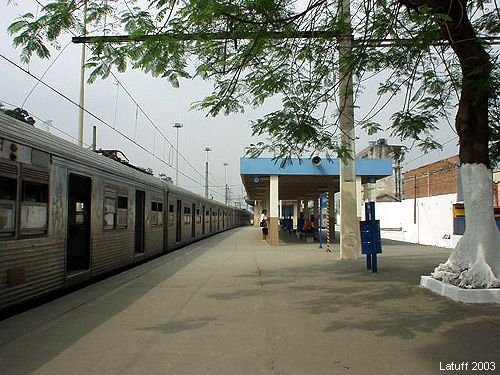
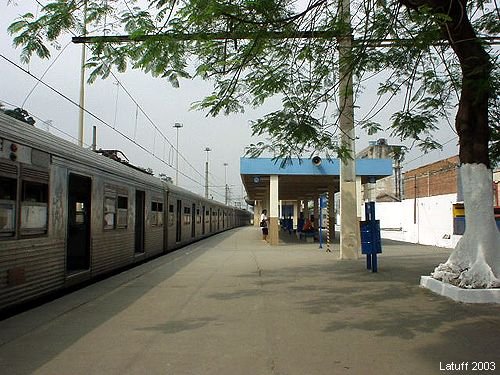
Fifty years later, a station of the E.F. Rio d’Ouro railway company (Branch Line) was inaugurated there. In 1927, the railway line became the property of the E.F. Central do Brasil. In December 1938, the Freguesia do Brejo became a district called Belford Roxo, which now belonged to the Município of Nova Iguaçu, and has been an independent Município since April 1990. De name pays tribute to the engineer Raymundo Teixeira Belfort Roxo (1838-1896, spelled with a t), who was responsible for the water supply in Rio de Janeiro at the end of the century.
The railway line changed hands again in 1975 to Rede Ferroviária Federal S.A. and has belonged to the Supervias consortium since 1997.
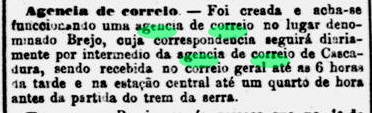
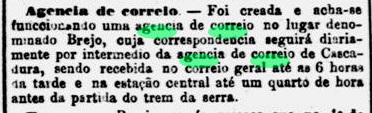
As reported by the Rio press, there had been a post office on site since November 1872:
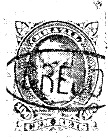
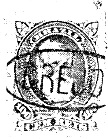
The first postmark is BRJ-0210a, used until at least 1877 and already known through R. Koester (Carimbologia VI):
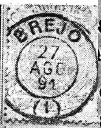
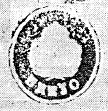
Its successor BRJ-0210b was also shown to us by Koester (op. cit.). This postmark could be from a post office at the railway station, but the corresponding confirmation is still missing.
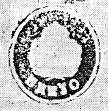
The third postmark BRJ-0210c can also be seen at Koester:
Andere Namen: Sto. Antonio de Jacutinga, Belford Roxo (1938)
Die Geschichte dieser Ortschaft fängt um 1800 an, mit der Entstehung der Fazenda do Brejo in der Freguesia von Maxambomba am Nordufer des Flusses Sarapuí, 30 km nordwestlich der Hauptstadt Rio de Janeiro. Die Siedlung wuchs schnell und wurde im Januar 1833 die Freguesia von Sto. Antonio da Jacutinga, die dem Município von Iguaçu zugeordnet war.
Fünfzig Jahre später wurde dort ein Bahnhof der E.F. Rio d’Ouro Bahngesellschaft (Nebenlinie) eingeweiht. 1927 ging die Bahnlinie in Besitz der E.F. Central do Brasil. Im Dezember 1938 wurde aus der Freguesia do Brejo ein Distrikt namens Belford Roxo, der nun dem Município von Nova Iguaçu gehörte und seit April 1990 ein eigenständiger Município ist. Der Name zollt Tribut an den Ingenieur Raymundo Teixeira Belfort Roxo (1838-1896, mit t geschrieben), der am Ende des Jahrhunderts für die Wasserversorgung in Rio de Janeiro zuständig war.
Die Bahnlinie wechselte abermals 1975 zur Rede Ferroviária Federal S.A. und gehört seit 1997 dem Konsortium Supervias an.
Wie die Presse aus Rio berichtete, gab es vor Ort ein Postamt seit November 1872:
Der erste Poststempel ist BRJ-0210a, der bis mindestens 1877 verwendet wurde und bereits durch R. Koester (Carimbologia VI) bekannt ist:
Seinen Nachfolger BRJ-0210b zeigte uns auch Koester (op.cit.). Dieser Poststempel könnte aus einem Postamt am Bahnhof sein, allerdings fehlt die entsprechende Bestätigung.
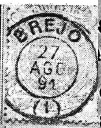
Auch der dritte Poststempel BRJ-0210c ist bei Koester zu sehen:

 Carimbologia