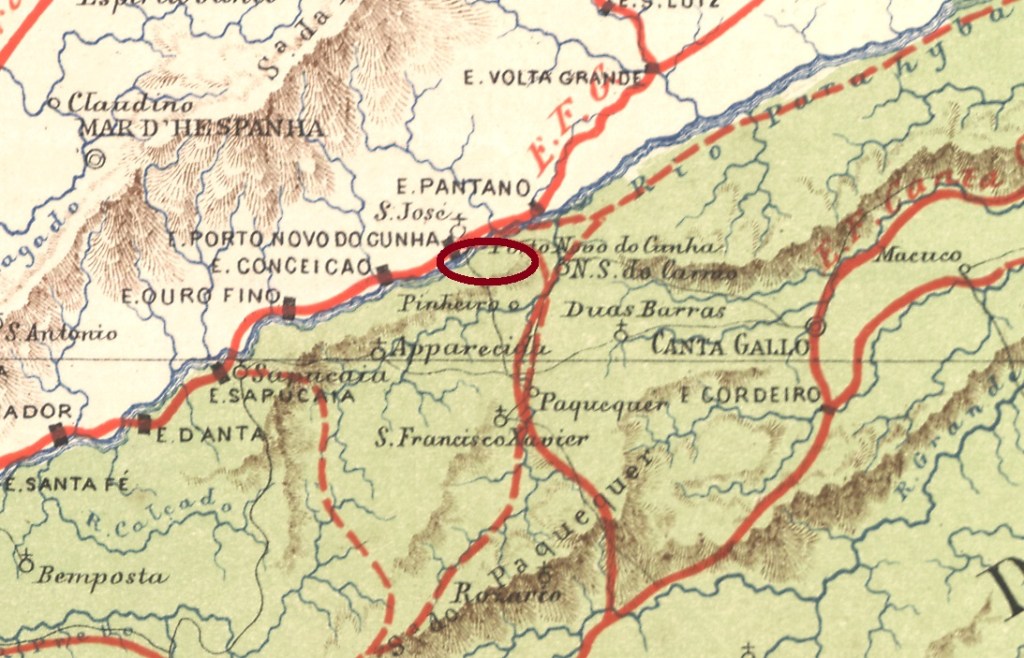
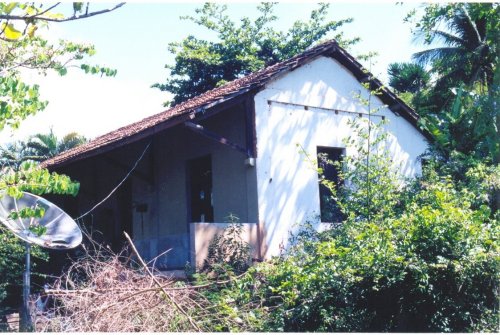
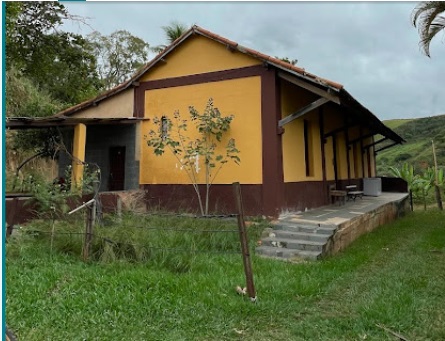
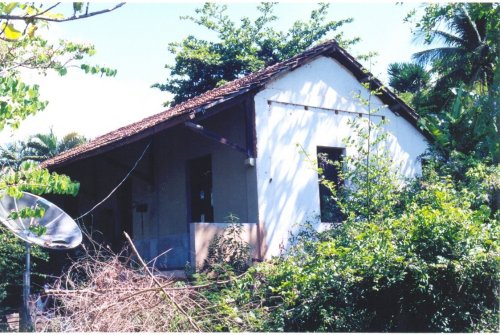
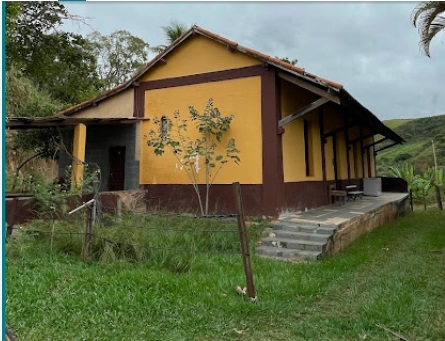
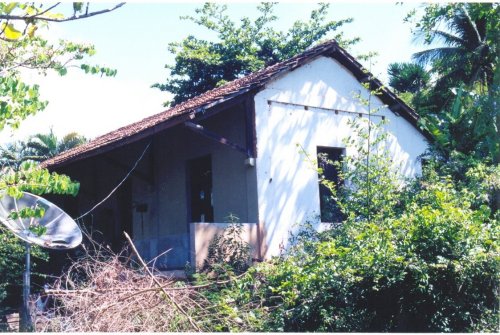
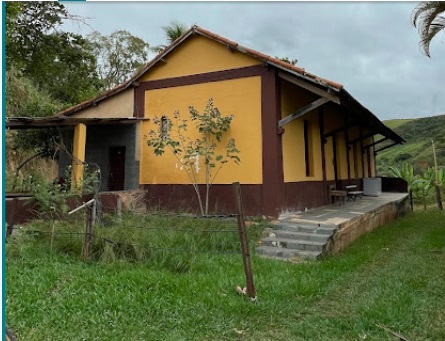
Paquequer Station was opened in August 1885 by the C.E.F. do Sumidouro railway company on the south bank of the Paraíba do Sul in the municipality of Carmo. It was located 190 km north of the capital Rio de Janeiro. From 1885 until its closure in 1967, the railway line belonged to E.F. Leopoldina as the Sumidouro branch. Today, the tracks have disappeared and the station building, which was still being used as a residential building ten years ago, appears to have been renovated in the meantime.
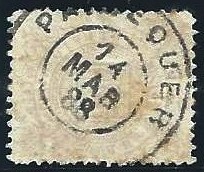
As R. Koester writes in Carimbologia XXIX, there had been a post office there since March 1887. The oldest postmark to date is PRJ-1830a (fig. agenciaspostais.com.br):
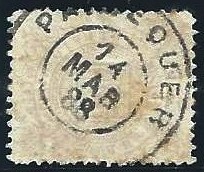
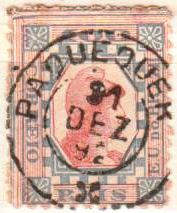
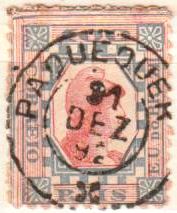
This was followed by PRJ-1830b (Fig. Koester, op. cit.):

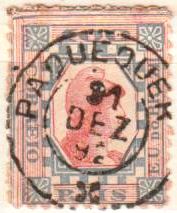
At the end of the 19th century, PRJ-1830c also appeared (Fig. from the Internet):
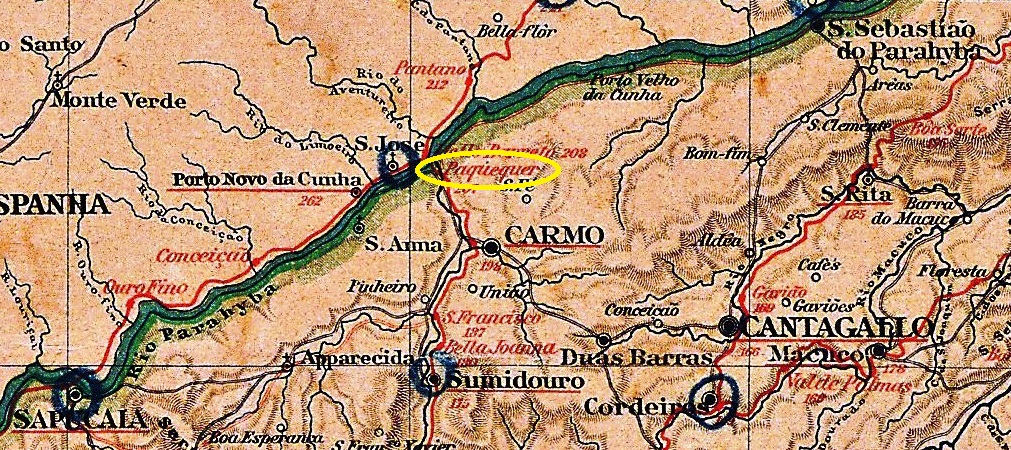
A estação ferroviária de Paquequer foi inaugurada em agosto de 1885 pela C.E.F. do Sumidouro, na margem sul do rio Paraíba do Sul, no município de Carmo. Ela ficava a 190 km ao norte da capital Rio de Janeiro. De 1885 até seu fechamento em 1967, a linha ferroviária pertenceu à E.F. Leopoldina, como ramal do Sumidouro. Hoje, os trilhos desapareceram e o prédio da estação, que há dez anos ainda servia como residência, parece ter sido reformado.
Como escreve R. Koester em Carimbologia XXIX, havia uma agência dos correios no local desde março de 1887. O carimbo postal mais antigo encontrado até agora é o PRJ-1830a (fig. agenciaspostais.com.br):
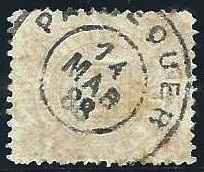
Seguiu-se o PRJ-1830b (fig. Koester, op. cit.):

No final do século XIX, surgiu também o PRJ-1830c (fig. da Internet):
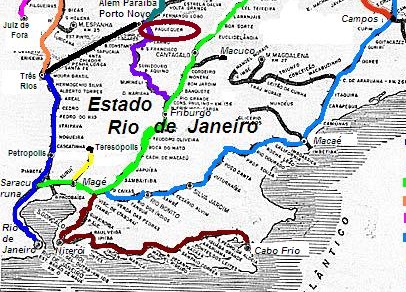
Der Bahnhof Paquequer wurde im August 1885 von der Eisenbahngesellschaft C.E.F. do Sumidouro am Südufer des Paraíba do Sul im Município de Carmo eröffnet. Er lag 190 km nördlich der Hauptstadt Rio de Janeiro. Die Bahnlinie gehörte von 1885 bis zu ihrer Stilllegung im Jahr 1967 zur E.F. Leopoldina, als Sumidouro-Zweig. Heute sind die Gleise verschwunden und das Bahnhofsgebäude, das vor zehn Jahren noch als Wohnhaus diente, scheint inzwischen renoviert worden zu sein.
Wie R. Koester in Carimbologia XXIX schreibt, gab es dort seit März 1887 ein Postamt. Der bisher älteste Poststempel ist PRJ-1830a (Abb. agenciaspostais.com.br):
Es folgte PRJ-1830b (Abb. Koester, op. cit.):

Am Ende des 19. Jahrhunderts kam dann PRJ-1830c (Abb. aus dem Internet):

 Carimbologia