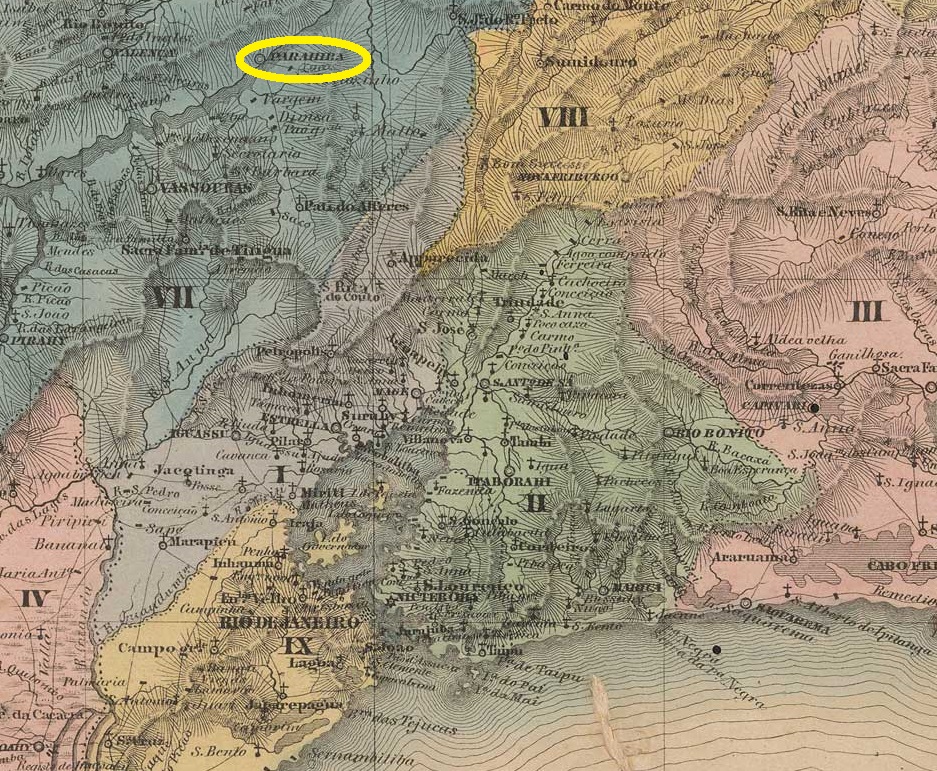
Other spellings: Parahiba/Paraíba do Sul
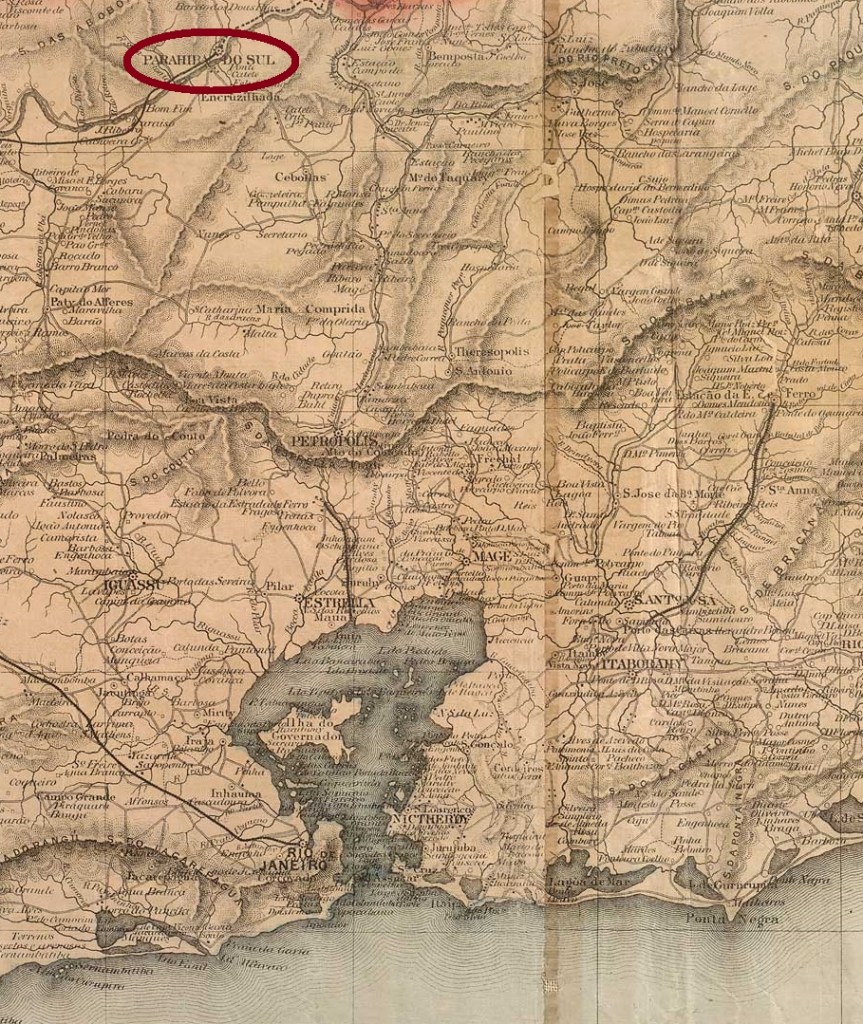
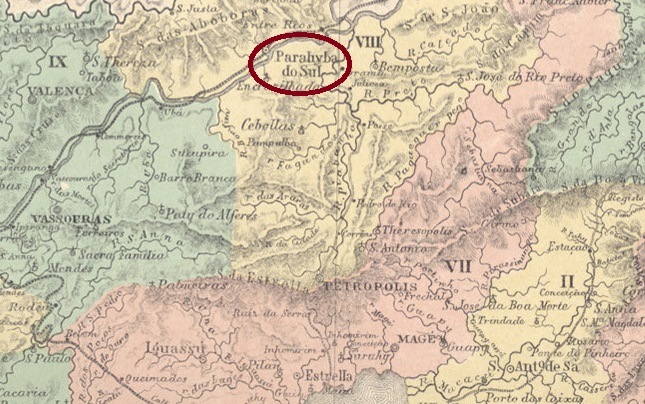
The locality was originally called Freguesia de S. Pedro e S. Paulo and was located on the south bank of the Paraíba do Sul River, 140 km north of the capital Rio de Janeiro. In January 1833, it became a vila and in December 1870 a town.
According to Nova Monteiro in Administrações e Agencias Postaes do Brasil Imperio (Brasil Filatelico/RJ, 1934–1935; reprinted by SPP 1994–1999), there had been a post office there since September 1832. The oldest postmark to date is PRJ-0750a. It also exists in red and orange. It was recorded by P. Ayres in ‘Catálogo de Carimbos Brasil-Império’ (São Paulo, 1937, 1942) under No. 1853 and in the RHM catalogue under P-RJ-23.

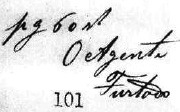
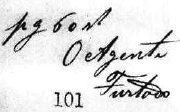
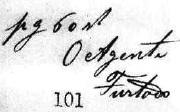
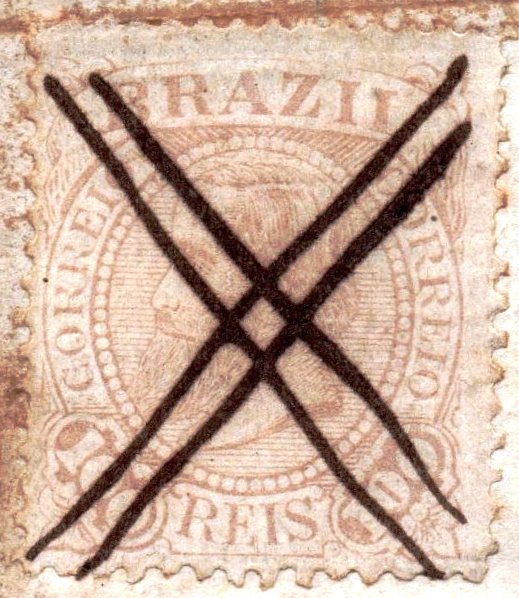
Around 1855, stamps were cancelled by hand, as shown in the illustration from R. Koester’s Carimbologia XXIX:
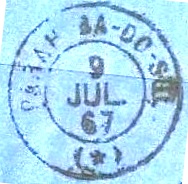
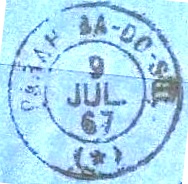
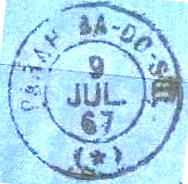
This was followed by the French-style postmark PRJ-0750b (Klerman Lopes collection):
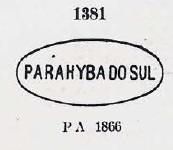
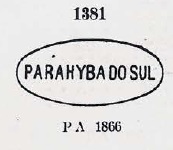
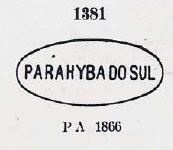
Then came the oval PRJ-0750c, which was given the number 1381 by P. Ayres (op. cit.):
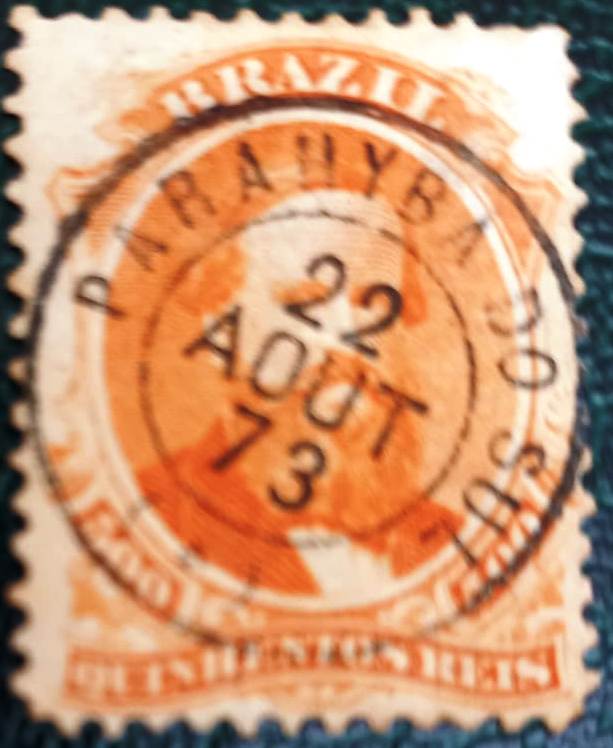
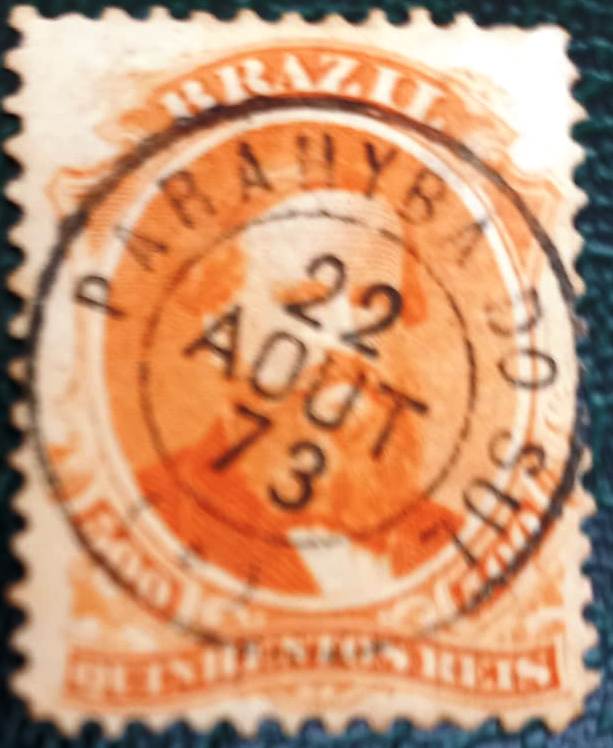
A second French postmark – this time without hyphens in the place name – PRJ-0750d (image from the Fuad Ferreira Fo. collection) appeared shortly afterwards, also in blue:
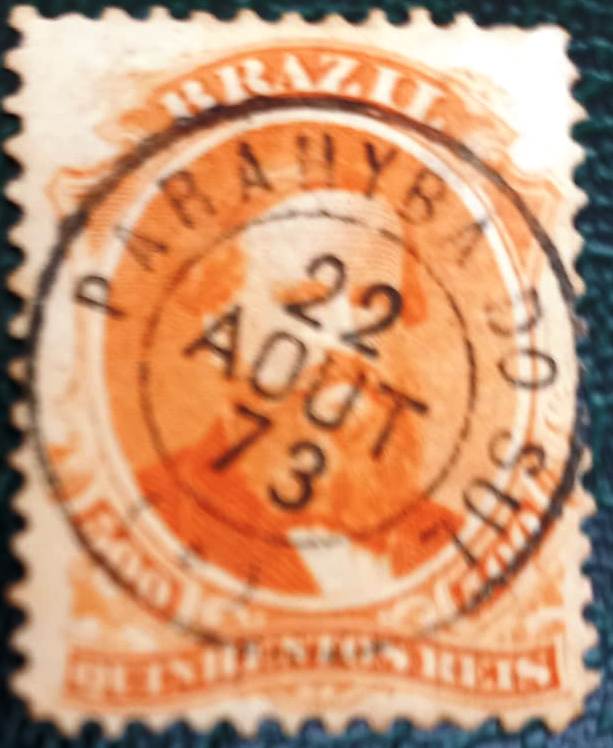
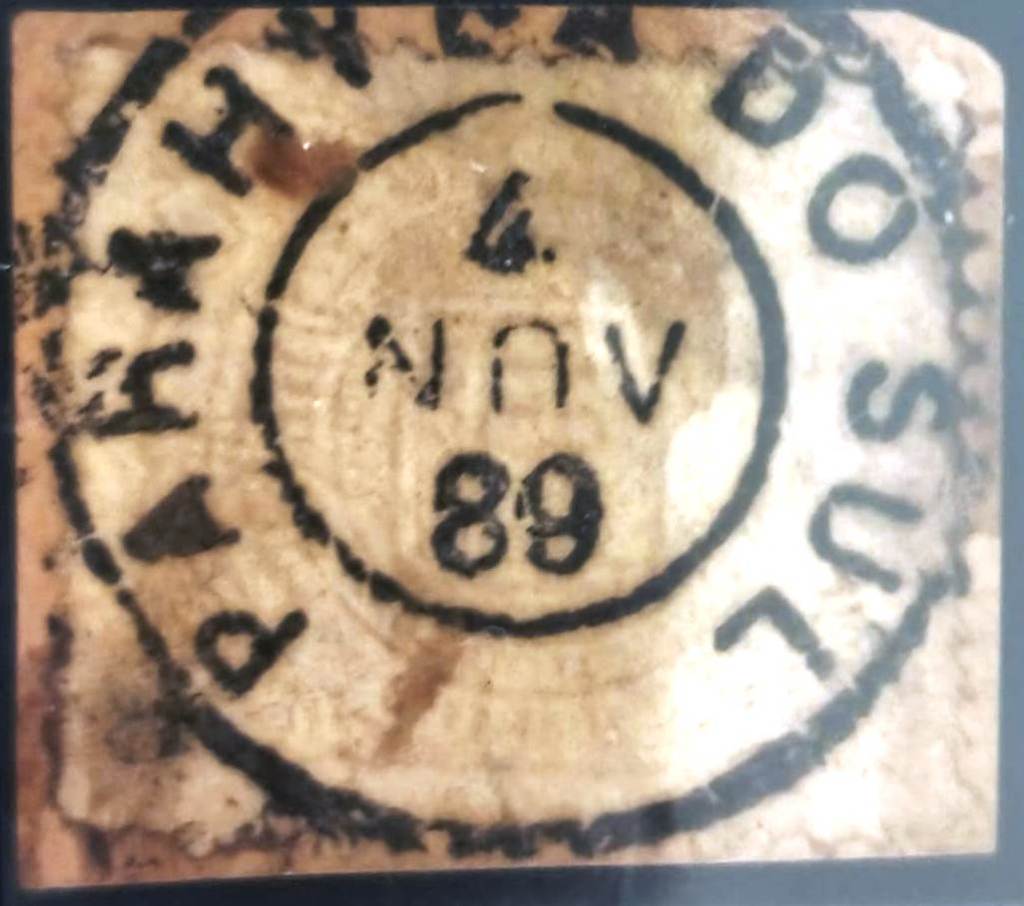
This was followed by the double circle PRJ-0750e (Marcio Duarte collection):
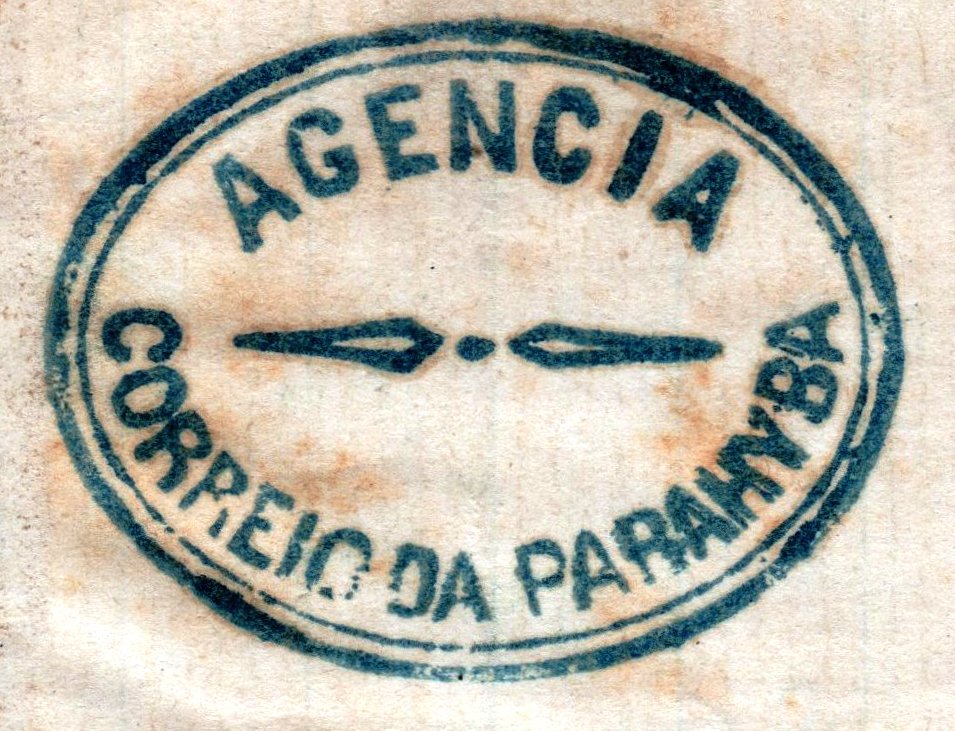
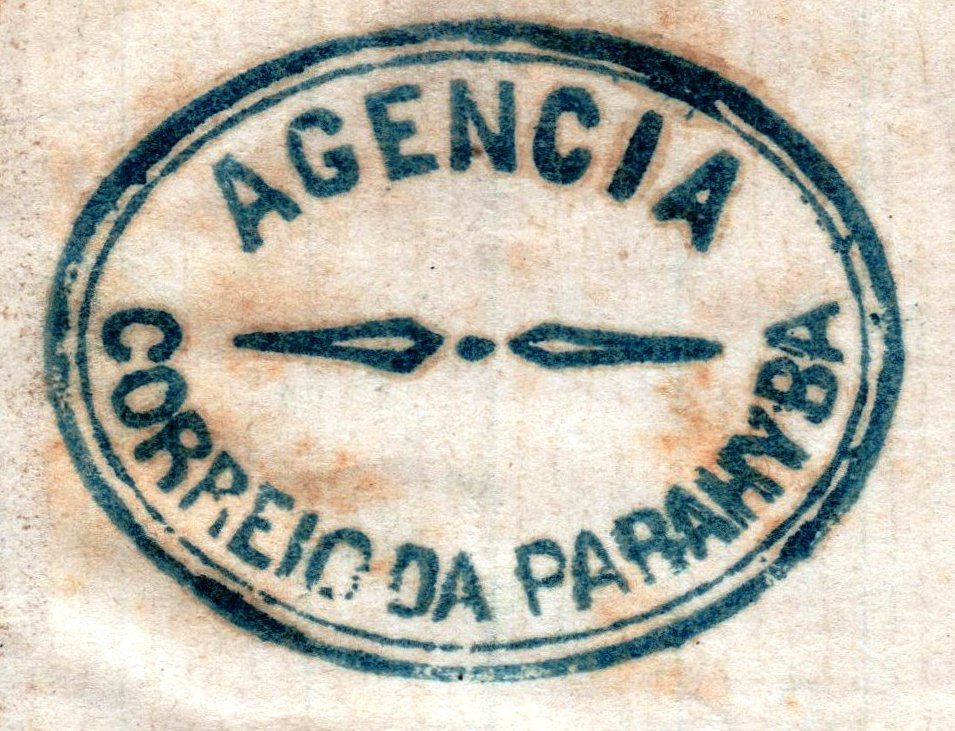
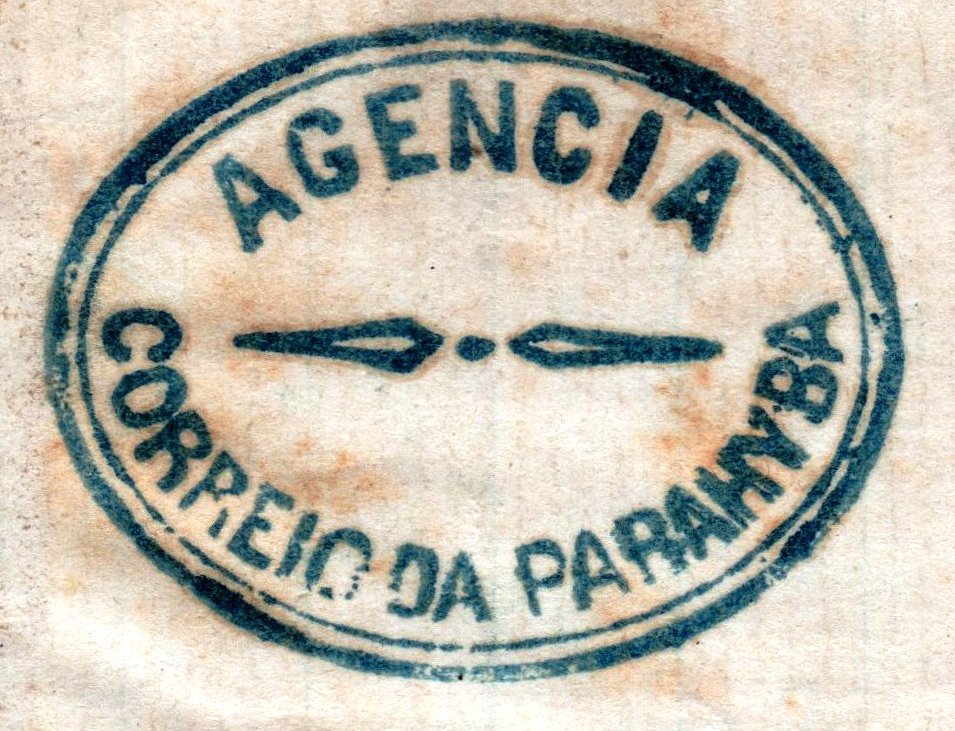
Then came the rare oval postmark PRJ-0750f (José A. Junges collection), which was also registered by P. Ayres:
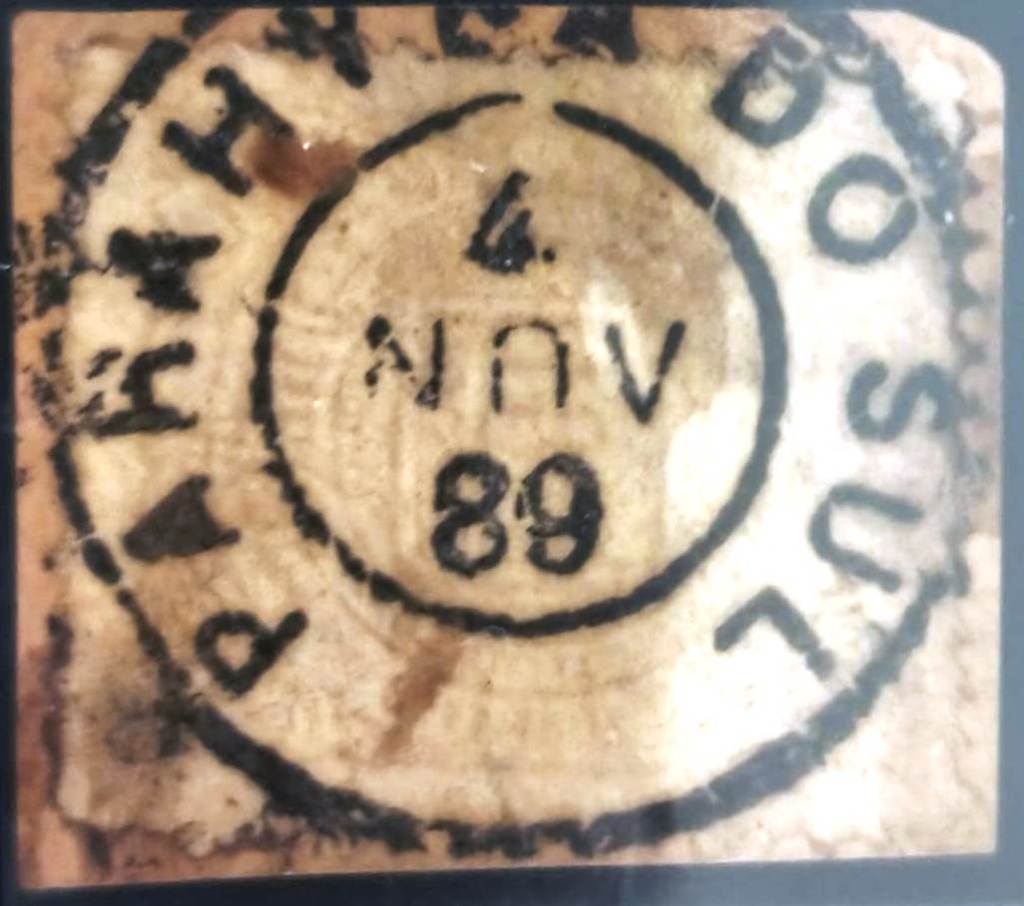
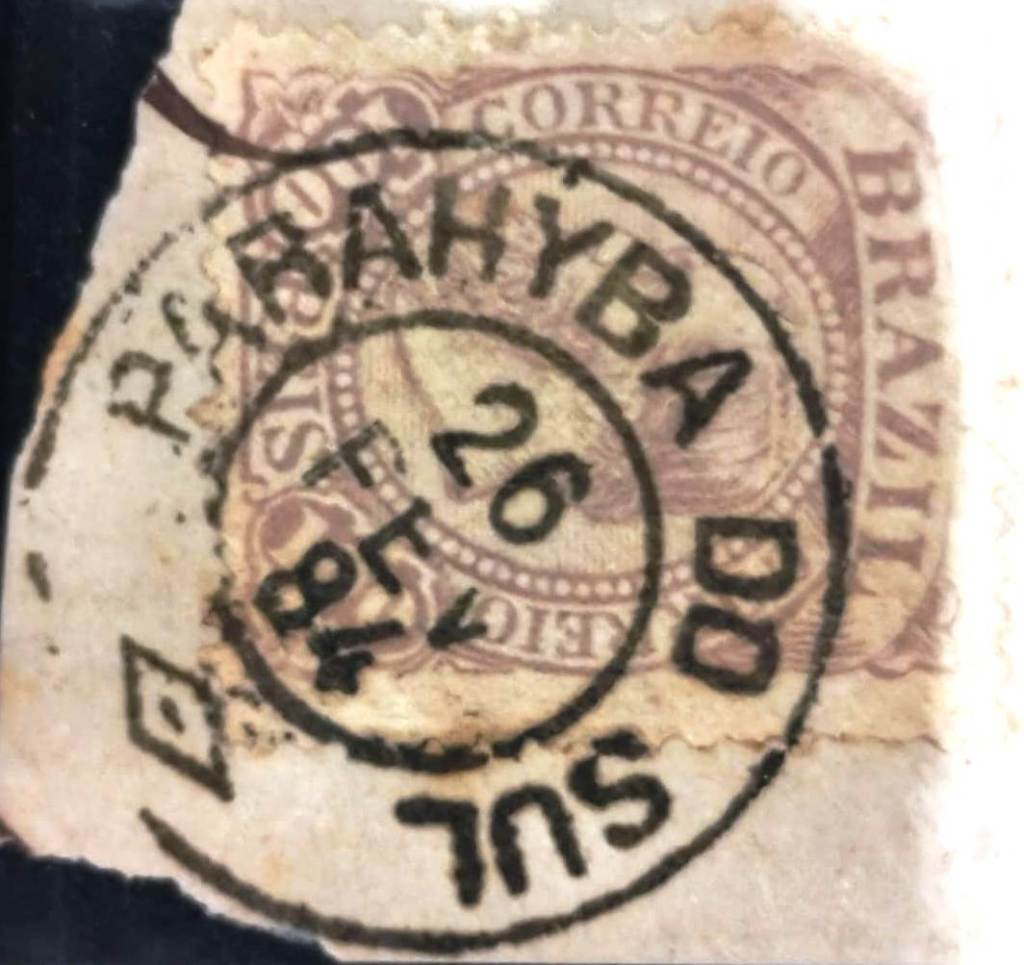
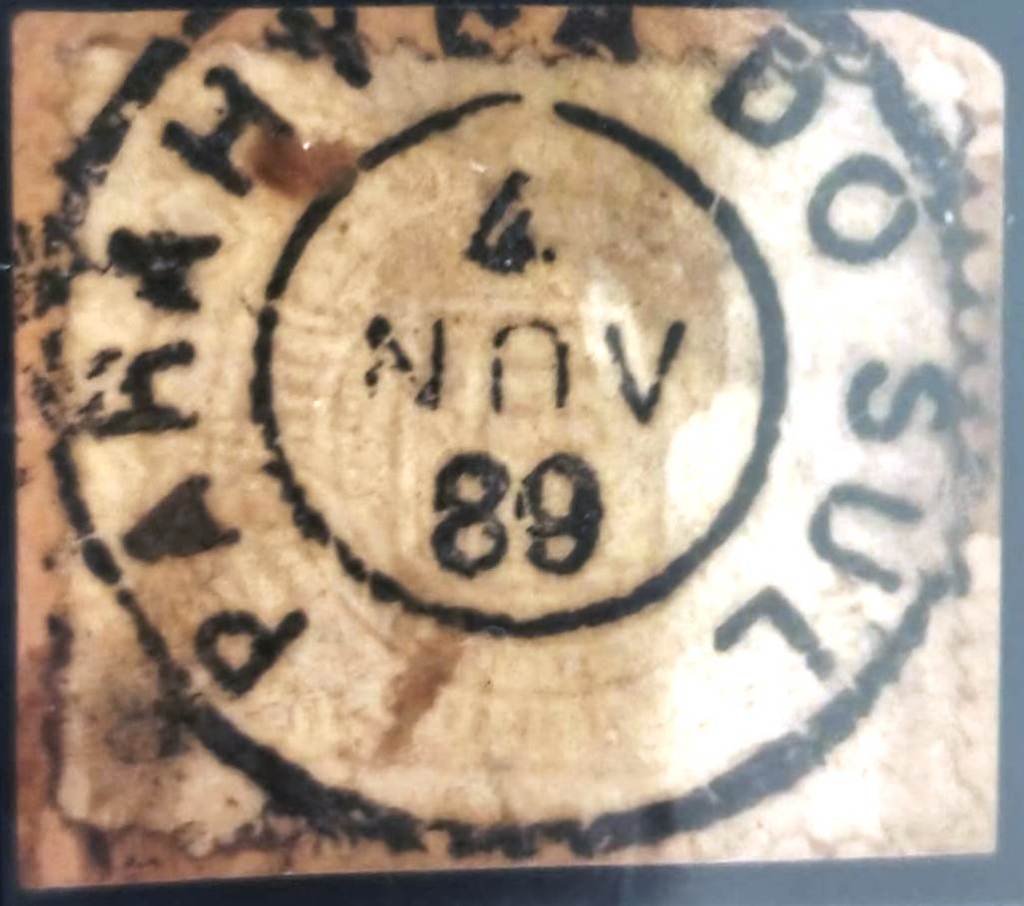
At the end of the century, two more circular postmarks appeared. First, PRJ-0750g (Marcio Duarte collection), which also exists in dark purple:
Then PRJ-0750h (illustration by Roberto Assef Jr.):
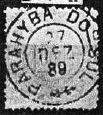
James Dingler and Klerman W. Lopes listed five mute postmarks from Parahyba do Sul in Mute Cancellations of the Brazil Empire / Carimbos Mudos do Brasil Império (Brazil Philatelic Association, Rio de Janeiro, 2000):

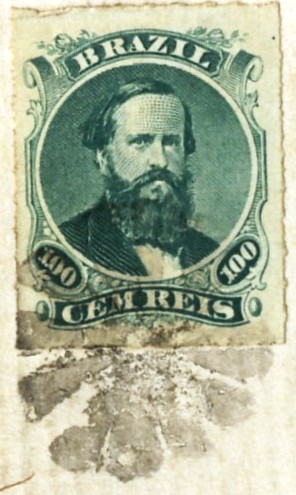
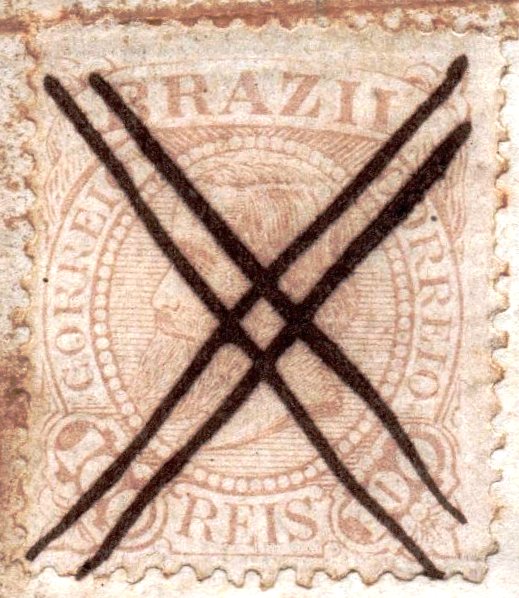
Five additional mute cancels were found. The illustrations are from the Klerman Lopes collection, Felipe Piccinini, and the collections of Fuad Ferreira Fo, F. Monteiro, and José A. Junges:
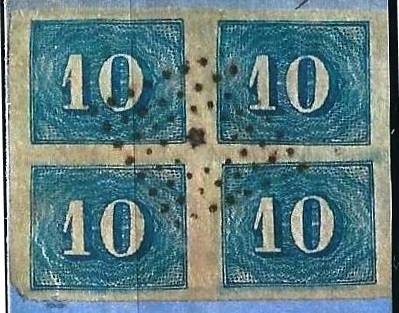
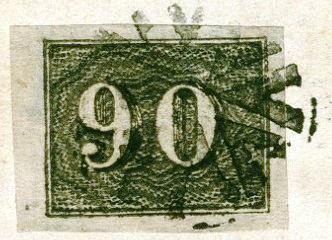
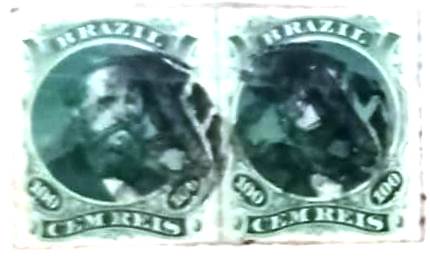
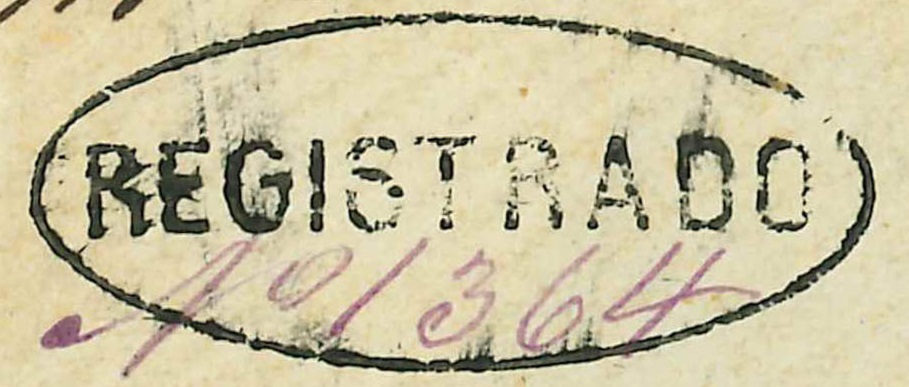
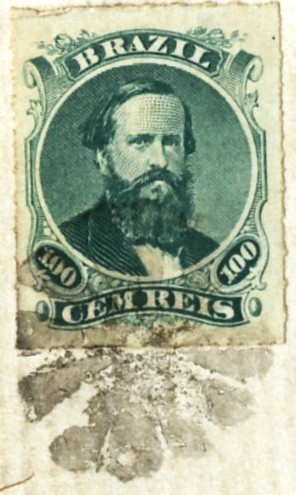
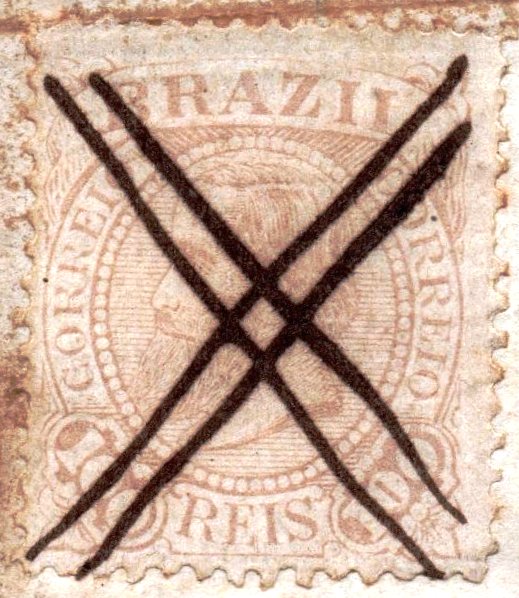
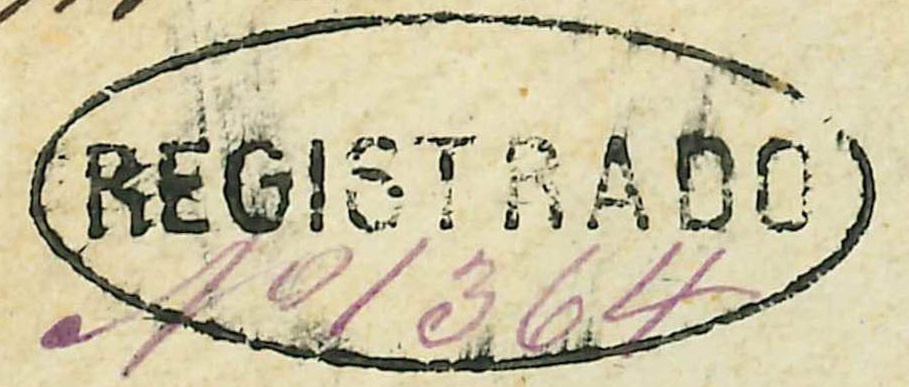
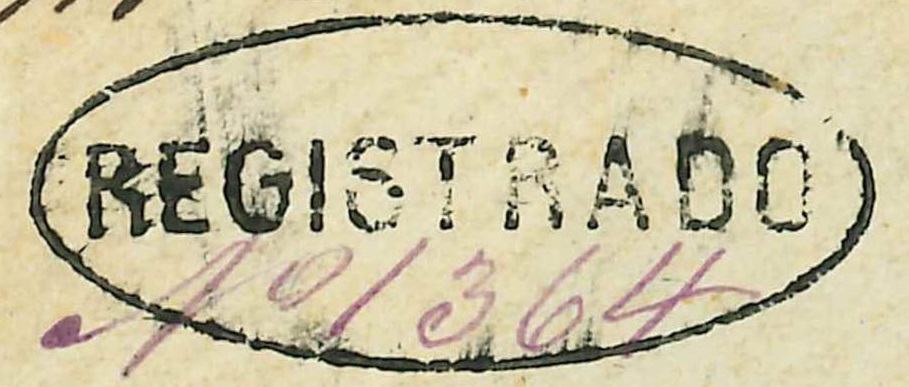
This registered postmark also comes from Parahyba do Sul (Fig. D. Feldman Auctions):
Outras grafias: Parahiba/Paraíba do Sul
A localidade chamava-se originalmente Freguesia de S. Pedro e S. Paulo, ficava na margem sul do Paraíba do Sul e situava-se 140 km ao norte da capital Rio de Janeiro. Em janeiro de 1833, tornou-se vila e, em dezembro de 1870, cidade.
De acordo com Nova Monteiro em Administrações e Agências Postais do Brasil Império (Brasil Filatélico/RJ, 1934–1935; reimpressão SPP 1994–1999), havia uma agência dos correios no local desde setembro de 1832. O carimbo postal mais antigo até agora é o PRJ-0750a. Ele também ocorre em vermelho e laranja. Foi registrado tanto por P. Ayres em “Catálogo de Carimbos Brasil-Império” (São Paulo, 1937, 1942) sob o nº 1853 quanto no catálogo RHM sob P-RJ-23.

Por volta de 1855, os selos eram obliterados à mão, como mostra a ilustração de R. Koester em Carimbologia XXIX:
Seguiu-se o carimbo postal em tipo francês PRJ-0750b (Coleção Klerman Lopes):
Depois veio o oval PRJ-0750c, que recebeu o número 1381 de P. Ayres (op. cit.):
Um segundo carimbo postal tipo francês – desta vez sem hífens no nome da localidade – PRJ-0750d (Coleção Fuad Ferreira Fo.) surgiu pouco tempo depois, também em azul:
Seguiu-se o círculo duplo PRJ-0750e (coleção Marcio Duarte):
Depois veio o raro carimbo oval PRJ-0750f (coleção José A. Junges), que também foi registrado por P. Ayres:
No final do século, surgiram mais dois carimbos circulares. Primeiro, o PRJ-0750g (coleção Marcio Duarte), que também existe em roxo:
Depois, o PRJ-0750h (fig. Roberto Assef Jr.):
James Dingler e Klerman W. Lopes listaram 5 carimbos postais mudos de Parahyba do Sul em Mute Cancellations of the Brazil Empire / Carimbos Mudos do Brasil Império (Clube Filatélico do Brasil, Rio de Janeiro, 2000):
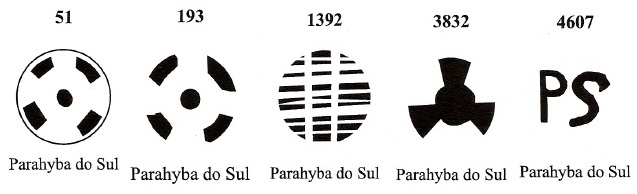
Foram encontrados mais cinco carimbos mudos. As imagens são da coleção Klerman Lopes, de Felipe Piccinini e das coleções Fuad Ferreira Fo, F. Monteiro e José A. Junges:
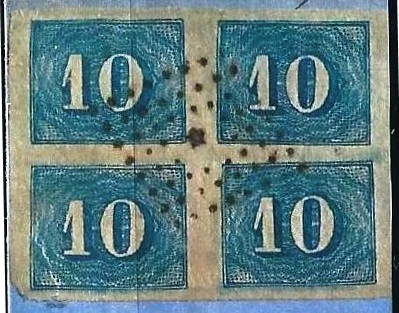
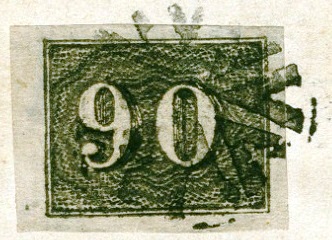
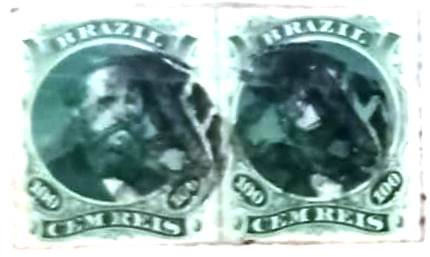
Este carimbo para registrados também é proveniente de Parahyba do Sul (fig. D. Feldman Auktionen):
Andere Schreibweisen: Parahiba/Paraíba do Sul
Die Ortschaft hieß ursprünglich Freguesia de S. Pedro e S. Paulo, lag am Südufer des Paraíba do Sul und befand sich 140 km nördlich der Hauptstadt Rio de Janeiro. Im Januar 1833 wurde sie zur Vila und im Dezember 1870 zur Stadt.
Laut Nova Monteiro in Administrações e Agencias Postaes do Brasil Imperio (Brasil Filatelico/RJ, 1934–1935; Nachdruck SPP 1994–1999) gab es dort seit September 1832 ein Postamt. Der bisher älteste Poststempel ist PRJ-0750a. Es gibt ihn auch in Rot und Orange. Er wurde sowohl von P. Ayres in „Catálogo de Carimbos Brasil-Império” (São Paulo, 1937, 1942) unter der Nr. 1853 als auch im RHM-Katalog unter P-RJ-23 erfasst.

Um 1855 wurden die Briefmarken per Hand entwertet, wie die Abbildung aus R. Koesters Carimbologia XXIX zeigt:
Es folgte der Poststempel in französischem Stil PRJ-0750b (Samml. Klerman Lopes):
Danach kam der ovale PRJ-0750c, der von P. Ayres (op. cit.) die Nr. 1381 erhielt:
Ein zweiter französischer Poststempel – diesmal ohne Bindestriche im Ortsnamen – PRJ-0750d (Samml. Fuad Ferreira Fo.) erschien kurze Zeit später, auch in Blau:
Es folgte der Doppelkreis PRJ-0750e (Samml. Marcio Duarte):
Danach kam der seltene ovale Stempel PRJ-0750f (Samml. José A. Junges), der auch von P. Ayres registriert wurde:
Am Ende des Jahrhunderts erschienen zwei weitere Kreisstempel. Zunächst PRJ-0750g (Samml. Marcio Duarte), den es auch in Dunkelviolett gibt:
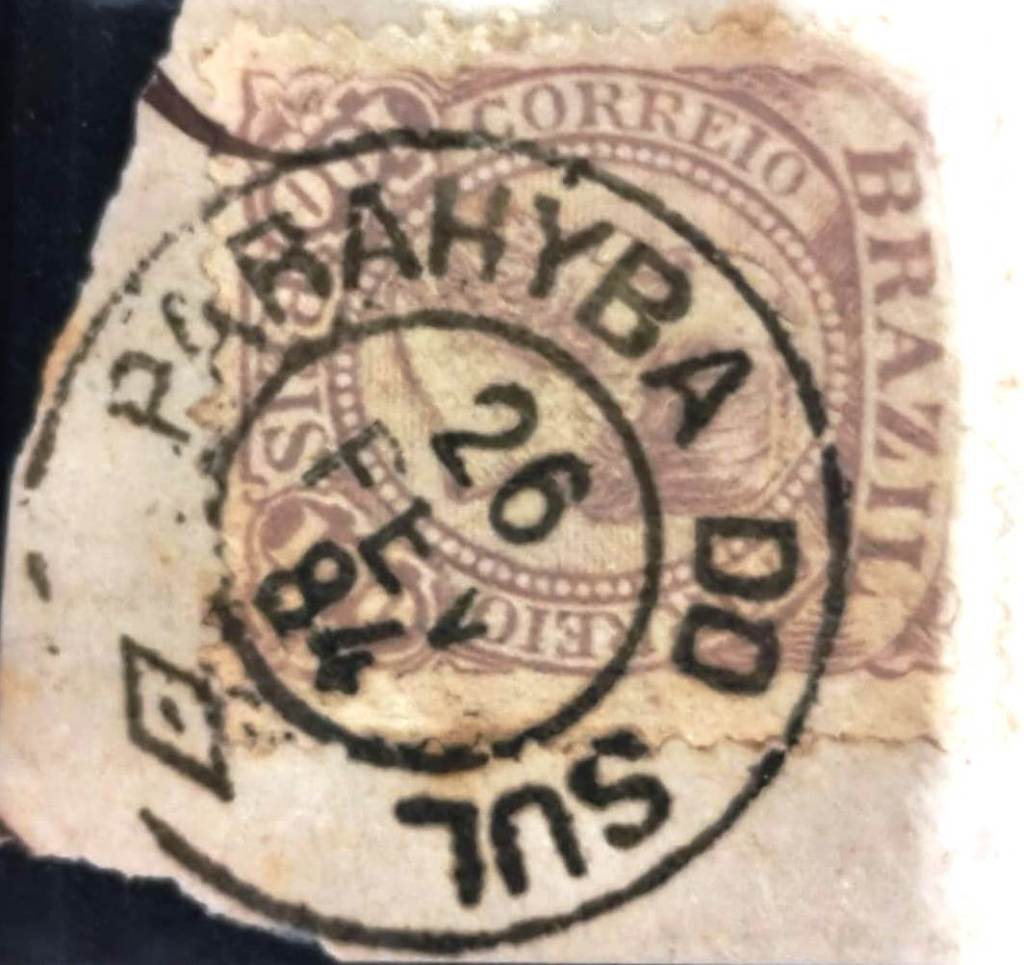
Dann auch PRJ-0750h (Abb. Roberto Assef Jr.):
James Dingler und Klerman W. Lopes haben 5 stumme Poststempel aus Parahyba do Sul in Mute Cancellations of the Brazil Empire / Carimbos Mudos do Brasil Império (Brazil Philatelic Association, Rio de Janeiro, 2000) aufgeführt:
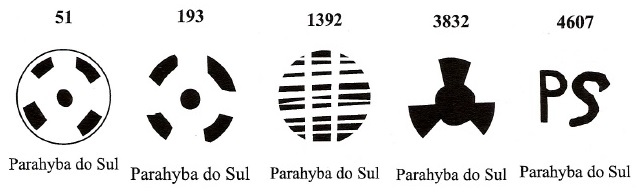
Fünf weitere stumme Stempel wurden gefunden. Die Abbildungen stammen aus der Sammlung Klerman Lopes, von Felipe Piccinini und den Sammlungen Fuad Ferreira Fo, F. Monteiro und José A. Junges:
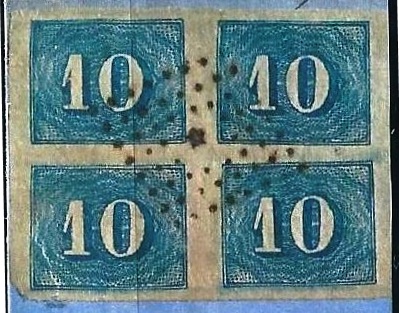

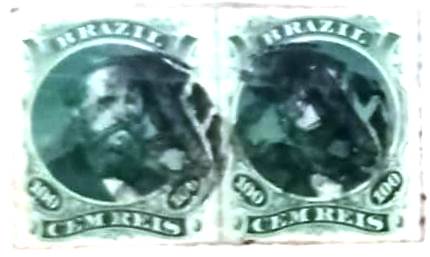
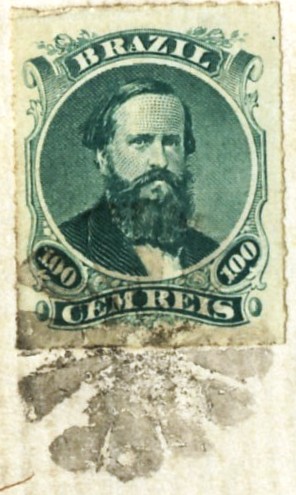
Aus Parahyba do Sul kommt auch dieser Einschreibestempel (Abb. D. Feldman Auktionen):

 Carimbologia