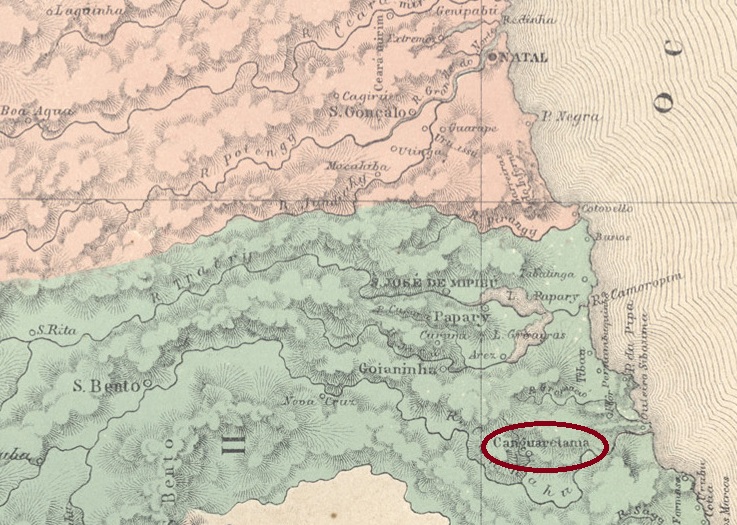
Other names: Uruá
See also Canguaretama (CRN-0045), Vila Flor (VRN-0240)
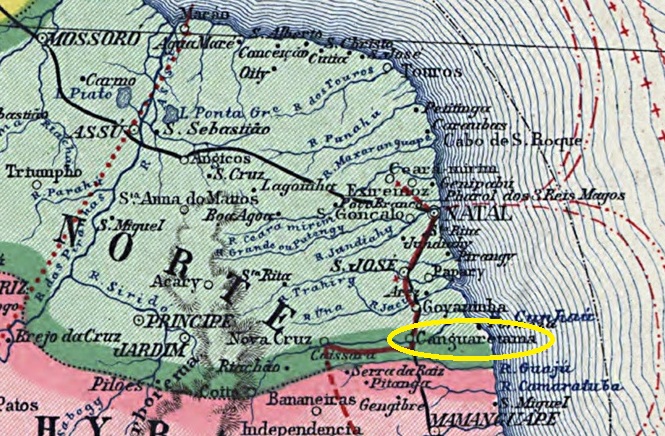
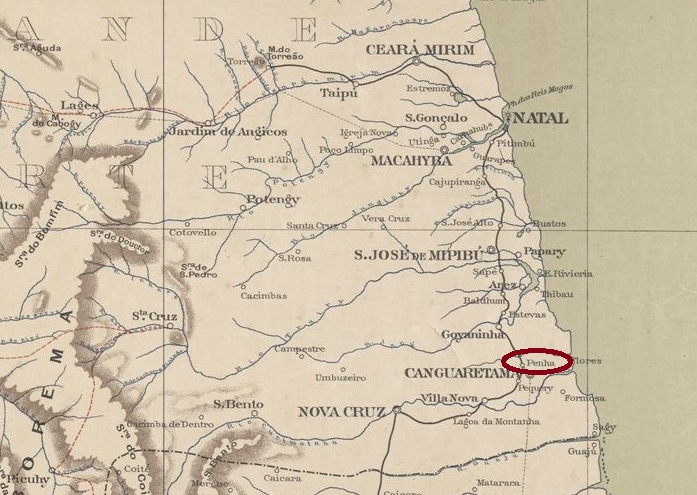
The settlement was originally called Uruá, was situated close to the northern bank of the Curimataú and lay 90 km south of what would later become the provincial capital, Natal. In July 1858, it became the Freguesia de N. Sra. da Penha de Canguaretama, which was elevated to the status of a Vila in March 1860 and finally became the town of Canguaretama in April 1885.
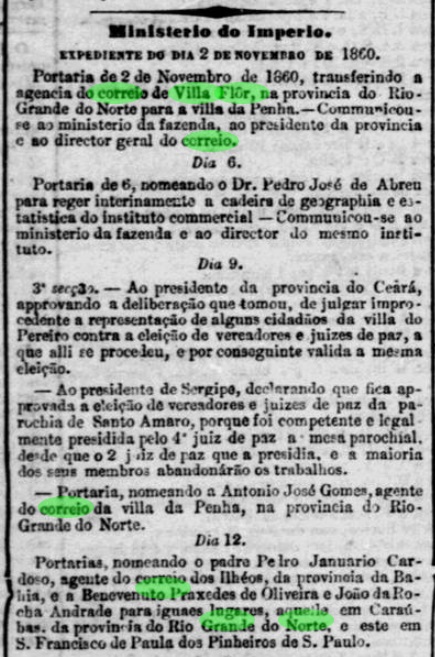
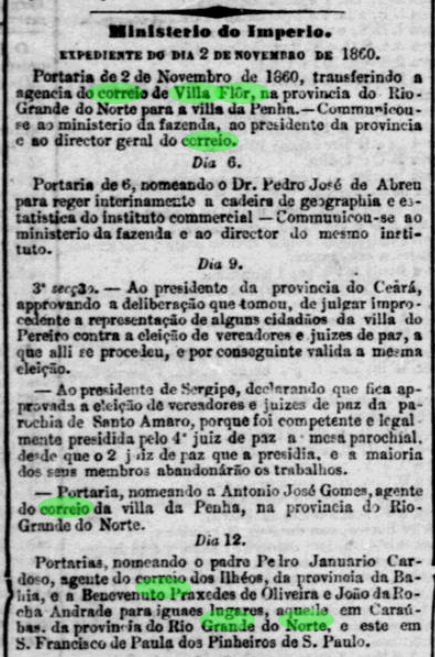
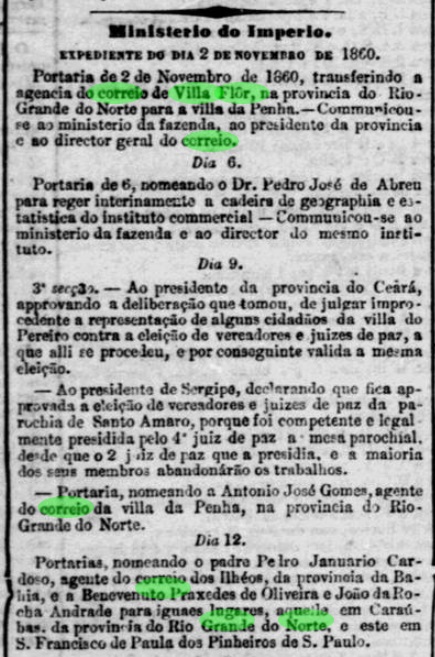
As reported by the press in Rio de Janeiro, a post office had been in operation there since November 1860, following the relocation of the agency from the neighbouring Villa Flor.
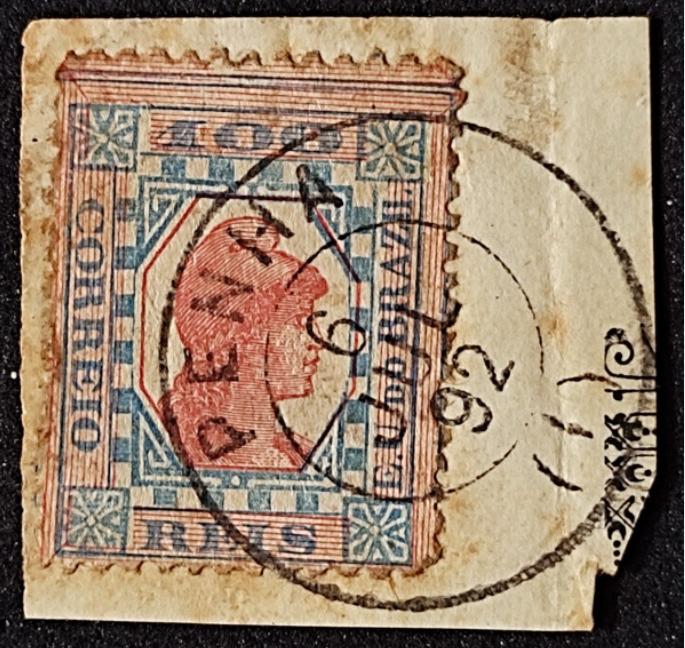
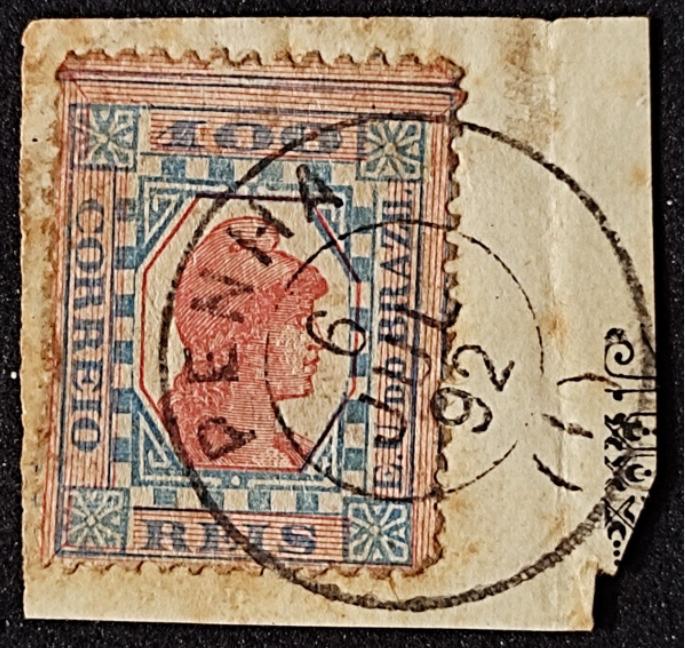
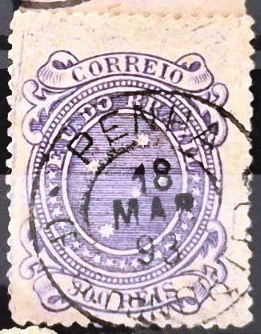
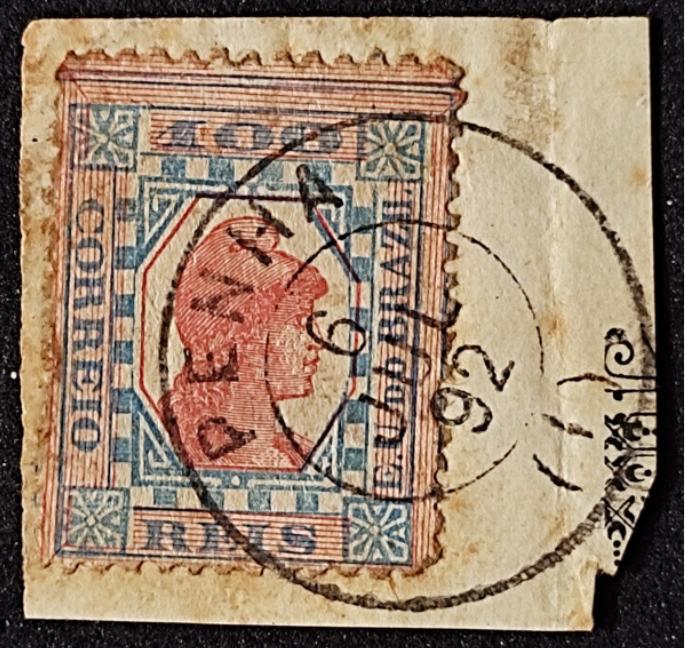
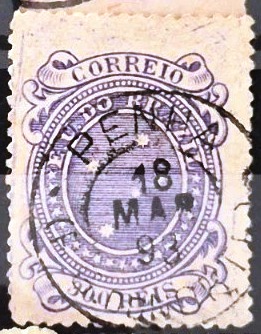
The only postmark from the 19th century to date, PRN-0195b (fig. Walter Sonnenberg), has not yet been definitively attributed to this location.
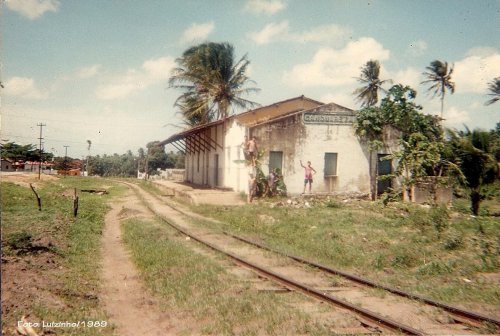
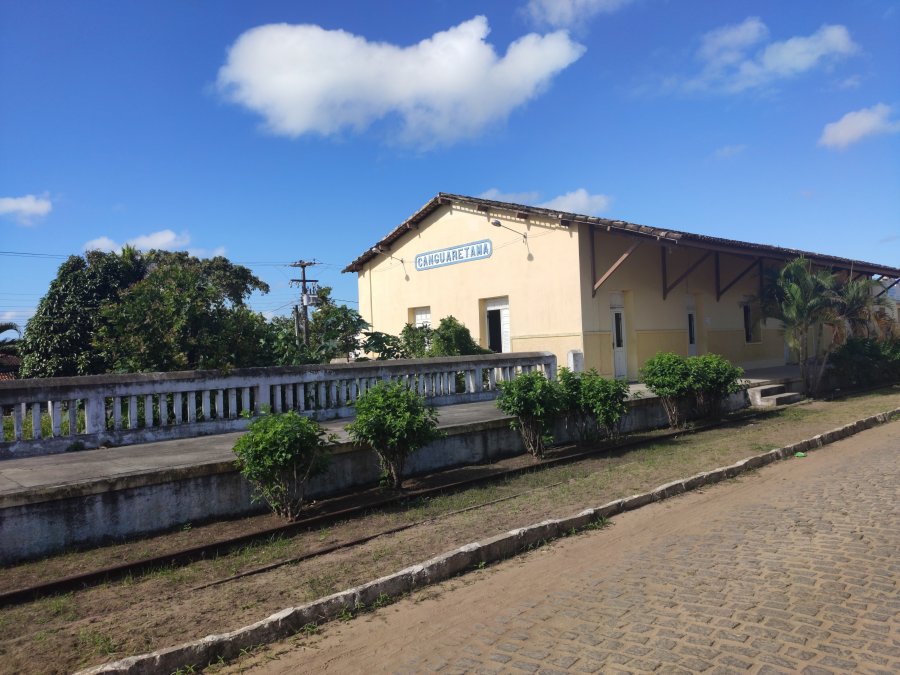
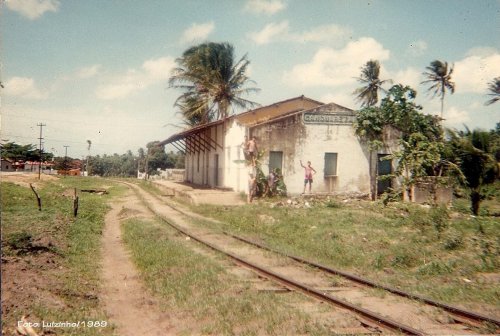
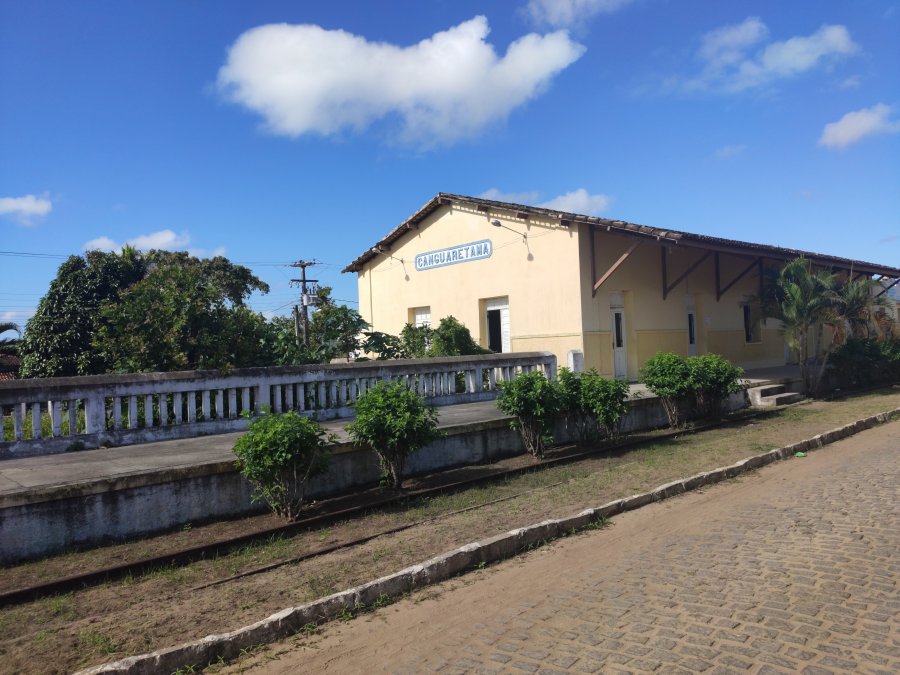
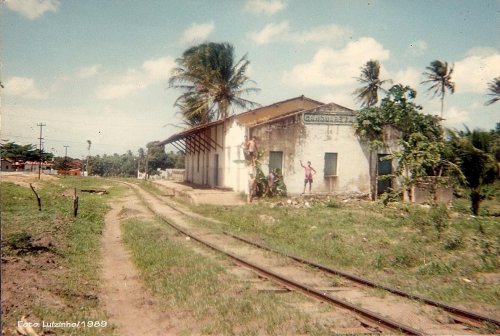
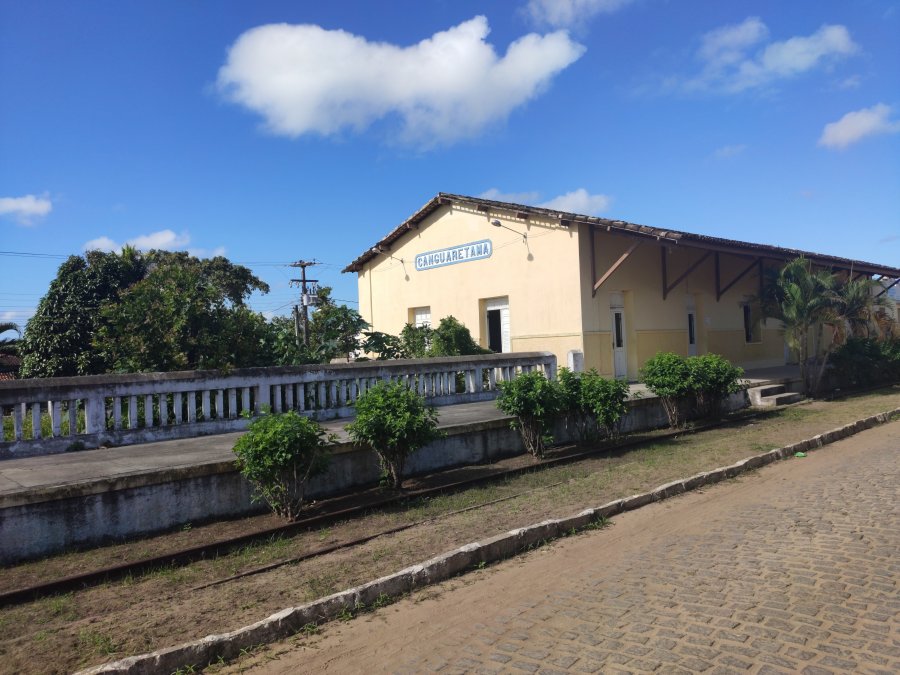
The railway company E.F. Natal a Nova Cruz opened Penha station in October 1882. The railway line passed to Great Western in 1902, to E.F. Sampaio Correia in 1939, to Rede Ferroviária do Nordeste in 1957, and belonged to Rede Ferroviária Federal S.A. from 1975 until its closure in 1997 (estacoesferroviarias.com.br). Today, the tracks are still in place and the station building houses a pub.
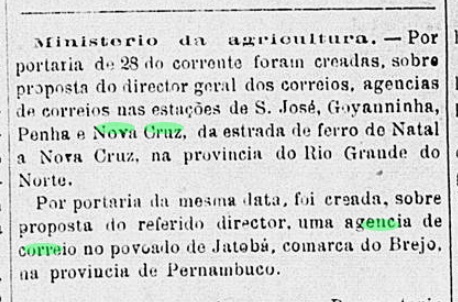
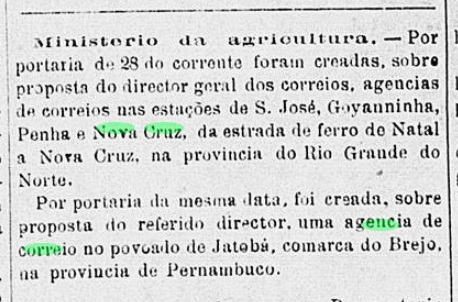
As reported by the Rio press, the station post office was created in July 1883.
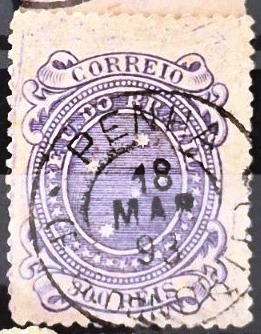
Here too we have a postmark whose attribution still requires definitive confirmation: PRN-0196a (Fig. Felipe Piccinini) could equally well originate from the village post office in Penha.
Outros nomes: Uruá
Veja também Canguaretama (CRN-0045), Vila Flor (VRN-0240)
O povoado chamava-se originalmente Uruá, ficava próximo à margem norte do Curimataú e situava-se 90 km ao sul da posterior capital provincial, Natal. Em julho de 1858, tornou-se a Freguesia de N. Sra. da Penha de Canguaretama, que em março de 1860 passou a ser Vila e, finalmente, em abril de 1885, a cidade de Canguaretama.
Conforme divulgado pela imprensa do Rio de Janeiro, havia lá uma agência dos correios desde novembro de 1860, após a transferência da agência da vizinha Vila Flor para aquele local.
O único carimbo postal do século XIX até o momento, PRN-0195b (ilustração de Walter Sonnenberg), ainda não foi definitivamente atribuído a este local.
A E.F. Natal a Nova Cruz inaugurou a estação Penha em outubro de 1882. A linha ferroviária passou para a Great Western em 1902, para a E.F. Sampaio Correia em 1939, para a Rede Ferroviária do Nordeste em 1957 e pertenceu à Rede Ferroviária Federal S.A. de 1975 até o fechamento em 1997 (estacoesferroviarias.com.br). Hoje, os trilhos ainda existem e o prédio da estação abriga um bar.
Conforme noticiado pela imprensa do Rio, a agência dos correios na estação foi criada em julho de 1883.
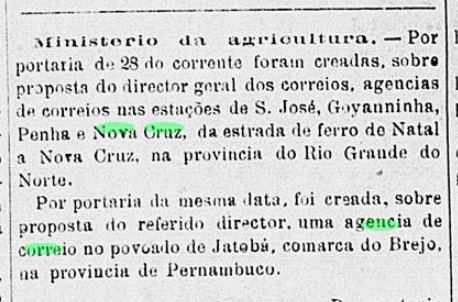
Também aqui temos um carimbo postal cuja atribuição ainda carece de confirmação definitiva: PRN-0196a (Ilustração: Felipe Piccinini) poderia, também, ser proveniente da agência dos correios local de Penha.
Andere Namen: Uruá
Siehe auch Canguaretama (CRN-0045), Vila Flor (VRN-0240)
Die Siedlung hieß ursprünglich Uruá, lag nah am Nordufer des Curimataú und befand sich 90 km südlich der späteren Provinzhauptstadt Natal. Im Juli 1858 wurde sie zur Freguesia de N. Sra. da Penha de Canguaretama, die im März 1860 zur Vila und im April 1885 schließlich zur Stadt Canguaretama wurde.
Wie die Presse aus Rio de Janeiro bekannt gab, gab es dort seit November 1860 ein Postamt, nachdem die Agentur von der benachbarten Villa Flor dorthin verlegt worden war.
Der bisher einzige Poststempel im 19. Jahrhundert, PRN-0195b (Abb. Walter Sonnenberg), wurde noch nicht endgültig diesem Ort zugeordnet.
Die Eisenbahngesellschaft E.F. Natal a Nova Cruz eröffnete im Oktober 1882 den Bahnhof Penha. Die Bahnlinie ging 1902 an die Great Western, 1939 an die E.F. Sampaio Correia, 1957 an die Rede Ferroviária do Nordeste und gehörte von 1975 bis zur Stilllegung im Jahr 1997 zur Rede Ferroviária Federal S.A. (estacoesferroviarias.com.br). Heute sind die Gleise noch vorhanden und das Bahnhofsgebäude beherbergt eine Kneipe.
Wie die Presse aus Rio berichtete, wurde die Einrichtung eines Bahnhofspostamts im Juli 1883 beschlossen.
Auch hier haben wir einen Poststempel, dessen Zuordnung noch einer sicheren Bestätigung bedarf: PRN-0196a (Abb. Felipe Piccinini) könnte gleichwohl aus dem Ortspostamt Penha stammen.

 Carimbologia