See also Abaeté (AMG-0005) and Dores da Marmellada (DMG-1025)
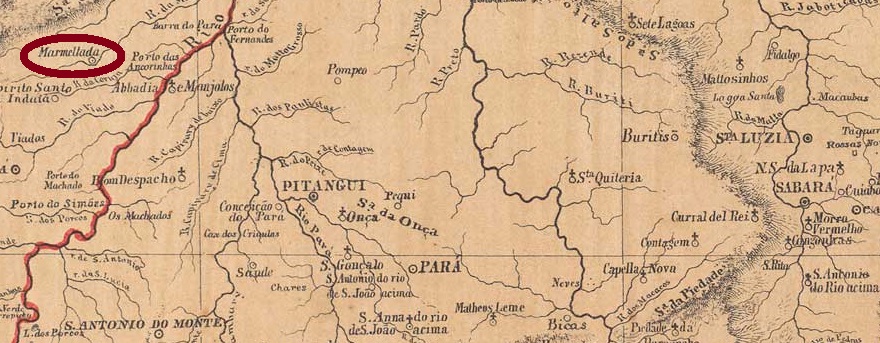
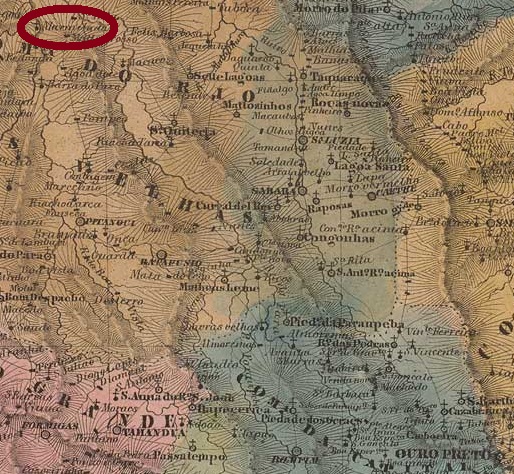
In the Tupi-guarani language, Abaeté means strong and brave man. This was also Indian tribe name that originally inhabited this area on the north bank of the Marmelada River, 300 km northwest of the provincial capital Ouro Preto. In July 1864, the settlement became the Freguesia of Nossa Senhora do Patrocínio da Marmellada, in the Município of Dores do Indayá. When in September 1870 Dores do Indayá was downgraded to a district of Pitangui, Patrocínio da Marmellada was given the status of a villa, and since November 1877 it has been the town of Abaeté.
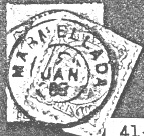
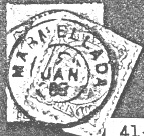
As Paula Sobrinho writes in História Postal de MInas Gerais (Belo Horizonte, 1997), there was a post office there since June 1873, a year confirmed by the Directory of Imperial Post Offices (Tabella das Agencias do Correio do Imperio, Rio de Janeiro, 1885). So far no postmark with DORES DA MARMELLADA has been seen, but Koester (Carimbologia XVI and XXVII) shows the MARMELLADA postmark MMG-3390a:
MMG-3390a (RK) 1884-1886
From about 1887 local postmarks show ABAETÉ (see AMG-0005).
Villiers de l’Ile Adam: Carta (…) da Provincia de Minas Geraes, 1849
Andere Namen: Patrocínio da Marmellada, Abaeté
Siehe auch Abaeté (AMG-0005) und Dores da Marmellada (DMG-1025)
In der Tupi-guarani-Sprache bedeutet Abaeté starker und tapferer Mann. So hieß auch der Indianerstamm, der ursprünglich diese Gegend am Nordufer des Flusses Marmelada bewohnte, 300 km nordwestlich der Provinzhauptstadt Ouro Preto entfernt. Im Juli 1864 wurde aus der Siedlung die Freguesia von Nossa Senhora do Patrocínio da Marmellada, im Município von Dores do Indayá. Als im September 1870 Dores do Indayá zu einem Distrikt von Pitangui herabgesetzt wurde, bekam Patrocínio da Marmellada den Status einer Villa, die seit November 1877 die Stadt Abaeté heißt.
Wie Paula Sobrinho in História Postal de Minas Gerais (Belo Horizonte, 1997) schreibt, gab es dort ein Postamt seit Juni 1873. Das Jahr wird durch das Verzeichnis der kaiserlichen Postämter (Tabella das Agencias do Correio do Imperio, Rio de Janeiro, 1885) bestätigt. Bisher wurde kein Poststempel mit DORES DA MARMELLADA gesehen, aber Koester (Carimbologia XVI und XXVII) zeigt den MARMELLADA-Stempel MMG-3390a:
MMG-3390a (RK) 1884-1886
Um 1887 kam der Poststempel mit ABAETÉ (s. AMG-0005).
Villiers de l’Ile Adam: Carta (…) da Provincia do Rio de Janeiro, 1850
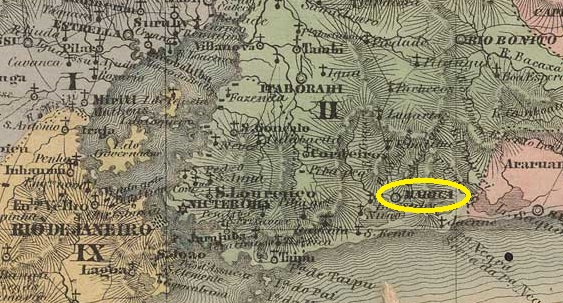
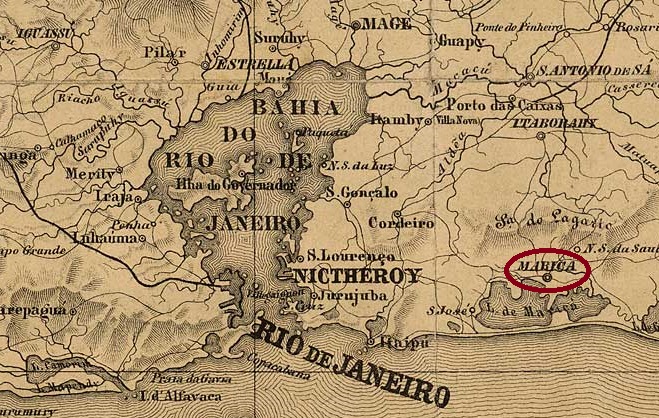
The Freguesia de Santa Maria de Maricá existed since January 1755 and was located on the northern shore of Lake Maricá, 60 kilometres east of the colonial capital Rio de Janeiro. In May 1814, it was elevated to the status of a vila and in December 1889, it finally became the city of Nossa Senhora do Amparo de Maricá.
As Nova Monteiro writes in Administrações e Agencias Postaes do Brasil Imperio (Brasil Filatelico/RJ, 1934–1935; reprinted by SPP 1994–1999), there had been a post office there since June 1829.
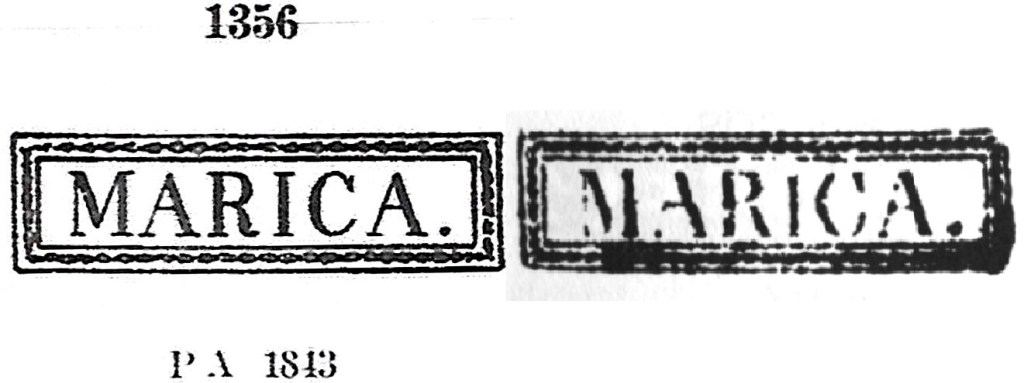
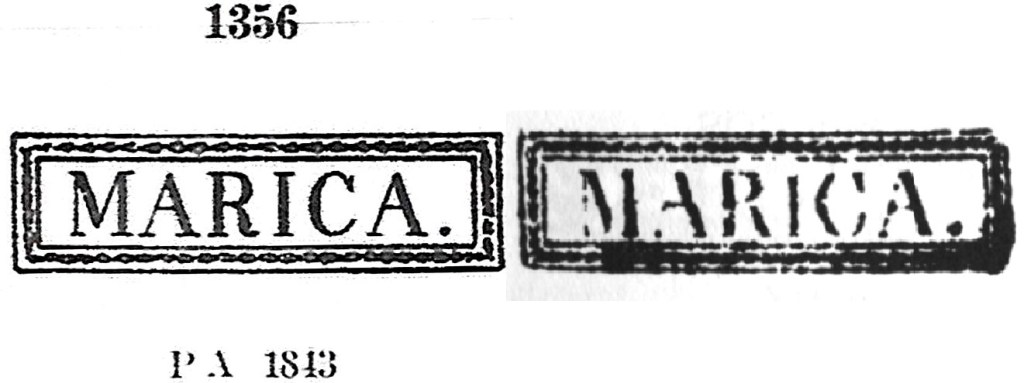
The oldest postmark to date is MRJ-0720a, which also appears in brown, red and green. It was registered by P. Ayres under number 1356 in Catálogo de Carimbos Brasil-Império (São Paulo, 1937, 1942) and by Cicero A. Almeida under MPT 381 in Carimbos Postais – Século XIX (Rio de Janeiro, 1989).
MRJ-0720a (MPT 381, P.A. 1356) 1843ff-1883ff
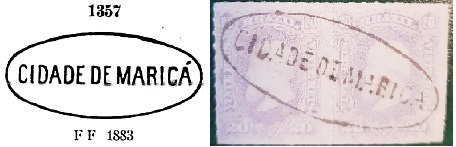
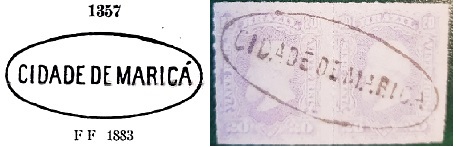
This was followed by MRJ-0720b, also recorded by P. Ayres (op. cit.), here also in an illustration by José A. Junges:
MRJ-0720b (P.A. 1357 – JJ) 1877ff-1883ff
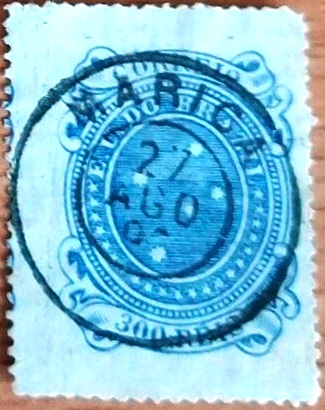
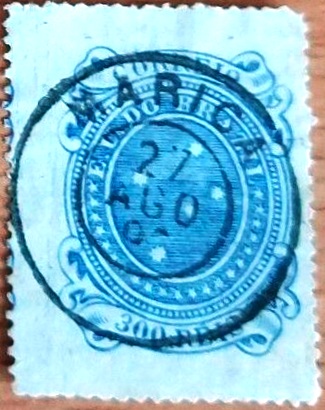
Shortly afterwards, the double circle MRJ-0720c (illustration from the Internet) also appeared:
MRJ-0720c (EB) 1879-1895, also in blueLaemmert: Provincia do Rio de Janeiro, 1866
Die Freguesia de Santa Maria de Maricá bestand seit Januar 1755 und lag am Nordufer des Maricá-Sees, 60 Kilometer östlich der Kolonialhauptstadt Rio de Janeiro. Im Mai 1814 wurde sie zur Vila und im Dezember 1889 schließlich zur Stadt Nossa Senhora do Amparo de Maricá erhoben.
Wie Nova Monteiro in Administrações e Agencias Postaes do Brasil Imperio (Brasil Filatelico/RJ, 1934–1935; Nachdruck SPP 1994–1999) schreibt, gab es dort seit Juni 1829 ein Postamt.
Der bisher älteste Poststempel ist MRJ-0720a, der auch in den Farben Braun, Rot und Grün vorkommt. Er wurde sowohl von P. Ayres unter der Nummer 1356 im Catálogo de Carimbos Brasil-Império (São Paulo, 1937, 1942) als auch von Cicero A. Almeida unter MPT 381 in Carimbos Postais – Século XIX (Rio de Janeiro, 1989) registriert wurde.
MRJ-0720a (MPT 381, P.A. 1356) 1843ff-1883ff
Es folgte MRJ-0720b, ebenfalls durch P. Ayres (op. cit.) erfasst, hier auch in einer Abbildung von José A. Junges:
MRJ-0720b (P.A. 1357 – JJ) 1877ff-1883ff
Kurze Zeit später kam auch der Doppelkreis MRJ-0720c (Abb. aus dem Internet):
See also Rio Novo (train station, RMG-3583) and Fortaleza de Sant’Anna (FMG-1197)
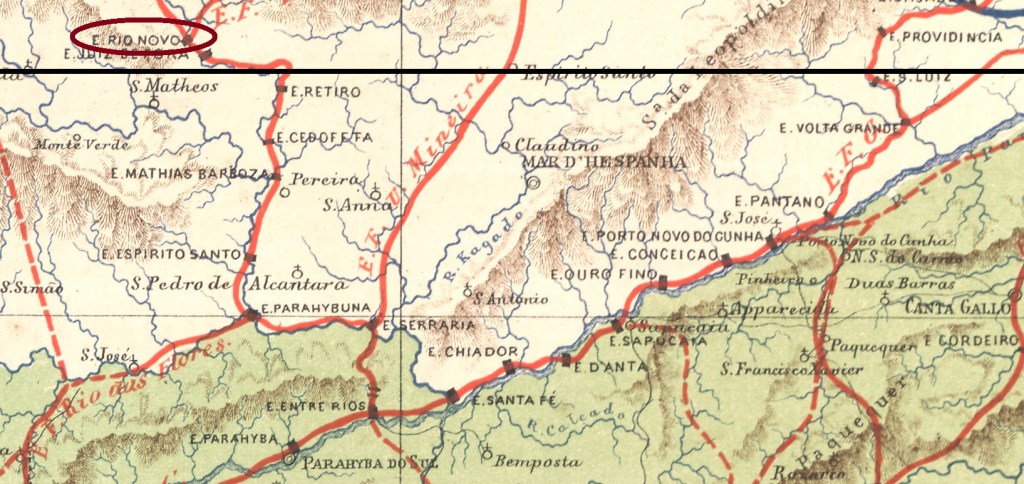
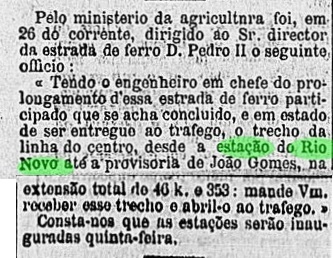
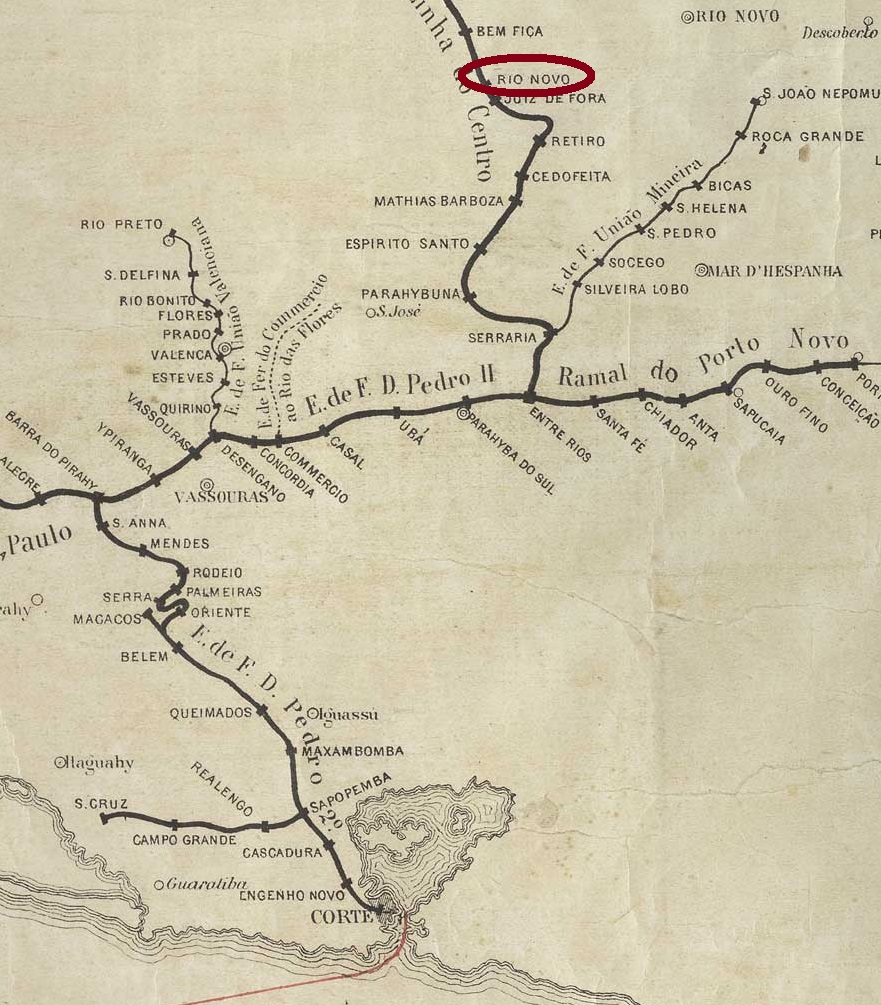
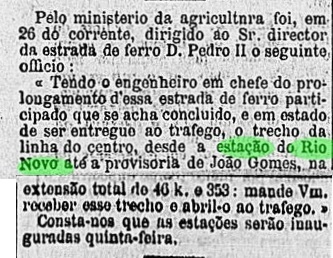
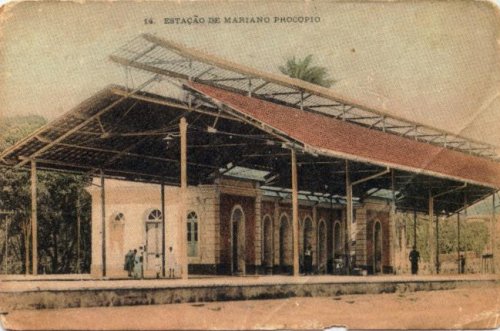
This station post office in imperial Minas Gerais was originally called Rio Novo, a station on the Estrada de Ferro D. Pedro II railway line, known as the Linha do Centro (Central Line), located just a few kilometres north of Juiz de Fora. Ralph Giesbrecht (estacoesferroviarias.com.br) writes that the station was inaugurated in November 1876. However, this date probably needs to be corrected to February 1877, as can be seen from the press in Rio de Janeiro.
Gazeta de Noticias/RJ, 29 January 1877
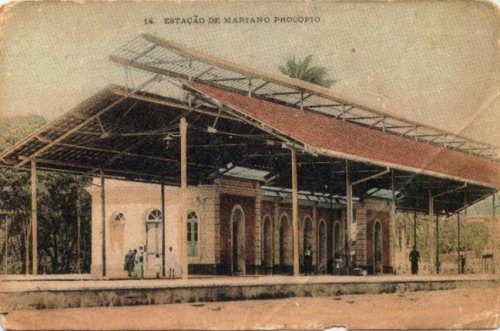
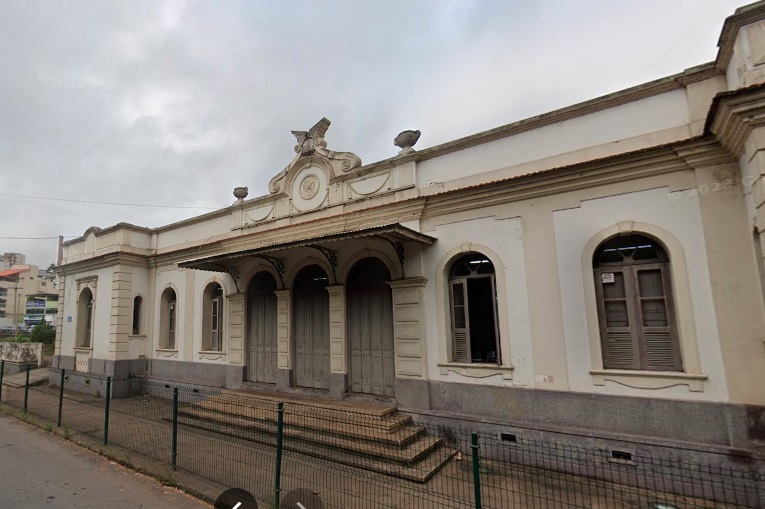
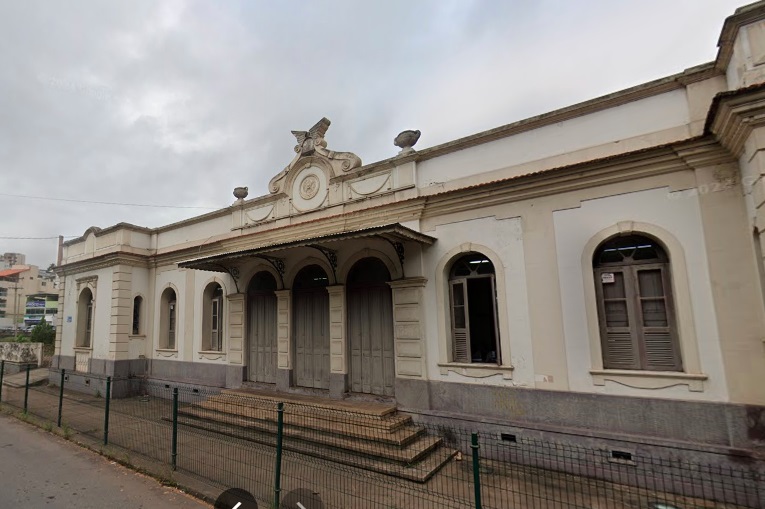
The D. Pedro II Railway Company had to change its name in November 1889 and was henceforth called Estrada de Ferro Central do Brasil. From 1975 until the end of operations in 1996, the company became Rede Ferroviária Federal S.A. In 2017, the station building still housed a cultural centre, but today it appears abandoned.
Around 1940 (Image by Monachesi/Ferreira, on estacoesferroviarias.com.br)In April 2024 (Google Street View)
When the railway company Cia. União Mineira opened another station called Rio Novo in the municipality of the same name (RMG-2145) in 1883, the former Rio Novo station post office in Mariano Procopio was renamed. The station itself was not renamed until around 1915.
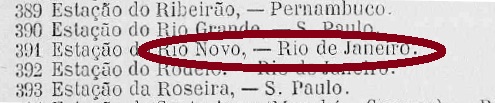
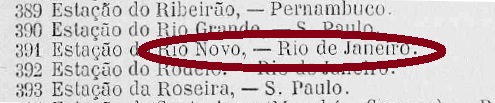
Paula Sobrinho cites July 1881 as the year the station post office was created in História Postal de Minas Gerais (Belo Horizonte, 1977). However, as it was already listed in the imperial postal guide (Guia Postal do Império) from 1880 under number 391, this agency must have been established between 1877 and 1879. Since both the railway and postal administrations were operated from Rio de Janeiro until Juiz de Fora at that time, it was not assigned to the province of Minas Gerais here.
Guia Postal do Império, 1880
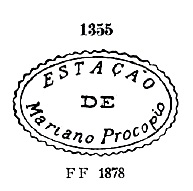
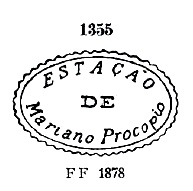
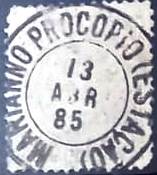
The oldest postmark under Mariano Procopio is MMG-1570a, which was given the number 1355 by P. Ayres in Catálogo de Carimbos Brasil-Império (São Paulo, 1937, 1942):
MMG-1570a (P.A. 1355) 1885ff
Shortly afterwards, MMG-1570b (Fuad Ferreira Fo. collection) also appeared, which also exists in green:
MMG-1570b (FF) 1885-1892
For postmarks with Rio Novo (train station) see RMG-3583.
Estações (…) de São Paulo, Rio de Janeiro e Minas Geraes, 1880
Siehe auch Rio Novo (Bahnhof, RMG-3583) und Fortaleza de Sant’Anna (FMG-1197)
Dieses Postamt im kaiserlichen Minas Gerais hieß ursprünglich Rio Novo, an einem Bahnhof der Estrada de Ferro D. Pedro II in der sogenannten Linha do Centro (Hauptlinie) und lag nur wenige Kilometer nördlich von Juiz de Fora. Ralph Giesbrecht (estacoesferroviarias.com.br) schreibt, dass der Bahnhof im November 1876 eingeweiht wurde. Wahrscheinlich muss dieses Datum jedoch auf Februar 1877 korrigiert werden, wie aus der Presse in Rio de Janeiro zu entnehmen ist.
Gazeta de Noticias/RJ, 29.01.1877
Die D. Pedro II Eisenbahngesellschaft musste im November 1889 ihren Namen ändern und hieß fortan Estrada de Ferro Central do Brasil. Von 1975 bis zum Betriebsende 1996 ging die Gesellschaft in die Rede Ferroviária Federal S.A. über. Im Jahr 2017 beherbergte das Bahnhofsgebäude noch ein Kulturzentrum, aber heute scheint es verlassen zu sein.
Ca. 1940 (Abb. Monachesi/Ferreira, auf estacoesferroviarias.com.br)Im April 2024 (Google Street View)
Da die Bahngesellschaft Cia. União Mineira 1883 einen anderen Bahnhof Rio Novo im gleichnamigen Município (RMG-2145) eröffnete, wurde das frühere Bahnhofspostamt Rio Novo in Mariano Procopio umbenannt. Der Bahnhof selbst wurde erst um 1915 umbenannt.
Paula Sobrinho nennt in História Postal de Minas Gerais (Belo Horizonte, 1977) den Juli 1881 als Entstehungsjahr des Bahnhofspostamts. Da dieses jedoch bereits im kaiserlichen Postführer (Guia Postal do Império) aus dem Jahr 1880 unter der Nummer 391 aufgeführt wurde, muss diese Agentur zwischen 1877 und 1879 errichtet worden sein. Da sowohl die Bahn- als auch die Postverwaltung bis Juiz de Fora damals von Rio de Janeiro aus betrieben wurde, wurde sie hier nicht der Provinz Minas Gerais zugeordnet.
Guia Postal do Império, 1880
Der älteste Poststempel unter Mariano Procopio ist MMG-1570a, der von P. Ayres die Nr. 1355 in Catálogo de Carimbos Brasil-Império (São Paulo, 1937, 1942) erhielt:
MMG-1570a (P.A. 1355) 1885ff
Kurze Zeit später erschien auch MMG-1570b (Samml. Fuad Ferreira Fo.), der auch in Grün vorkommt:
MMG-1570b (FF) 1885-1892
Für Stempel mit Rio Novo (Bahnhof) siehe RMG-3583.
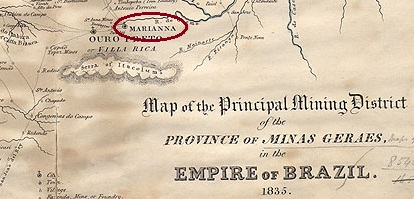
Villiers de l’Ile Adam: Carta (…) da Provincia de Minas Geraes, 1849
Other names: Albuquerque, Ribeirão do Carmo
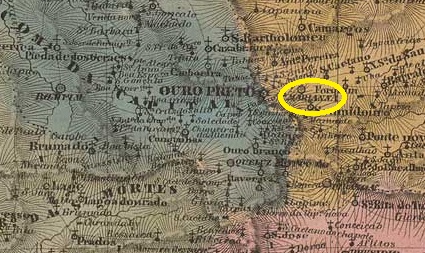
The Vila de Albuquerque existed since April 1711 at Ribeirão do Carmo, 15 kilometres east of the later provincial capital Vila Rica or Ouro Preto. In April 1712, it was renamed Ribeirão do Carmo. In April 1745, it was elevated to Freguesia de N. Sra. da Assumpção da Sé de Marianna and subsequently granted city status.
No fewer than four different dates have been found for the establishment of the local post office: first in March 1798, as Paula Sobrinho writes in História Postal de Minas Gerais (Belo Horizonte, 1997). A second time in March 1829, as stated in Administrações e Agencias Postaes do Brasil Imperio (Brasil Filatelico/RJ, 1934–1935; reprinted by SPP 1994–1999) by Nova Monteiro. The year 1833 is mentioned once more, as can be read in the postal report (Relatorio Postal) for the year 1886, and finally, the year 1846 is listed in the directory of imperial post offices (Tabella das Agencias do Correio do Imperio, Rio de Janeiro, 1885). We can therefore assume that this agency was closed more times.
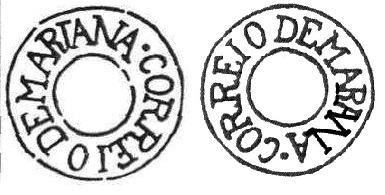
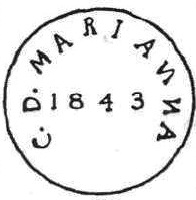
The oldest postmark to date is MMG-1565a, which has been found in pink, sepia, red, green and yellow. Paulo Ayres gave it the number 1153 in his Catálogo de Carimbos Brasil-Império (S. Paulo, 1937, 1942).
MMG-1565a (P.A. 1153 – RHM P-MG-35), 1825–1850 ff
This was followed by the rare MMG-1565b (illustration by R. Koester in Carimbologia XXVII), which also occurs in sepia.
MMG-1565b (RK, RHM P-MG-36), 1841–1843
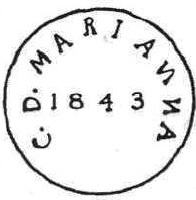
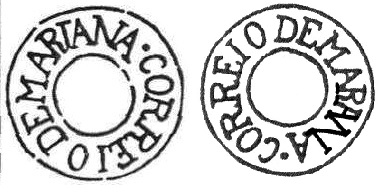
Next came MMG-1565c, which also exists in red and possibly in two variants, as shown in the illustrations by R. Koester (op. cit.) and Henrique B. Ferreira (Catálogo Ilustrado dos Carimbos Sobre os Olhos-de-Boi, Porto Alegre, 2017).
MMG-1565c (RK, HBF M15) 1843–1846
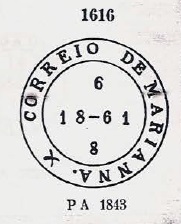
According to P. Ayres (op. cit., No. 1616), the archaic-looking MMG-1565d is also said to appear on Bull’s-eyes stamps, but this has not yet been confirmed.
MMG-1565d (P. A. 1616) 1850 ff–1865
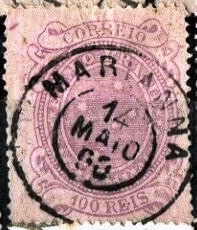
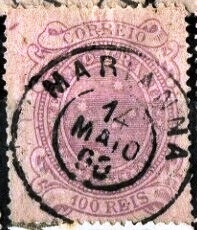
The subsequent double circle MMG-1565g (illustration from the Internet) was used until the end of the 19th century.
MMG-1565g (EB) 1878–1897
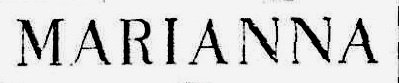
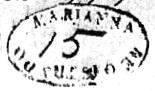
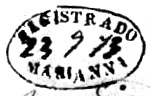
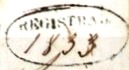
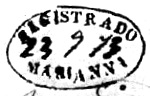
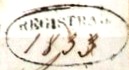
Marianna also used three own registered cancels.
MMG-1565e (ill. Koester) 1870MMG-1565f (ill.Koester) 1873MMG-1565h (ill. Felipe Piccinini) 1881–1883
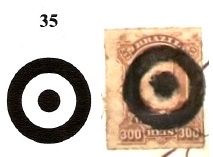
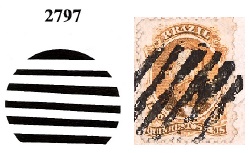
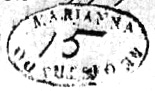
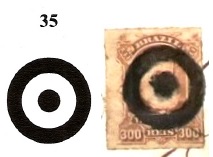
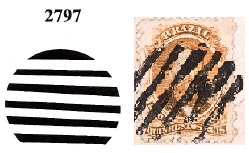
Three mute postmarks, which can be found in Mute Cancellations of the Brazil Empire/Carimbos Mudos do Brasil Império (Brazil Philatelic Association, Rio de Janeiro, 2000) by James Dingler and Klerman W. Lopes, could be attributed to Marianna:
BPA 3937 (P.A. 608) 1866ffBPA 35 (illustration: Felipe Piccinini) 1881BPA 2797 (illustration: Felipe Piccinini) 1883Province of Minas Geraes, 1835
Andere Namen: Albuquerque, Ribeirão do Carmo
Die Vila de Albuquerque bestand seit April 1711 am Ribeirão do Carmo, 15 Kilometer östlich der späteren Provinzhauptstadt Vila Rica bzw. Ouro Preto. Im April 1712 wurde sie zu Ribeirão do Carmo umbenannt. Im April 1745 wurde sie zur Freguesia de N. Sra. da Assumpção da Sé de Marianna erhoben und erhielt anschließend den Status einer Stadt.
Es wurden nicht weniger als vier verschiedene Daten für die Entstehung des örtlichen Postamts gefunden: erstmals im März 1798, wie Paula Sobrinho in História Postal de Minas Gerais (Belo Horizonte, 1997) schreibt. Ein zweites Mal im März 1829, wie aus Administrações e Agencias Postaes do Brasil Imperio (Brasil Filatelico/RJ, 1934–1935; Nachdruck SPP 1994–1999) von Nova Monteiro hervorgeht. Ein weiteres Mal wird das Jahr 1833 genannt, wie im Postbericht (Relatorio Postal) für das Jahr 1886 nachzulesen ist, und schließlich wird das Jahr 1846 im Verzeichnis der kaiserlichen Postämter (Tabella das Agencias do Correio do Imperio, Rio de Janeiro, 1885) aufgeführt. Wir können daher davon ausgehen, dass diese Agentur mehrmals geschlossen wurde.
Der bisher älteste Poststempel ist MMG-1565a, der bisher in den Farben Rosa, Sepia, Rot, Grün und Gelb gefunden wurde. Paulo Ayres gab ihm die Nr. 1153 in seinem Werk Catálogo de Carimbos Brasil-Império (S. Paulo, 1937, 1942).
MMG-1565a (P.A. 1153 – RHM P-MG-35), 1825–1850 ff
Es folgte der seltene MMG-1565b (Abbildung bei R. Koester in Carimbologia XXVII), der ebenfalls in Sepia vorkommt.
MMG-1565b (RK, RHM P-MG-36), 1841–1843
Danach kam MMG-1565c, der auch in Rot existiert und möglicherweise in zwei Varianten vorkommt, wie die Abbildungen von R. Koester (op. cit.) und Henrique B. Ferreira (Catálogo Ilustrado dos Carimbos Sobre os Olhos-de-Boi, Porto Alegre, 2017) zeigen.
MMG-1565c (RK, HBF M15) 1843–1846
Der archaisch anmutende MMG-1565d soll laut P. Ayres (op. cit., Nr. 1616) auch auf Ochsenaugen vorkommen, was bisher jedoch nicht bestätigt werden konnte.
MMG-1565d (P. A. 1616) 1850 ff–1865
Der anschließende Doppelkreis MMG-1565g (Abbildung aus dem Internet) wurde bis gegen Ende des 19. Jahrhunderts verwendet.
MMG-1565g (EB) 1878–1897
Marianna hatte auch drei eigene Einschreibstempel benutzt.
MMG-1565e (Abbildung Koester) 1870MMG-1565f (Abbildung Koester) 1873MMG-1565h (Abbildung von Felipe Piccinini) 1881–1883
Drei stumme Poststempel, die in Mute Cancellations of the Brazil Empire/Carimbos Mudos do Brasil Império (Brazil Philatelic Association, Rio de Janeiro, 2000) von James Dingler und Klerman W. Lopes zu finden sind, konnten Marianna zugeordnet werden:
BPA 3937 (P.A. 608) 1866ffBPA 35 (Abb.: Felipe Piccinini) 1881BPA 2797 (Abb.: Felipe Piccinini) 1883
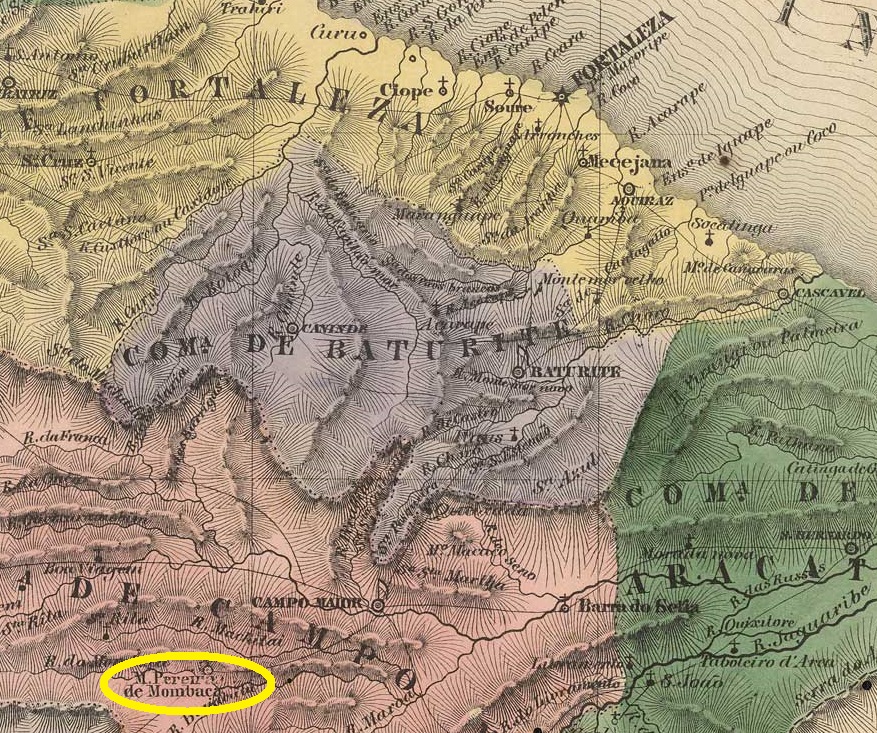
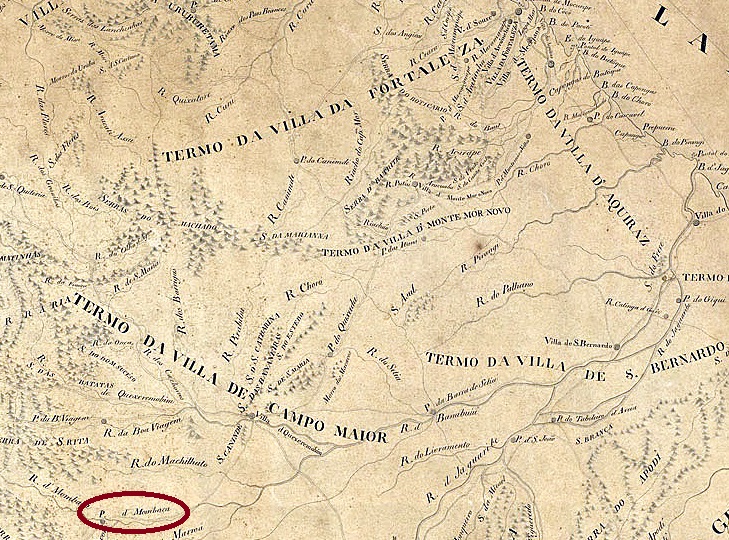
Villiers de l’Ile Adam: Carta (….) da Provincia do Ceara, 1849
Other names: Boca da Picada, Benjamin Constant, Mombaça (1943)
This village, which is old by Brazilian standards, had been the Boca da Picada farm since October 1706, owned by Maria Pereira da Silva, one of the first settlers in the area. The fazenda was located on the south bank of the Banabuiú River, 300 kilometres southwest of the future provincial capital Fortaleza. In September 1832, it was elevated to Freguesia de N. Sra. da Glória de Maria Pereira and belonged to Vila de Quixeramobim. Since its elevation to Vila in November 1851, the place name has changed three times: in 1890 it became Município de Benjamin Constant, in September 1918 it was renamed Maria Pereira (under this name it was elevated to a city in December 1938) and finally, in December 1943, it became the Município de Mombaça.
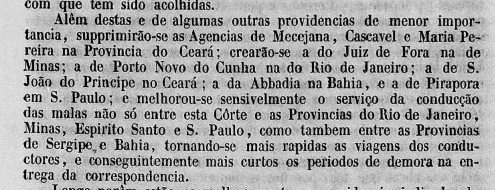
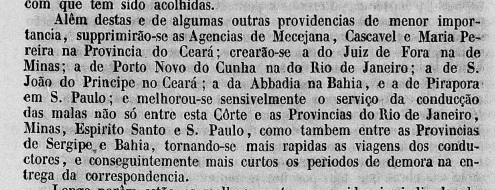
At least two periods of operation have been found for the local post office. Unfortunately, it is not known when the first one began. However, it ended in 1851, as can be seen from the report of the Imperial Ministry.
Relatorio do Ministerio do Imperio, 1851
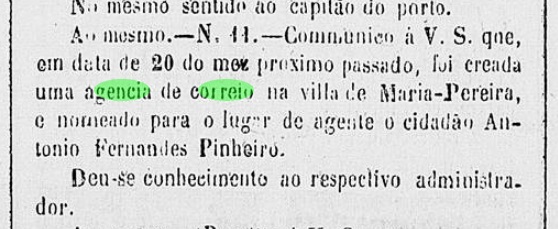
R. Koester writes in Carimbologia XXVII that the post office was reopened in September 1867. However, Nova Monteiro in Administrações e Agencias Postaes do Brasil Imperio (Brasil Filatelico/RJ, 1934–1935; reprinted SPP 1994–1999) gives a date three months later. This is confirmed by the regional press:
Jornal do Ceara, 20 February 1868
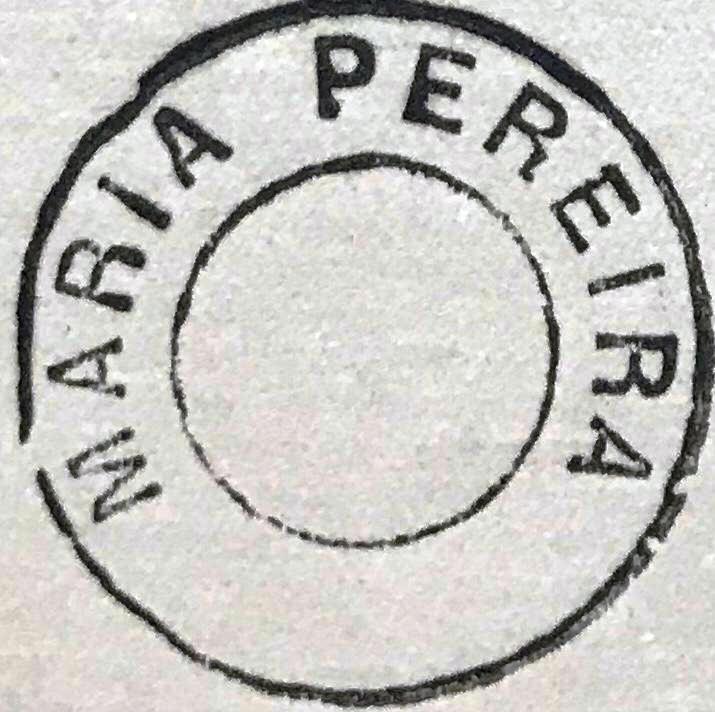
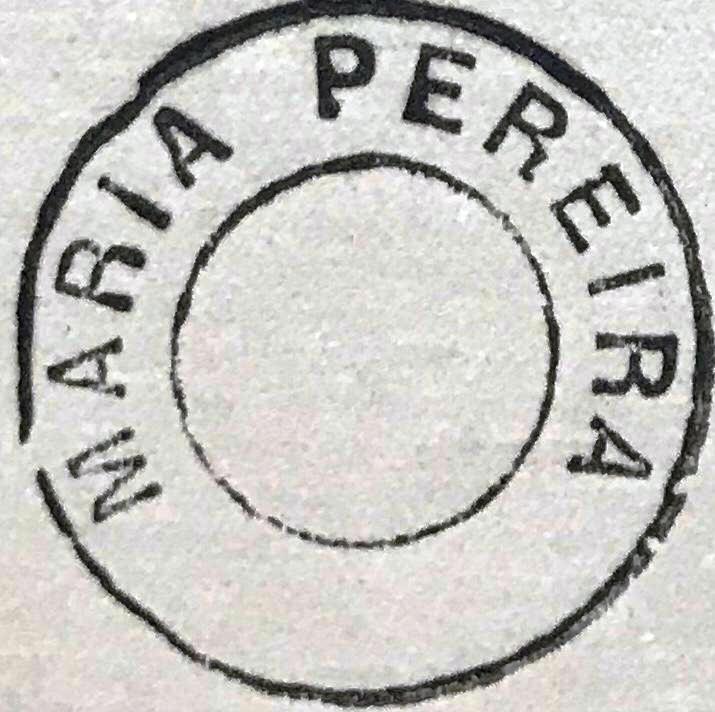
The only imperial postmark to date is MCE-0205b (Klerman Lopes collection):
MCE-0205b (KL) 1883ffCarta da Capitania do Ceara, 1818
Andere Namen: Boca da Picada, Benjamin Constant, Mombaça (1943)
Diese für brasilianische Verhältnisse alte Ortschaft war seit Oktober 1706 die Fazenda Boca da Picada, die Maria Pereira da Silva, einer der ersten Siedler des Ortes, gehörte. Die Fazenda lag am Südufer des Flusses Banabuiú, 300 Kilometer südwestlich der späteren Provinzhauptstadt Fortaleza. Im September 1832 wurde sie zur Freguesia de N. Sra. da Glória de Maria Pereira erhoben und gehörte zur Vila de Quixeramobim. Seit dem Aufstieg zur Vila im November 1851 wechselte der Ortsname dreimal: 1890 wurde er zu Município de Benjamin Constant, im September 1918 erfolgte die Rückbenennung zu Maria Pereira (unter diesem Namen wurde zu einer Stadt im Dezember 1938 erhoben) und schließlich wurde sie im Dezember 1943 zu Município de Mombaça.
Es wurden mindestens zwei Betriebsperioden fürs örtliche Postamt gefunden. Leider ist nicht bekannt, wann die erste begann. Sie endete jedoch im Jahr 1851, wie aus dem Bericht des Imperialministeriums hervorgeht.
Relatorio do Ministerio do Imperio, 1851
R. Koester schreibt in Carimbologia XXVII, dass das Postamt im September 1867 wiedereröffnet wurde. Allerdings nennt Nova Monteiro in Administrações e Agencias Postaes do Brasil Imperio (Brasil Filatelico/RJ, 1934–1935; Nachdruck SPP 1994–1999) ein Datum, das drei Monate später liegt. Dieses wird durch die regionale Presse bestätigt:
Jornal do Ceara, 20.02.1868
Der bisher einzige kaiserliche Poststempel ist MCE-0205b (Samml. Klerman Lopes):
Other names: Margem do Taquary, Ligação, General Câmara (1939)
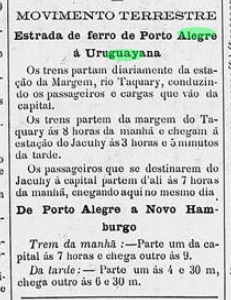
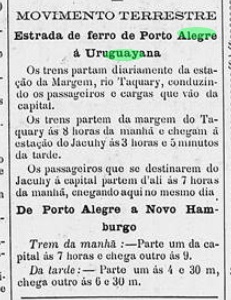
It has not yet been possible to determine exactly when the railway company E.F. Porto Alegre a Uruguayana first opened Margem (Shore) station. The oldest press mention to date is from February 1884.
A Federação, 28 February 1884
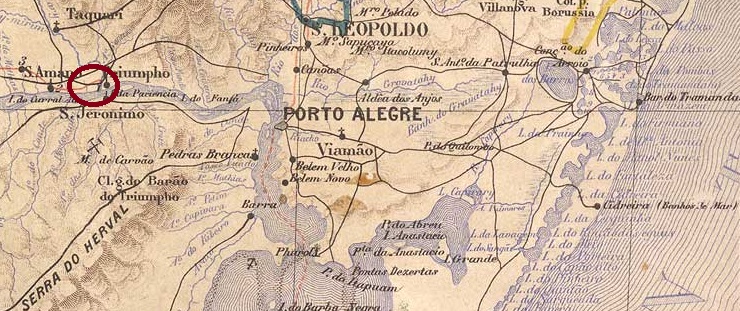
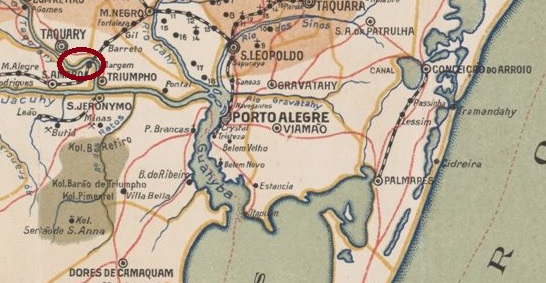
As can be seen on the top map, the station was located on the west bank of the Taquari mouth in the Jacuí in the municipality of Santo Amaro, 70 kilometres west of the provincial capital Porto Alegre. The railway line was transferred to the Cie. Auxiliaire des Chemins de Fer au Brésil in 1911. In the same year, it was connected to the existing railway line of the E.F. de Porto Alegre a Novo Hamburgo. For this purpose, a new station called Ligação (Connection) was built five kilometres further north (image below). In March 1920, the railway line was transferred to Viação Férrea do Rio Grande do Sul and belonged to Rede Ferroviária Federal S. A. from 1975 until its closure in 1996 (estacoesferroviarias.com.br). There is no information available about the original station and its tracks.
The area around the station became the district of Margem do Taquary around 1900 and the municipality of Margem in March 1938. Since June 1939, this municipality has been called General Câmara.
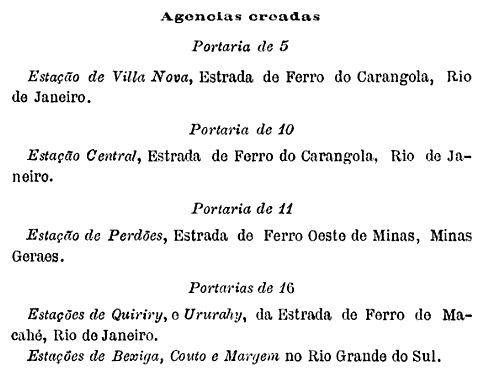
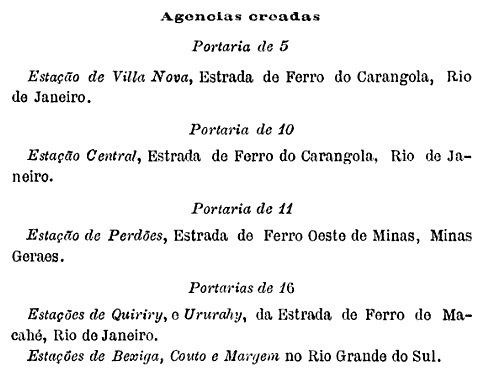
Another mystery is the date of creation of the station post office. According to the Post Bulletin (Boletim Postal) of October 1889, the post office was created in September 1889.
Boletim Postal No. 6, 10/1889
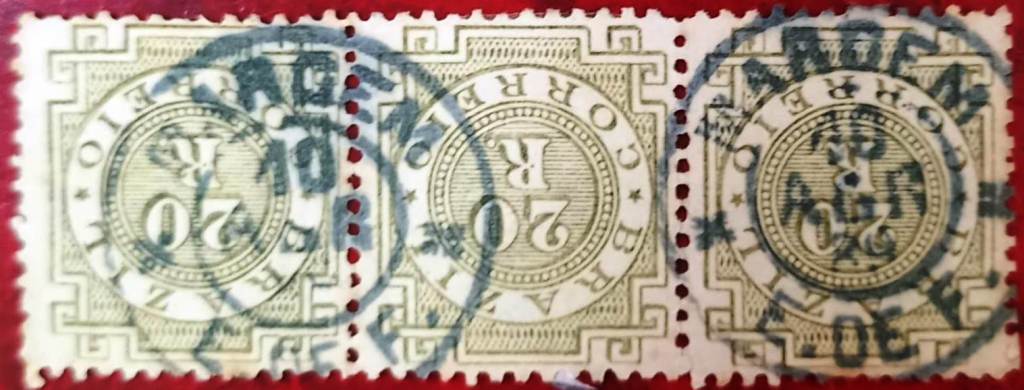
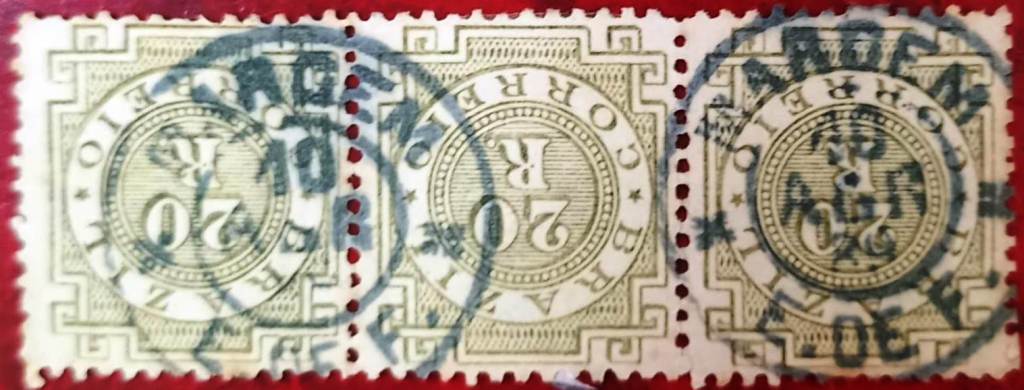
However, earlier postmark dates are known, as shown by the example of MRS-0560a (Fig. José L. Fevereiro):
MRS-0560a (JLF) 1889-1890ffEstado do Rio Grande do Sul, 1924
Andere Namen: Margem do Taquary, Ligação, General Câmara
Bisher konnte nicht ermittelt werden, wann genau die Eisenbahngesellschaft E.F. Porto Alegre a Uruguayana den Bahnhof Margem (Ufer) erstmals eröffnete. Die bisher älteste Presseerwähnung datiert vom Februar 1884.
A Federação, 28.02.1884
Wie der obersten Karte zu entnehmen ist, lag der Bahnhof am Westufer der Mündung des Taquari in den Jacuí im Município de Santo Amaro, 70 Kilometer westlich der Provinzhauptstadt Porto Alegre. Die Bahnlinie ging 1911 an die Cie. Auxiliaire des Chemins de Fer au Brésil über. Im gleichen Jahr wurde sie mit der bereits bestehenden Bahnlinie der E.F. de Porto Alegre a Novo Hamburgo verbunden. Dafür wurde fünf Kilometer weiter nördlich ein neuer Bahnhof namens Ligação (Verbindung) gebaut (zweite Abbildung oben). Im März 1920 ging die Bahnlinie an die Viação Férrea do Rio Grande do Sul über und gehörte von 1975 bis zur Stilllegung im Jahr 1996 zur Rede Ferroviária Federal S. A. (estacoesferroviarias.com.br). Über den ursprünglichen Bahnhof und die Gleise fehlen jegliche Informationen.
Das Gebiet um den Bahnhof wurde um 1900 zum Distrikt Margem do Taquary und im März 1938 zur Gemeinde Margem. Seit Juni 1939 heißt dieser Município General Câmara.
Ein weiteres Rätsel stellt das Entstehungsdatum des Bahnhofspostamts dar. Wie dem Postbulletin (Boletim Postal) vom Oktober 1889 zu entnehmen ist, existierte das Postamt seit September 1889.
Boletim Postal Nr. 6, 10/1889
Es sind jedoch frühere Stempeldaten bekannt, wie das Beispiel für MRS-0560a (Abb. José L. Fevereiro) zeigt:
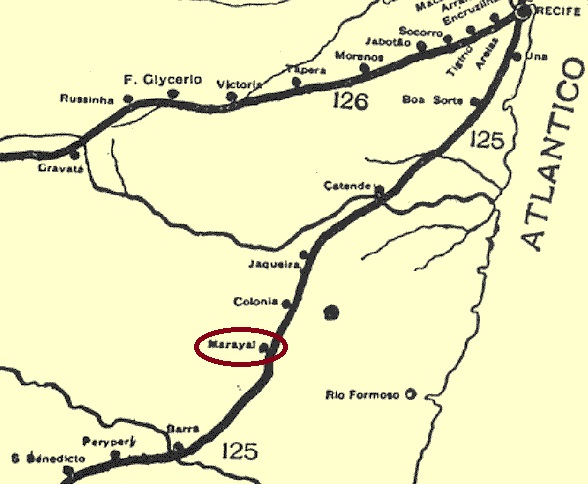
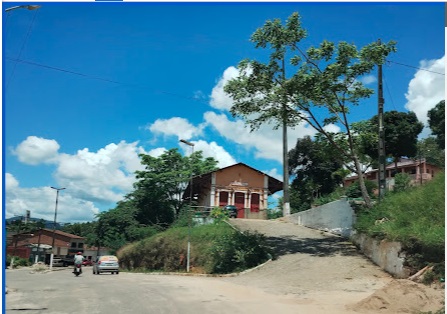
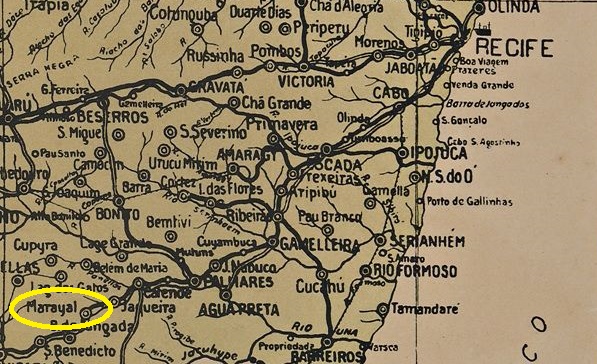
Marayal Station was opened in January 1884 by the E. F. do Recife ao São Francisco railway company. It was in the municipality of Palmares, 150 kilometres southwest of the provincial capital Recife. The railway line was transferred to Great Western in 1901, then to Rede Ferroviária do Nordeste in 1950, and belonged to Rede Ferroviária Federal S.A. from 1975 until it was decommissioned in 1996 (estacoesferroviarias.com.br). Today, the tracks are still in place and the renovated station building houses the municipality’s cultural office.
Photo: Aldo Rodrigues (Google Maps, December 2022)
Since December 1904, the area around the station has belonged to the Distrito de Maraial (according to today’s spelling), which has been an independent município since September 1928.
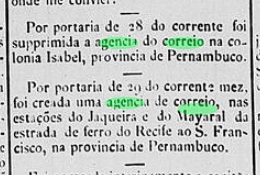
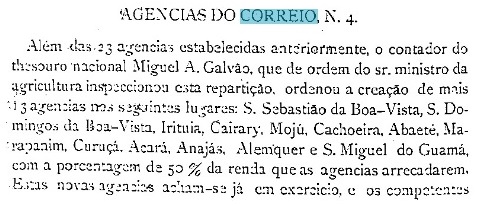
The directory of imperial post offices (Tabella das Agencias do Correio do Imperio, Rio de Janeiro, 1885) shows that there had been a station post office there since 1884. The Rio de Janeiro press records a date in May of that year:
Diario do Brasil/RJ, 31 May 1884
No imperial postmarks from Maraial have been seen to date.
Arthur D. Ribeiro: Estado de Pernambuco, 1924
Textaktualisierung am 23. Juli 2025
Der Bahnhof Marayal wurde im Januar 1884 von der Eisenbahngesellschaft E. F. do Recife ao São Francisco eröffnet. Er lag im Munizip Palmares, 150 Kilometer südwestlich der Provinzhauptstadt Recife. Die Bahnlinie ging 1901 an die Great Western über, dann 1950 an die Rede Ferroviária do Nordeste und gehörte von 1975 bis zur Stilllegung im Jahr 1996 zur Rede Ferroviária Federal S.A. (estacoesferroviarias.com.br). Heute sind die Gleise noch vorhanden und das renovierte Bahnhofsgebäude beherbergt das Kulturamt der Gemeinde.
Foto: Aldo Rodrigues (Google Maps, Dezember 2022)
Das Areal um den Bahnhof gehörte seit Dezember 1904 zum Distrito de Maraial (so die heutige Schreibweise), der seit September 1928 ein eigenständiger Município ist.
Aus dem Verzeichnis der kaiserlichen Postämter (Tabella das Agencias do Correio do Imperio, Rio de Janeiro, 1885) geht hervor, dass es dort seit 1884 ein Bahnhofspostamt gab. Die Presse von Rio de Janeiro berichtet darüber im Mai dieses Jahres:
Diario do Brasil/RJ, 31.05.1884
Bisher wurden keine kaiserlichen Poststempel aus Maraial gesehen.
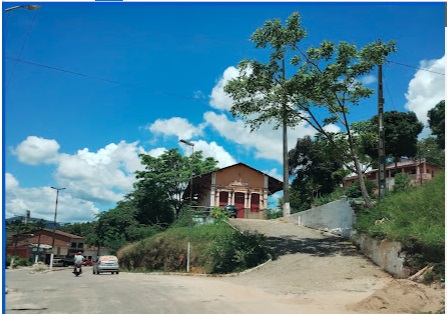
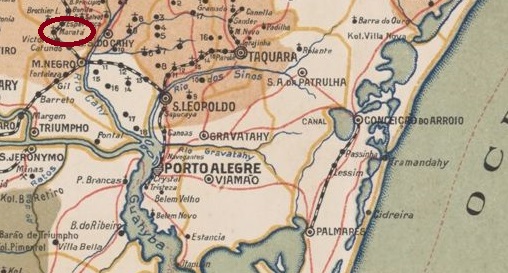
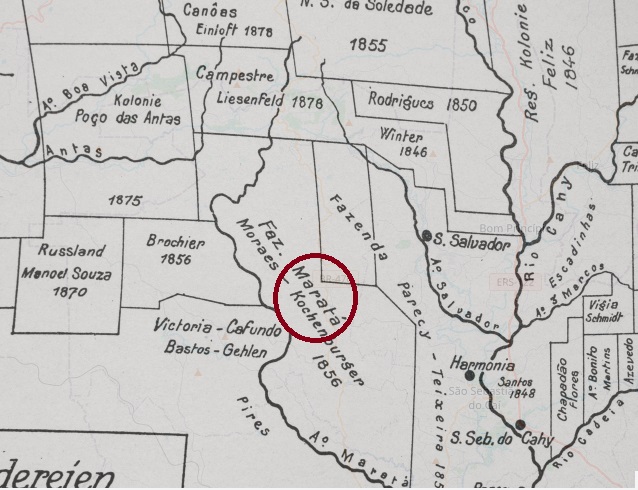
The Fazenda Maratá was first mentioned in documents in 1856. It belonged to the Vila de Triunfo, was located on the west bank of the Arroio Maratá in the german colony region, 80 kilometres northwest of the provincial capital Porto Alegre. In May 1873, the settlement came under the administration of Vila de S. João de Montenegro, and in August 1892 it became a district and, as such, was placed under the authority of the then newly founded Município de Brochier in April 1988. Maratá has been an independent municipality since March 1992.
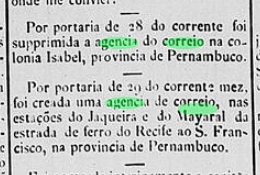
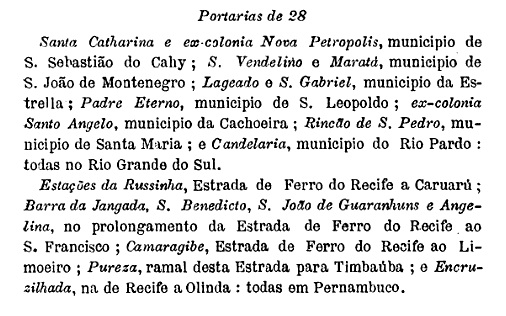
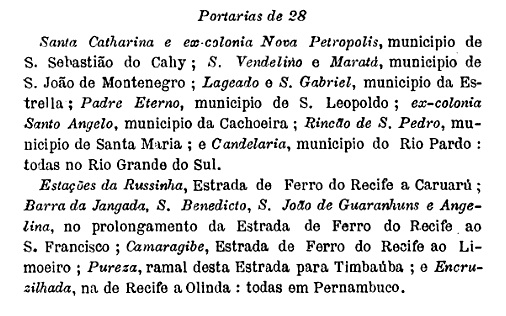
In October 1889, the establishment of a post office in Maratá was decided, as reported in the Post Bulletin (Boletim Postal) of the following month.
Boletim Postal No. 7, November 1889
It is therefore very unlikely that there are any imperial postmarks from Maratá.
colonias.heuser.pro.br
Im Jahr 1856 wurde die Fazenda Maratá erstmals urkundlich erwähnt. Sie gehörte zur Vila de Triunfo, lag am Westufer des Arroio Maratá in der deutschen Kolonieregion, 80 Kilometer nordwestlich der Provinzhauptstadt Porto Alegre. Im Mai 1873 ging die Siedlung unter der Verwaltung der Vila de S. João de Montenegro über, im August 1892 wurde sie zum Distrito und war als solcher ab April 1988 dem damals neu gegründeten Município de Brochier unterstellt. Seit März 1992 ist Maratá eine eigenständige Gemeinde.
Im Oktober 1889 wurde die Einrichtung eines Postamts in Maratá beschlossen, wie im Postbulletin (Boletim Postal) des Folgemonats berichtet wurde.
Boletim Postal Nr. 7, November 1889
Daher ist es sehr unwahrscheinlich, dass es kaiserliche Poststempel aus Maratá gibt.
Carta da Republica dos Estados Unidos do Brazil, 1892
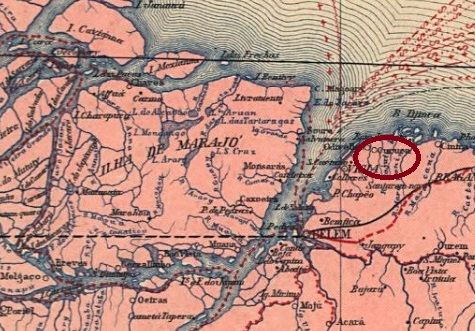
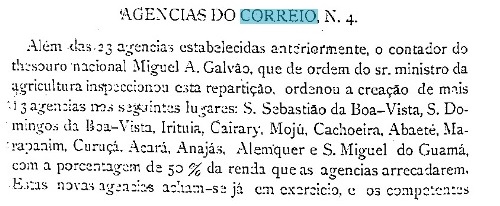
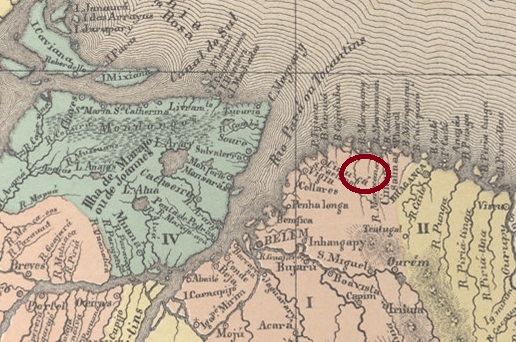
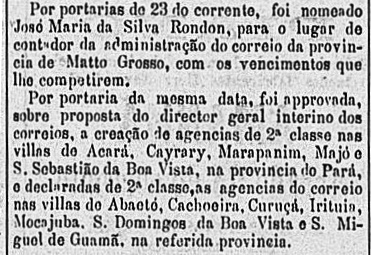
The Freguesia de Nossa Senhora da Vitória de Marapanim existed since October 1869 and belonged to the Vila de Curuçá. It was located on the west bank of the Marapanim, 150 kilometres northeast of the provincial capital Belém do Pará. Marapanim became a vila in March 1874 and a city in July 1895. The name comes from the Nheengatu language and means ‘little water butterfly’.
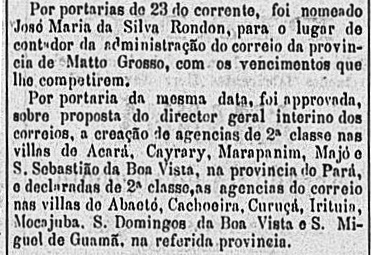
The press in Rio de Janeiro reported that the local post office was established in March 1882.
O Globo/RJ, 24 March 1882
However, a post office in Marapanim was already mentioned in February of the previous year in the provincial president’s report:
Relatorio do Presidente da Provincia, February 1881
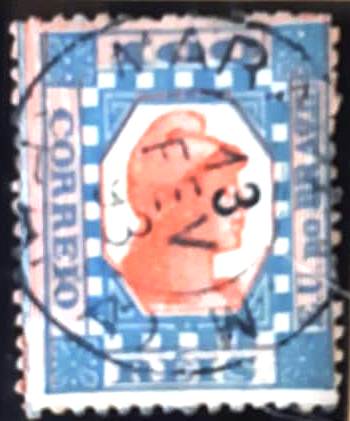
The oldest postmark to date is MPA-0150a (Fuad Ferreira Fo. collection):
MPA-0150a (FF) 1893Atlas do Imperio do Brasil, 1868
Die Freguesia de Nossa Senhora da Vitória de Marapanim bestand seit Oktober 1869 und gehörte zur Vila de Curuçá. Sie lag am Westufer des Marapanim, 150 Kilometer nordöstlich der Provinzhauptstadt Belém do Pará. Marapanim wurde im März 1874 zur Vila und im Juli 1895 zur Stadt. Der Name stammt aus der Nheengatu-Sprache und soll „kleiner Wasserschmetterling“ bedeuten.
Die Presse aus Rio de Janeiro schrieb, dass das örtliche Postamt im März 1882 entstanden sei.
O Globo/RJ, 24.03.1882
Allerdings wurde ein Postamt in Marapanim bereits im Februar des Vorjahres im Bericht des Provinzpräsidenten erwähnt:
Relatorio do Presidente da Provincia, Februar 1881
Der bisher älteste Poststempel ist MPA-0150a (Samml. Fuad Ferreira Fo.):
Villiers de l’Ile Adam: Carta (…) da Provincia do Ceara, 1849
Other names: Alto da Vila
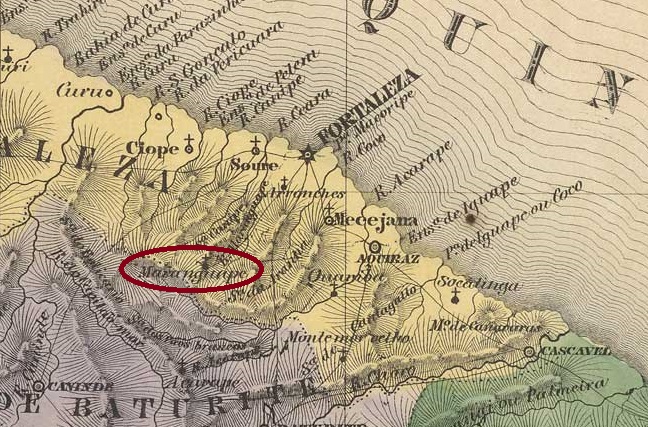
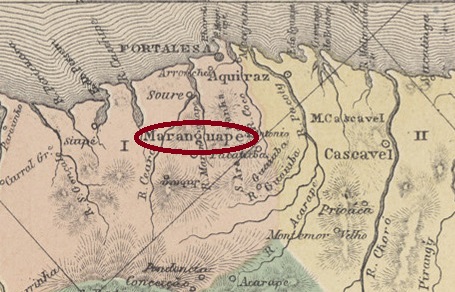
The Freguesia de N. Sra. da Penha de Maranguape was located on the west bank of the river of the same name, 25 km southwest of the provincial capital Fortaleza, and had existed since March 1849. Maranguape became a vila in November 1851 and a city in September 1869. The name comes from the Tupi language and means ‘expert warriors’.
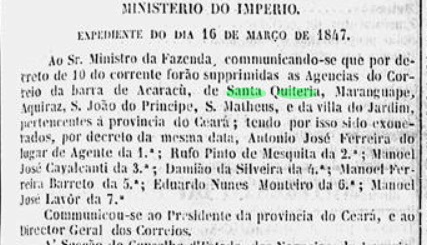
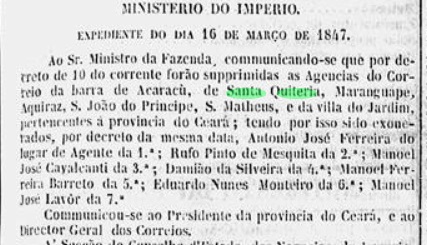
Two periods of operation were found for the local post office. It is not yet known when the first one began, but it ended in March 1847, as announced by the press in Rio.
Gazeta Official/RJ, 24 March 1847
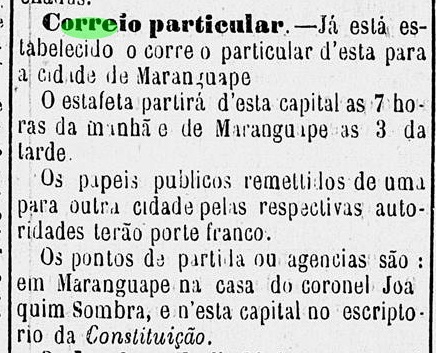
The second opening took place in June 1866, as Nova Monteiro writes in Administrações e Agencias Postaes do Brasil Imperio (Brasil Filatelico/RJ, 1934–1935; reprinted by SPP 1994–1999). In addition, a private postal route between Maranguape and Fortaleza was established in 1871, as reported in the regional press.
Cearense, 2 March 1871
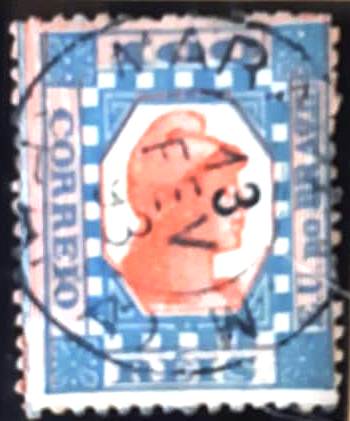
However, no imperial postmark from Maranguape has been sighted to date.
Atlas do Imperio do Brasil, 1868
Andere Namen: Alto da Vila
Die Freguesia de N. Sra. da Penha de Maranguape lag am Westufer des gleichnamigen Flusses, 25 km südwestlich der Provinzhauptstadt Fortaleza, und bestand seit März 1849. Maranguape wurde im November 1851 zur Vila und im September 1869 zur Stadt. Der Name stammt aus der Tupi-Sprache und bedeutet „beschlagene Krieger”.
Es wurden zwei Betriebsperioden für das örtliche Postamt gefunden. Wann die erste begann, ist noch nicht bekannt, sie endete jedoch im März 1847, wie die Presse aus Rio bekannt gab.
Gazeta Official/RJ, 24.03.1847
Die zweite Eröffnung fand im Juni 1866 statt, wie Nova Monteiro in Administrações e Agencias Postaes do Brasil Imperio (Brasil Filatelico/RJ, 1934–1935; Nachdruck SPP 1994–1999) schreibt. Darüber hinaus wurde im Jahr 1871 eine private Postroute zwischen Maranguape und Fortaleza eingerichtet, wie aus der regionalen Presse hervorgeht.
Cearense, 02.03.1871
Bisher wurde jedoch kein kaiserlicher Poststempel aus Maranguape gesichtet.






 Carimbologia