Categories
Carimbologia A-B

Brumado (Suassuhy), Minas Gerais (BMG-0410)

Atlas do Imperio do Brasil, 1868

Other names: Entre Rios, João Ribeiro, Entre Rios de Minas (1953)

The parish of N. Sra. das Grotas de Brumado was founded in July 1832, belonged to the Vila of Queluz and was located between the rivers Brumado and Camapuã, 90 km southwest of the provincial capital Ouro Preto. In January 1875, it became the Vila of Brumado do Suassuhy, which was renamed Entre Rios in October 1878. In January 1880, it became a town, and has since had two new names: in December 1938, it was called João Ribeiro, and 15 years later, Entre Rios de Minas.

Two dates of origin were found for the local post office. As they are close to each other, the second date could be when the agency started operating. First in March 1867, as can be read in Administrações e Agencias Postaes do Brasil Imperio (Brasil Filatelico/RJ, 1934-5; Reprint SPP 1994-1999). Then again in July of the same year, as Paula Sobrinho writes in História Postal de Minas Gerais (Belo Horizonte, 1997).

The first postmark is probably BMG-0410a (fig. from the Internet):
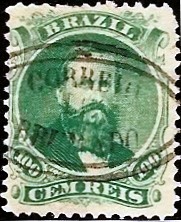
BMG-0410a (SB) 1867ff

About the same time there was also a handwritten cancellation shown by R. Koester in Carimbologia VI:

1867ff (RK)
Villiers de l’Ile Adam: Carta (…) da Provincia de Minas Geraes, 1849

Andere Namen: Entre Rios, João Ribeiro, Entre Rios de Minas (1953)

Die Pfarrei von N. Sra. das Grotas de Brumado wurde im Juli 1832 gegründet, gehörte der Vila von Queluz und lag zwischen den Flüssen Brumado und Camapuã, 90 km südwestlich der Provinzhauptstadt Ouro Preto entfernt. Im Januar 1875 wurde daraus die Vila von Brumado do Suassuhy, die im Oktober 1878 zu Entre Rios umbenannt wurde. Im Januar 1880 erfolgte die Ernennung zu einer Stadt, die seitdem zwei neue Namen bekam: im Dezember 1938 hieß sie João Ribeiro und 15 Jahre später Entre Rios de Minas.

Zwei Entstehungsdaten wurden fürs örtliche Postamt gefunden. Da sie eng bei einander liegen, könnte das zweite Datum die der Inbetriebnahme der Agentur sein. Erstmals im März 1867, wie man im Administrações e Agencias Postaes do Brasil Imperio (Brasil Filatelico/RJ, 1934-5; Reprint SPP 1994-1999) lesen kann. Dann wieder im Juli desselben Jahres, wie Paula Sobrinho in História Postal de Minas Gerais (Belo Horizonte, 1997) schreibt.

Der erste Poststempel wird wohl BMG-0410a (Abb. aus dem Internet) sein:
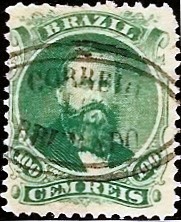
BMG-0410a (SB) 1867ff

Etwa parallel dazu gab es auch eine handschriftliche Entwertung, die von R. Koester in Carimbologia VI gezeigt wurde:

1867ff (RK)
Categories
Carimbologia A-B

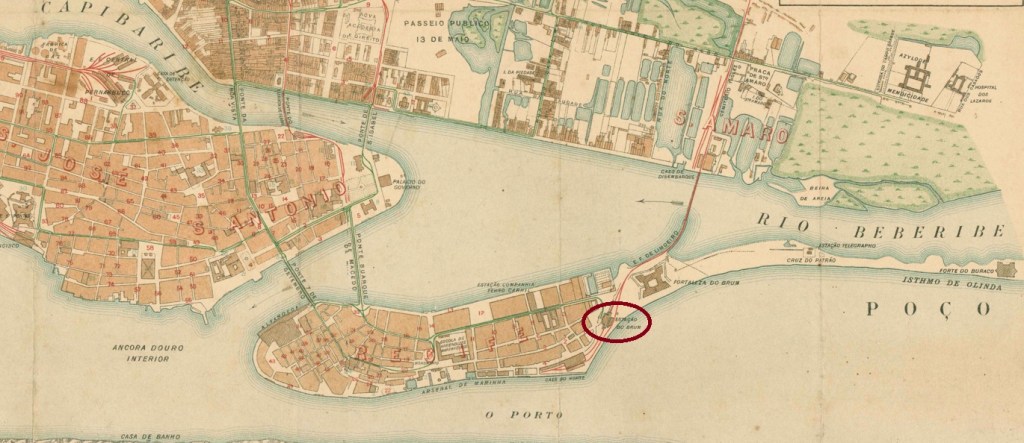
Brum (train station/Bahnhof), Pernambuco (BPE-0135)

Mappa da cidade de Recife, 1906

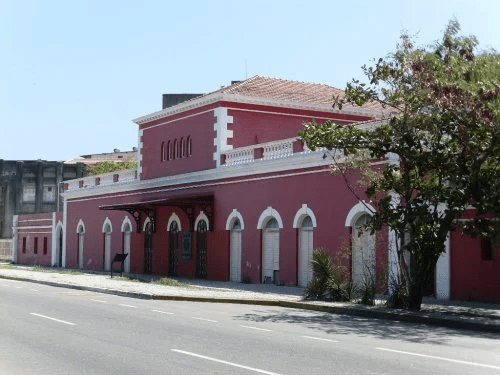
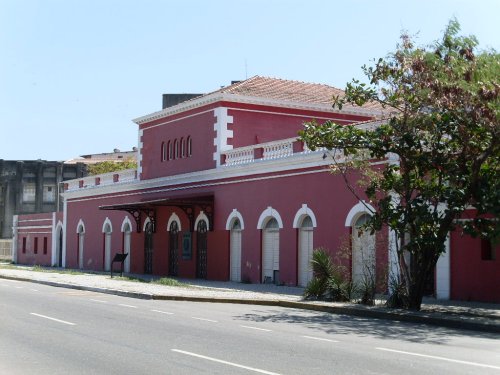
Brum station was inaugurated in October 1881 by the Great Western Railway Co. on Recife Island, opposite the centre of the Pernambuco capital. The railway line belonged to Rede Ferroviária do Nordeste from 1950 until its closure in 1975. The name Brum is said to come from the adjacent Brum fortress from 1630, which in turn was supposedly named after the Dutch governor Johann Bruyne (!). Today the rails are gone, the station building serves as a memorial to justice (Memorial da Justiça).

1906 (Photo: Sidney Correa in estacoesferroviarias.com.br)

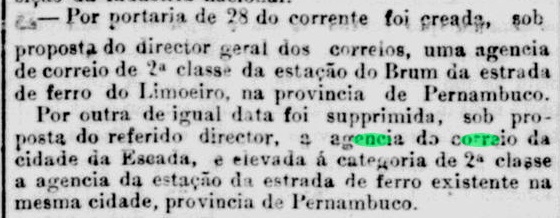
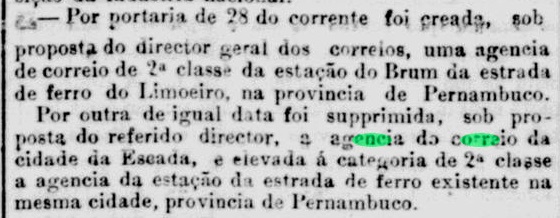
The station post office dates from September 1881 and is thus even slightly older than the station itself, as reported by the Rio press:

Jornal do Commercio/RJ, 30.09.1881

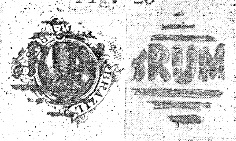
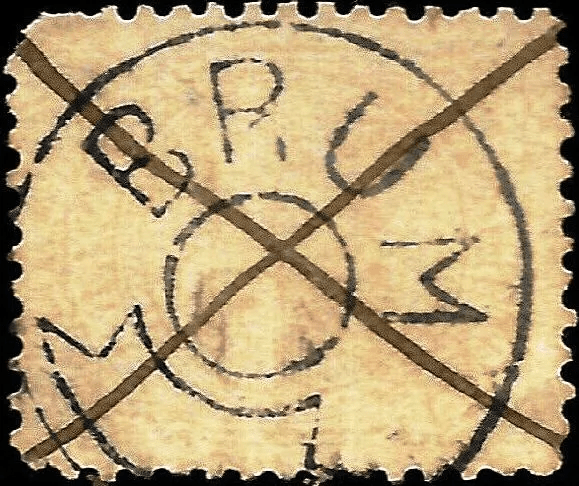
The oldest postmark is said to be BPE-0135a, which was used until about 1887 and is already known through R. Koester (Carimbologia VI):

BPE-0135a (RK) 1881-1887

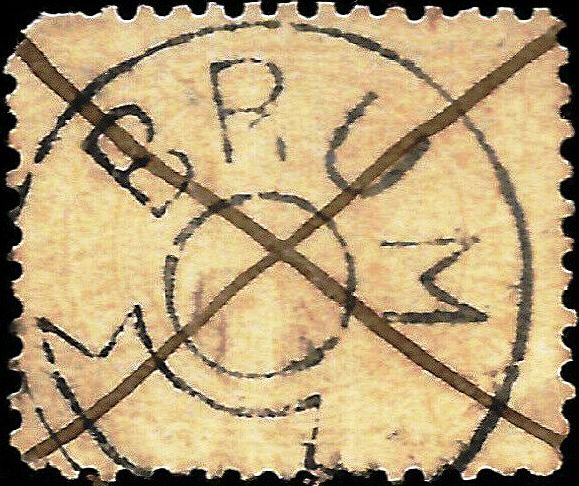
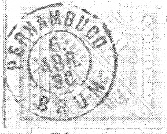
It was followed by BPE-0135b (fig. from the internet), which was in use from ca. 1883:

BPE-0135b (EB) 1883ff-1885ff

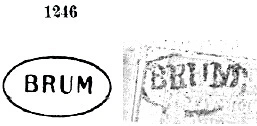
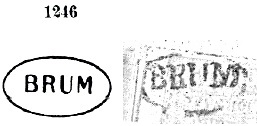
At about the same time BPE-0135c came out, presented by Paulo Ayres (Catálogo de Carimbos Brasil-Império, S. Paulo, 1937, 1942) with no. 1246. However, this image shows considerable differences when compared with Koester’s image:

BPE-0135c (P.A. 1246 – recte RK) 1883ff-1890ff

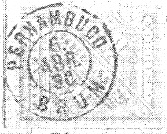
Next came BPE-0135d, used between 1889 and 1893 and also presented by Koester:

BPE-0135d (RK) 1889-1893

Paulo Ayres (op. cit.) also shows a Brum cancel on p. 120, which could not be confirmed so far:

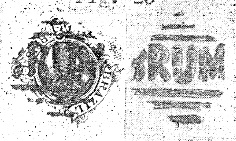
(P.A. p. 120)
Recife, 1856

Der Bahnhof Brum wurde im Oktober 1881 durch die Great Western Railway Co. eingeweiht und  lag auf der Recife-Insel, gegenüber dem Zentrum der Pernambuco-Hauptstadt. Die Bahnlinie gehörte 1950 bis zur Stilllegung 1975 der Rede Ferroviária do Nordeste. Der Name Brum soll von der nebenan liegenden Brum-Festung aus 1630 kommen, die wiederum angeblich nach dem holländischen Gouverneur Johann Bruyne (!) genannt wurde. Heute sind die Schienen weg, das Bahnhofsgebäude dient als eine Justiz-Gedenkstätte (Memorial da Justiça).

1906 (Foto: Sidney Correa in estacoesferroviarias.com.br)

Das Bahnhofspostamt ist aus September 1881 und damit sogar etwas älter als der Bahnhof selber, wie die Presse aus Rio berichtete:

Jornal do Commercio/RJ, 30.09.1881

Der älteste Poststempel soll BPE-0135a sein, der bis ca. 1887 verwendet wurde und schon durch  R. Koester (Carimbologia VI) bekannt ist:

BPE-0135a (RK) 1881-1887

Ihm folgte BPE-0135b (Abb. aus dem Internet), der ab ca. 1883 in Gebrauch war:

BPE-0135b (EB) 1883ff-1885ff

Etwa gleichzeitig kam BPE-0135c heraus, der durch Paulo Ayres (Catálogo de Carimbos Brasil-Império, S. Paulo, 1937, 1942) mit Nr. 1246 präsentiert wurde. Allerdings zeigt diese Abbildung erhebliche Unterschiede, wenn man sie mit Koesters Bild vergleicht:

BPE-0135c (P.A. 1246 – recte RK) 1883ff-1890ff

Danach kam BPE-0135d, der zwischen 1889 und 1893 verwendet und ebenfalls von Koester vorgestellt wurde:

BPE-0135d (RK) 1889-1893

Paulo Ayres (op. cit.) zeigt darüber hinaus auf S. 120 einen Brum-Stempel, der bisher nicht bestätigt werden konnte:

(P.A. S. 120)
Categories
Carimbologia A-B

Brotas (BSP-0190) – Brotas (train station/Bahnhof), São Paulo (BSP-0191)

Villiers de l’Ile Adam: Carta (…) da Provincia de S. Paulo, 1847

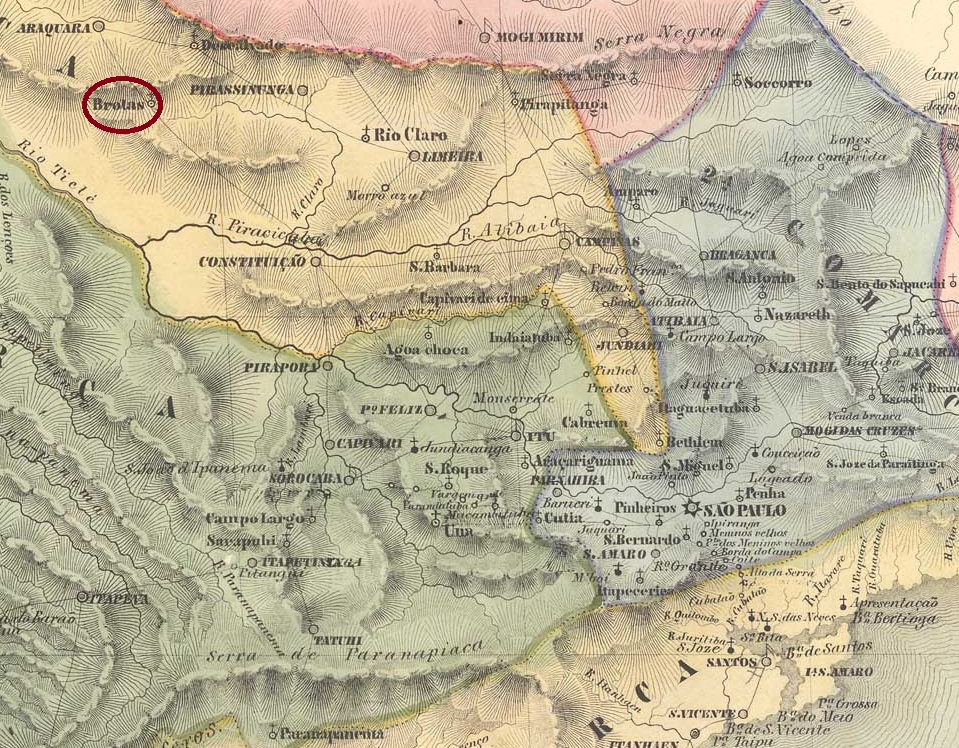
The Freguesia of Nosso Senhor das Dores de Brotas was founded in March 1846 on the north bank of the Jacaré-Pepira River in the Município of Araraquara, 240 km northwest of the provincial capital of São Paulo. In March 1853, the freguesia changed to the Município of Rio Claro, in February 1859 it was promoted to vila, and in March 1894 to town.

As Nova Monteiro writes in Administrações e Agencias Postaes do Brasil Imperio (Brasil Filatelico/RJ, 1934-5; Reprint SPP 1994-1999), there was a post office there since January 1855, which is confirmed by Aureo G. Santos in Agências de Correio Criadas e Suprimidas 1851, 1855, 1856 e 1857 (Brasil Filatélico 181, Rio de Janeiro, 1977):

Aureo G. Santos (op. cit.)

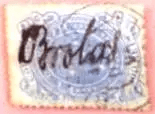
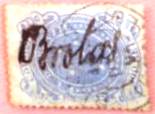
The first postmark is BSP-0190a, used until at least 1878 and known through R. Koester (Carimbologia VI).

BSP-0190a (RK) 1855-1878

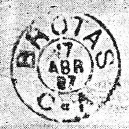
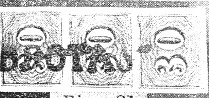
It was followed by the double circle BSP-0190b (image by Mário Celso Orsi Jr.), with the upper inscription BROTAS and inner dates from 1878 to 1881. After that there came the French type BSP-0190c, which was also seen in blue and violet with dates 1883-1889 and already shown by Koester (op. cit.):

BSP-0190c (RK) 1883-1889

Koester also presented the successor stamp BSP-0190d showing inner dates from 1888 to at least 1890:

BSP-0190d (RK)

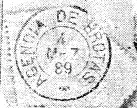
In July 1885, a train station of the E.F. Rio Claro Railway Company was opened in Brotas. Although no evidence of the existence of a post office at the station has yet surfaced, the railway line was equipped with a postwagon, as the ambulatory postmark BSP-0191a (also known through Koester) can attest:

BSP-0191a (RK) 1887-1890

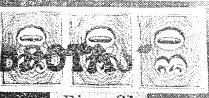
Two mute cancellations and a handwritten one from Brotas are also known. Philatelist Mário Celso Orsi Jr has reported the following mute cancellation on an 1878 item:

1878 (MO)

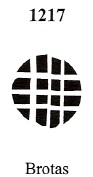
James Dingler and Klerman W. Lopes have recorded this mute cancel under no. 1217 in Mute Cancellations of the Brazil Empire / Carimbos Mudos do Brasil Império (Brazil Philatelic Association, Rio de Janeiro, 2000):

BPA 1217, 1882ff

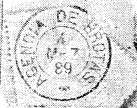
Finally, this handwritten cancellation comes from the Jorge L. Pedreira collection:

1890f (JLP)
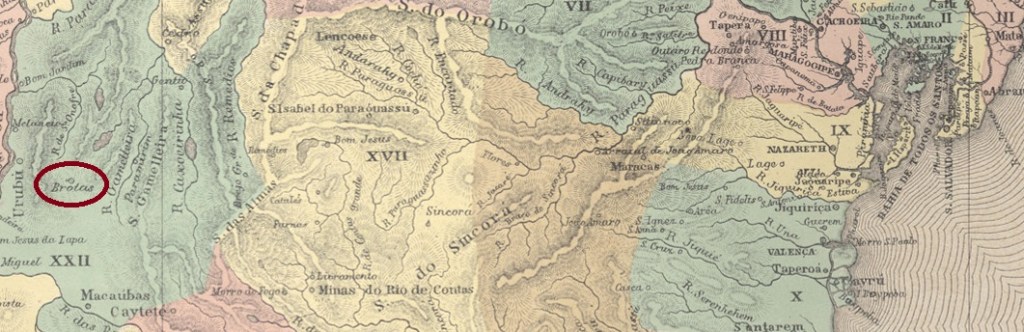
Atlas do Imperio do Brasil, 1868

Die Freguesia von Nosso Senhor das Dores de Brotas wurde im März 1846 gegründet und lag am Nordufer des Flusses Jacaré-Pepira im Município von Araraquara, 240 km nordwestlich der Provizhauptstadt São Paulo entfernt. Im März 1853 wechselte die Freguesia zum Município von Rio Claro, im Februar 1859 erfolgte der Aufstieg zur Vila, und im März 1894 zur Stadt.

Wie Nova Monteiro in Administrações e Agencias Postaes do Brasil Imperio (Brasil Filatelico/RJ, 1934-5; Reprint SPP 1994-1999) schreibt, gab es dort ein Postamt seit Januar 1855, was durch Aureo G. Santos in Agências de Correio Criadas e Suprimidas 1851, 1855, 1856 e 1857 (Brasil Filatélico 181, Rio de Janeiro, 1977) bestätigt wird:

Aureo G. Santos (op. cit.)

Der erste Poststempel ist BSP-0190a, der bis mindestens 1878 gebraucht wurde und durch R. Koester (Carimbologia VI) bekannt ist.

BSP-0190a (RK) 1855-1878

Ihm folgte der Doppelkreis BSP-0190b (Abb. Mário Celso Orsi Jr.), mit der oberen Inschrift BROTAS und inneren Daten von 1878 bis 1881. Danach kam der französische Typus BSP-0190c (RK), der bisher auch in Blau und Violett mit Daten 1883-1889 zu sehen war und bereits durch Koester (op. cit.) gezeigt wurde:

BSP-0190c (RK) 1883-1889

Koester stellte auch den Nachfolgestempel BSP-0190d vor, der innere Daten von 1888 bis mindestens 1890 aufweist:

BSP-0190d (RK)

Im Juli 1885 wurde in Brotas der Bahnhof der E.F. Rio Claro Bahngesellschaft eingeweiht. Auch wenn bisher kein Nachweis für die Existenz eines Postamts im Bahnhof auftauchte, war die Bahnlinie mit einem Postwagon ausgestattet, wie der ambulante Poststempel BSP-0191a (auch durch Koester bekannt) belegen kann:

BSP-0191a (RK) 1887-1890

Aus Brotas kennen wir auch zwei stumme Abstempelungen und eine handschriftliche postalische Entwertung. Der Philatelist Mário Celso Orsi Jr hat folgende stumme Entwertung auf einem Objekt aus dem Jahr 1878 gemeldet:

1878 (MO)

James Dingler und Klerman W. Lopes haben in Mute Cancellations of the Brazil Empire / Carimbos Mudos do Brasil Império (Brazil Philatelic Association, Rio de Janeiro, 2000) diesen stummen Stempel unter der Nr. 1217 registriert:

BPA 1217, 1882ff

Schließlich aus der Sammlung Jorge L. Pedreira kommt diese handschriftliche Entwertung:

1890ff (JLP)
Categories
Carimbologia A-B

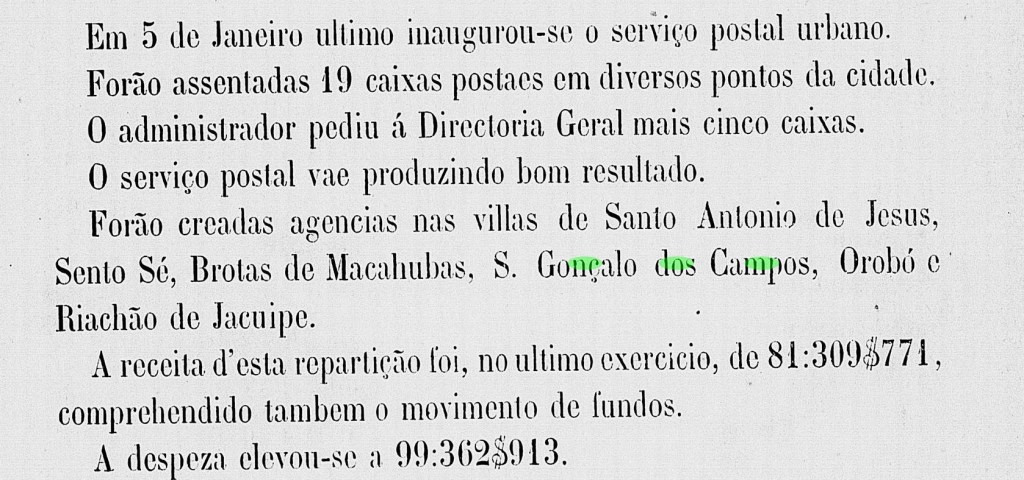
Brottas de Macahubas, Bahia (BBA-0170)

Atlas do Imperio do Brasil, 1868

Another name: Brotas

The freguesia of N. Sra.das Brotas was founded in March 1847 in the município of Macaúbas, located on the east bank of the river Riacho das Telhas, 610 km west of the provincial capital Salvador da Bahia. In July 1878, it was promoted to a villa as an agricultural colony, under the name Villa Agricola de N. Sra. das Brotas de Macaúbas. In June 1931 the place name was shortened to Brotas, but in December 1943 the old designation Brotas de Macaúbas returned.

The post office, ca. 1980 (IBGE)

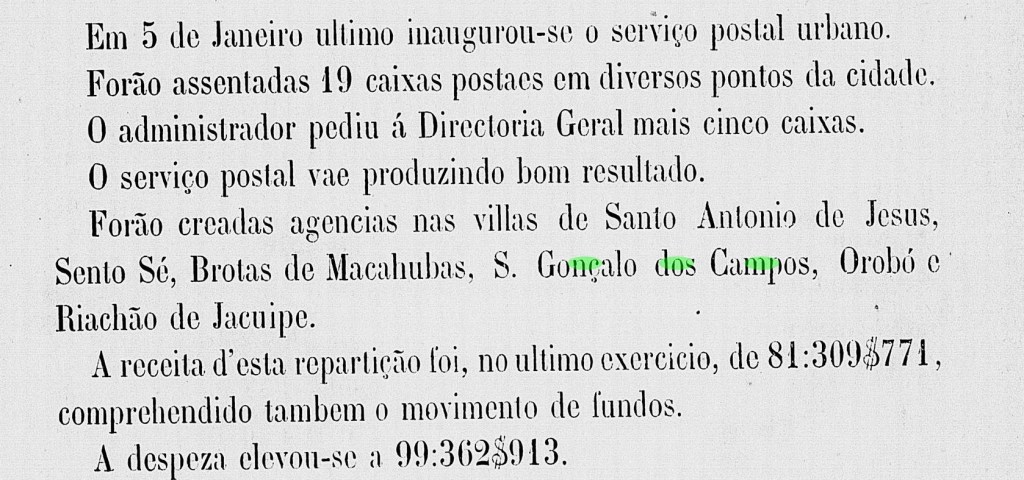
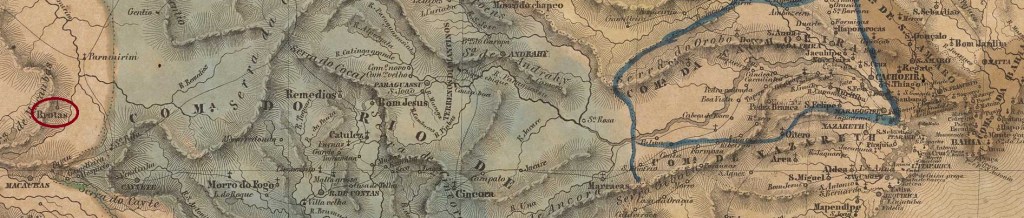
According to R. Koester (Carimbologia VI), there had been a post office there since July 1880, which is confirmed by the provincial president’s report for the following year:

Relatorio do Conselho Interino do Governo da Bahia, 1881

The oldest postmark so far is BBA-0170a (Coll. José L. Fevereiro): a simple double circle with the inscription BROTTAS DE MACAHUBAS on top, with internal dates from about 1888 to 1897.

Villiers de l’Ile Adam: Carta (…) da Provincia da Bahia, 1848

Anderer Name: Brotas

Die Freguesia von N. Sra. das Brotas wurde im März 1847 im Município von Macaúbas gegründet und lag am Ostufer des Flusses Riacho das Telhas, 610 km westlich der Provinzhauptstadt Salvador da Bahia entfernt. Im Juli 1878 erfolgte der Aufstieg zur Villa als Landwirtschaftskolonie, unter dem Namen Vila Agricola de N. Sra. das Brotas de Macaúbas. Im Juni 1931 wurde der Ortsname zu Brotas gekürzt, aber im Dezember 1943 kehrte die alte Bezeichnung Brotas de Macaúbas zurück.

Postamt, ca. 1908 (IBGE)

Laut R. Koester (Carimbologia VI) gab es dort ein Postamt seit Juli 1880. Das wird durch den Bericht des Provinzpräsidenten fürs folgende Jahr bestätigt:

Relatorio do Conselho Interino do Governo da Bahia, 1881

Der bisher älteste Poststempel ist BBA-0170a (Samml. José L. Fevereiro): ein schlichter Doppelkreis mit der Inschrift BROTTAS DE MACAHUBAS oben, mit inneren Daten von ca. 1888 bis 1897.

Categories
Carimbologia A-B

Breves, Pará (BPA-0055)

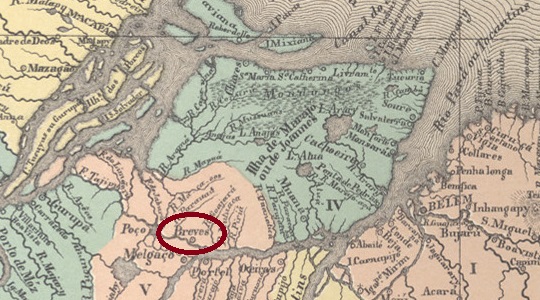
Atlas do Imperio do Brasil, 1868

The Freguesia de N. Sra. de Sant’Anna dos Breves was founded in November 1850 on the east bank of the Breves River, 220 km west of the provincial capital Belém do Pará. The village was declared a vila in October 1851 and a town in November 1909. The place name comes from the first Portuguese landowners in the region, the brothers Manuel and Angelo Breves.

Two post office foundations have also been found here. First, in April 1850, as Nova Monteiro writes in Administrações e Agencias Postaes do Brasil Imperio (Brasil Filatelico/RJ, 1934-5; Reprint SPP 1994-1999). Then in 1856, as listed in the Directory of Imperial Post Offices (Tabella das Agencias do Correio do Imperio, Rio de Janeiro, 1885).

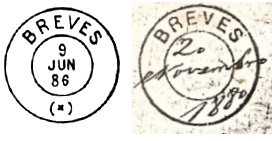
The oldest postmark so far is BPA-0055a, shown in R. Koester’s Carimbologia VI:

BPA-0055a (RK) 1876

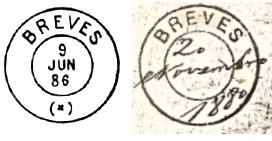
It was followed by the imitation of a French type BPA-0055b, which was found with dates from about 1877 to 1889. The postmark can be seen in Catálogo de Carimbos Brasil-Império (S. Paulo, 1937, 1942) by Paulo Ayres on p. 120, but the illustration shows small deviations when compared with the picture from the Samml. Jorge L. Pedreira:

BPA-0055b (P.A. p. 120, recte JP) 1877ff-1889
Villiers de l’Ile Adam: Carta (…) das Provincias do Gram Para e Alto Amazonas, 1850

Die Freguesia de N. Sra. de Sant’Anna dos Breves wurde im November 1850 gegründet und lag am Ostufer des Flusses Breves, 220 km westlich der Provinzhauptstadt Belem do Pará entfernt. Die Ortschaft wurde im Oktober 1851 zur Vila und im November 1909 zur Stadt erklärt. Der Ortsname kommt von den ersten portugiesischen Landbesitzern der Region, die Brüder Manuel und Angelo Breves.

Auch hier wurden zwei Postamtsgründungen gefunden. Erstens im April 1850, wie Nova Monteiro in Administrações e Agencias Postaes do Brasil Imperio (Brasil Filatelico/RJ, 1934-5; Reprint SPP 1994-1999) schreibt. Dann 1856, wie im Verzeichnis der kaiserlichen Postämter (Tabella das Agencias do Correio do Imperio, Rio de Janeiro, 1885) aufgelistet.

Der bisher älteste Poststempel ist BPA-0055a, der in R. Koesters Carimbologia VI gezeigt wurde:

BPA-0055a (RK) 1876

Ihm folgte die Nachahmung eines französischen Typus BPA-0055b, der mit Daten von ca. 1877 bis 1889 zu finden war. Der Poststempel ist zwar in Catálogo de Carimbos Brasil-Império (S. Paulo, 1937, 1942) von Paulo Ayres auf S. 120 zu sehen, die Abbildung zeigt aber kleine Abweichungen, wenn man mit dem Bild aus der Samml. Jorge L. Pedreira vergleicht:

BPA-0055b (P.A. S. 120, recte JP) 1877ff-1889
Categories
Carimbologia A-B

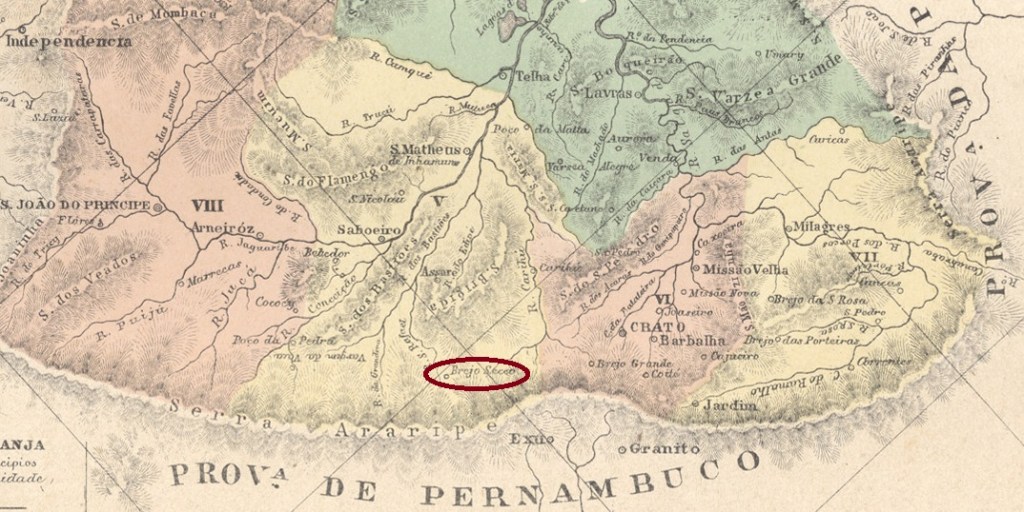
Brejo Secco, Ceará (BCE-0060)

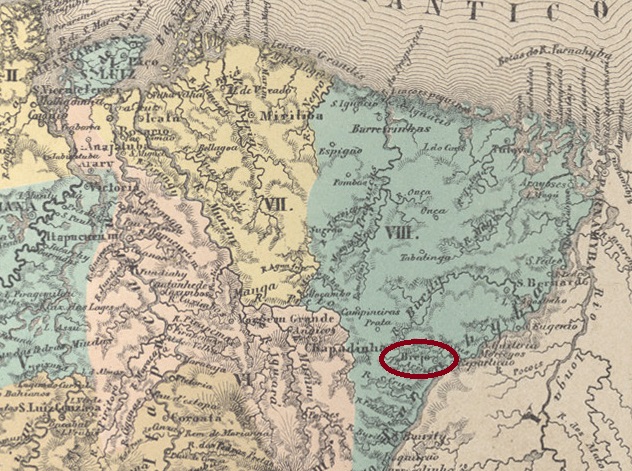
Atlas do Imperio do Brasil, 1868

Another name: Araripe (1889)

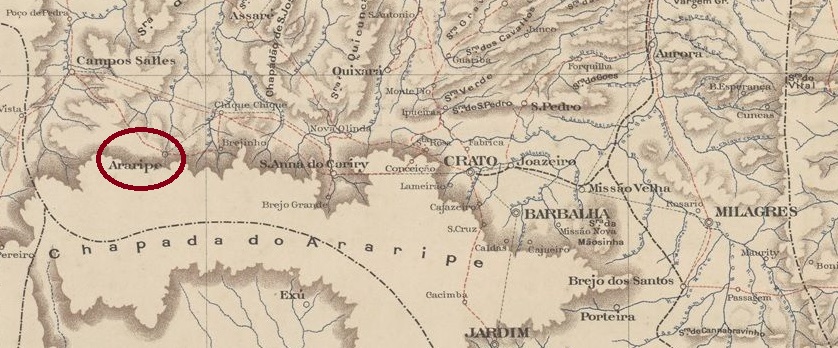
The parish of Sto. Antonio do Brejo Secco (St. Anthony on the Dry Marsh) was founded in November 1870 in the Município of Assaré, 520 km south of the provincial capital Fortaleza. The village rose to the status of vila in August 1875 and 14 years later it was given the name Araripe. The beautiful word of the Tupi language means place where the sun rises.

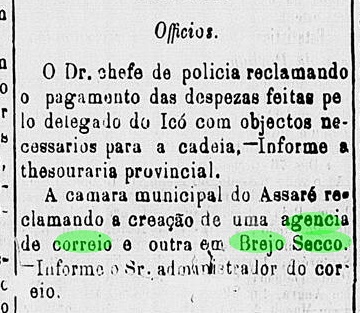
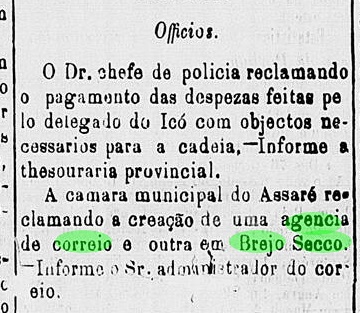
Two dates of origin for the local post office have been found. First in January 1870, as R. Koester writes in Carimbologia VI. Then in 1879, as listed in the Directory of Imperial Post Offices (Tabella das Agencias do Correio do Imperio, Rio de Janeiro, 1885). The earlier date could be a typographical error, because still at the beginning of 1874, the lack of a postal agency was lamented in the regional press:

A Constituição, 01.03.1874

The first postmark is BCE-0060a and was already shown in R. Koester’s Carimbologia VI.

BCE-0060a (RK)
Sociedade Geologica e Mineralogica, 1910

Anderer Name: Araripe (1889)

Die Pfarrei von Sto. Antonio do Brejo Secco (Hl. Antonius am Trockenen Sumpf) wurde im November 1870 gegründet und lag im Município von Assaré, 520 km südlich der Provinzhauptstadt Fortaleza entfernt. Die Ortschaft stieg im August 1875 zur Vila auf und 14 Jahre später erhielt sie den Namen Araripe. Das schöne Wort der Tupi-Sprache bedeutet Ort, wo die Sonne aufsteigt.

Zwei Entstehungszeitpunkte fürs örtliche Postamt wurden gefunden. Erstmals im Januar 1870, wie R. Koester in Carimbologia VI schreibt. Dann 1879, wie im Verzeichnis der kaiserlichen Postämter (Tabella das Agencias do Correio do Imperio, Rio de Janeiro, 1885) aufgelistet. Das frühere Datum könnte ein Druckfehler sein, denn noch am Anfang 1874 beklagte man das Fehlen einer Postagentur in der Presse:

A Constituição, 01.03.1874

Der erste Poststempel ist BCE-0060a und wurde bereits in R. Koesters Carimbologia VI gezeigt:

BCE-0060a (RK)
Categories
Carimbologia A-B

Brejo, Maranhão (BMA-0055)

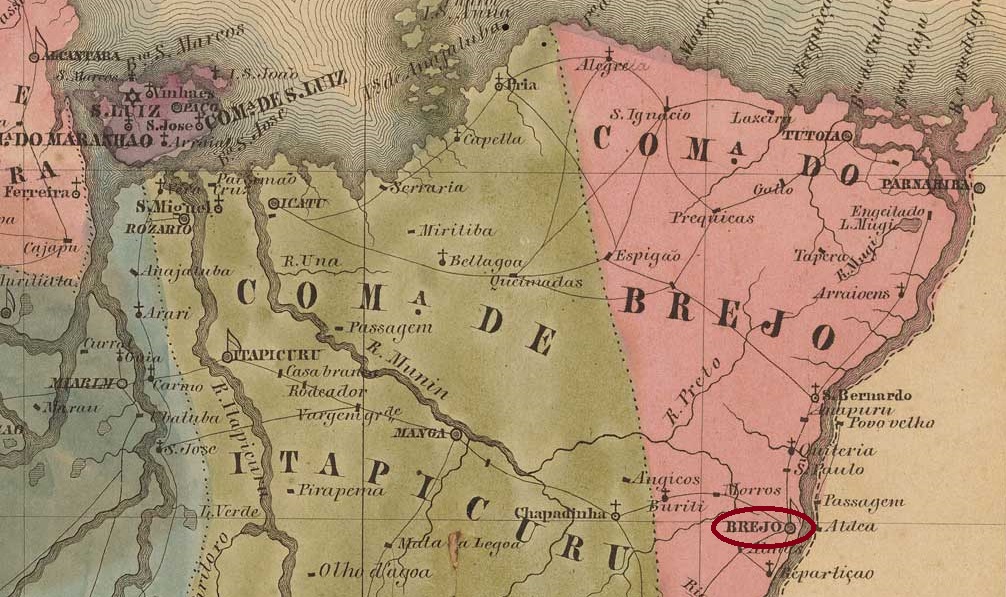
Atlas do Imperio do Brasil, 1868

The history of this village, which is old by Brazilian standards, began around 1730, when the settlement of N. Sra. da Conceição do Brejo dos Anapurus was established close to the west bank of the Parnaíba River, about 320 km southeast of the later provincial capital of São Luís do Maranhão. Around 1799, it rose to become a freguesia belonging to the Vila of Caxias. In January 1820, Brejo became a vila and in July 1870, a town.

The creation of a local post office was reported three times, the last two dates being close to each other and thus could be related. First in April 1832, as Nova Monteiro writes in Administrações e Agencias Postaes do Brasil Imperio (Brasil Filatelico/RJ, 1934-5; reprint SPP 1994-1999). Then on 2 October 1840, as can be read both in R. Koester (Carimbologia VI) and in the postal report (Relatorio Postal) in 1887. And finally on 27 October 1840, as can be seen in the postal report of 1886.

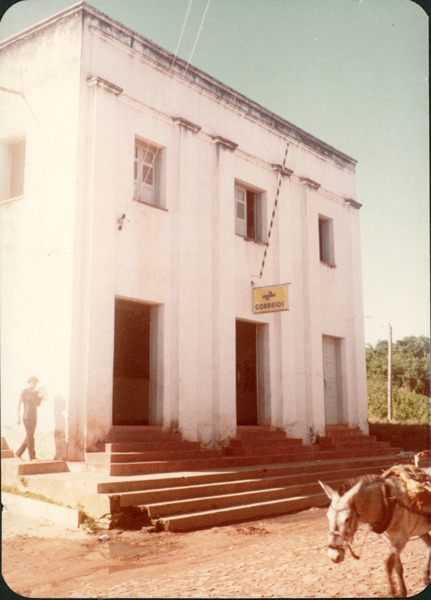
Brejo post office, ca. 1975 (IBGE)

The oldest postmark so far is BMA-0055a, which was used from about 1850 until at least 1882 and was already recorded by Paulo Ayres (Catálogo de Carimbos Brasil-Império, S. Paulo, 1937, 1942) under no. 1245:

BMA-0055a (P.A. 1245)

It was followed by BMA-0055b (fig. from the internet): a double circle with the inscription BREJO above and (2) below, plus internal dates from the period 1880-1890.

Villiers de l’Ile Adam: Carta (…) da Provincia do Maranhão, 1850

Die Geschichte dieser für brasilianische Verhältnisse alten Ortschaft fing ca. 1730 an, als die Siedlung von N. Sra. da Conceição do Brejo dos Anapurus nah am Westufer des Flusses Parnaíba entstanden ist, ca. 320 km südöstlich der späteren Provinzhauptstadt São Luís do Maranhão gelegen. Um 1799 stieg sie zu einer Freguesia auf, die der Vila von Caxias gehörte. Im Januar 1820 wurde Brejo zur Vila und im Juli 1870 zur Stadt ernannt.

Dreimal wurde die Entstehung eines örtlichen Postamts registriert, wobei die beiden letzten Termine nah aneinander liegen und dadurch zusammenhängen könnten. Erstmals im April 1832, wie Nova Monteiro in Administrações e Agencias Postaes do Brasil Imperio (Brasil Filatelico/RJ, 1934-5; Reprint SPP 1994-1999) schreibt. Danach am 2. Oktober 1840, wie man sowohl bei R. Koester (Carimbologia VI) als auch im Postbericht (Relatorio Postal) im Jahr 1887 lesen kann. Und schließlich am 27. Oktober 1840, wie aus dem Postbericht des Jahres 1886 hervorgeht.

Postamt Brejo, ca. 1975 (IBGE)

Der bisher älteste Poststempel ist BMA-0055a, der von ca.1850 bis mindestens 1882 verwendet wurde und bereits von Paulo Ayres (Catálogo de Carimbos Brasil-Império, S. Paulo, 1937, 1942) mit Nr. 1245 erfasst:

BMA-0055a (P.A. 1245) 1850ff-1882ff

Ihm folgte BMA-0055b (Abb. aus dem Internet): ein Doppelkreis mit der Inschrift BREJO oben und (2) unten, dazu innere Daten aus dem Zeitraum 1880-1890.

Categories
Carimbologia A-B

Brejo Grande, Bahia (BBA-0160)

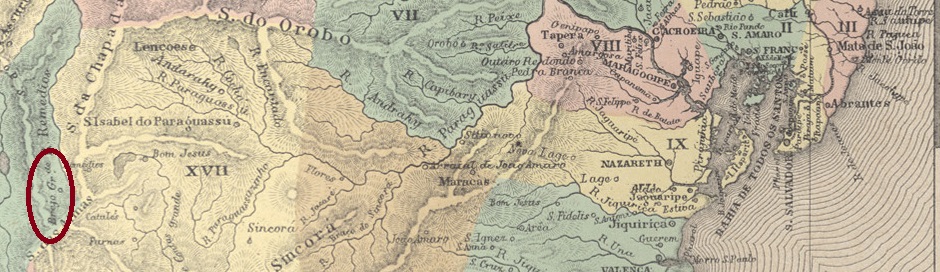
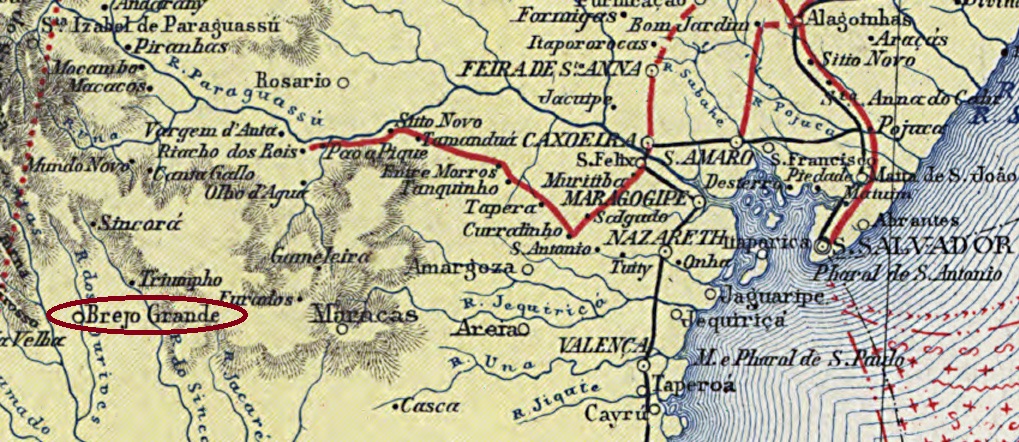
Atlas do Imperio do Brasil, 1868

Another name: Ituaçu (1897)

The history of this village begins in the early 19th century with the foundation of the agricultural colony Vila Agrícola de N. Sra. do Alívio do Brejo Grande, located on the west bank of the river dos Ourives (today: Rio Mato Grosso), 500 km west of the provincial capital Salvador da Bahia. In April 1862, it became a freguesia belonging to the vila of Sta. Isabel do Paraguaçu, and in April 1867 it was promoted to vila. Since August 1897, the town has been called Ituaçu. The Tupi word means Great Swamp (Brejo Grande).

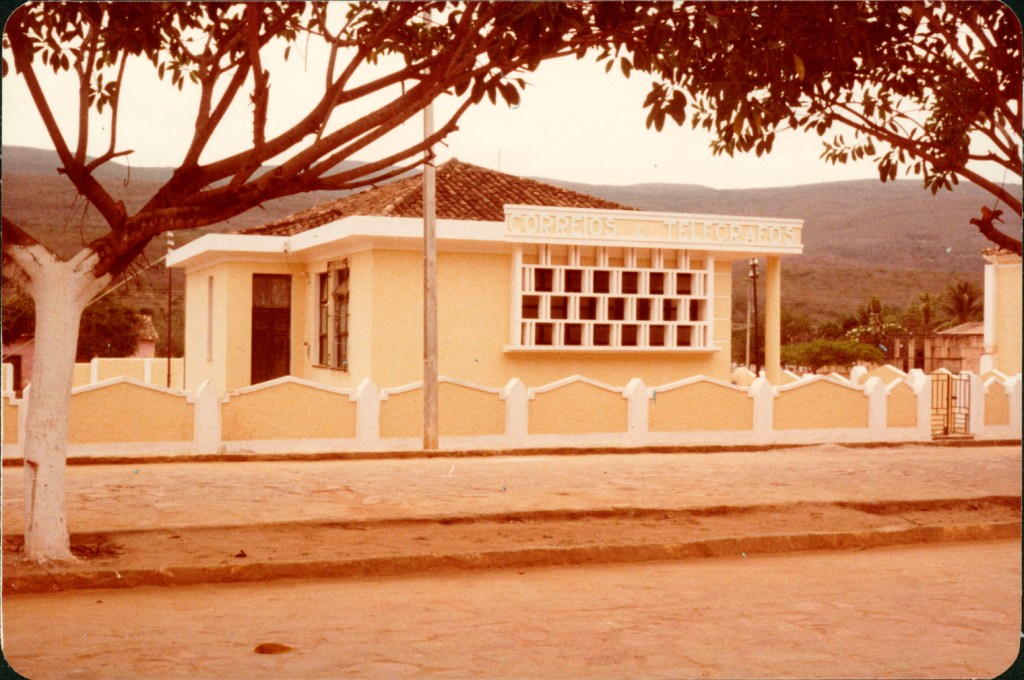
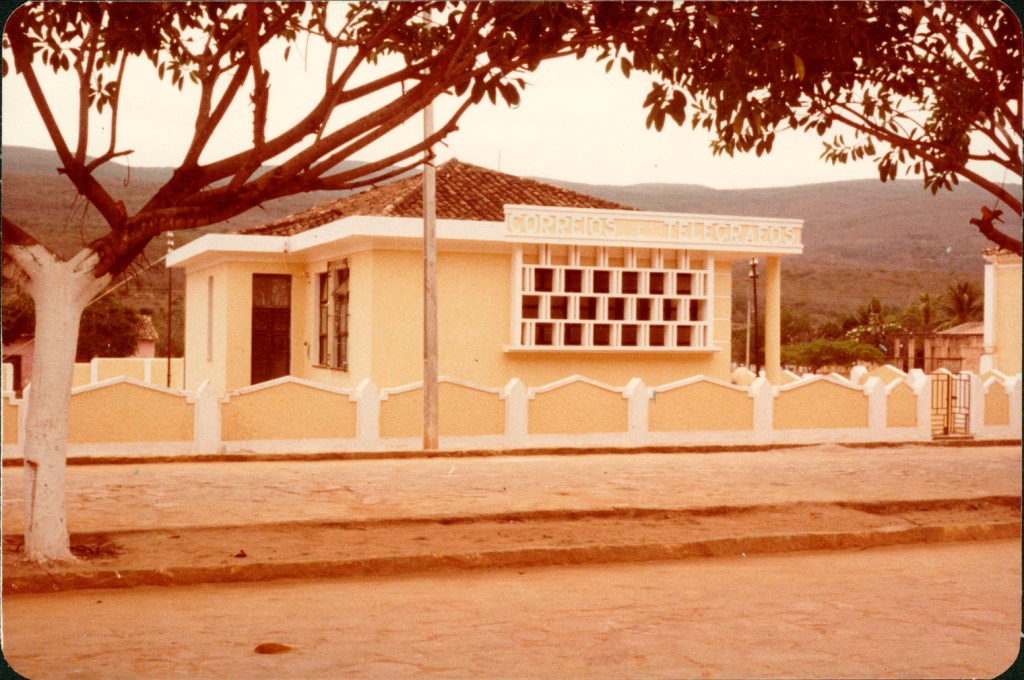
The Post Office, ca. 1970 (IBGE)

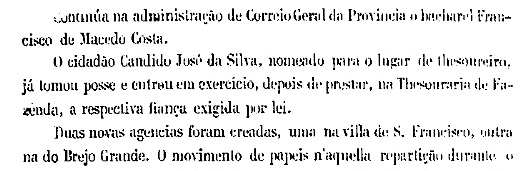
As Reinhold Koester writes in Carimbologia VI, there was a post office there since January 1873. This is confirmed by the report of the provincial president:

Relatorio do Presidente da Provincia/BA, 1873

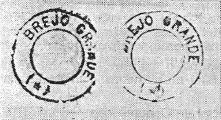
The only postmark from the imperial period so far is BBA-0160a, already presented by Koester (op. cit.):

BBA-0160a (RK) 1883ff-1894ff
Carta da Republica dos Estados Unidos do Brazil, 1892

Anderer Name: Ituaçu (1897)

Die Geschichte dieser Ortschaft fängt im frühen 19. Jahrhundert mit der Gründung der Landwirtschaftskolonie Vila Agrícola de N. Sra. do Alívio do Brejo Grande an, die am Westufer des Flusses dos Ourives  (heute: Rio Mato Grosso) lag, 500 km westlich der Provinzhauptstadt Salvador da Bahia entfernt. Im April 1862 wurde daraus eine Freguesia, die der vila von Sta. Isabel do Paraguaçu gehörte, und im April 1867 erfolgte der Aufstieg zur Vila. Seit August 1897 heißt das Städtchen Ituaçu. Das Tupi-Wort bedeutet Großer Sumpf (Brejo Grande).

Das Postamt, ca. 1970 (IBGE)

Wie Reinhold Koester in Carimbologia VI schreibt, gab es dort ein Postamt seit Januar 1873. Dies wird durch den Bericht des Provinzpräsidenten bestätigt:

Relatorio do Presidente da Provincia/BA, 1873

Der bisher einzige Poststempel aus der Kaiserzeit ist BBA-0160a, der bereits durch Koester (op. cit.) vorgestellt wurde:
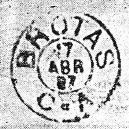
BBA-0160a (RK) 1883ff-1894ff
Categories
Carimbologia A-B

Brejo dos Santos, Ceará (BCE-0055)

Estado do Ceará, 1923

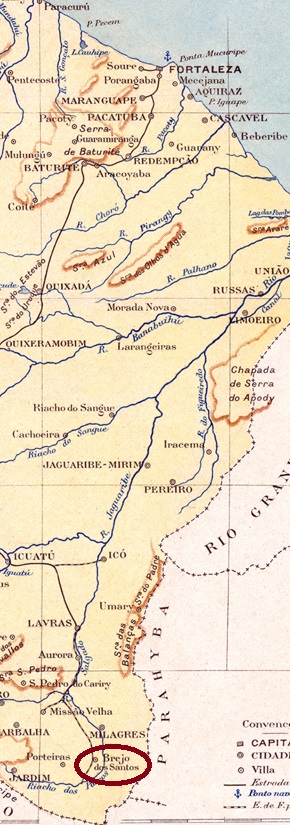
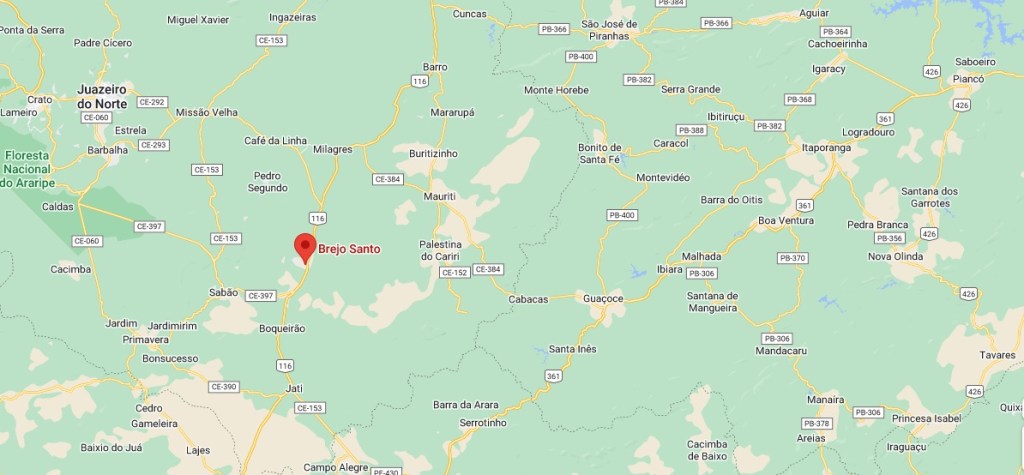
The freguesia named Coração de Jesus do Brejo dos Santos was founded in July 1876 and located on the west bank of the Jenipapeiro River in the Município of Porteiras, 500 km south of the provincial capital Fortaleza. This makes it easy to confuse it with the current Brejo dos Santos in the state of Paraíba, which is only 250 km away. Brejo dos Santos, from Ceará, became a vila in August 1890 and a town in December 1938, and has been called Brejo Santo ever since.

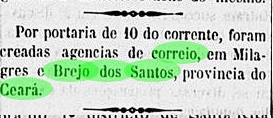
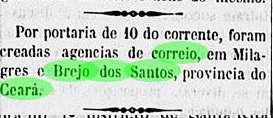
The local post office was created in April 1885, as reported in the capital’s press:

Brazil/RJ, 11.04.1885

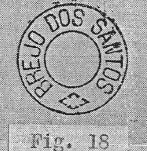
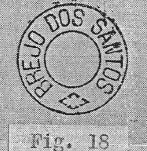
The oldest postmark so far, BCE-0055a , was already shown in Carimbologia VI, by R. Koester, without further details:

BCE-0055a (RK)
Google Maps

Anderer Name: Brejo Santo (1938)
Die Freguesia von Coração de Jesus do Brejo dos Santos wurde im Juli 1876 gegründet und lag am Westufer des Flusses Jenipapeiro im Município von Porteiras, 500 km südlich der Provinzhauptstadt Fortaleza entfernt. Dadurch kann man sie leicht mit dem aktuellen Brejo dos Santos im Bundesstaat Paraíba verwechseln, der lediglich 250 km weit entfernt liegt. Der Brejo dos Santos aus Ceará wurde im August 1890 zu einer Vila und im Dezember 1938 zu einer Stadt, die seitdem Brejo Santo heißt.

Das örtliche Postamt wurde im April 1885 ins Leben gerufen, wie die Hauptstadtpresse berichtete:
Brazil/RJ, 11.04.1885

Der bisher älteste Poststempel BCE-0055a (RK) wurde bereits in Carimbologia VI, von R. Koester ohne weitere Einzelheiten gezeigt:

BCE-0055a (RK)
Categories
Carimbologia A-B

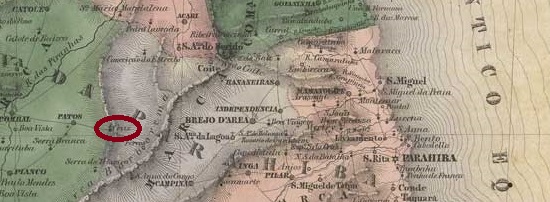
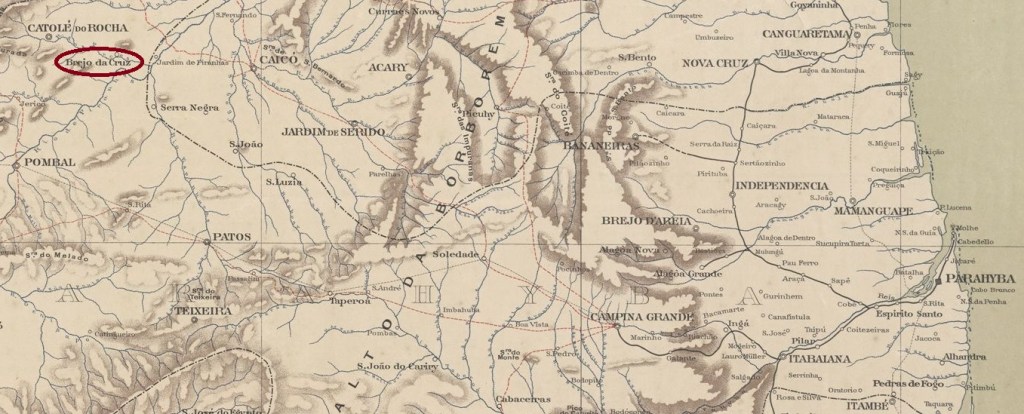
Brejo do Cruz, Paraíba (BPB-0065)

Villiers de l’Ile Adam: Carta (…) das Provincias do Rio Grande do Norte e Parahiba, 1848

Another name: Taquarituba

The former settlement of Taquarituba was situated on the Piranhas River, 370 km west of the later provincial capital of Paraíba do Norte (today: João Pessoa) and was provided with a chapel in honour of N. Sra. dos Milagres in 1752. The place became a freguesia of the Vila of Catolé do Rocha in October 1874 and 7 years later an independent Vila called Brejo DO Cruz. So, the place name does not refer to the Christian Cross (a Cruz), but to a certain Manuel da Cruz, who had the chapel built in 1752.

There has been an imperial post office there since August 1883, as can be read in the postal report (Relatorio dos Correios) from 1886. So far, no 19th century postmark has been seen from Brejo do Cruz.

Sociedade Geologica e Mineralogica, 1910

Anderer Name: Taquarituba

Die frühere Siedlung von Taquarituba lag am Fluss Piranhas, 370 km westlich der späteren Provinzhauptstadt Paraíba do Norte (heute: João Pessoa) und wurde 1752 mit einer Kapelle zu Ehren von N. Sra. dos Milagres versehen. Der Ort wurde im Oktober 1874 zu einer Freguesia der Vila von Catolé do Rocha und 7 Jahre später zur eigenständigen Vila mit Namen Brejo DO Cruz. Also bezieht sich der Ortsname nicht zum christlichen Kreuz (a Cruz), sondern zu einem gewissen Manuel da Cruz, der 1752 die Kapelle errichten ließ.

Ein kaiserliches Postamt gab es dort seit August 1883, wie im Postbericht (Relatorio dos Correios) aus dem Jahr 1886 zu lesen ist. Bisher wurde kein Poststempel aus dem 19. Jahrhundert aus Brejo do Cruz gesehen.