Categories
Carimbologia E-G

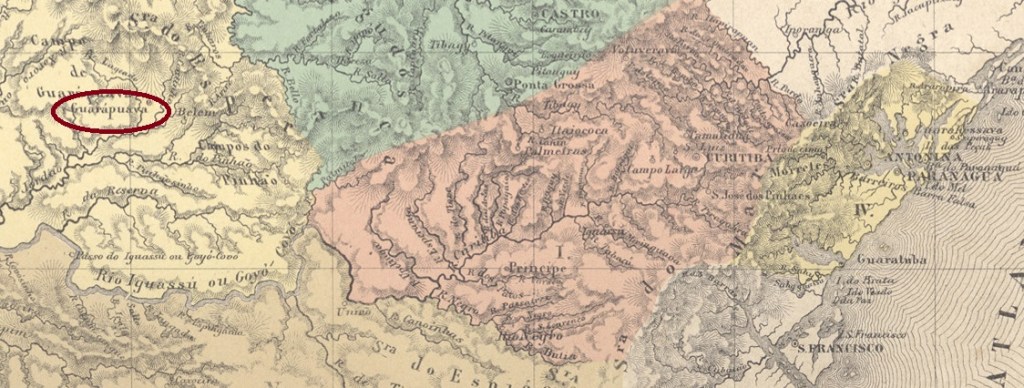
Guarapuava, Paraná (GPR-0100)

Villiers de l’Ile Adam: Carta (…) da Provincia de São Paulo, 1847

Other names: Aldeia da Atalaia, N. Sra. de Belém

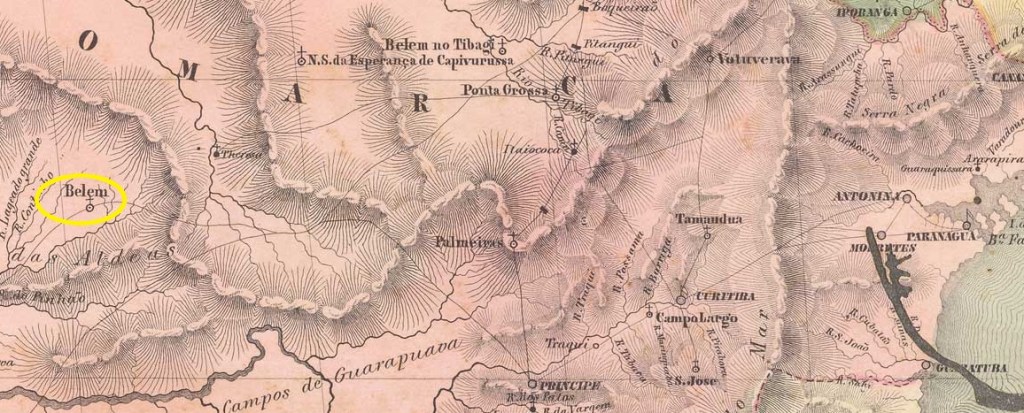
The Freguesia de N. Sra. de Belém was founded in August 1818. It belonged to the Vila de Castro, then still in the Capitana de São Paulo, and was located on the north bank of the Jordão, 250 kilometres west of the future provincial capital of Curitiba. In March 1849, it became the Vila de Guarapuava, but the following year it was downgraded to a freguesia and only in July 1852 was it re-elevated to a vila. Guarapuava has been a town since April 1871. The indigenous place name is said to mean bad wolf.

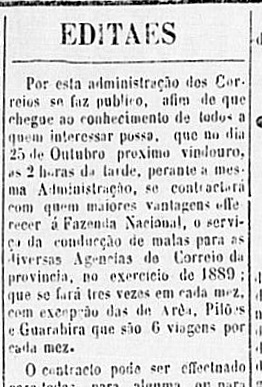
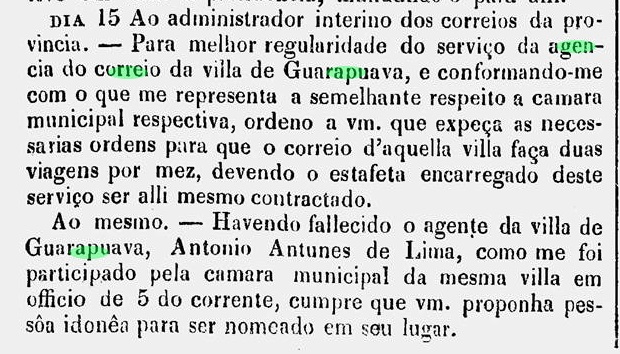
Nova Monteiro writes in Administrações e Agencias Postaes do Brasil Imperio (Brasil Filatelico/RJ, 1934-5; reprint SPP 1994-1999) that there had been a post office there since May 1854. However, this was a new appointment following the death of the previous post office employee, as reported in the regional press:
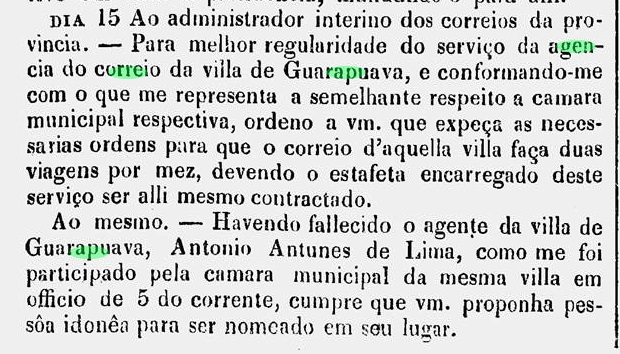
Dezenove de Dezembro, 17/06/1854, minutes of 15/05

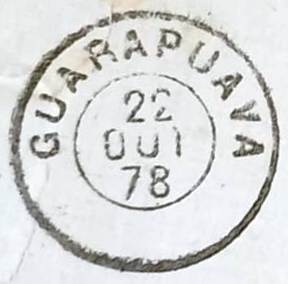
According to the ministerial report (Relatorio do Ministerio do Imperio) of 1856, however, the postal agency in Guarapuava was actually founded in 1854, although the exact date is unknown. The oldest postmark to date is the double circle GPR-0100b (illustration by José L. Fevereiro), which also exists in blue and dark violet:
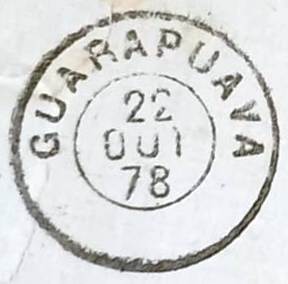
GPR-0100b (JLF) 1878-1889

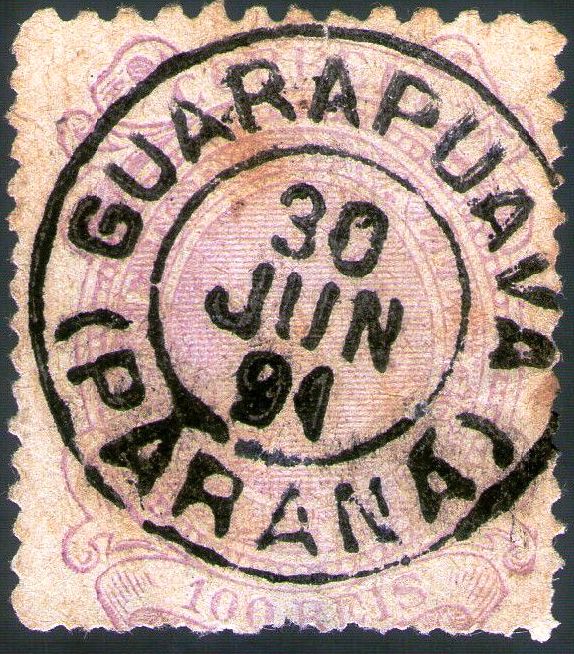
It was followed by GPR-0100c (ill. Claudio Coelho), which also occurs in blue:
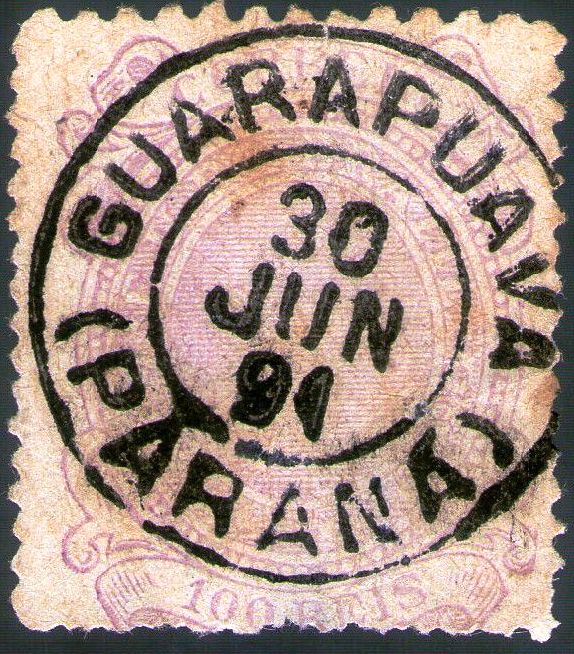
GPR-0100c (CC) 1889-1894

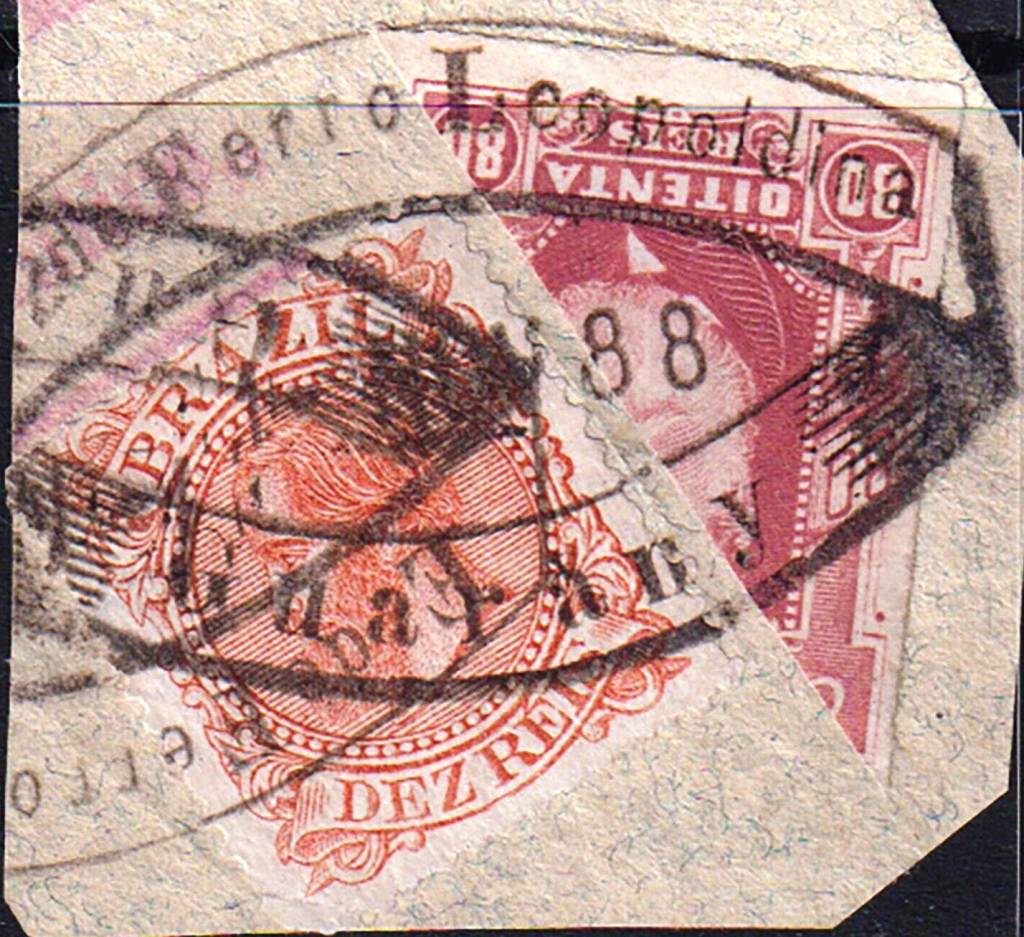
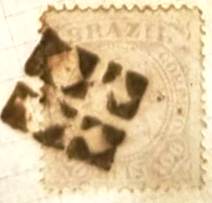
Philatelist Marcio Duarte showed us a mute cancellation from Guarapuava:
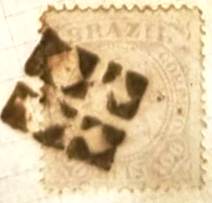
1888 (MDu)

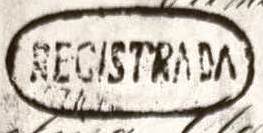
And Reinhold Koester (Carimbologia XXI) presented us a registered postmark from there:
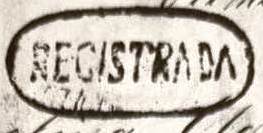
1889 (RK)
Atlas do Imperio do Brasil, 1868

Andere Namen: Aldeia da Atalaia, N. Sra. de Belém

Im August 1818 wurde die Freguesia de N. Sra. de Belém gegründet, sie gehörte zur Vila de Castro, damals noch in der Capitana de São Paulo, und lag am Nordufer des Jordão, 250 km westlich der späteren Provinzhauptstadt Curitiba. Im März 1849 wurde daraus die Vila de Guarapuava, doch im folgenden Jahr erfolgte die Herabstufung zur Freguesia und erst im Juli 1852 die Wiedererhebung zur Vila. Seit April 1871 ist Guarapuava eine Stadt. Der indigene Ortsname soll böser Wolf bedeuten.

Nova Monteiro schreibt in Administrações e Agencias Postaes do Brasil Imperio (Brasil Filatelico/RJ, 1934-5; Reprint SPP 1994-1999), dass es dort seit Mai 1854 ein Postamt gab. Es handelte sich jedoch um eine Neubesetzung nach dem Tod des vorherigen Postangestellten, wie die regionale Presse berichtete:
Dezenove de Dezembro, 17.06.1854, Protokoll vom 15.05.

Laut Ministerialbericht (Relatorio do Ministerio do Imperio) von 1856 wurde die Postagentur in Guarapuava jedoch tatsächlich 1854 gegründet, das genaue Datum ist noch unbekannt. Der bisher älteste Poststempel ist der Doppelkreis GPR-0100b (Abb. José L. Fevereiro), den es auch in blau und dunkelviolett gibt:
GPR-0100b (JLF) 1878-1889

Ihm folgte GPR-0100c (Abb. Claudio Coelho), den es auch in blau gibt:
GPR-0100c (CC) 1889-1894

Der Philatelist Marcio Duarte zeigte uns einen stummen Stempel aus Guarapuava:
1888 (MDu)

Und Reinhold Koester (Carimbologia XXI) zeigte uns einen Einschreibepoststempel von dort:
1889 (RK)
Categories
Carimbologia E-G

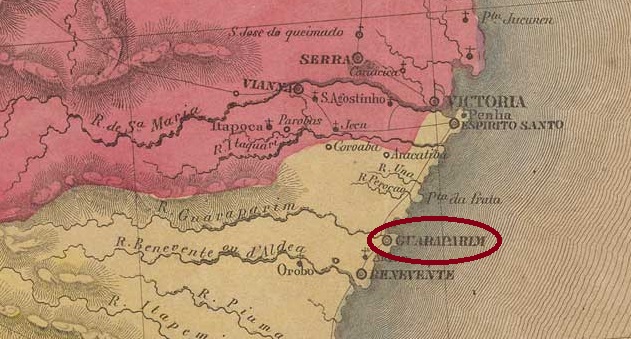
Guarapary, Espirito Santo (GES-0085)

Villiers de l’Ile Adam: Carta (…) da Provincia do Espirito Santo, 1850

Other names: Aldeia do Rio Verde, Aldeia dos Indios, Santa Maria de Guaraparim

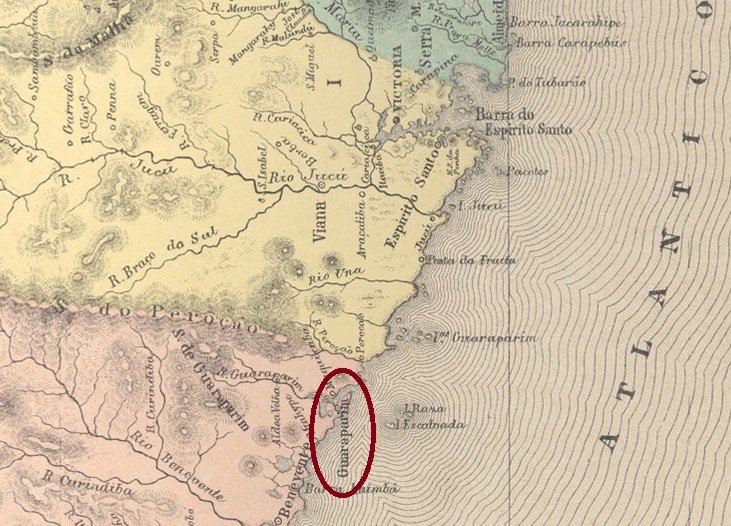
This old settlement, which had been mentioned as an Indian village since 1585, was located on the south bank of the mouth of the Guarapari into the Atlantic Ocean, almost 60 kilometres south of the later provincial capital Vitória. In January 1655 it became the Freguesia de Santa Maria de Guaraparim and 24 years later the Vila de N. Sra. da Conceição de Guarapary. Since September 1891, Guarapari (as it is written today) has been a town.

According to Nova Monteiro (Administrações e Agencias Postaes do Brasil Imperio (Brasil Filatelico/RJ, 1934-5; Reprint SPP 1994-1999), the local post office was founded in October 1831. The oldest postmark to date is the pre-philatelic GES-0085a, which has the no. P-ES-01 in the RHM catalogue. However, the catalogue illustration shows some differences to the illustration in Koester’s Carimbologia XXI:

GES-0085a (RHM P-ES-01, RK) ca. 1840-1844ff

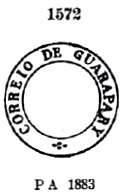
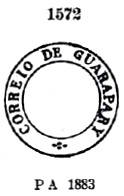
This was followed sometime later by GES-0085b, which was given the no. 1572 in Paulo Ayres’ Catálogo de Carimbos Brasil-Império (S. Paulo, 1937, 1942). It also exists in blue and dark violet:

 GES-0085b (P.A. 1572) 1866ff-1883ff

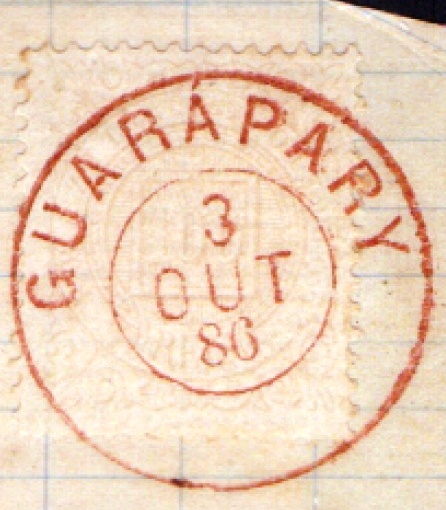
Next came the double circle GES-0085c (Fig. Filatélica Brasilia), which also exists in red:

GES-0085c (RSi) 1880ff-1888

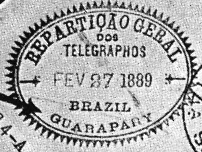
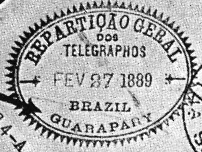
Koester (op. cit.) also shows the telegraph cancellation GES-0085d on a letter:

GES-0085d (RK) 1889

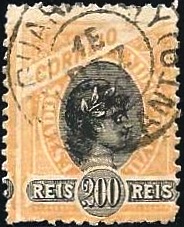
GES-0085e (fig. agenciaspostais.com.br), which also occurs in blue, also appeared at the end of the Empire:

GES-0085e (PN) 1889-1899
Atlas do Imperio do Brasil, 1868

Andere Namen: Aldeia do Rio Verde, Aldeia dos Indios, Santa Maria de Guaraparim

Diese alte Siedlung, die seit 1585 als Indianerdorf erwähnt wurde, lag am Südufer der Mündung des Guarapari in den Atlantik, knapp 60 km südlich der späteren Provinzhauptstadt Vitória. Im Januar 1655 wurde es zur Freguesia de Santa Maria de Guaraparim und 24 Jahre später zur Vila de N. Sra. da Conceição de Guarapary. Seit September 1891 ist Guarapari (wie es heute geschrieben wird) eine Stadt.

Laut Nova Monteiro (Administrações e Agencias Postaes do Brasil Imperio, in Brasil Filatelico/RJ, 1934-5; Reprint SPP 1994-1999) wurde das örtliche Postamt im Oktober 1831 gegründet. Der bisher älteste Poststempel ist der vorphilatelistische GES-0085a, der im RHM-Katalog die Nr. P-ES-01 hat. Die Katalogabbildung weist jedoch einige Unterschiede zur Abbildung in Koesters Carimbologia XXI auf:

GES-0085a (RHM P-ES-01, RK) ca. 1840-1844ff

Einige Zeit später folgte GES-0085b, der in Paulo Ayres‘ Catálogo de Carimbos Brasil-Império (S. Paulo, 1937, 1942) die Nr. 1572 erhielt. Es gibt ihn auch in blau und dunkelviolett:

 GES-0085b (P.A. 1572) 1866ff-1883ff

Es folgte der Doppelkreis GES-0085c (Abb. Filatélica Brasilia), den es auch in rot gibt:

GES-0085c (RSi) 1880ff-1888

Koester (op. cit.) zeigt auch den Telegrafenstempel GES-0085d auf einem Brief:

GES-0085d (RK) 1889

Am Ende des Kaiserreichs erschien auch GES-0085e (Abb. agenciaspostais.com.br), der auch in blau vorkommt:

GES-0085e (PN) 1889-1899
Categories
Carimbologia E-G

Guarany (GMG-1290) – Guarany (train station/Bahnhof), Minas Gerais (GMG-1291)

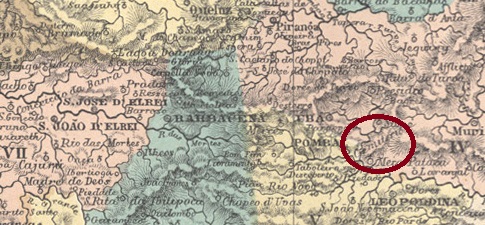
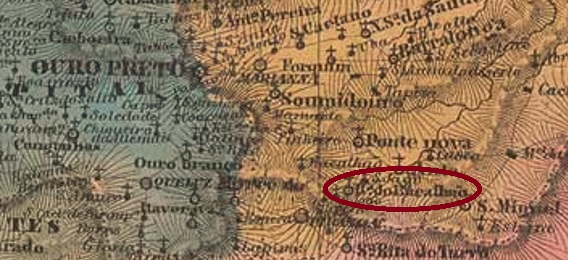
Atlas do Imperio do Brasil, 1868

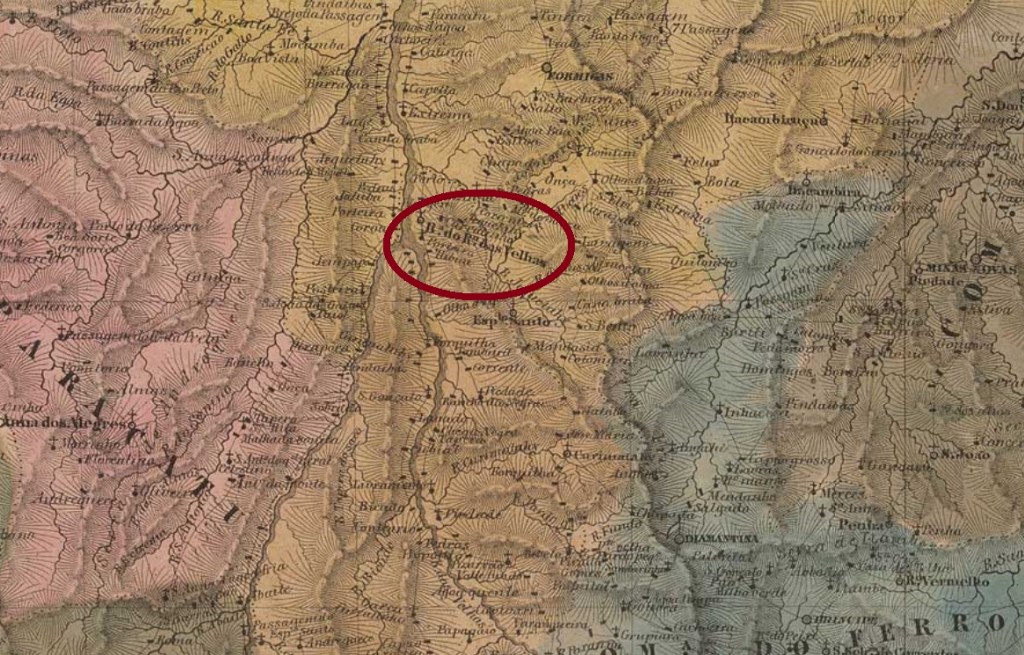
Other names: Espirito Santo do Cemitério, E.S. do Pomba

From October 1851, Espírito Santo de Cemitério (Holy Spirit of the Cemetery) was a district of Vila de Pomba, located on the east bank of the Pomba River, 220 kilometres south of the provincial capital Ouro Preto. The village became the Freguesia de Espírito Santo do Rio Pomba in June 1859, changed its name to Freguesia de Guarany in October 1881, became a Vila with its own Município in August 1911 and has been a town since September 1925.

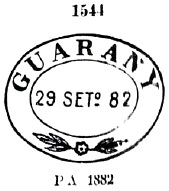
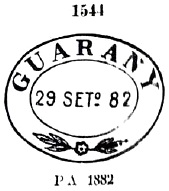
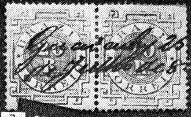
According to concurring information from Paula Sobrinho (História Postal de Minas Gerais, Belo Horizonte, 1997) and R. Koester (Carimbologia XXI), a post office was established there in August 1881. The first postmark is probably GMG-1290a, which was given the number 1544 by Paulo Ayres (Catálogo de Carimbos Brasil-Império, S. Paulo, 1937, 1942):

GMG-1290a (P.A. 1544) 1882

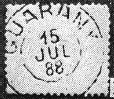
This was followed by the double circle GMG-1290b (fig. R. Koester, op. cit.)

GMG-1290b (RK) 1888-1894

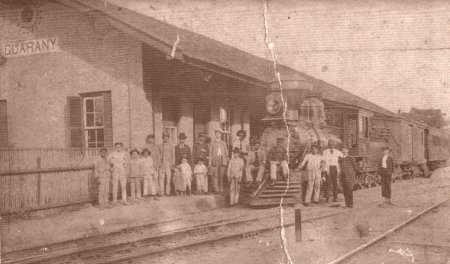
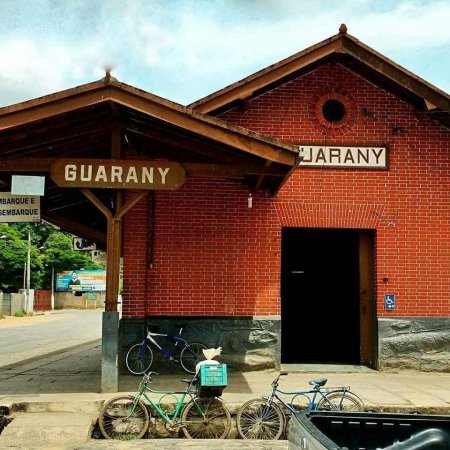
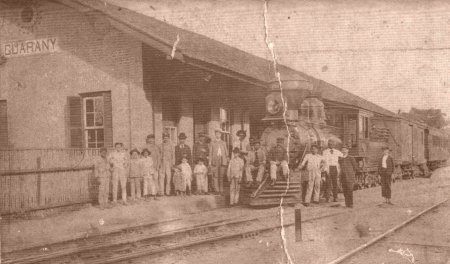
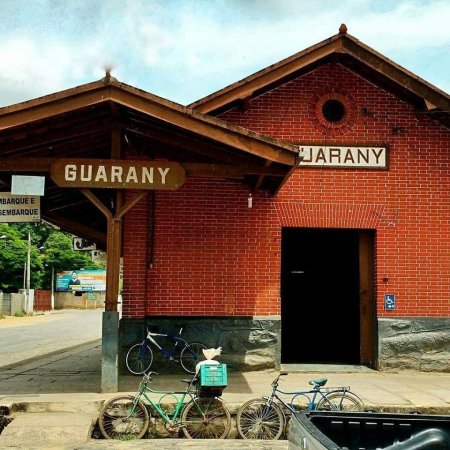
In June 1883, a station of the União Mineira railway company (Caratinga line) was opened in Guarany. The railway line was transferred to E.F. Leopoldina in 1884 and belonged to Rede Ferroviária Federal S.A. (estacoesferroviarias.com.br) from 1975 to 1994. Today the tracks have been removed and the station building serves as a bus station.

In 1908 (photo NN, on estacoesferroviarias.com.br)
In April 2019 (photo Leandro d’Ornellas, on estacoesferroviarias.com.br)

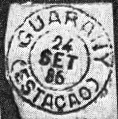
The directory of imperial post offices (Tabella das Agencias do Correio do Imperio, Rio de Janeiro, 1885) lists both a post office in the Vila and one at the railway station. The latter was probably opened around 1884. Two imperial postmarks are known from this post office, beginning with the double circle GMG-1291a (Fig. Koester):

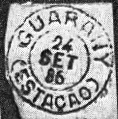
GMG-1291a (RK) 1885-1888

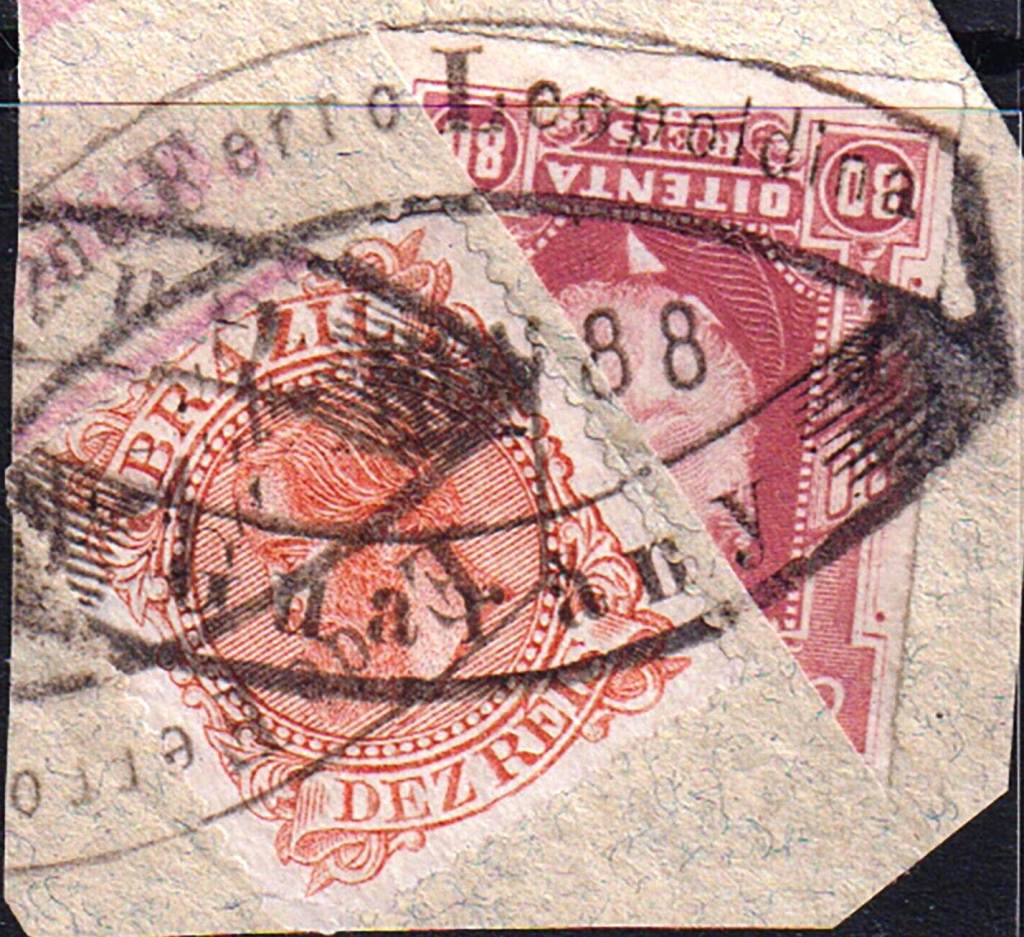
The beautiful GMG-1291b (fig. Felipe Piccinini) was also used at around the same time:

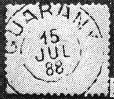
GMG-1291b (FP) 1888

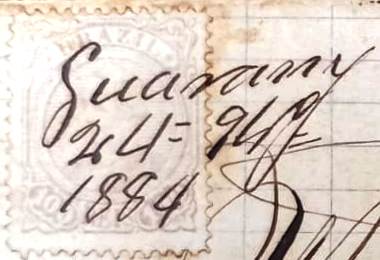
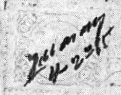
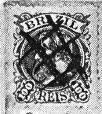
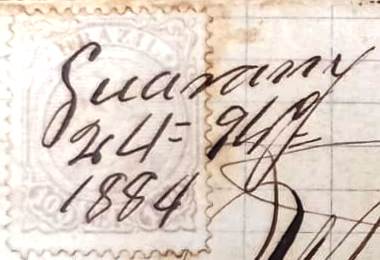
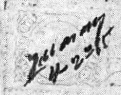
There are also two handwritten and two mute cancellations from Guarany, the latter of which certainly originate from the Vila post office:

1884 (collect. Fuad Ferreira Fo.)
1885 (fig. Koester)
1883 (fig. Koester)

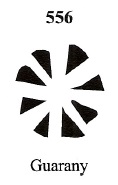
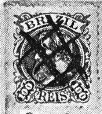
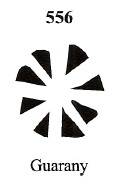
The following mute cancellation was given the no. 556 by James Dingler and Klerman W. Lopes (Mute Cancellations of the Brazil Empire / Carimbos Mudos do Brasil Império, Brazil Philatelic Association, Rio de Janeiro, 2000):

BPA 556 (1882, Vila)
Estrada de Ferro Leopoldina

Andere Namen: Espirito Santo do Cemitério, E.S. do Pomba

Seit Oktober 1851 war Espírito Santo de Cemitério (Heiliger Geist des Friedhofs) ein Distrikt der Vila de Pomba, gelegen am Ostufer des Pomba, 220 km südlich der Provinzhauptstadt Ouro Preto. Der Ort wurde im Juni 1859 die Freguesia de Espírito Santo do Rio Pomba, änderte seinen Namen im Oktober 1881 in Freguesia de Guarany, wurde im August 1911 eine Vila mit eigenem Município und ist seit September 1925 eine Stadt.

Nach übereinstimmenden Angaben von Paula Sobrinho (História Postal de Minas Gerais, Belo Horizonte, 1997) und R. Koester (Carimbologia XXI) wurde dort im August 1881 ein Postamt eingerichtet. Der erste Stempel ist wahrscheinlich GMG-1290a, der von Paulo Ayres (Catálogo de Carimbos Brasil-Império, S. Paulo, 1937, 1942) die Nummer 1544 erhielt:

GMG-1290a (P.A. 1544) 1882

Es folgte der Doppelkreis GMG-1290b (Abb. R. Koester, op. cit.)

GMG-1290b (RK) 1888-1894

Im Juni 1883 wurde in Guarany ein Bahnhof der Eisenbahngesellschaft União Mineira (Caratinga-Linie) eröffnet. Die Bahnlinie ging 1884 an die E.F. Leopoldina über und gehörte von 1975 bis 1994 der Rede Ferroviária Federal S.A. (estacoesferroviarias.com.br). Heute sind die Gleise entfernt, das Bahnhofsgebäude dient als Busbahnhof.

1908 (Foto NN, auf estacoesferroviarias.com.br)
April 2019 (Foto Leandro d‘Ornellas, auf estacoesferroviarias.com.br)

Das Verzeichnis der kaiserlichen Postämter (Tabella das Agencias do Correio do Imperio, Rio de Janeiro, 1885) führt sowohl ein Postamt in der Vila als auch eines am Bahnhof auf. Letzteres wurde vermutlich um 1884 eröffnet. Von diesem Postamt sind zwei kaiserliche Poststempel bekannt, beginnend mit dem Doppelkreis GMG-1291a (Abb. Koester):

GMG-1291a (RK) 1885-1888

Etwa zur gleichen Zeit wurde auch der schöne GMG-1291b (Abb. Felipe Piccinini) verwendet:

GMG-1291b (FP) 1888

Aus Guarany stammen auch zwei handschriftliche und zwei stumme Entwertungen, von denen letztere sicher aus dem Postamt der Vila stammen:

1884 (Samml. Fuad Ferreira Fo.)
1885 (Abb. Koester)
1883 (Abb. Koester)

Der folgende stumme Stempel erhielt von James Dingler und Klerman W. Lopes (Mute Cancellations of the Brazil Empire / Carimbos Mudos do Brasil Império, Brazil Philatelic Association, Rio de Janeiro, 2000) die Nr. 556:

BPA 556 (1882, Vila)
Categories
Carimbologia E-G

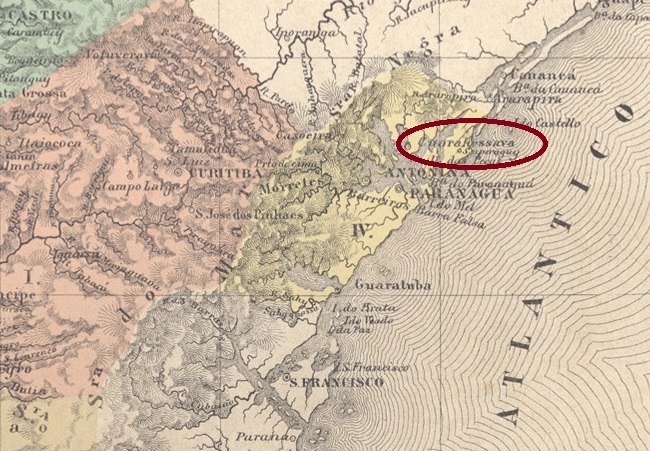
Guarakessava, Paraná (GPR-0095)

Villiers de l’Ile Adam: Carta (…) da Provincia de São Paulo, 1847

Other names: Guaraqueçaba

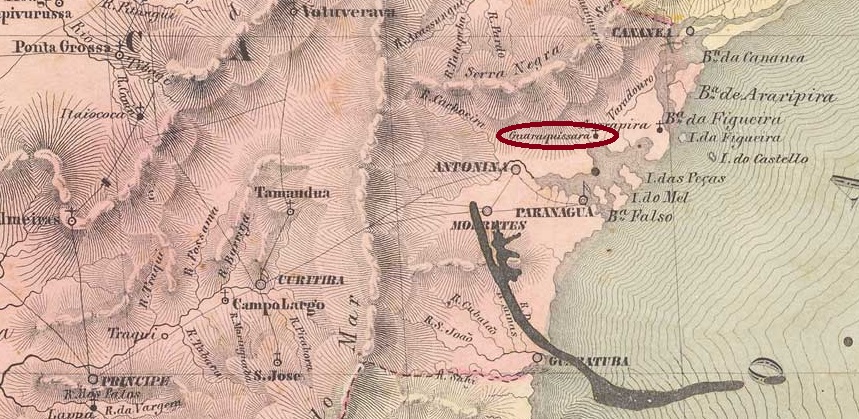
The Freguesia de Sr. Bom Jesus dos Perdões de Guarakessava, founded in August 1854, belonged to the Vila de Paranaguá and was located on the bay of Guaraqueçaba, 160 kilometres east of the provincial capital of Curitiba. In March 1880 it was elevated to Vila status, but lost this status in October 1938 when it was demoted back to Distrito de Paranaguá. Since October 1947, Guaraqueçaba (as it is spelt today) has been again an independent município.

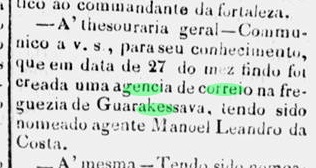
As the regional press reported, there had been a post office there since March 1871:

Dezenove de Dezembro, 13/05/1871, minutes of 20/04

It was closed around 1880 and reopened in December 1882:

O Globo/RJ, 14/12/1882

The oldest postmark to date is GPR-0095b (fig. R. Koester, in Carimbologia XXI), where GUARAHESSAVA is written, possibly due to a missing K in Portuguese:

GPR-0095b (RK) 1884-1893
Atlas do Imperio do Brasil, 1868

Andere Namen: Guaraqueçaba

Die im August 1854 gegründete Freguesia de Sr. Bom Jesus dos Perdões de Guarakessava gehörte zur Vila de Paranaguá und lag an der Bucht von Guaraqueçaba, 160 km östlich der Provinzhauptstadt Curitiba. Im März 1880 wurde sie zur Vila erhoben, verlor diesen Status jedoch im Oktober 1938, als sie wieder zum Distrito de Paranaguá degradiert wurde. Seit Oktober 1947 ist Guaraqueçaba (wie es heute geschrieben wird) ein eigenständiges Município.

Wie die regionale Presse berichtete, gab es dort seit März 1871 ein Postamt:

Dezenove de Dezembro, 13.05.1871, Protokoll vom 20.04.

Es wurde um 1880 geschlossen und im Dezember 1882 wieder eröffnet:

O Globo/RJ, 14.12.1882

Der bisher älteste Poststempel ist GPR-0095b (Abb. R. Koester, in Carimbologia XXI), wo man GUARAHESSAVA liest, vermutlich weil der in Portugiesisch kaum vorkommende Buchstabe K nicht vorhanden war:

GPR-0095b (RK) 1884-1893
Categories
Carimbologia E-G

Guaraciaba, Minas Gerais (GMG-1285)

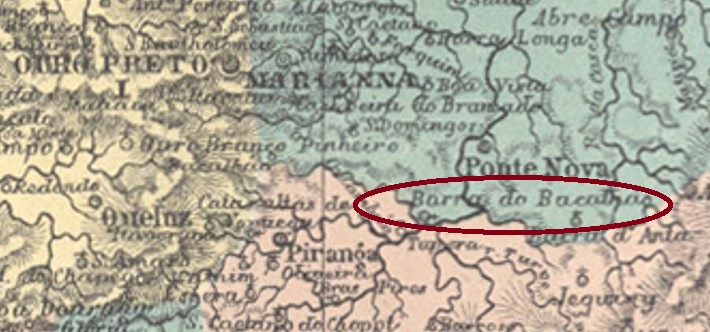
Atlas do Imperio do Brasil, 1868

Other names: Sant’Anna de Guaraciaba, Barra do Bacalhao

See also Barra do Bacalhau (BMG-0225)

Bacalhao (today spelled bacalhau) is the Portuguese name for the codfish (Gadus morhua) but also the name of a river in Minas Gerais, for some unknown reason. The parish of Sant’Anna da Barra do Bacalhao was established in July 1832 and was located on the north bank of this Bacalhau River, just before it flows into the Piranga, 90 km east of the provincial capital Ouro Preto. The place became a freguesia called Sant’Anna de Guaraciaba in October 1884 and has been the Município of Guaraciaba since December 1948. The Tupi word means hair bright as sunbeams.

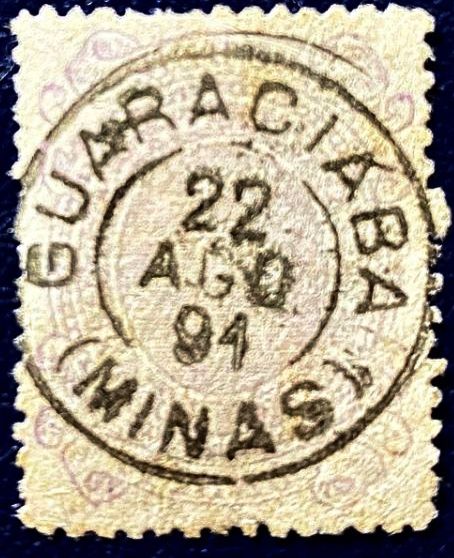
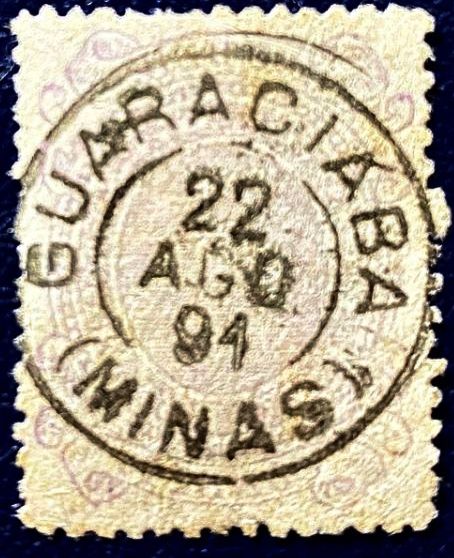
As the postal report (Relatorio Postal) for 1887 states, there was a post office on site since September 1878. Postmarks with Guaraciaba are to date known with republican dates, such as GMG-1285a (image by Claudio Coelho):

GMG-1285a (CC) 1890-1891

For cancels with Barra do Bacalhao see BMG-0225.

Villiers de l’Ile Adam: Carta (…) da Provincia de Minas Geraes, 1849

Andere Namen: Sant’Anna de Guaraciaba, Barra do Bacalhao

Siehe auch Barra do Bacalhau (BMG-0225)

Bacalhao (heute bacalhau geschrieben) ist die port. Bezeichnung für den Kabeljau (Gadus morhua) aber auch der Name eines Flusses in Minas Gerais geworden, aus unerfindlichen Gründen. Die Pfarrei von Sant’Anna da Barra do Bacalhao wurde im Juli 1832 errichtet und lag am Nordufer dieses Flusses Bacalhau kurz vor der Einmündung in den Piranga, 90 km östlich der Provinzhauptstadt Ouro Preto entfernt. Der Ort wurde im Oktober 1884 zu einer Freguesia mit Namen Sant’Anna de Guaraciaba und ist seit Dezember 1948 der Sitz des Município von Guaraciaba. Das Tupi-Wort bedeutet Haare hell wie Sonnenstrahlen.

Wie der Postreport (Relatorio Postal) für 1887 schreibt, gab es ein Postamt vor Ort seit September 1878. Poststempel mit Guaraciaba sind bisher mit Daten aus der Republik bekannt, wie GMG-1285a (Abb. Claudio Coelho):

GMG-1285a (CC) 1890-1891

Für Stempel mit Barra do Bacalhao siehe BMG-0225.

Categories
Carimbologia E-G

Guarabira, Paraíba (GPB-0135)

Carta da Republica dos Estados Unidos do Brazil, 1892

Other names: Engenho Morgado, Villa da Independência

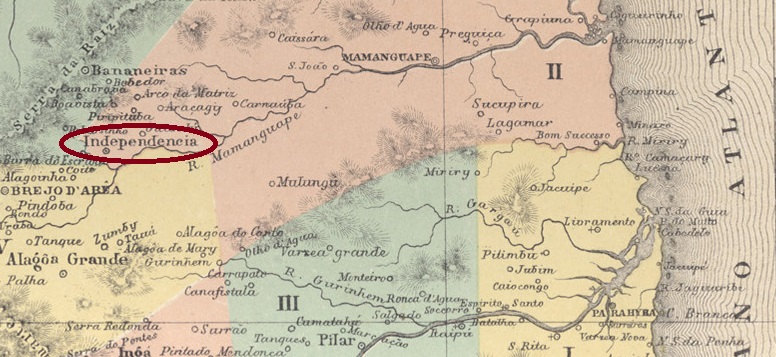
The Engenho Morgado has existed since 1694 as a fazenda and sugar cane processing plant in the area 90 kilometres northwest of the later provincial capital Paraíba do Norte (today: João Pessoa). The settlement around the Engenho continued to grow as Povoação de Guarabira (the indigenous word means home of the herons) and became Villa da Independência in April 1837, in retrospective memory of Brazil’s independence in 1822. Since November 1877, the official name has been Cidade de N. Sra. da Luz de Guarabira.

As Nova Monteiro writes in Administrações e Agencias Postaes do Brasil Imperio (Brasil Filatelico/RJ, 1934-5; reprint SPP 1994-1999), there had been a post office in Vila de Independencia since January 1838, and postmarks with Independencia (see later IPB-0135) were used until at least 1891, according to R. Koester (Carimbologia XXII). It is therefore unlikely that there are imperial postmarks with Guarabira. A Guarabira postal agency first appeared in the regional press around 1888:

Gazeta da Parahyba, 28/09/1888
Atlas do Imperio do Brasil, 1868

Andere Namen: Engenho Morgado, Villa da Independência

Seit 1694 existierte der Engenho Morgado als Fazenda und Zuckerrohrverarbeitungsbetrieb im Gebiet 90 km nordwestlich der späteren Provinzhauptstadt Paraíba do Norte (heute: João Pessoa). Die Siedlung um den Engenho wuchs als Povoação de Guarabira (das indigene Wort bedeutet Heimat der Reiher) weiter und wurde im April 1837 zur Villa da Independência, in nachträglicher Erinnerung an die Unabhängigkeit Brasiliens 1822. Seit November 1877 ist der offizielle Name Cidade de N. Sra. da Luz de Guarabira.

Wie Nova Monteiro in Administrações e Agencias Postaes do Brasil Imperio (Brasil Filatelico/RJ, 1934-5; Reprint SPP 1994-1999) schreibt, gab es in der Vila de Independencia seit Januar 1838 ein Postamt, und Poststempel mit Independencia (siehe später IPB-0135) wurden laut R. Koester (Carimbologia XXII) bis mindestens 1891 verwendet. Es ist daher unwahrscheinlich, dass es kaiserliche Poststempel mit Guarabira gibt. Eine Postagentur Guarabira erschien erstmals um 1888 in der regionalen Presse:

Gazeta da Parahyba, 28.09.1888
Categories
Carimbologia E-G

Guanabara, São Paulo (GSP-0560)

J. M. Ribeiro Lisboa: Provincia de São Paulo, 1884

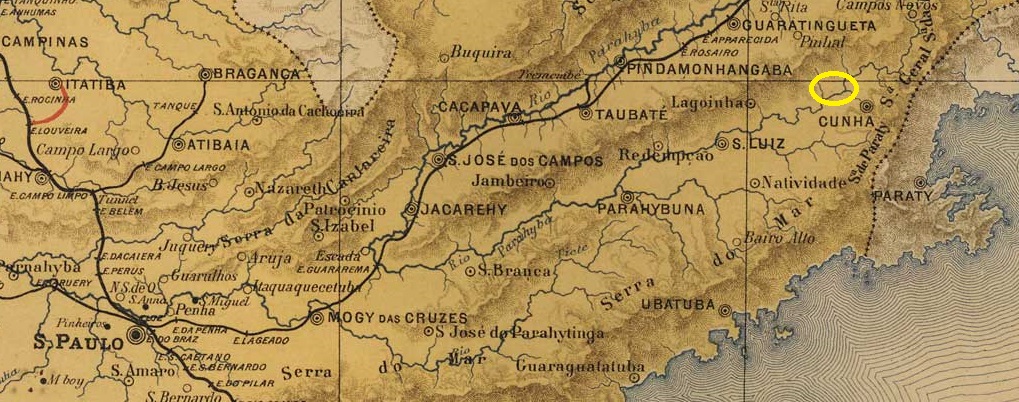
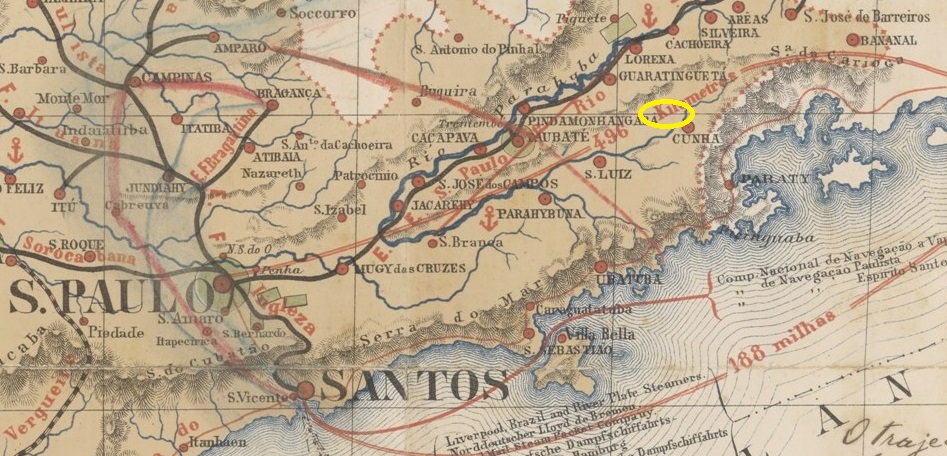
The world-famous Guanabara Bay lies in front of the imperial capital of Rio de Janeiro, and a place in the imperial province of São Paulo, also called Guanabara, was located near Campinas. However, our Guanabara is said to have been a ponto (hamlet or stop) around Vila de Cunha, and here the researcher is faced with the problem that apparently no trace of this place remains today.

The only plausible explanation for this mystery would be the assumption that it was a fazenda Guanabara, which was located on a trade route and whose owner was influential enough among the provincial politicians to have his own post office. In fact, this fazenda still exists today: it is in the suburb of Paraitinga near the river of the same name on the way to Guaratinguetá, 240 kilometres north-east of the state capital of São Paulo.

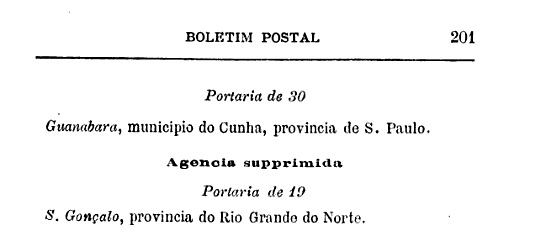
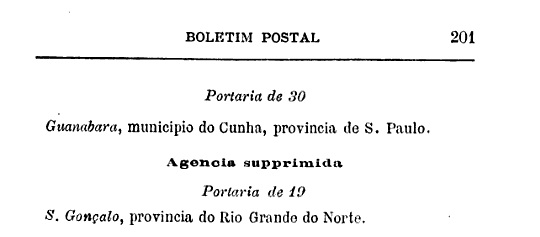
A post office is said to have been created there at the end of September 1889 – six weeks before the Republican coup. This is according to the postal bulletin of the following month:

Boletim Postal No.6/Oct.1889

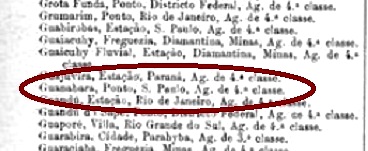
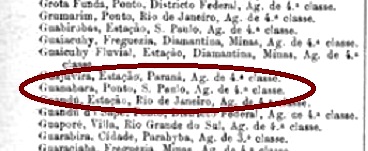
It is doubtful whether this agency started operating before mid-November. In any case, it is still listed in the Diccionario Postal of 1909:

Diccionario Postal Brazileiro, 1909

Postmarks from Guanabara near Cunha have not yet been found.

Mappa da Provincia de São Paulo, 1886

Die weltberühmte Guanabara-Bucht liegt vor der kaiserlichen Hauptstadt Rio de Janeiro, und ein Ort gleichen Namens in der kaiserlichen Provinz São Paulo befand sich in der Nähe von Campinas. Unser Guanabara soll jedoch ein Ponto (Weiler oder Haltestelle) in der Gegend von Vila de Cunha gewesen sein, und hier steht der Forscher vor dem Problem, dass von diesem Ort heute scheinbar keine Spur mehr vorhanden ist.

Die einzige plausible Erklärung für dieses Rätsel wäre die Annahme, dass es sich um eine Fazenda Guanabara handelte, die an einer Handelsroute lag und deren Besitzer bei den Provinzpolitikern einflussreich genug war, um eine eigene Poststelle zu erhalten. Tatsächlich gibt es diese Fazenda noch heute: Sie liegt im Vorort Paraitinga am gleichnamigen Fluss auf dem Weg nach Guaratinguetá, 240 km nordöstlich der Landeshauptstadt São Paulo.

Dort soll Ende September 1889 – also sechs Wochen vor dem Putsch der Republikaner – ein Postamt gegründet worden sein. So steht es im Postbulletin des Folgemonats:

Boletim Postal Nr.6/Okt.1889

Ob diese Agentur vor Mitte November ihren Betrieb aufgenommen hat, darf bezweifelt werden. Jedenfalls ist sie noch im Diccionario Postal von 1909 verzeichnet:

Diccionario Postal Brazileiro, 1909

Poststempel aus Guanabara bei Cunha wurden bisher nicht gefunden.

Categories
Carimbologia E-G

Guamaré, Rio Grande do Norte (GRN-0080)

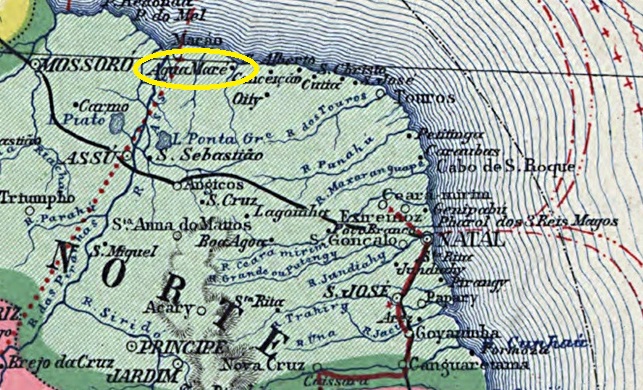
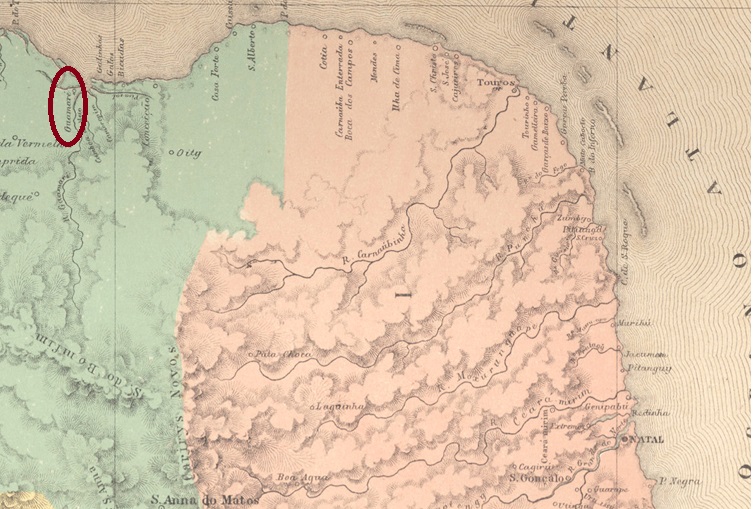
Carta da Republica dos Estados Unidos do Brazil, 1892

Other names: Agua-Maré, Guaramaré

The chapel of N. Sra. da Conceição de Guamaré was built in 1783, located 170 kilometres northwest of the later provincial capital of Natal. At some point in the 19th century, it became a freguesia of the Vila de Macau. Guamaré has been an independent município since May 1962.

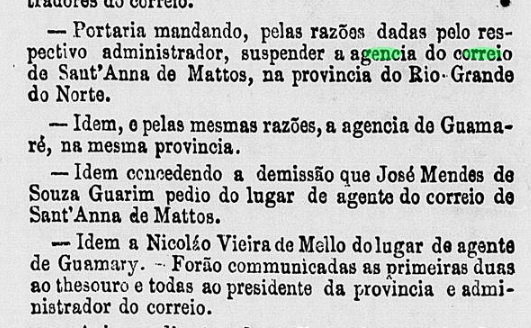
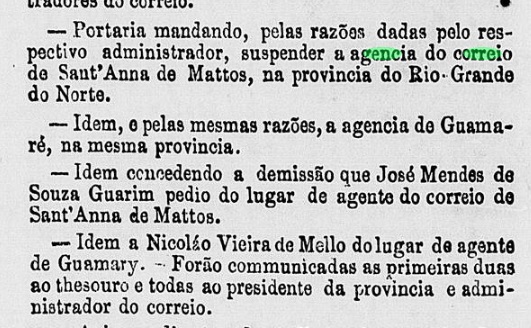
As Nova Monteiro writes in Administrações e Agencias Postaes do Brasil Imperio (Brasil Filatelico/RJ, 1934-5; reprint SPP 1994-1999), there had been a post office there since April 1818, which was closed again in November 1861, as can be seen from the minutes of the Imperial Ministry:

Expediente do Ministerio do Imperio, 30/11/1861

Since then, there has been no further mention of a post office in Guamaré. An imperial postmark was also not found.

Atlas do Imperio do Brasil, 1868

Andere Namen: Agua-Maré, Guaramaré

Die Kapelle N. Sra. da Conceição de Guamaré wurde 1783 erbaut und lag 170 km nordwestlich der späteren Provinzhauptstadt Natal. Irgendwann im 19. Jahrhundert wurde es eine Freguesia der Vila de Macau. Seit Mai 1962 ist Guamaré ein eigenständiges Município.

Wie Nova Monteiro in Administrações e Agencias Postaes do Brasil Imperio (Brasil Filatelico/RJ, 1934-5; Reprint SPP 1994-1999) schreibt, gab es dort seit April 1818 ein Postamt, das im November 1861 wieder geschlossen wurde, wie aus dem Protokoll des Kaiserlichen Ministeriums hervorgeht:

Expediente do Ministerio do Imperio, 30.11.1861

Seitdem wurde keine imperiale Postagentur in Guamaré mehr in der Presse erwähnt. Ein kaiserlicher Poststempel wurde ebenso wenig gefunden.

Categories
Carimbologia E-G

Guaicuhy, Minas Gerais (GMG-1280)

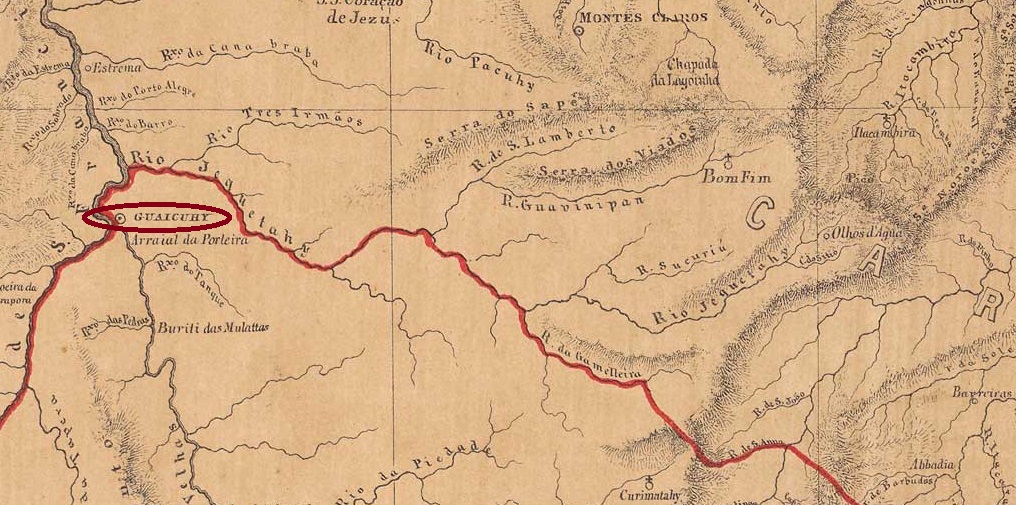
Provincia de Minas Geraes, 1873

See also Rio das Velhas (RMG-2123), Barra do Rio das Velhas (BMG-0230)

At the mouth of the Rio das Velhas, the parish of Nossa Senhora do Bom Sucesso e Almas da Barra do Rio das Velhas was founded in 1839. At the time, it belonged to the municipality of Curvelo and was located 450 kilometres north of the provincial capital Ouro Preto. The parish was elevated to a town in November 1861 under the name of Guaicuhy, which means River of the Old Women (Rio das Velhas). The town status didn’t last long, being downgraded to a parish around 1874, becoming part of the municipality of Jequitaí. In June 1890, it passed as the district of Barra do Rio das Velhas to the municipality of Bocaiúva. In August 1911, the name Guaicuí (modern spelling) returned, when the locality was transferred to the municipality of Pirapora. Since December 1953 it has been the district of Barra do Guaicuí, in the municipality of Várzea da Palma.

There are three dates for the creation of the post office. Nova Monteiro (Administrações e Agencias Postaes do Brasil Imperio, in Brasil Filatelico/RJ, 1934-5; Reprint SPP 1994-1999) writes October 28, 1833 for Rio das Velhas (without Barra), whereas Paula Sobrinho (História Postal de Minas Gerais, Belo Horizonte, 1997) reports the October 20, 1858 for Guaicuhy, and the Imperial Mail Register (Tabella das Agencias do Correio do Império) of 1885 lists 1879 for Guacuhy. Apparently this agency has been twice closed.

So far, only one handwritten obliteration of Guaicuhy has been found for the Imperial period, in R. Koester (Carimbologia XXXI):

1884ff (RK)

For cancels with Rio das Velhas see RMG-2123 and BMG-0230.

Villiers de l’Ile Adam: Carta (…) da Provincia de Minas Geraes, 1849

Siehe auch Rio das Velhas (RMG-2123), Barra do Rio das Velhas (BMG-0230)

An der Mündung des Rio das Velhas wurde 1839 die Freguesia Nossa Senhora do Bom Sucesso e Almas da Barra do Rio das Velhas gegründet, die damals zur Vila de Curvelo gehörte und 450 km nördlich der Provinzhauptstadt Ouro Preto lag. Die Gemeinde wurde im November 1861 zur Stadt erhoben und erhielt den Namen Guaicuhy, was so viel wie Fluss der Alten Frauen (Rio das Velhas) bedeutet. Der Stadtstatus blieb nicht lange bestehen und wurde um 1874 zu einer Freguesia herabgestuft, die Teil der Gemeinde Jequitaí wurde. Im Juni 1890 ging sie als Distrikt Barra do Rio das Velhas an die Gemeinde Bocaiúva über. Im August 1911 kehrte der Name Guaicuí (wie man es heute schreibt) zurück, als die Stadt in den Município de Pirapora eingegliedert wurde. Seit Dezember 1953 ist es der Distrikt Barra do Guaicuí, der zum Município Várzea da Palma gehört.

Drei Daten für die Gründung des Postamtes sind überliefert. Nova Monteiro (Administrações e Agencias Postaes do Brasil Imperio, in Brasil Filatelico/RJ, 1934-5; Reprint SPP 1994-1999) schreibt den 28. Oktober 1833 für Rio das Velhas (ohne Barra), während Paula Sobrinho (História Postal de Minas Gerais, Belo Horizonte, 1997) gibt den 20. Oktober 1858 für Guaicuhy, und das Verzeichnis der kaiserlichen Postämter (Tabella das Agencias do Correio do Império) von 1885 listet das Jahr 1879 für Guacuhy. Scheinbar wurde das Postamt also zweimal geschlossen.

Für die Kaiserzeit wurde bisher nur eine handschriftliche Entwertung von Guaicuhy gefunden, in R. Koester (Carimbologia XXXI):

1884ff (RK)

Für Stempel mit Rio das Velhas siehe RMG-2123 und BMG-0230.

Categories
Carimbologia E-G

Guabiroba (train station/Bahnhof), São Paulo (GSP-0555)

Companhia Paulista de Estradas de Ferro

Other names: Elihu Root (1906)

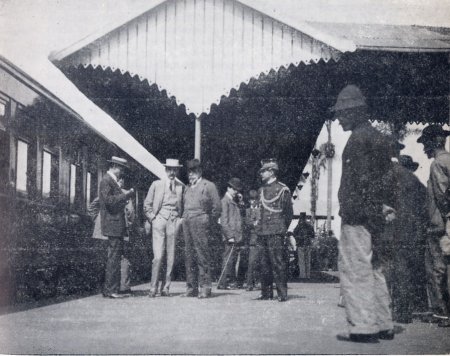
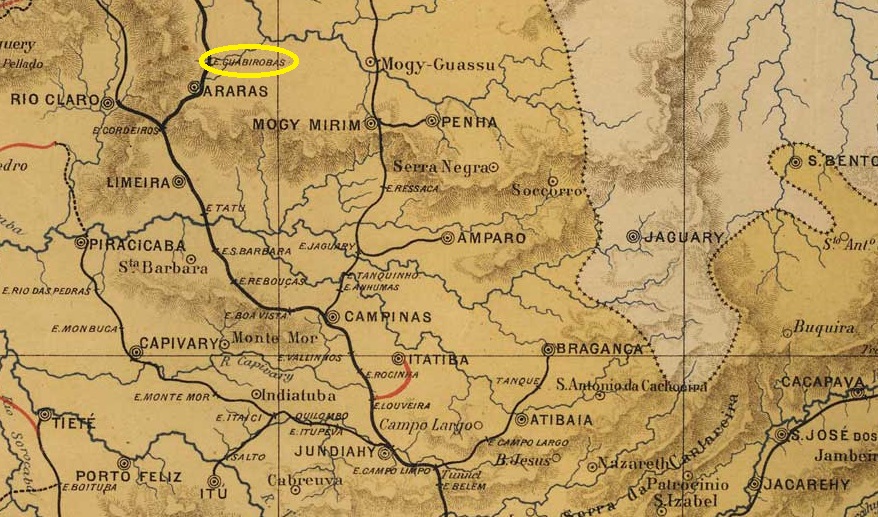
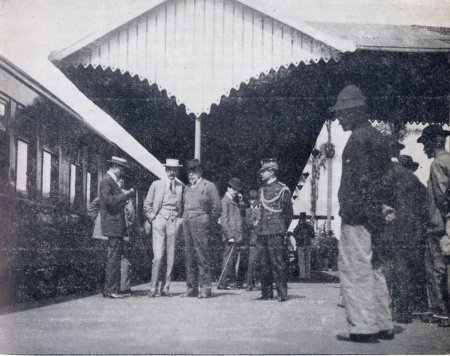
Guabiroba station (also spelled Guabirobas) was opened in September 1877 by the railway company Cia. Paulista de Estradas de Ferro (Descalvado branch) and was in the Município de Araras, 180 km northwest of the provincial capital of São Paulo. The line belonged to FEPASA from 1971 until it was closed in 1997 (estacoesferroviarias.com.br). In 1906, the station was renamed after Elihu Root in honour of a US Secretary of State (1845-1937), who at that time chaired the III Pan-American Conference in Rio de Janeiro and subsequently visited the region and the Vila Americana in São Paulo by train. He was the US Secretary of War from 1899 to 1903, increased the size of the army considerably and was nevertheless awarded the Nobel Peace Prize in 1912.

Elihu Root (in light-coloured suit) at the Guabiroba station, 1906 (estacoesferroviarias.com.br)

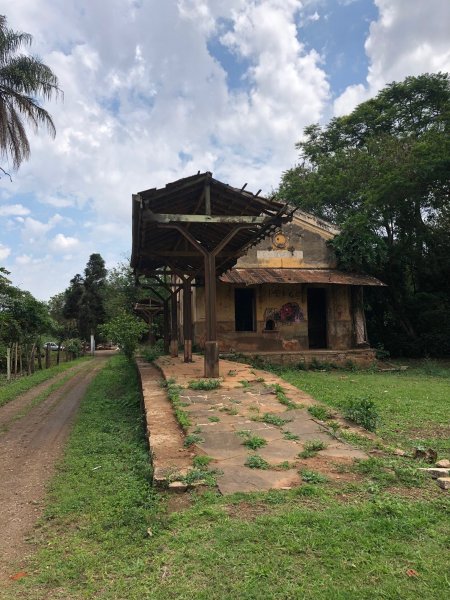
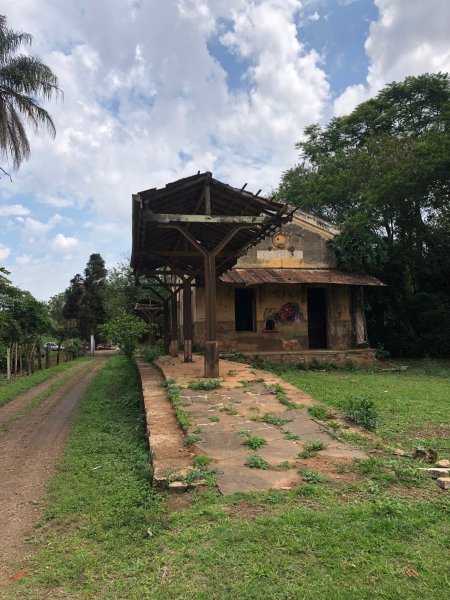
Today, the tracks have disappeared and the station building is an abandoned ruin:

In October 2022 (Photo: Leonardo Patara, on estacoesferroviarias.com.br)

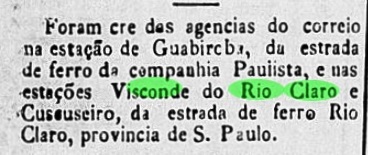
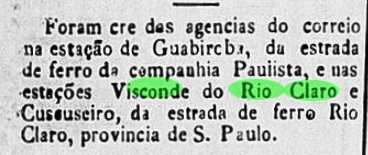
As the press in Rio reported, there had been a post office at the station since July 1885:

Diario do Brazil/RJ, 21/07/1885

No imperial postmark from the Guabiroba railway station has yet been found.

J.M. Ribeiro Lisboa: Provincia de São Paulo, 1884

Andere Namen: Elihu Root (1906)

Der Bahnhof Guabiroba (auch Guabirobas geschrieben) wurde im September 1877 von der Eisenbahngesellschaft Cia. Paulista de Estradas de Ferro (Descalvado-Zweig) eröffnet und lag im Município de Araras, 180 km nordwestlich der Provinzhauptstadt São Paulo. Die Strecke gehörte von 1971 bis zu ihrer Stilllegung 1997 der FEPASA (estacoesferroviarias.com.br). 1906 wurde der Bahnhof nach Elihu Root umbenannt, zu Ehren eines US-Staatssekretärs (1845-1937), der zu dieser Zeit die III. Panamerikanische Konferenz in Rio de Janeiro leitete und anschließend mit dem Zug die Region und die Vila Americana in São Paulo besuchte. Er war von 1899 bis 1903 Kriegsminister der USA, vergrößerte die Armee erheblich und erhielt nichtsdestotrotz 1912 den Friedensnobelpreis.

Elihu Root (im hellen Anzug) auf dem Bahnhof Guabiroba, 1906 (estacoesferroviarias.com.br)

Heute sind die Gleise verschwunden, das Bahnhofsgebäude ist eine verlassene Ruine:

Im Oktober 2022 (Foto: Leonardo Patara, auf estacoesferroviarias.com.br)

Wie die Presse in Rio berichtete, gab es seit Juli 1885 ein Postamt am Bahnhof:

Diario do Brazil/RJ, 21.07.1885

Bisher wurde kein kaiserlicher Poststempel vom Bahnhof Guabiroba gefunden.