Categories
Carimbologia S

São Paulo de Muriahé, Minas Gerais (SMG-2540)

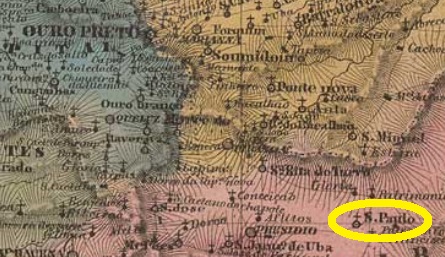
Atlas do Imperio do Brasil, 1868

Another name: Muriaé (1911)

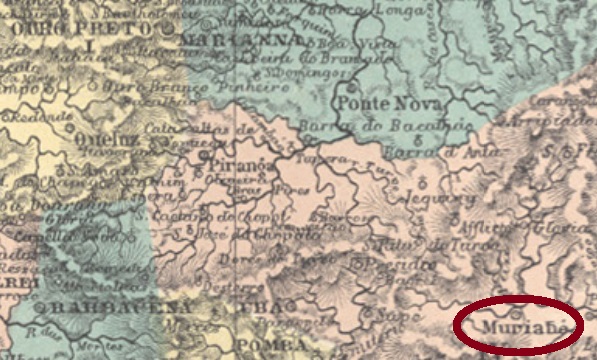
São Paulo de Muriahé was a district in the Município of Ubá from April 1841, located on the south bank of the Muriaé River, over 200 km southeast of the provincial capital Ouro Preto. In May 1855, the place rose to a villa and ten years later to a town, which since August 1911 has simply been called Muriaé. 

As Paula Sobrinho writes in Historia Postal de Minas Gerais (Belo Horizonte, 1997), there has been a post office there since March 1862. A postmark of the imperial period was found, unfortunately probably not the oldest. SMG-2540b (Coll. José A. Junges) appears in turquoise and carmine and is a double circle with the inscription S.P. DE MURIAHÉ at the top. The dates in the centre have so far been found for the period 1878-1891.

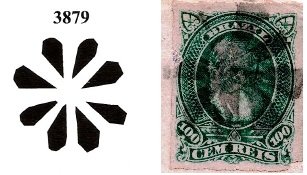
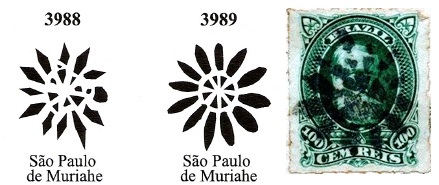
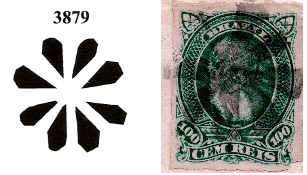
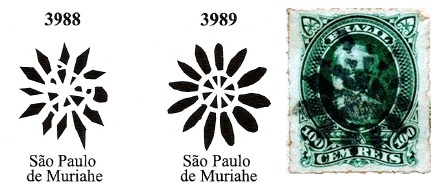
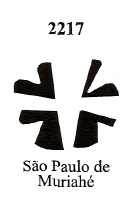
There are no less than five mute cancellations for this locality, all to be seen in Mute Cancellations of the Brazil Empire / Carimbos Mudos do Brasil Império, (Brazil Philatelic Association, Rio de Janeiro, 2000) by J. Dingler and Kl. Lopes:
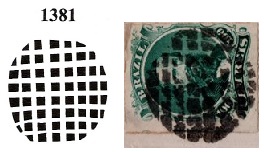
BPA 1381 (1878)
BPA 2217
BPA 3879 1880ff 
BPA 3988-3989 (1879)
Villiers de l’Ile Adam: Carta (…) da Provincia de Minas Geraes, 1849

Anderer Name: Muriaé (1911)

São Paulo de Muriahé war ab April 1841 ein Distrikt im Município von Ubá, der am Südufer des Flusses Muriaé lag, gut 200 km südöstlich der Provinzhauptstadt Ouro Preto entfernt lag. Im Mai 1855 stieg der Ort zur Villa und zehn Jahre später zu einer Stadt auf, die seit August 1911 einfach Muriaé heißt.  

Wie Paula Sobrinho in Historia Postal de Minas Gerais (Belo Horizonte, 1997) schreibt, gibt es dort seit März 1862 ein Postamt. Ein Ortsstempel der Kaiserzeit war zu finden, leider wohl nicht der älteste. SMG-2540b (Samml. José A. Junges) kommt in türkis und karmin vor und ist ein Doppelkreis mit der Inschrift S.P. DE MURIAHÉ oben. Die Daten in der Mitte wurden bisher für den Zeitraum 1878 bis 1891 gefunden.

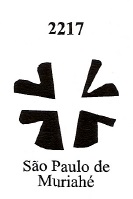
Dazu gibt es nicht weniger als fünf stumme Stempel für diese Ortschaft, alle im Mute Cancellations of the Brazil Empire / Carimbos Mudos do Brasil Império, (Brazil Philatelic Association, Rio de Janeiro, 2000) von J. Dingler und Kl. Lopes zu sehen:
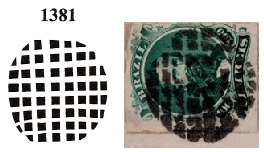
BPA 1381 (1878)
BPA 2217
BPA 3879 1880ff 
BPA 3988-3989 (1879)

Categories
Carimbologia S

São Nicolao de Suruhy, Rio de Janeiro (SRJ-1595)

Atlas do Imperio do Brasil, 1868

Another name: Suruhy

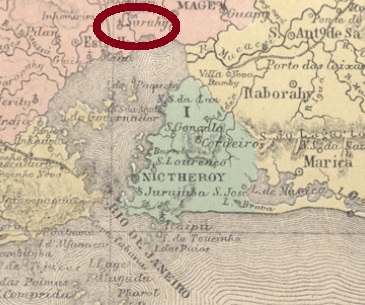
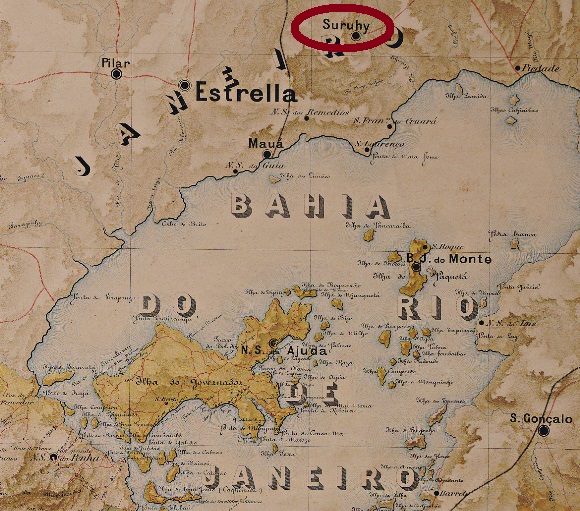
São Nicolao de Suruhy had been a freguesia of the Villa of Magé since January 1755, located close to the northern shore of the Bay of Guanabara, barely 50 km north of the capital Rio de Janeiro. It was not until May 1892 that it became a district, and so it has remained to this day, but now spelled Suruí.

Two dates for the creation of the local post office have been found. The Imperial Mail Register (Tabella das Agencias do Correio do Imperio, Rio de Janeiro, 1885) lists the agency from 1872, while Paulo Novaes (agenciaspostais.com.br) writes July 1875 for it. Two imperial-era postmarks are also present. SRJ-1595a (Coll. Fuad Ferreira Fo.) is an ellipse with the inscription S. NICOLAO DE SURUHY and was found on a Dom Pedro issue of 1877. SRJ-1595b (Coll. José A. Junges) is a double circle with the inscription S. NICOLA’O DE SURUHY at the top. The only seen copy bears a date from 1889 inside.

Municipio Neutro, ca. 1880

Anderer Name: Suruhy

São Nicolao de Suruhy war seit Januar 1755 eine Freguesia der Villa von Magé, die nah am Nordufer der Bucht von Guanabara lag, knapp 50 km nördlich der Hauptstadt Rio de Janeiro entfernt. Erst im Mai 1892 wurde daraus ein Distrikt, und so ist es bis heute geblieben, nun aber Suruí geschrieben.

Zwei Daten für die Entstehung des örtlichen Postamts wurden gefunden. Das Verzeichnis der kaiserlichen Postämter (Tabella das Agencias do Correio do Imperio, Rio de Janeiro, 1885) listet die Agentur ab 1872 auf, während Paulo Novaes (agenciaspostais.com.br) hierfür den Juli 1875 schreibt. Auch zwei Poststempel der Kaiserzeit sind vorhanden. SRJ-1595a (Samml. Fuad Ferreira Fo.) ist eine Ellipse mit der Inschrift S. NICOLAO DE SURUHY und wurde auf einer Dom-Pedro-Ausgabe von 1877 gefunden. SRJ-1595b (Samml. José A. Junges) ist ein Doppelkreis mit der Inschrift S. NICOLA’O DE SURUHY oben. Das einzige Exemplar trägt ein Datum aus 1889 im Inneren.

Categories
Carimbologia S

São Miguel do Veado, Espírito Santo (SES-0155)

Almanak Laemmert, 1892

Other names: Veado, Siqueira Campos, Guaçuí (1943).

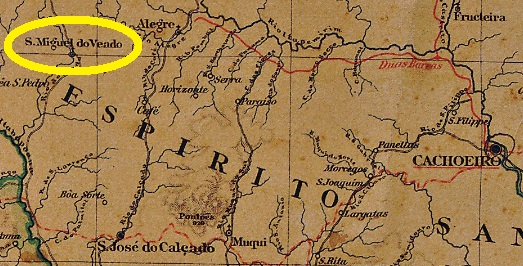
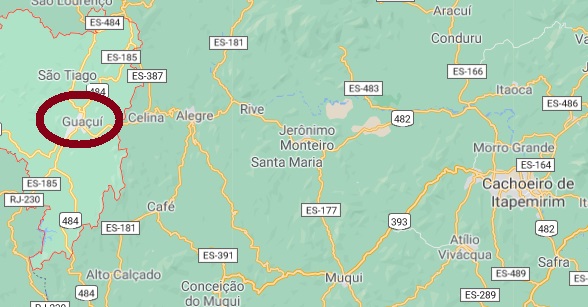
This locality was a freguesia of Cachoeira do Itapemerim from July 1866, located on the river Veado (roughly: deer/doe), over 220 km southwest of the provincial capital Vitória. In April 1884, it transferred as a district to the newly created municipality of Alegre and became the Município of Veado in December 1928. Since then, the municipality has been renamed twice: in August 1931 to Siqueira Campos and in December 1943 to the current Guaçuí. Lieutenant Antonio de Siqueira Campos (1898-1930) was a participant in the failed Copacabana revolt of 1922. The Tupi word Guaçuí means river of deer.

As Paulo Novaes (agenciaspostais.com.br) writes, there has been a post office there since November 1881. The imperial-era postmark is SES-0155a (Coll. José A. Junges). A double circle with the inscription S. MIGUEL DO VEADO on top and an ornament in cross below, formed by four small diamonds. Found with dates in the centre between 1887 and 1891.

Google Maps

Andere Namen: Veado, Siqueira Campos, Guaçuí (1943)

Diese Ortschaft war ab Juli 1866 eine Freguesia von Cachoeira do Itapemerim, die am Fluss Veado (etwa: Hirsch/Reh) lag, gut 220 km südwestlich der Provinzhauptstadt Vitória entfernt. Im April 1884 wechselte sie als Distrikt zum neu gegründeten Município von Alegre über und wurde im Dezember 1928 der Município von Veado. Seitdem wurde die Gemeinde zweimal umbenannt: im August 1931 zu Siqueira Campos und im Dezember 1943 zum aktuellen Guaçuí. Der Leutnant Antonio de Siqueira Campos (1898-1930) war ein Teilnehmer der missglückten Copacabana-Revolte von 1922. Das tupi-Wort Guaçuí bedeutet Fluss der Rehe.

Wie Paulo Novaes (agenciaspostais.com.br) schreibt, gibt es dort ein Postamt seit November 1881. Der Poststempel der Kaiserzeit ist SES-0155a (Samml. José A. Junges). Ein Doppelkreis mit der Inschrift S. MIGUEL DO VEADO oben und einem Ornament in Kreuz unten, das aus vier kleinen Rauten besteht. Gefunden mit Daten in der Mitte zwischen 1887 und 1891.

Categories
Carimbologia S

São Miguel da Ponte Nova, Minas Gerais (SMG-2515)

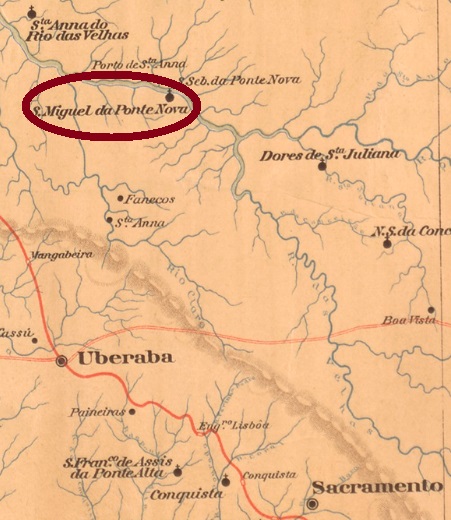
Mappa de Minas Geraes, 1910

Another name: Nova Ponte (1923)

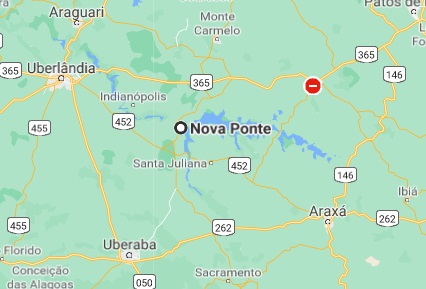
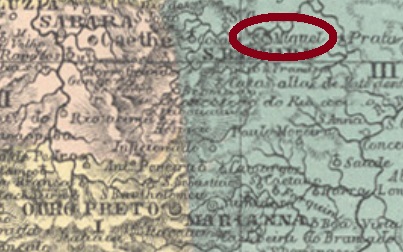
São Miguel da Ponte Nova (= of the New Bridge) was, from July 1872, a freguesia in the municipality of Sacramento, located at the meeting of the Das Velhas (today Araguari) and São João Rivers, more than 550 km west of the provincial capital, Ouro Preto. In September 1881, the town became a district, which has been called Nova Ponte since September 1923, and has been a Município since December 1938.

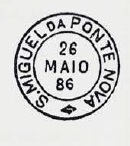
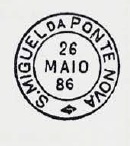
The local post office was established in September 1881, as shown in the postal report (Relatório Postal) for 1887. The imperial postmark is SMG-2515a (Coll. José A. Junges): a double circle with the inscription S. MIGUEL DA PONTE NOVA at the top and an ornament in diamond at the bottom, the four sides of which are open – i.e., somewhat different from what was illustrated in Paulo Ayres’ Catálogo de Carimbos Brasil-Império (S. Paulo, 1937, 1942):

P. Ayres (op. cit.) p. 126

The cancel occurs mostly in blue and has been found so far with dates at the centre from 1887 to 1892.

Google Maps

Anderer Name: Nova Ponte (1923)

São Miguel da Ponte Nova (= der Neuen Brücke) war ab Juli 1872 eine Freguesia im Município von Sacramento, die an der Zusammenkunft der Flüsse das Velhas (heute Araguari) und São João lag, über 550 km westlich der Provinzhauptstadt Ouro Preto entfernt. Im September 1881 stieg der Ort zum Distrikt, der seit September 1923 Nova Ponte heißt und sich seit Dezember 1938 einen Município nennen darf.

Das örtliche Postamt wurde im September 1881 ins Leben gerufen, wie aus dem Postbericht (Relatório Postal) für 1887 hervorgeht. Der kaiserliche Poststempel ist SMG-2515a (Samml. José A. Junges): ein Doppelkreis mit der Inschrift S. MIGUEL DA PONTE NOVA oben und einem Ornament in Raute unten, dessen vier Seiten offen sind – also etwas anders als im Paulo Ayres (Catálogo de Carimbos Brasil-Império, S. Paulo, 1937, 1942) abgebildet wurde:

P. Ayres (op. cit.) S. 126

Der Stempel kommt meistens in blau vor und wurde bisher mit Daten in der Mitte von 1887 bis 1892 gefunden.

Categories
Carimbologia S

São Miguel do Piracicaba, Minas Gerais (SMG-2535)

Atlas do Imperio do Brasil, 1868

Another name: Rio Piracicaba (1911)

The Piracicaba River in the province of Minas Gerais has nothing to do with its namesake from São Paulo, which is over 700 km further southwest and is also shorter (about 144 km against about 240 km length). The stream from Minas is a tributary of the Rio Doce; the word piracicaba has its origin in the Tupi-guarani language and means where the fish remains.

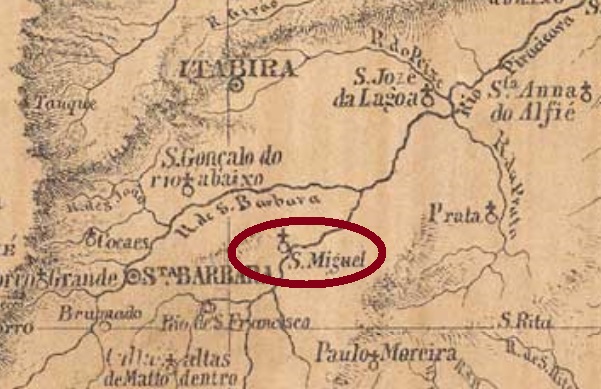
São Miguel do Piracicaba was already in the 18th century an arraial of the villa of Mariana, which was located on the north bank of the river, just 140 km northeast of the provincial capital Ouro Preto. It passed to the newly founded municipality of Santa Bárbara in March 1839 and received its autonomy in August 1911, when the municipality of Rio Piracicaba was created.

As Paula Sobrinho writes in História Postal de Minas Gerais (Belo Horizonte, 1997), the local post office has existed since October 1875. A postmark of the imperial era has been found so far: SMG-2535a (Coll. Karlheinz Wittig) is a double circle with the inscription S. MIGUEL DO PIRACICABA above and an ornament below, which consists of four small diamonds in cross. The dates at the centre originate from the period 1886-1899.

Provincia de Minas Geraes, 1873

Anderer Name: Rio Piracicaba (1911)

Der Fluss Piracicaba in der Provinz Minas Gerais hat nichts mit seinem Namensvetter aus São Paulo zu tun, der über 700 km weiter südwestlich liegt und auch kürzer ist (ca. 144 km gegen ca. 240 km Länge). Der Strom aus Minas ist ein Zufluss des Rio Doce; das Wort Piracicaba hat den Ursprung in der Tupi-Guarani Sprache und bedeutet dort, wo sich der Fisch aufhält.

São Miguel do Piracicaba war bereits im 18. Jahrhundert ein Arraial der Villa von Mariana, der am Nordufer des Flusses lag, knapp 140 km nordöstlich der Provinzhauptstadt Ouro Preto entfernt. Er ging im März 1839 zum neu gegründeten Município von Santa Bárbara über und erhielt seine Autonomie im August 1911, als der Município von Rio Piracicaba entstand.

Wie Paula Sobrinho in História Postal de Minas Gerais (Belo Horizonte, 1997) schreibt, gibt es das örtliche Postamt seit Oktober 1875. Ein Poststempel der Kaiserzeit wurde bisher gefunden: SMG-2535a (Samml. Karlheinz Wittig) ist ein Doppelkreis mit der Inschrift S. MIGUEL DO PIRACICABA oben und einem Ornament unten, das aus vier kleinen Rauten in Kreuz besteht. Die Daten in der Mitte entstammen dem Zeitraum 1886-1899.

Categories
Carimbologia S

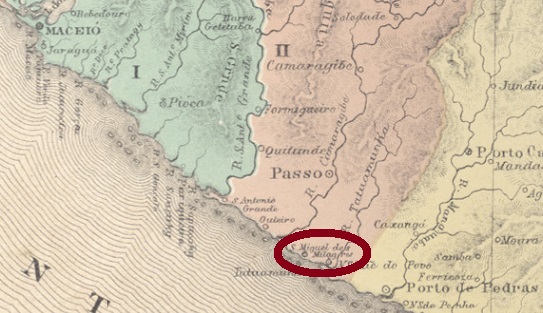
São Miguel dos Milagres, Alagoas (SAL-0225)

Villiers de l’Ile Adam: Carta (…) das Provincias de Pernambuco, Alagoas e Sergipe, 1848

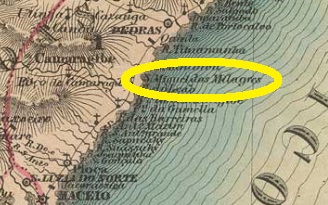
From June 1864, this village was a district in the municipality of Porto de Pedras, which was located about 100 km northeast of the provincial capital Maceió. It was not until June 1960 that it was promoted to a municipality.

As Aldo Cardoso writes in Contribuição para a História dos Correios de Alagoas (Maceió, 1969), there has been a post office there since August 1880. So far, the only postmark of the imperial period is SAL-0225a (Coll. José A. Junges): a double circle with the inscription S. MIGUEL DOS MILAGRES. Only one copy seen, used without date on a D-Pedro issue of 1878.

Atlas do Imperio do Brasil, 1868

Diese Ortschaft war ab Juni 1864 ein Distrikt im Município von Porto de Pedras, der rund 100 km nordöstlich der Provinzhauptstadt Maceió entfernt lag. Erst im Juni 1960 stieg er zum Município auf.

Wie Aldo Cardoso in Contribuição para a História dos Correios de Alagoas (Maceió, 1969) schreibt, gibt es dort ein Postamt seit August 1880. Der bisher einzige Poststempel der Kaiserzeit ist SAL-0225a (Samml. José A. Junges): ein Doppelkreis mit der Inschrift S. MIGUEL DOS MILAGRES. Nur ein Exemplar gesehen, ohne Datum auf einer D-Pedro-Ausgabe von 1878 benutzt.

Categories
Carimbologia S

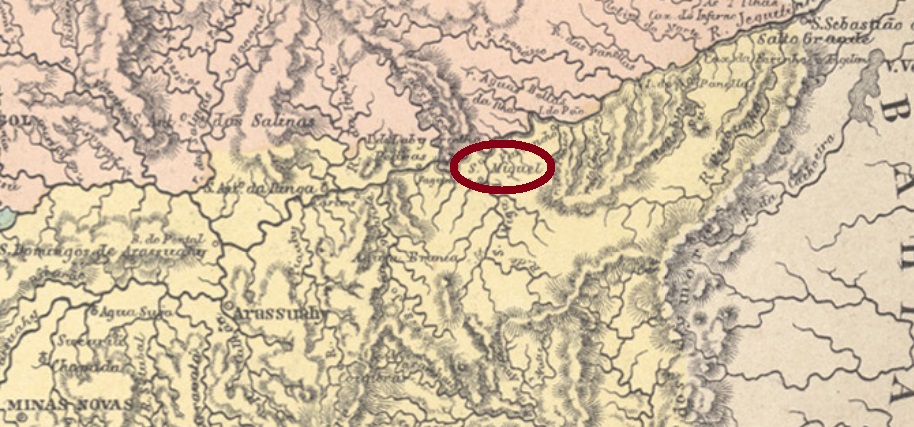
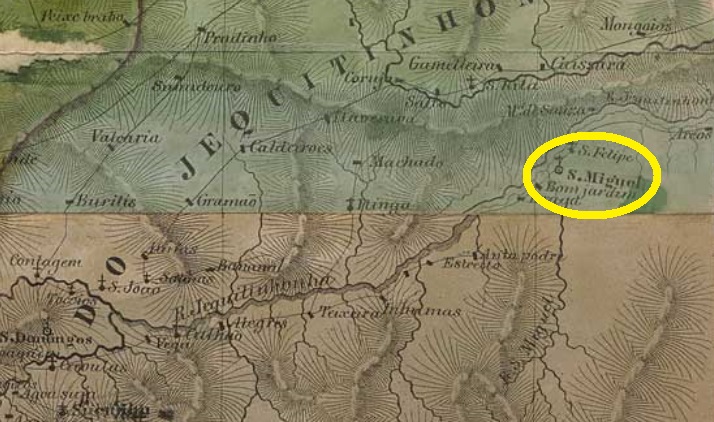
São Miguel do Jequitinhonha, Minas Gerais (SMG-2530)

Atlas do Imperio do Brasil, 1868

Another name: Jequitinhonha (1914)

This other São Miguel of the province of Minas Gerais was from March 1837 a freguesia in the municipality of Minas Novas, located on the south bank of the Jequitinhonha River, 700 km northeast of the provincial capital Ouro Preto. In June 1853, the village passed as a district to the municipality of Arassuahy. It became an independent villa in August 1911, which three years later got the name simplified to Jequitinhonha and has been a city since September 1925. The economically and historically important River Jequitinhonha rises from the mountains near Diamantina and flows eastwards for over 1,000 km until it reaches the Atlantic Ocean at Belmonte in Bahia. The name has Native American origins and supposedly means wide river, rich in fish.

As Paula Sobrinho writes in Historia Postal de Minas Gerais (Belo Horizonte, 1997), there has been a post office there since July 1877. Only one 19th century postmark has been found so far, probably not the oldest. SMG-2530b (Coll. Márcio Protzner) is a double circle with the inscription S. MIGUEL DO JEQUITINHONHA above and an ornament in cross below, consisting of four small diamonds. The dates at the centre have been found so far for the period 1889-1906.

Villiers de l’Ile Adam: Carta (…) da Provincia de Minas Geraes, 1849

Anderer Name: Jequitinhonha (1914)

Dieser andere São Miguel der Provinz Minas Gerais war ab März 1837 eine Freguesia im Município von Minas Novas, die am Südufer des Flusses Jequitinhonha lag, 700 km nordöstlich der Provinzhauptstadt Ouro Preto entfernt. Im Juni 1853 ging der Ort als Distrikt zum Município von Arassuahy über. Er wurde im August 1911 eine eigenständige Villa, die drei Jahre später den Namen zu Jequitinhonha vereinfacht bekam, und ist seit September 1925 eine Stadt. Der wirtschaftlich und historisch wichtiger Fluss Jequitinhonha entspringt dem Gebirge bei Diamantina und fließt ostwärts über 1.000 km, bis er bei Belmonte in Bahia in den Atlantik mündet. Der Name hat indianischen Ursprung und angeblich bedeutet breiter und fischreicher Fluss.

Wie Paula Sobrinho in Historia Postal de Minas Gerais (Belo Horizonte, 1997) schreibt, gibt es dort ein Postamt seit Juli 1877. Nur ein Poststempel des 19. Jahrhunderts wurde bisher gefunden, wohl nicht der älteste. SMG-2530b (Samml. Márcio Protzner) ist ein Doppelkreis mit der Inschrift S. MIGUEL DO JEQUITINHONHA oben und einem Ornament in Kreuz unten, das aus vier kleinen Rauten besteht. Die Daten in der Mitte wurden bisher für den Zeitraum 1889-1906 gefunden.

Categories
Carimbologia S

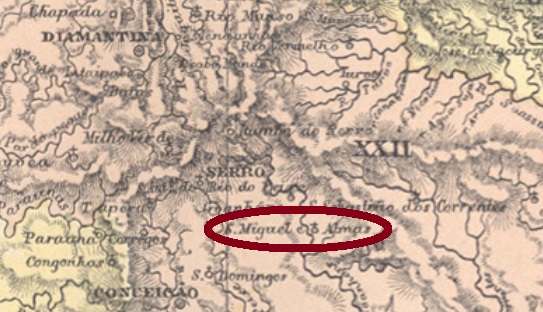
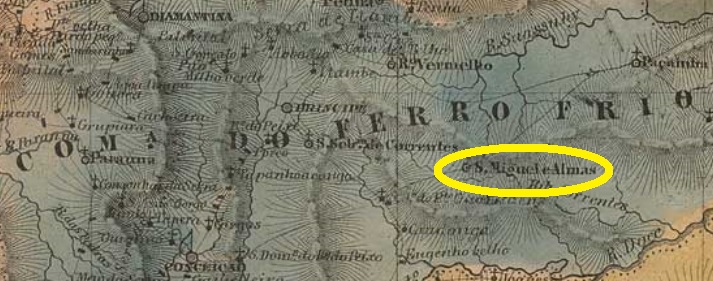
São Miguel de Guanhães, Minas Gerais (SMG-2520)

Atlas do Imperio do Brasil, 1868

Another name: São Miguel e Almas

See also Guanhães (R. Koester: Carimbologia XXI)

This village was from July 1832 a parish called São Miguel de Correntes, which belonged to the municipality of Serro and was located on the south bank of the river Correntes (today: Corrente Grande), about 300 km north of the provincial capital Ouro Preto. In March 1840 it became the district of São Miguel e Almas, now belonging to Conceição do Serro, and in October 1875 the village became the municipality of São Miguel de Guanhães, which since September 1881 is simply called Guanhães. However, the Guanhães River flows about 40 km away; the word has Native American origin and is said to mean The Fluent.

According to Paula Sobrinho (História Postal de Minas Gerais, Belo Horizonte, 1997), there has been a post office there since October 1875, probably founded to celebrate political emancipation. The only imperial postmark so far is SMG-2520a (Coll. José A. Junges): a double circle with the inscription S. MIGUEL DE GUANHÃES above and an ornament in cross below, consisting of four small diamonds. Dates at the centre were found for the period 1886 and 1900.

Villiers de l’Ile Adam: Carta (…) da Provincia de Minas Geraes, 1849

Anderer Name: São Miguel e Almas

Siehe auch Guanhães (R. Koester: Carimbologia XXI)

Diese Ortschaft war ab Juli 1832 eine Pfarrei namens São Miguel de Correntes, die dem Município von Serro angehörte und am Südufer des Flusses Correntes (heute: Corrente Grande) lag, rund 300 km nördlich der Provinzhauptstadt Ouro Preto entfernt. Im März 1840 wurde daraus der Distrikt von São Miguel e Almas, der nun Conceição do Serro angehörte, und im Oktober 1875 stieg der Ort zum Município von São Miguel de Guanhães, der seit September 1881 einfach Guanhães heißt. Der Fluss Guanhães liegt allerdings etwa 40 km weiter südlich; das Wort hat indianischen Ursprung und soll Der Fließende bedeuten.

Laut Paula Sobrinho (História Postal de Minas Gerais, Belo Horizonte, 1997) gibt es dort ein Postamt seit Oktober 1875, wohl zur Feier der politischen Emanzipation gegründet. Der bisher einzige kaiserliche Poststempel ist SMG-2520a (Samml. José A. Junges): ein Doppelkreis mit der Inschrift S. MIGUEL DE GUANHÃES oben und ein Ornament in Kreuz unten, das aus vier kleinen Rauten besteht. Bisherige Daten in der Mitte zwischen 1886 und 1900.

Categories
Carimbologia S

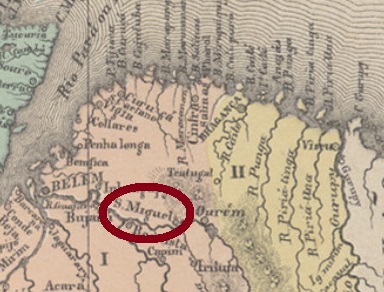
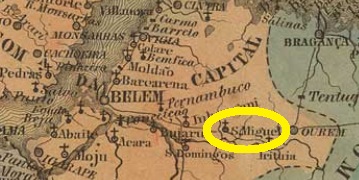
São Miguel do Guamá, Pará (SPA-0220)

Atlas do Imperio do Brasil, 1868

Another name: São Miguel da Cachoeira

Since the 18th century, São Miguel do Guamá was a freguesia of Ourém, located on the north bank of the Guamá River, just under 150 km east of the future provincial capital Belém do Pará. In May 1833, the village was renamed São Miguel da Cachoeira, but when it became a villa in October 1870, the old name came back. Since May 1891, São Miguel do Guamá has been a town.

According to the Imperial Mail Register (Tabella das Agencias do Correio do Imperio, 1885), there has been a post office there since 1882. But this is likely to be a reopening, because the agency was already in operation in 1877, as the report of the provincial president of February 1881 shows:

Relatorio do Presidente da Provincia, February 1881.

So far, no postmark of the imperial era has been found for this village.

Villiers de l’Ile Adam: Carta (…) das Provincias do Grão Pará e Alto Amazonas

Anderer Name: São Miguel da Cachoeira

Seit dem 18. Jahrhundert war São Miguel do Guamá eine Freguesia von Ourém, die am Nordufer des Flusses Guamá, knapp 150 km östlich der künftigen Provinzhauptstadt Belém do Pará entfernt lag. Im Mai 1833 wurde der Ort zu São Miguel da Cachoeira umbenannt, aber als im Oktober 1870 daraus eine Villa wurde, kam der alter Name zurück. Seit Mai 1891 ist São Miguel do Guamá eine Stadt.

Laut Verzeichnis der kaiserlichen Postämter (Tabella das Agencias do Correio do Imperio, 1885) gibt es dort seit 1882 ein Postamt. Das dürfte aber eine Wiedereröffnung sein, denn bereits 1877 war die Agentur in Betrieb, wie der Bericht des Provinzpräsidenten von Februar 1881 zeigt:

Relatorio do Presidente da Provincia, Februar 1881.

Bisher ist kein Poststempel der Kaiserzeit für diese Ortschaft gefunden worden.

Categories
Carimbologia S

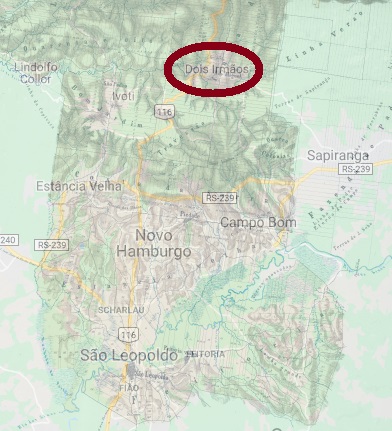
São Miguel de Dois Irmãos, Rio Grande do Sul (SRS-0680)

colonias.heuser.pro.br

Another name: Dois Irmãos

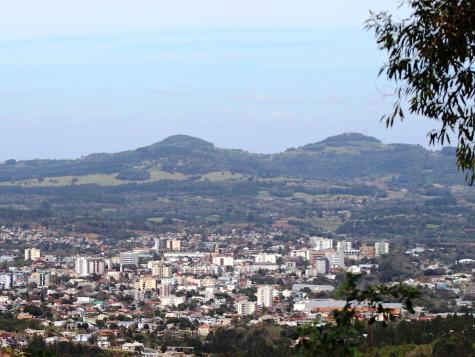
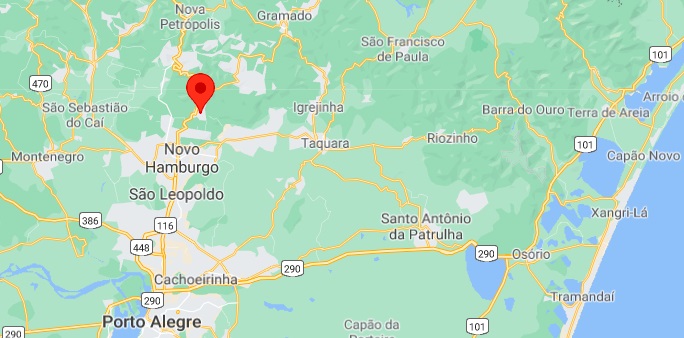
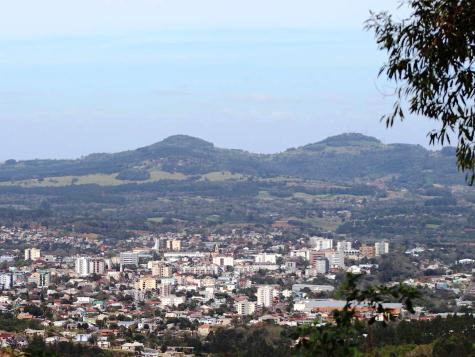
São Miguel de Dois Irmãos was a freguesia of São Leopoldo from February 1857, located about 60 km north of the provincial capital Porto Alegre and was only elevated to a municipality called Dois Irmãos in September 1959. Dois Irmãos (Two Brothers) are the two similar mountains that stand side by side and have formed the landscape from the beginning.

Jornal Dois Irmãos, 2019

So far, no creation year for the post office was found. Since this was not listed in the Imperial Postal Guide (Guia Postal do Império) of 1880, but in the Imperial Mail Register (Tabella das Agencias do Correio do Imperio) of 1885, it will probably have taken place between the two years.

The only imperial cancel so far is SRS-0680a (Coll. José A. Junges): a double circle with the inscription S.M. DOIS IRMÃOS above and an ornament in x below, consisting of four points. Dates at the centre between 1888 and 1893.

Google Maps

Anderer Name: Dois Irmãos

São Miguel de Dois Irmãos war ab Februar 1857 eine Freguesia von São Leopoldo, die ca. 60 km nördlich der Provinzhauptstadt Porto Alegre entfernt lag und erst im September 1959 zum Município erhoben wurde. Dois Irmãos (Zwei Brüder) sind die zwei fast gleiche Berge, die nebeneinanderstehen und das Stadtbild vom Anfang an geprägt haben.

Jornal Dois Irmãos, 2019

Es wurde bisher kein Entstehungsjahr fürs örtliche Postamt ermittelt. Da dieses nicht im kaiserlichen Postführer (Guia Postal do Império) vom 1880, jedoch im Verzeichnis der kaiserlichen Postämter (Tabella das Agencias do Correio do Imperio) von 1885 aufgelistet war, wird es wohl zwischen beiden Jahren stattgefunden haben.

Der bisher einzige Poststempel ist SRS-0680a (Samml. José A. Junges): ein Doppelkreis mit der Inschrift S.M. DOIS IRMÃOS oben und einem Ornament in x unten, das aus vier Punkten besteht. Daten in der Mitte zwischen 1888 und 1893.