Categories
Carimbologia E-G

Exú, Pernambuco (EPE-0245)

Atlas do Imperio do Brasil, 1868

Other names: Novo Exú (1907)

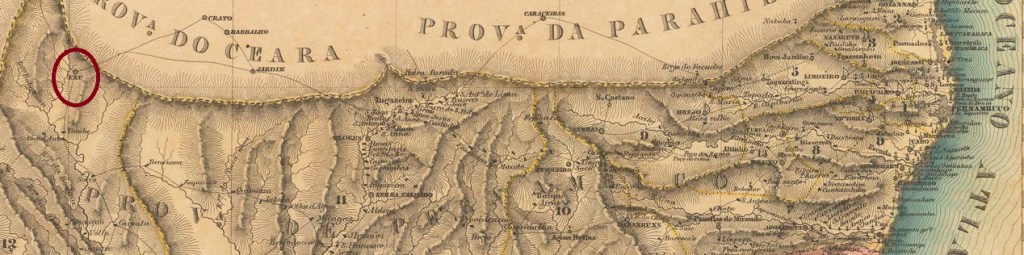
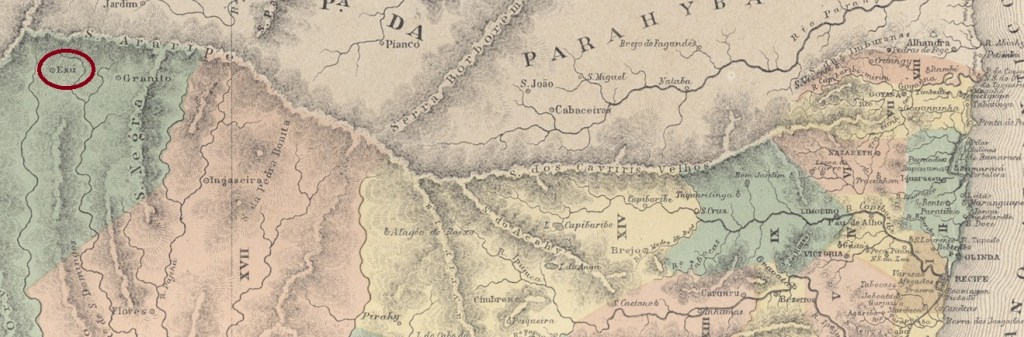
The Freguesia de Bom Jesus dos Aflictos do Exú was founded in 1734 on the south bank of the Riacho da Brígida, 610 kilometres west of the later provincial capital of Recife. The town was subsequently elevated to the status of Vila four times: in March 1846, June 1858, April 1874 and June 1907, then as Município de Novo Exú. In between there were three downgrades: in June 1849 and April 1863 as a freguesia of the Vila de Ouricuri and the Vila de Granito respectively and in April 1895 as a district in the Município de Granito. Novo Exú was declared a town in July 1909 and the old place name Exú returned in December 1938. The African-sounding name is of indigenous origin, in memory of the Ançu Indian tribe of the region, although some researchers claim that it derives from the bee species Inxu.

The local post office was opened at least twice, the first time in June 1850, as reported in the regional press:
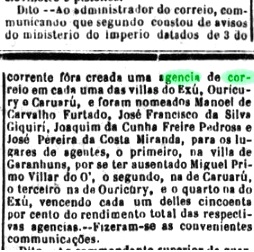
Diario de Pernambuco, 11/07/1850

It was closed in April 1865, as reported by the Rio press:
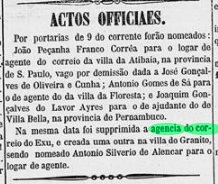
Correio Mercantil/RJ, 30/04/1865

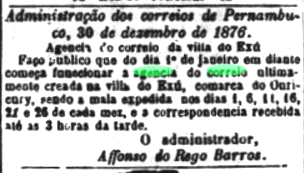
It reopened at the end of 1876:

Diario de Pernambuco, 04/01/1877

The first Exu postmark is unknown, as the oldest postmark to date, the French type EPE-0245b (image from the Internet), dates from the second period of operation of the post office:
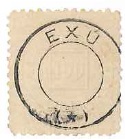
EPE-0245b (DF) 1883ff-1890

Its successor EPE-0245c (illustration by Felipe Piccinini) dates from the early Republic:

EPE-0245c (FP) 1891
Villiers de l’Ile Adam: Carta (…) das Provincias de Pernambuco, Alagoas e Sergipe, 1848

Andere Namen: Novo Exú (1907)

1734 wurde die Freguesia de Bom Jesus dos Aflictos do Exú am Südufer des Riacho da Brígida, 610 km westlich der späteren Provinzhauptstadt Recife, gegründet. Danach wurde der Ort viermal zur Vila erhoben: im März 1846, im Juni 1858, im April 1874 und im Juni 1907, zuletzt als Município de Novo Exú. Dazwischen lagen drei Rückstufungen: im Juni 1849 und im April 1863 als Freguesia der Vila de Ouricuri bzw. der Vila de Granito und im April 1895 als Distrikt im Município de Granito. Im Juli 1909 wurde Novo Exú zur Stadt erklärt, der alte Ortsname Exú kehrte im Dezember 1938 zurück. Der afrikanisch klingende Name ist indigenen Ursprungs, in Erinnerung an den Ançu-Indianerstamm der Region, obwohl einige Forscher behaupten, dass er von der Bienenart Inxu abstammt.

Das örtliche Postamt wurde mindestens zweimal eröffnet, das erste Mal im Juni 1850, wie die regionale Presse berichtete:
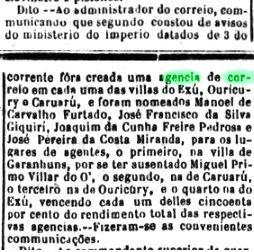
Diario de Pernambuco, 11.07.1850

Im April 1865 wurde es geschlossen, wie die Presse von Rio berichtet:
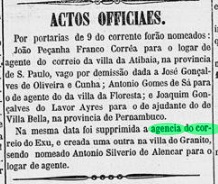
Correio Mercantil/RJ, 30.04.1865

Die Wiedereröffnung erfolgte Ende 1876:
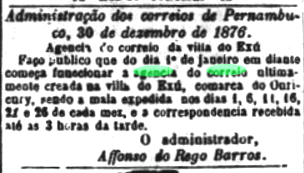
Diario de Pernambuco, 04.01.1877

Der erste Poststempel Exus ist unbekannt, da der bisher älteste Stempel, der französische Typ EPE-0245b (Abb. aus dem Internet), aus der zweiten Betriebsperiode des Postamts stammt:
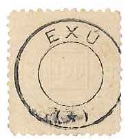
EPE-0245b (DF) 1883ff-1890

Sein Nachfolger EPE-0245c (Abb. Felipe Piccinini) stammt bereits aus der frühen Republik:
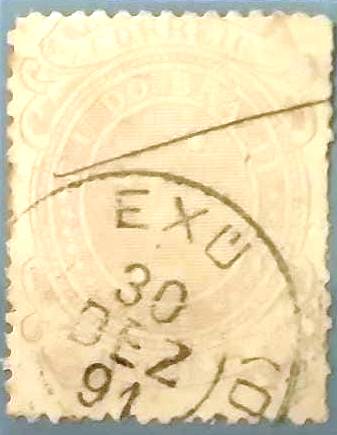
EPE-0245c (FP) 1891
Categories
Carimbologia E-G

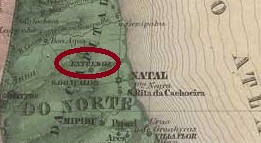
Extremoz, Rio Grande do Norte (ERN-0063)

Atlas do Imperio do Brasil, 1868

Other names: São Miguel do Guajiru

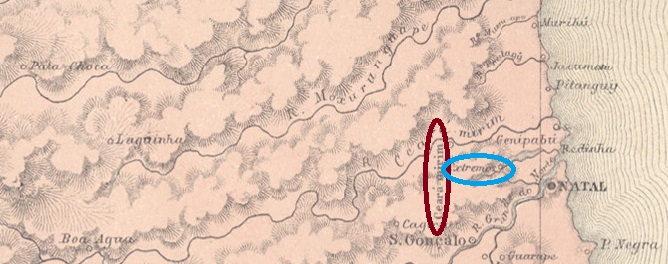
The settlement was originally named after the Portuguese municipality of Extremoz and is said to have been given the name Vila Nova de São Miguel e N. Sra dos Prazeres de Extremoz as early as June 1755. It was located on the northern shore of the lake of the same name, 20 kilometres northwest of the later provincial capital of Natal. As is not uncommon in north-east Brazil, the entire settlement was moved a further 15 kilometres north-west to the former Arraial de Boca da Mata on the south bank of the Ceará-Mirim in August 1855 and was henceforth called Briosa Vila de Ceará-Merim.

In November 1892, Extremoz became a distrito in the Município de Ceará Mirim and it was not until April 1963 that it was reborn as Município de Extremoz.

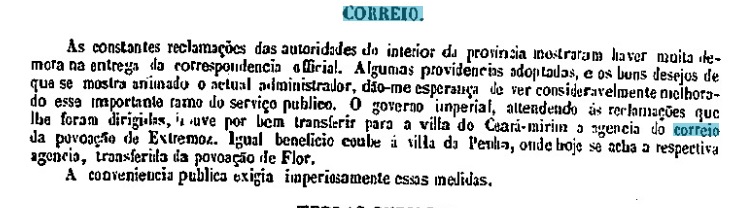
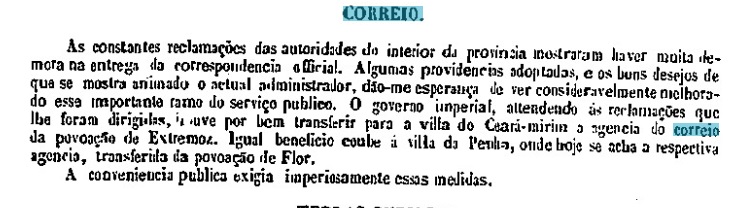
There was a post office in imperial Extremoz during two periods. We do not know when the first one began, but it must have been before 1854. As the post office is not mentioned in the postal guide (Guia do Correio do Brasil) for 1857, it must have been closed shortly before and soon reopened, because another closure took place in August 1860, when the post office was moved to Ceará Mirim.

Relatorio do Presidente da Provincia, April 1861

No imperial postmarks from Extremoz have yet been found.

Villiers de l’Ile Adam: Carta (…) das Provincias do Rio Grande do Norte e Parahiba, 1848

Andere Namen: São Miguel do Guajiru

Die Siedlung wurde ursprünglich nach der portugiesischen Gemeinde Extremoz benannt und soll bereits im Juni 1755 den Namen Vila Nova de São Miguel e N. Sra dos Prazeres de Extremoz erhalten haben. Sie lag am Nordufer des gleichnamigen Sees, 20 km nordwestlich der späteren Provinzhauptstadt Natal. Wie im Nordosten Brasiliens nicht unüblich, wurde die gesamte Siedlung im August 1855 weitere 15 km nordwestlich in das ehemalige Arraial de Boca da Mata am Südufer des Ceará-Mirim verlegt und hieß fortan Briosa Vila de Ceará-Merim.

Im November 1892 wurde Extremoz ein Distrito im Município de Ceará Mirim und erst im April 1963 wurde es als Município de Extremoz wiedergeboren.

Im kaiserlichen Extremoz gab es während zweier Perioden ein Postamt. Wir wissen nicht, wann die erste begann, aber es muss vor 1854 gewesen sein. Da das Postamt im Postführer (Guia do Correio do Brasil) für das Jahr 1857 nicht erwähnt wird, muss es kurz zuvor geschlossen und bald wieder eröffnet worden sein, denn eine erneute Schließung erfolgte im August 1860, als das Postamt nach Ceará Mirim verlegt wurde.

Relatorio do Presidente da Provincia, April 1861

Bisher wurden keine kaiserlichen Poststempel von Extremoz gefunden.

Categories
Carimbologia E-G

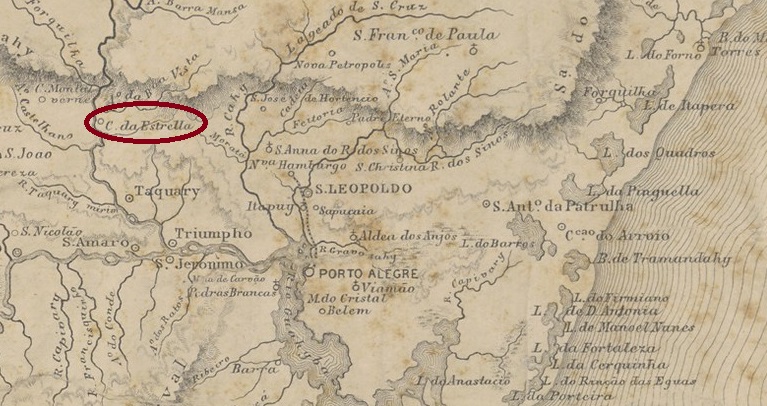
Estrella, Rio Grande do Sul (ERS-0170)

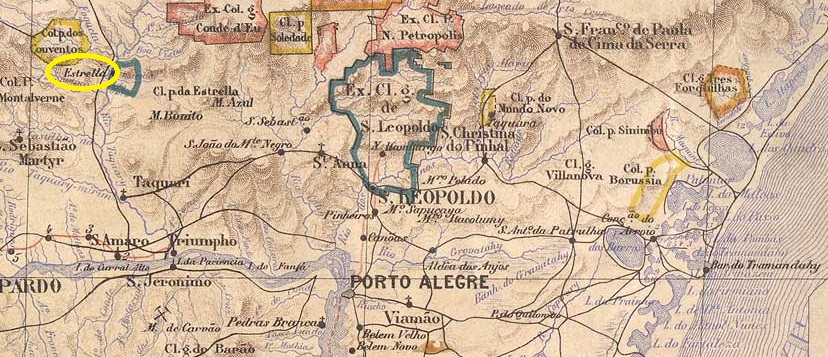
Provincia de São Pedro do Rio Grande, 1877

The Freguesia de Santo Antonio da Estrella, founded in April 1873, belonged to the Vila de Taquary and was located on the east bank of the river of the same name, 110 kilometres northwest of the provincial capital of Porto Alegre. In May 1876, it was elevated to the status of a Vila.

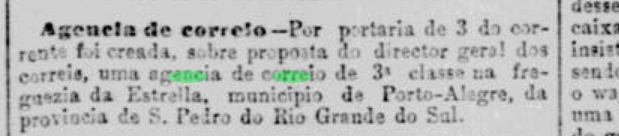
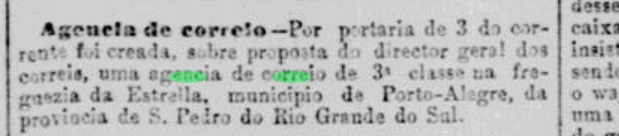
As the Rio press reported, there had been a post office there since February 1882:

Jornal do Commercio/RJ, 05/02/1882

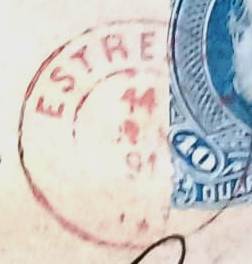
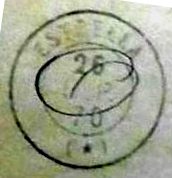
The imperial postmark is the French type ERS-0170a (coll. Fuad Ferreira Fo.), which also exists in red:

ERS-0170a (FF) 1891

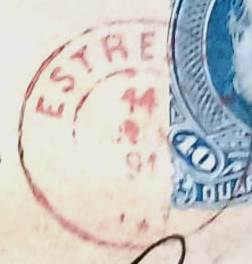
As there was previously also a french-type postmark from Estrella in the province of Rio de Janeiro, here is a comparison of both cancellations (Estrella/RS on the right):

ERJ-0530a x ERS-0170a
Estado do Rio Grande do Sul, 1891

Die im April 1873 gegründete Freguesia de Santo Antonio da Estrella gehörte zur Vila de Taquary und lag am Ostufer des gleichnamigen Flusses, 110 km nordwestlich der Provinzhauptstadt Posto Alegre. Im Mai 1876 wurde es zur Vila erhoben.

Wie die Presse von Rio berichtete, gab es dort seit Februar 1882 ein Postamt:

Jornal do Commercio/RJ, 05.02.1882

Der kaiserliche Poststempel ist der französische Typ ERS-0170a (Samml. Fuad Ferreira Fo.), den es auch in rot gibt:

ERS-0170a (FF) 1891

Da es zuvor auch einen „französischen“ Stempel aus Estrella in der Provinz Rio de Janeiro gab, hier ein Vergleichsbild beider Poststempel (rechts Estrella/RS):

ERJ-0530a x ERS-0170a
Categories
Carimbologia E-G

Estrella, Rio de Janeiro (ERJ-0530)

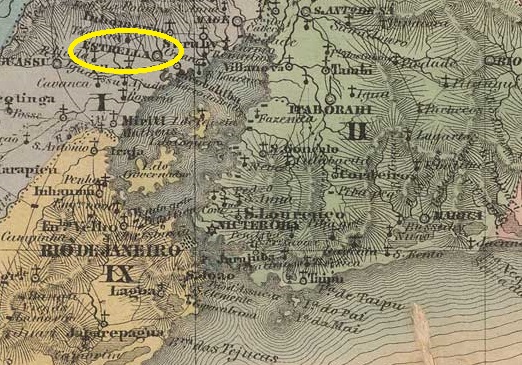
Villiers de l’Ile Adam: Carta (…) da Provincia do Rio de Janeiro, 1850

Other names: Porto da Estrella

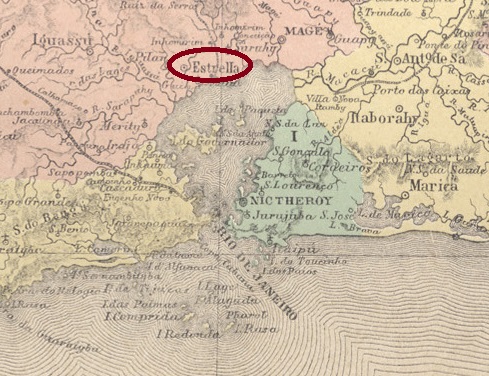
Founded in January 1755, Arraial do Porto da Estrela belonged to the Vila de N. Sra. da Piedade do Inhomirim and was located on the west bank of the Rio da Estrela, 50 kilometres north of the capital Rio de Janeiro. At the time, the harbour was conveniently located near Guanabara Bay on the main road to the gold and mining province of Minas Gerais (Estrada Real). The settlement grew very quickly and became an independent vila in May 1846. A period of decline followed, caused by epidemics, mismanagement and, above all, the construction of railway lines away from the old trade route. A little further north, the Estrella railway station (later: Joaquim Távora, today: Imbarié) was opened in 1888 by the E.F. Principe do Grão-Pará railway company, which occasionally leads to confusion with the old vila.

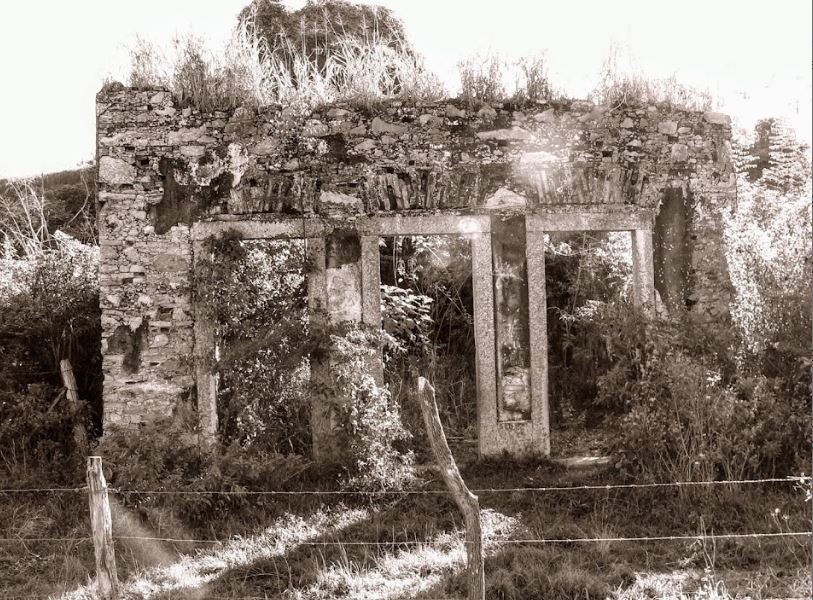
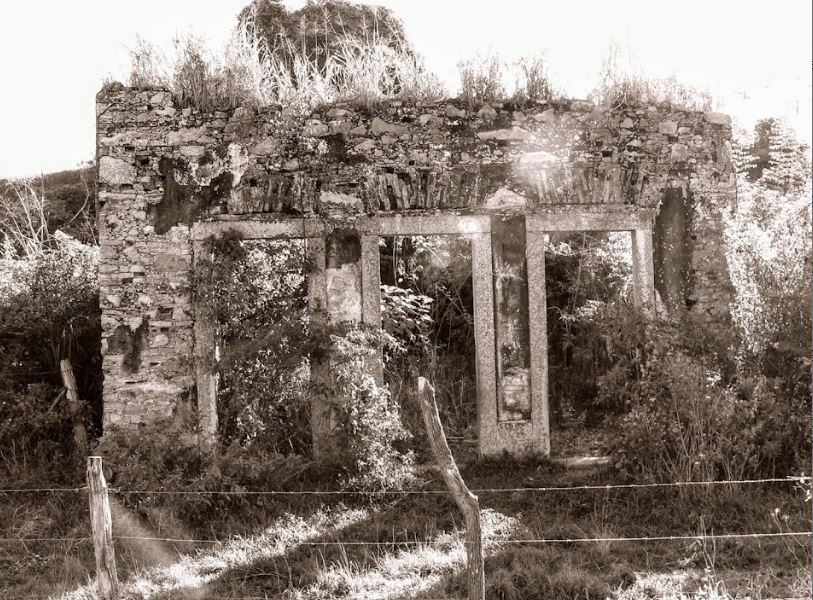
The once proud and prosperous locality, which became a neighbourhood in the district of Inhomirim in the Município de Magé in May 1892, was never able to recover from its social and economic decline. Today, only a few ruins bear witness to its former prosperity:

The so-called Three Door House (Casa das Três Portas, photo: Mario Pinheiro)

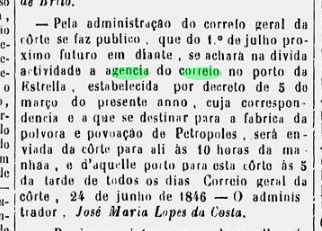
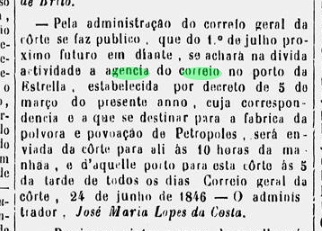
As the regional press reported, there had been a post office there since March 1846:

Diario do Rio de Janeiro, 26/06/1846

This was closed in January 1897, as P. Novaes (agenciaspostais.com.br) writes. The oldest cancel is PRJ-2600a, shown with no. 1414 by P. Ayres in Catálogo de Carimbos Brasil-Império (S. Paulo, 1937, 1942):

PRJ-2600a (P.A. 1414) 1846-1850ff

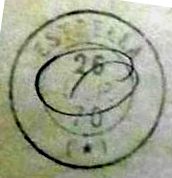
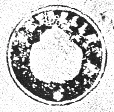
This was followed by the rare French type ERJ-0530a (collect. Fuad Ferreira Fo.):

ERJ-0530a (FF) 1870

As there was also a French type postmark from Estrella in the southern Brazilian province of São Pedro do Rio Grande shortly afterwards, here is a comparison of the two postmarks (Estrella/RS on the right):

ERJ-0530a x ERS-0170a

Porto da Estrella has two more postmarks from the imperial period, which are illustrated in R. Koester’s Carimbologia XVIII: the double circle ERJ-0530b and the cachet ERJ-0530c:

ERJ-0530b (RK) 1888
ERJ-0530c (RK)
Atlas do Imperio do Brasil, 1868

Andere Namen: Porto da Estrella

Der im Januar 1755 gegründete Arraial do Porto da Estrela gehörte zur Vila de N. Sra. da Piedade do Inhomirim und lag am Westufer des Rio da Estrela, 50 km nördlich der Hauptstadt Rio de Janeiro. Die Hafenanlage lag damals verkehrsgünstig nahe der Guanabara-Bucht an der Hauptstraße in die Gold- und Bergbauprovinz Minas Gerais (Estrada Real). Die Siedlung wuchs sehr schnell und wurde im Mai 1846 eine eigenständige Vila. Es folgte eine Zeit des Niedergangs, verursacht durch Epidemien, Misswirtschaft und vor allem durch den Bau von Eisenbahnlinien abseits der alten Handelsroute. Etwas weiter nördlich wurde 1888 der Bahnhof Estrella (später: Joaquim Távora, heute: Imbarié) von der Eisenbahngesellschaft E.F. Principe do Grão-Pará eröffnet, was gelegentlich zu Verwechslungen mit der alten Vila führt.

Die einst stolze und wohlhabende Vila, die im Mai 1892 zum Ortsteil im Bezirk Inhomirim des Município de Magé wurde, konnte sich vom sozialen und wirtschaftlichen Niedergang nicht mehr erholen. Heute zeugen nur noch wenige Ruinen vom damaligen Wohlstand:

Das so genannte Drei-Türen-Haus (Casa das Três Portas, Foto: Mario Pinheiro)

Wie die regionale Presse berichtete, gab es dort seit März 1846 ein Postamt:

Diario do Rio de Janeiro, 26.06.1846

Dieses wurde im Januar 1897 geschlossen, wie P. Novaes (agenciaspostais.com.br) schreibt. Der älteste Stempel ist PRJ-2600a, gezeigt mit Nr. 1414 von P. Ayres in Catálogo de Carimbos Brasil-Império (S. Paulo, 1937, 1942):

PRJ-2600a (P.A. 1414) 1846-1850ff

Es folgte der seltene französische Typ ERJ-0530a (Samml. Fuad Ferreira Fo.):

ERJ-0530a (FF) 1870

Da es kurz darauf auch einen „französischen“ Stempel aus Estrella in der südbrasilianischen Provinz São Pedro do Rio Grande gab, hier ein Vergleichsbild beider Poststempel (rechts Estrella/RS):

ERJ-0530a x ERS-0170a

Aus Porto da Estrella stammen noch zwei weitere Poststempel aus der Kaiserzeit, die in R. Koesters Carimbologia XVIII abgebildet sind: der Doppelkreis ERJ-0530b und der Siegelstempel ERJ-0530c:

ERJ-0530b (RK) 1888
ERJ-0530c (RK)
Categories
Carimbologia E-G

Estrada Nova, Rio de Janeiro (ERJ-0525)

agenciaspostais.com.br

Other names: Arraial do Tatu, Itapexirica, Conceição da Estrada Nova

See also Arraial da Conceição (ARJ-0065)

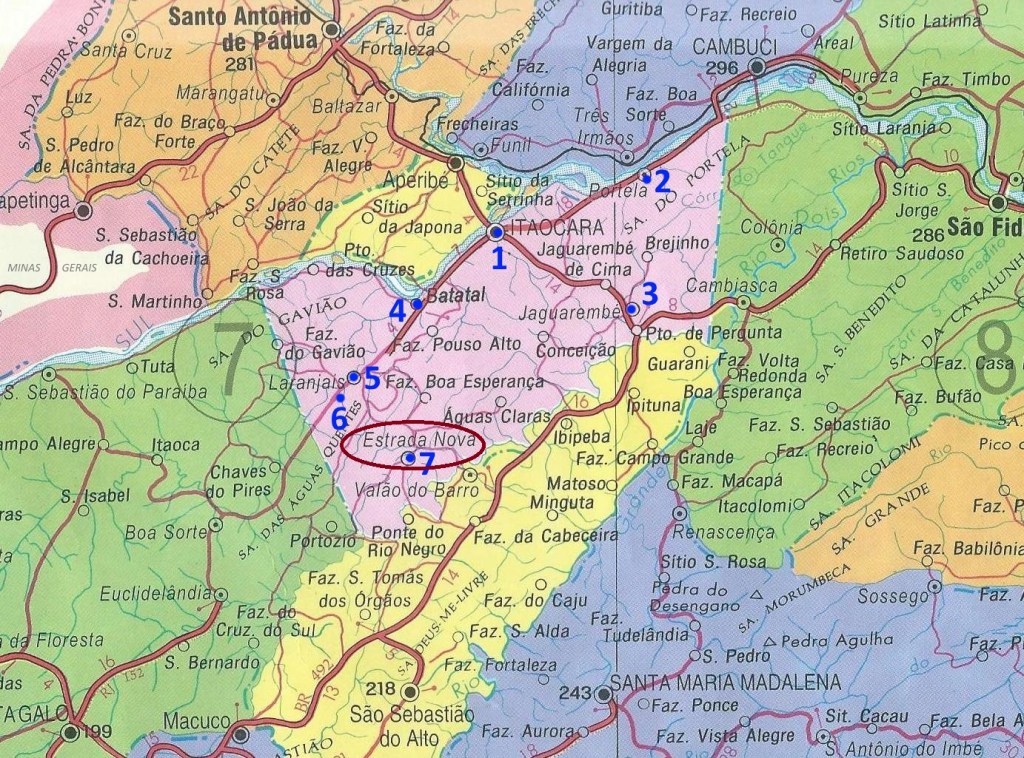
This settlement was originally called Arraial do Tatu or Itapexirica and was located near Cantagallo, 240 km northeast of the capital Rio de Janeiro. In 1859 it was renamed N. Sa. da Conceição da Estrada Nova, and in September 1890 it became a district, changing to the newly created Município of Itaocara the following month. Finally, in November 1924, the district was given the simplified name of Estrada Nova.

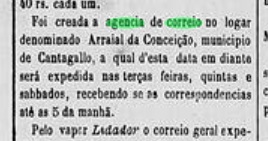
The local post office was established in December 1873, as reported by the regional press:

A Reforma, 06.12.1873

The first postmark is ARJ-0065a, which also exists in brown, blue, green and dark purple. It was in use until about 1879 and is already known through Paulo Ayres (Catálogo de Carimbos Brasil-Império, S. Paulo, 1937, 1942) under No. 1210:

ARJ-0065a (P.A. 1210, MPT 351)

Further postmarks (from around 1881) bear the place name Estrada Nova and have already been presented by R. Koester in Carimbologia XIII. Here we have the postmark CRJ-0355a:

CRJ-0355a (RK)

And towards the end of the imperial period came the double circle ERJ-0525a:

ERJ-0525a (RK) 1881-1890
Colton: Provincia do Rio de Janeiro, 1866

Andere Namen: Arraial do Tatu, Itapexirica, Conceição da Estrada Nova

Siehe auch Arraial da Conceição (ARJ-0065)

Diese Siedlung hieß ursprünglich Arraial do Tatu bzw. Itapexirica und lag bei Cantagallo, 240 km nordöstlich der Hauptstadt Rio de Janeiro entfernt. 1859 erfolgte eine Umbenennung zu N. Sa. da Conceição da Estrada Nova, und im September 1890 wurde daraus ein Distrikt, der im darauffolgenden Monat zum neu gegründeten Município von Itaocara wechselte. Schließlich erhielt der Distrikt im November 1924 den verinfachten Namen Estrada Nova.

Das örtliche Postamt wurde im Dezember 1873 ins Leben gerufen, wie die Regionalpresse meldete:

A Reforma, 06.12.1873

Der erste Poststempel ist ARJ-0065a, den es auch in braun, blau, grün und dunkelviolett gibt. Er war bis ca. 1879 in Verwendung und ist bereits durch Paulo Ayres (Catálogo de Carimbos Brasil-Império, S. Paulo, 1937, 1942) unter Nr. 1210 bekannt:

ARJ-0065a (P.A. 1210, MPT 351)

Weitere Poststempel (ab ca. 1881) tragen den Ortsnamen Estrada Nova und wurden bereits von R. Koester in Carimbologia XIII vorgestellt. Hier haben wir den Stempel CRJ-0355a:

CRJ-0355a (RK)

Und gegen Ende der Kaiserzeit kam der Doppelkreis ERJ-0525a:

ERJ-0525a (RK) 1881-1890
Categories
Carimbologia E-G

Esteves (train Station/Bahnhof), Rio de Janeiro (ERJ-0520)

Almanak Laemmert, 1892

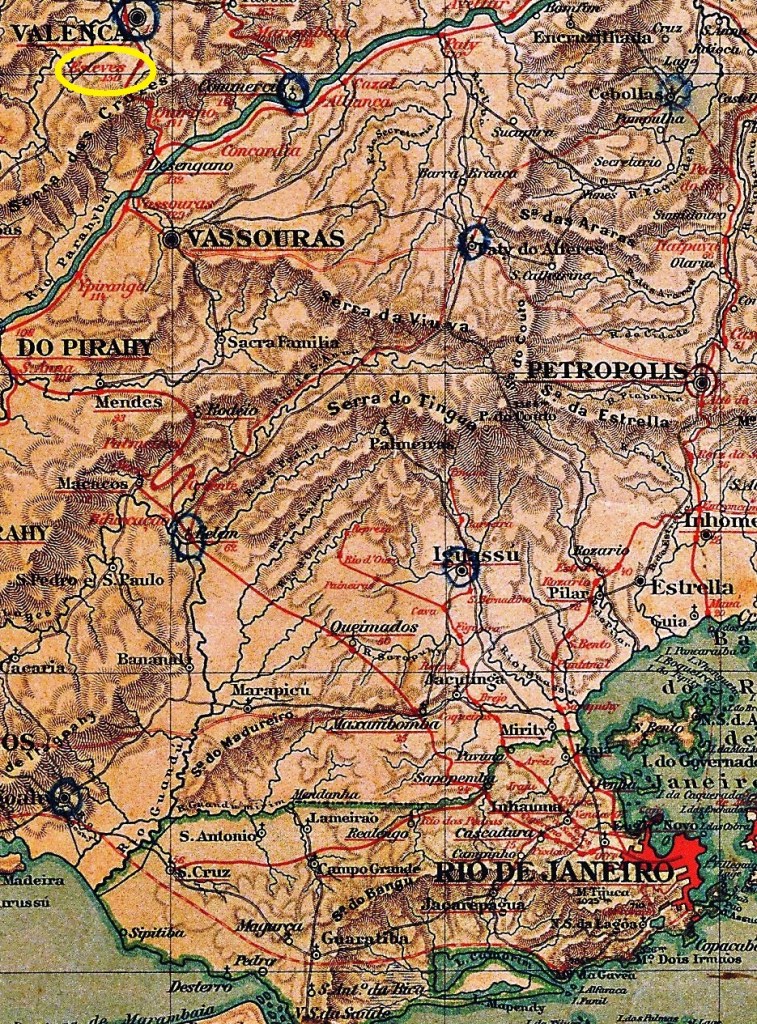
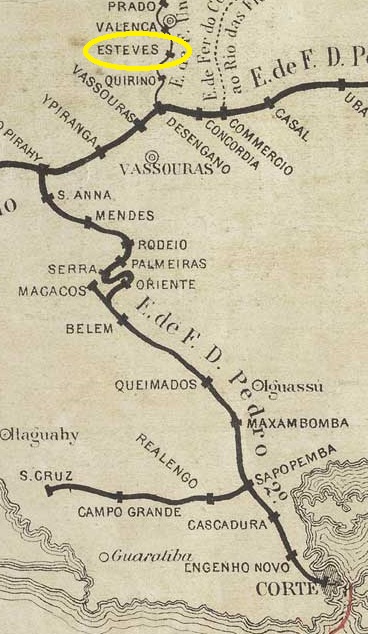
Esteves station was opened in May 1871 by the railway company E.F. União Valenciana (Jacutinga branch) in the Vila de Valença region, 150 km north-west of the capital Rio de Janeiro. The line belonged to E.F. Central do Brasil (estacoesferroviarias.com.br) from 1910 until its closure in 1970.

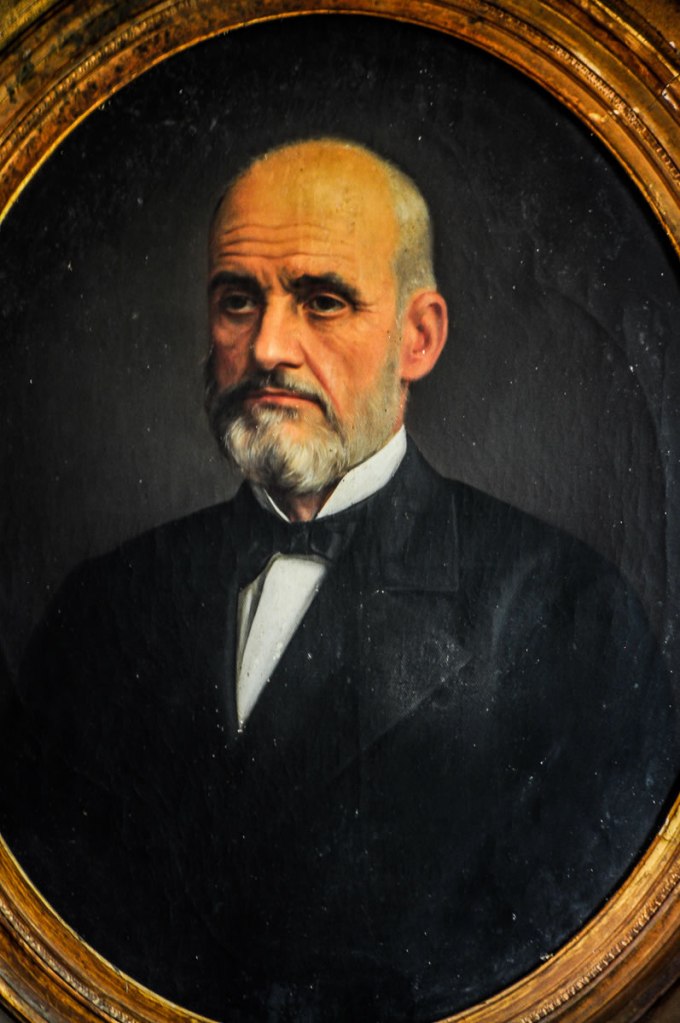
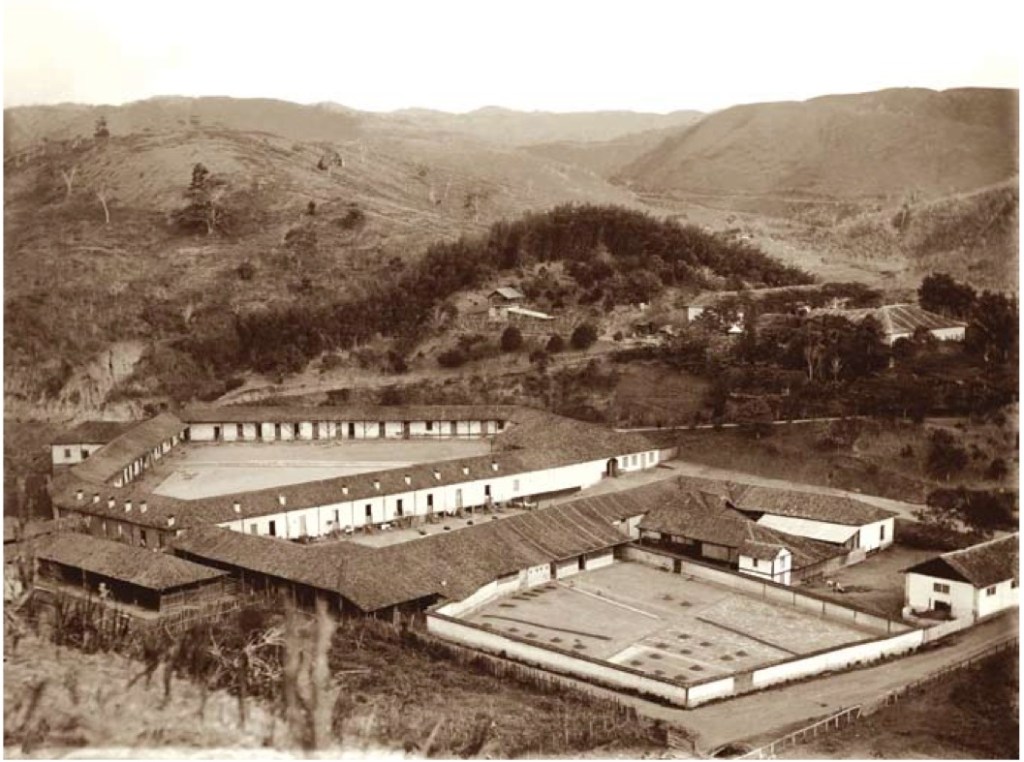
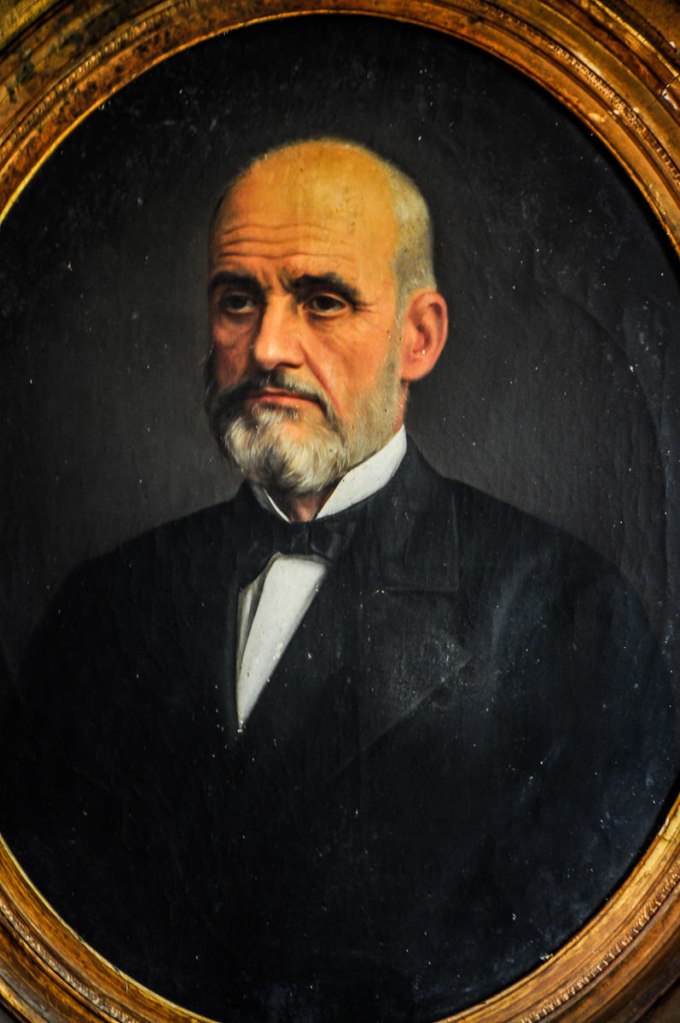
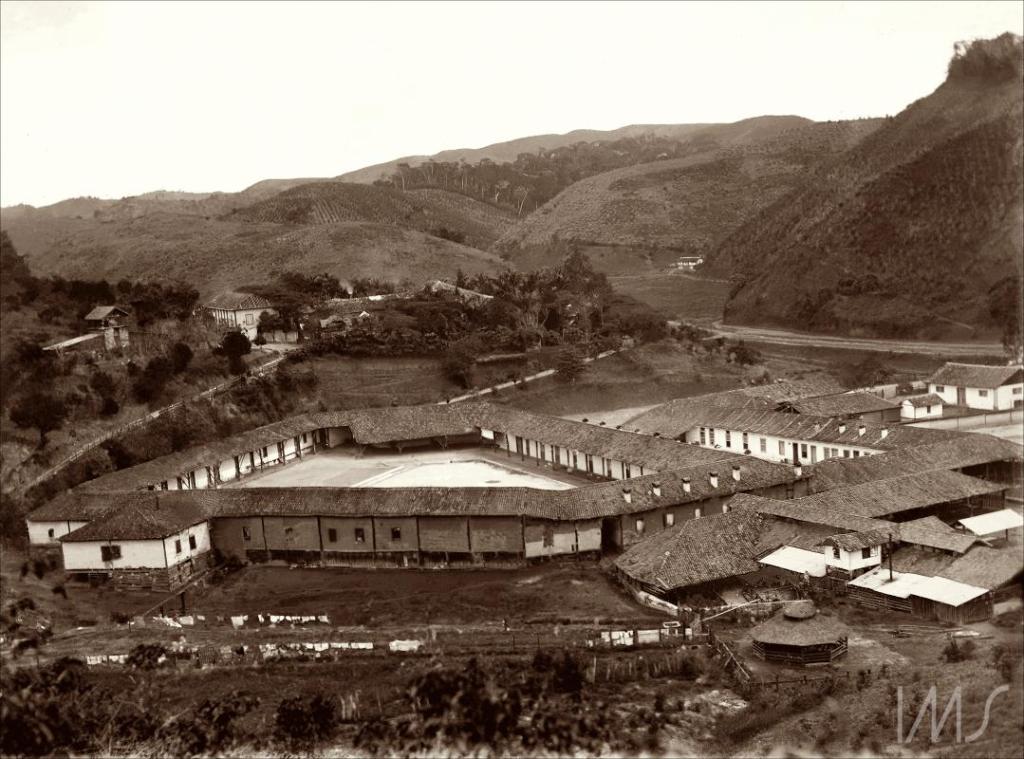
The station was named after the Portuguese coffee baron Manuel Antonio Esteves (1813-1879), whose Fazenda Santo Antonio do Paiol now belongs to a Catholic order of priests. Manuel Esteves not only had his railway station built, but also financed the construction of the railway line.

Manuel Antonio Esteves (unknown artist)
Fazenda Santo Antonio do Paiol, around 1885 (Photo: Marc Ferrez, Instituto Moreira Salles)

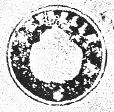
As Paulo Novaes writes on agenciaspostais.com.br, there was a post office at the railway station from October 1871. The oldest postmark is ERJ-0520a, also known from P. Ayres Catálogo de Carimbos Brasil-Império (S. Paulo, 1937, 1942) under no. 1297:

ERJ-0520a (P.A. 1297) 1871-1878

This was followed by ERJ-0520b (Abb. Márcio Duarte):

ERJ-0520b (MD) 1881-1894

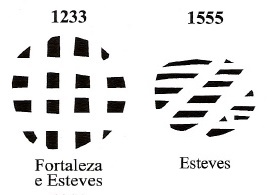
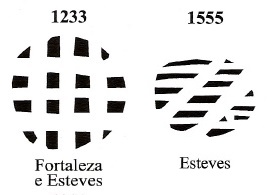
In Mute Cancellations of the Brazil Empire / Carimbos Mudos do Brasil Império (Brazil Philatelic Association, Rio de Janeiro, 2000), James Dingler and Klerman W. Lopes have also presented two mute cancellations of the station post office under the numbers 1233 and 1555:

BPA 1233 (1881) – 1555
Estações (…) do Rio de Janeiro, São Paulo e Minas Geraes, 1880

Der Bahnhof Esteves wurde im Mai 1871 von der Eisenbahngesellschaft E.F. União Valenciana (Abzweig Jacutinga) eröffnet und liegt in der Region Vila de Valença, 150 km nordwestlich der Hauptstadt Rio de Janeiro. Die Strecke gehörte von 1910 bis zu ihrer Stilllegung 1970 der E.F. Central do Brasil (estacoesferroviarias.com.br).

Benannt wurde der Bahnhof nach dem portugiesischen Kaffeebaron Manuel Antonio Esteves (1813-1879), dessen Fazenda Santo Antonio do Paiol heute einem katholischen Priesterorden gehört. Manuel Esteves ließ nicht nur seinen Bahnhof bauen, sondern finanzierte auch den Bau der Eisenbahnstrecke.

Manuel Antonio Esteves (unbekannter Künstler)
Fazenda Santo Antonio do Paiol, um 1885 (Foto: Marc Ferrez, Instituto Moreira Salles)

Wie Paulo Novaes auf agenciaspostais.com.br schreibt, gab es ab Oktober 1871 ein Postamt am Bahnhof. Der älteste Poststempel ist ERJ-0520a, auch bekannt durch P. Ayres Catálogo de Carimbos Brasil-Império (S. Paulo, 1937, 1942) mit Nr. 1297:

ERJ-0520a (P.A. 1297) 1871-1878

Es folgte ERJ-0520b (Abb. Márcio Duarte):

ERJ-0520b (MD) 1881-1894

James Dingler und Klerman W. Lopes haben in Mute Cancellations of the Brazil Empire / Carimbos Mudos do Brasil Império (Brazil Philatelic Association, Rio de Janeiro, 2000) unter den Nummern 1233 und 1555 auch zwei stumme Abstempelungen des Bahnhofspostamtes vorgestellt:

BPA 1233 (1881) – 1555
Categories
Carimbologia E-G

Estação Central (Central Station/Hauptbahnhof) E.F. Dom Pedro II, Município Neutro (EMN-0025)

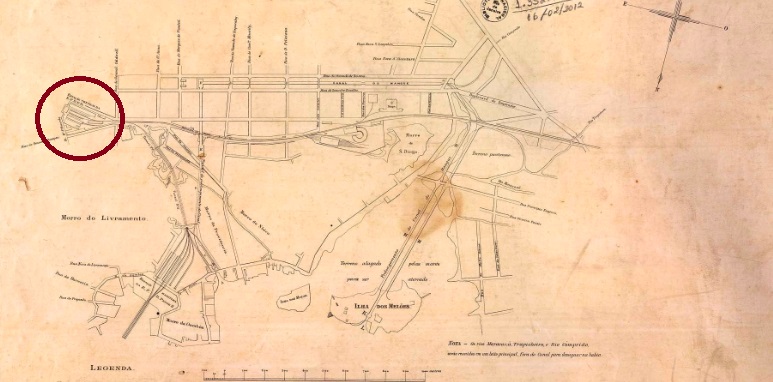
Mappa do Municipio Neutro, ca. 1880

Other names: Estação do Campo de Sant’Anna/da Aclamação, Estação da Corte, Dom Pedro II (1925)

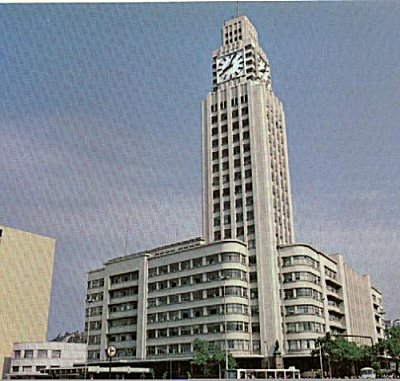
The main station of Brazil’s most important railway line in the 19th century was inaugurated in March 1858 by the E.F. D. Pedro II and was located on the Campo de Aclamação field, relatively close to Rio de Janeiro’s city centre. After the republican military coup in 1889, the railway line was renamed E.F. Central do Brasil. From 1925, the station was called Estação D. Pedro II, but the population simply continued to call it Estação Central. The line became the property of Rede Ferroviária Federal S.A. in 1975 and has been operated by the Supervia consortium since 1997.

Ca. 1870 (Biblioteca Nacional)
In 2003 (Photo NN, on estacoesferroviarias.com.br)

As Paulo Novaes reports in agenciaspostais.com.br, there had been a post office at the station since August 1869, which operated under the name Estação Central from November 1889. To avoid duplicate code numbers for the same postmarks, the numbers used here are the same from the Carimbologia book on provincial administrations (ArGe-Brasilien, Lohmar, 2023).

The oldest cancel is RJA-0020 (fig. R. Koester, in Carimbologia XVIII):

RJA-0020 (RK) 1869ff

The Correio Urbano postmark RJU-0014 (P.A. 1029), known from Paulo Ayres’ Catálogo de Carimbos Brasil-Império (S. Paulo, 1937, 1942) with no. 1029, was also used at about the same time.

RJU-0014 (P.A. 1029) 1869ff-1870ff

This was followed by RJA-0021 (fig. P. Novaes, op. cit.):

RJA-0021 (PN) 1876ff-1883ff

This was followed by the previously unknown EMN-0025a (fig. Koester-Novaes):

EMN-0025a (RK-PN) 1885

Towards the end of the Empire, two more postmarks appeared as double circles: RJA-0022 (ill. José A. Junges) and RJA-0023 (ill. Fuad Ferreira Fo.):

RJA-0022 (JJ) 1886-1889
RJA-0023 (FF) 1888-1889
Biblioteca Nacional

Andere Namen: Estação do Campo de Sant’Anna/da Aclamação, Estação da Corte, Dom Pedro II (1925)

Der Hauptbahnhof der wichtigsten Eisenbahnlinie Brasiliens im 19. Jahrhundert wurde im März 1858 von der E.F. D. Pedro II. eingeweiht und lag auf dem Feld Campo de Aclamação, relativ nahe am Stadtzentrum von Rio de Janeiro. Nach dem republikanischen Militärputsch 1889 wurde die Bahnlinie in E.F. Central do Brasil umbenannt. Ab 1925 hieß der Bahnhof Estação D. Pedro II, aber die Bevölkerung nannte ihn einfach weiterhin Estação Central. Die Strecke ging 1975 in den Besitz der Rede Ferroviária Federal S.A. über und wird seit 1997 vom Konsortium Supervia betrieben.

Ca. 1870 (Biblioteca Nacional)
2003 (Foto NN, auf estacoesferroviarias.com.br)

Wie Paulo Novaes in agenciaspostais.com.br berichtet, gab es seit August 1869 ein Postamt am Bahnhof, das ab November 1889 unter dem Namen Estação Central firmierte. Um doppelte Codenummern bei den Poststempeln zu vermeiden, werden hier die Nummern übernommen, wie sie im Carimbologia-Buch der Postverwaltungen in den Provinzen verwendet wurden (ArGe-Brasilien, Lohmar, 2023).

Der älteste Stempel ist RJA-0020 (Abb. R. Koester, in Carimbologia XVIII):

RJA-0020 (RK) 1869ff

Etwa zur gleichen Zeit wurde auch der Poststempel des Correio Urbano RJU-0014 (P.A. 1029) verwendet, bekannt durch Paulo Ayres‘ Catálogo de Carimbos Brasil-Império (S. Paulo, 1937, 1942) mit Nr. 1029.

RJU-0014 (P.A. 1029) 1869ff-1870ff

Es folgte RJA-0021 (Abb. P. Novaes, op. cit.):

RJA-0021 (PN) 1876ff-1883ff

Es folgte der bisher unbekannte EMN-0025a (Abb. Koester-Novaes):

EMN-0025a (RK-PN) 1885

Gegen Ende des Kaiserreichs erschienen noch zwei weitere Poststempel als Doppelkreise: RJA-0022 (Abb. José A. Junges) und RJA-0023 (Abb. Fuad Ferreira Fo.):

RJA-0022 (JJ) 1886-1889
RJA-0023 (FF) 1888-1889
Categories
Carimbologia E-G

Estação Central (Central Station/Hauptbahnhof) E.F. Carangola, Rio de Janeiro (ERJ-0490)

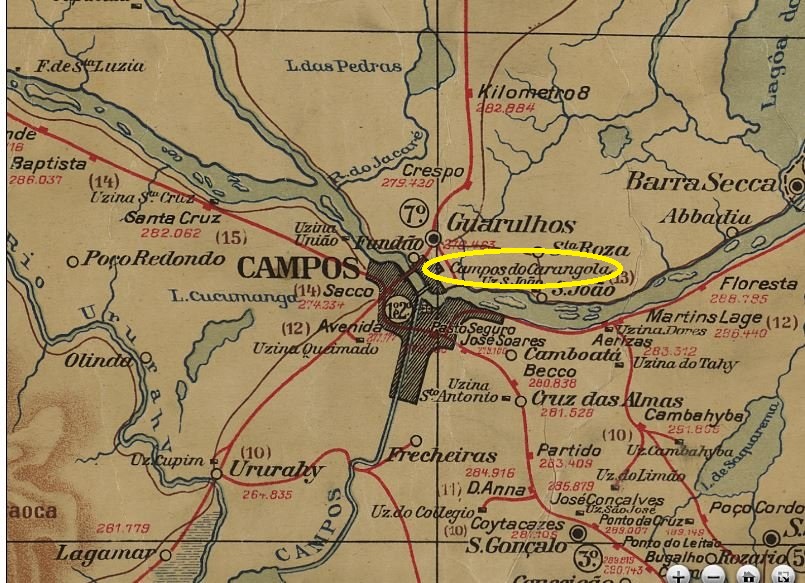
Municipio de Campos, 1922 (estacoesferroviarias.com.br)

Other names: Campos do Carangola

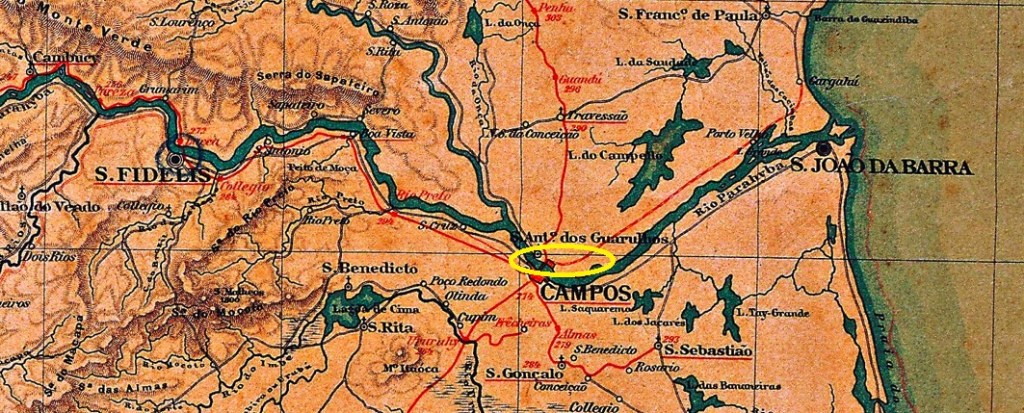
The main station of the E.F. Carangola was inaugurated around September 1877 and was located on the north bank of the Paraíba do Sul on the outskirts of Campos, 280 km north-east of the capital Rio de Janeiro. The line became the property of the company E.F. Barão de Araruama in 1890, which sold it to the company E.F. Leopoldina in the same year. From 1975 until the line was closed in 1996, it belonged to Rede Ferroviária Federal S.A. (estacoesferroviarias.com.br).

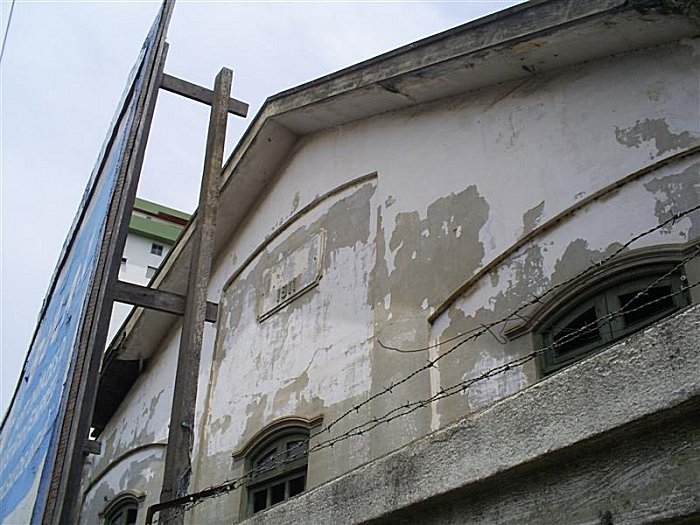
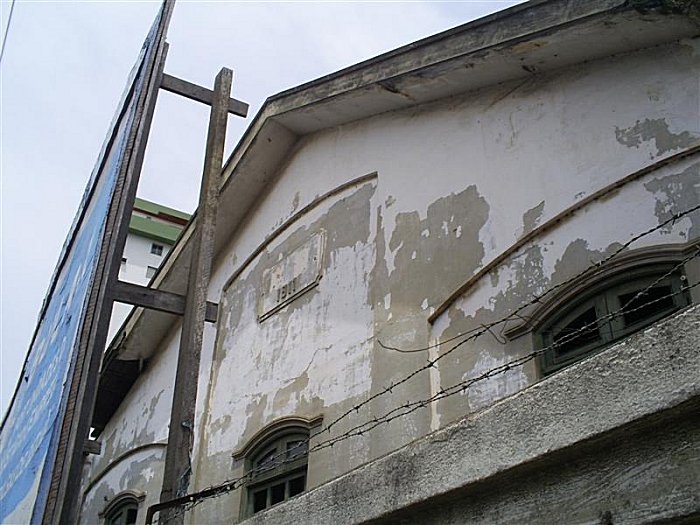
Presumably, after the inauguration of the railway bridge over the Paraíba do Sul in 1907, the main station was converted into a cargo station of the E.F. Leopoldina and the station on the south bank became responsible for passenger traffic. This hypothesis is supported by the year 1911 on the now abandoned cargo station building.

In October 2010 (Photo: Eduardo Moreira, on estacoesferroviarias.com.br)

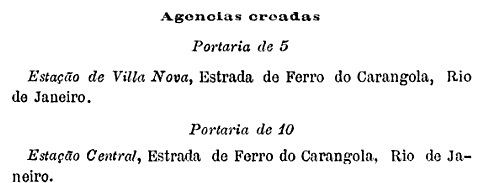
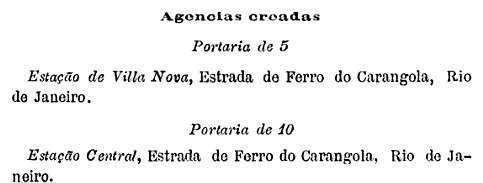
In September 1889, a station post office was opened, as can be seen from the postal bulletin (Boletim Postal) no. 6 of the following month:

Boletim Postal No. 6, October 1889

No imperial postmark from this post office has ever been seen before, so it must be rare.

Almanak Laemmert, 1892

Andere Namen: Campos do Carangola

Der Hauptbahnhof der E.F. Carangola wurde um September 1877 eingeweiht und lag am Nordufer des Paraíba do Sul am Stadtrand von Campos, 280 km nordöstlich der Hauptstadt Rio de Janeiro. Die Strecke ging 1890 in den Besitz der Firma E.F. Barão de Araruama über, die sie im selben Jahr an die Firma E.F. Leopoldina verkaufte. Von 1975 bis zur Stilllegung der Strecke 1996 gehörte sie der Rede Ferroviária Federal S.A. (estacoesferroviarias.com.br).

Vermutlich wurde der Hauptbahnhof nach der Einweihung der Eisenbahnbrücke über den Paraíba do Sul 1907 in einen Güterbahnhof der E.F. Leopoldina umgewandelt und der Bahnhof am Südufer für den Personenverkehr zuständig. Diese Hypothese wird durch die Jahreszahl 1911 auf dem heute verlassenen Güterbahnhofsgebäude gestützt.

Im Oktober 2010 (Foto: Eduardo Moreira, auf estacoesferroviarias.com.br)

Im September 1889 wurde ein Bahnhofspostamt eröffnet, wie aus dem Postbulletin (Boletim Postal) Nr. 6 des Folgemonats hervorgeht:

Boletim Postal Nr. 6, Oktober 1889

Bisher wurde noch kein kaiserlicher Poststempel von diesem Bahnhof gesehen, es muss sich also um einen seltenen Stempel handeln.

Categories
Carimbologia E-G

Estancia, Sergipe (ESE-0070)

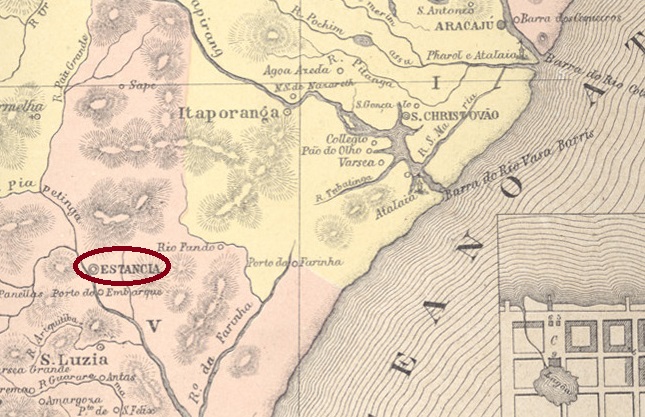
Atlas do Imperio do Brasil, 1868

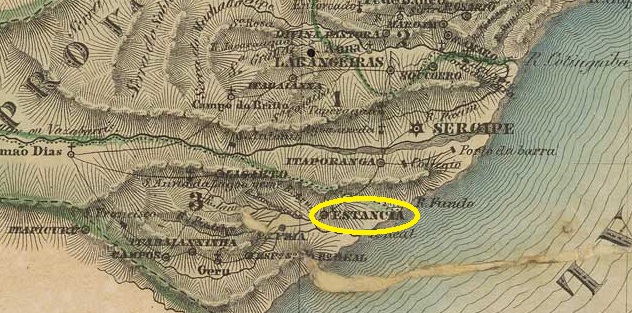
The original settlement called N. Sra. de Guadelupe has been known since April 1757. It belonged to the Vila de Sta. Luzia do Real and was located on the north bank of the Piauí, 80 kilometres southwest of the later provincial capital of Aracaju. In October 1831 it became the Freguesia e Vila Constitucional da Estancia and in May 1848 it was elevated to the status of a town.

Both Nova Monteiro (Administrações e Agencias Postaes do Brasil Imperio, in Brasil Filatelico/RJ, 1934-5; reprint SPP 1994-1999) and R. Koester (Carimbologia XVIII) write that there had been a post office there since December 1844. The directory of imperial post offices (Tabella das Agencias do Correio do Imperio, Rio de Janeiro, 1885) gives here the year 1845, which perhaps indicates that the agency was then set in operation.

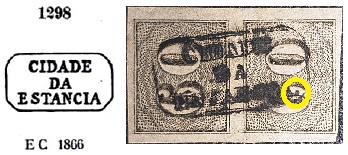
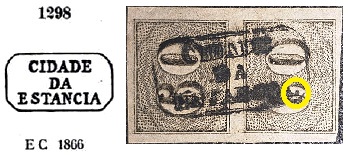
Here we can be relatively certain that the first postmark is missing, as the oldest ESE-0070b to date bears the inscription Cidade (city) and was therefore used in 1848 at the earliest. It bears the no. 1298 in P. Ayres’ Catálogo de Carimbos Brasil-Império (S. Paulo, 1937, 1942), but the dot after ESTANCIA is here missing, as can be seen in the other illustration (image: F. Piccinini):

ESE-0070b (P.A. 1298 /recte FP) 1850ff-1876ff

R. Koester (op. cit.) also shows the French type ESE-0070c:

ESE-0070c (MPT 393, RK)

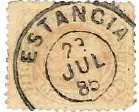
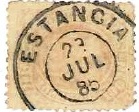
ESE-0070d (image from the Internet) was also used about the same time:

ESE-0070d (EB) 1877-1894
Villiers de l’Ile Adam: Carta (…) das Provincias de Pernambuco, Alagoas e Sergipe, 1848

Die ursprüngliche Siedlung N. Sra. de Guadelupe ist seit April 1757 bekannt, sie gehörte zur Vila de Sta. Luzia do Real und lag am Nordufer des Piauí, 80 km südwestlich der späteren Provinzhauptstadt Aracaju. Im Oktober 1831 wurde es zur Freguesia e Vila Constitucional da Estancia und im Mai 1848 zur Stadt erhoben.

Sowohl Nova Monteiro (Administrações e Agencias Postaes do Brasil Imperio, in Brasil Filatelico/RJ, 1934-5; Reprint SPP 1994-1999) als auch R. Koester (Carimbologia XVIII) schreiben, dass es dort seit Dezember 1844 ein Postamt gab. Das Verzeichnis der kaiserlichen Postämter (Tabella das Agencias do Correio do Imperio, Rio de Janeiro, 1885) gibt hier das Jahr 1845 an, was vielleicht auf die Inbetriebnahme der Agentur hinweist.

Hier können wir relativ sicher sein, dass der erste Poststempel fehlt, da der bisher älteste ESE-0070b die Aufschrift Cidade (Stadt) trägt und somit frühestens 1848 verwendet wurde. Er trägt die Nr. 1298 in P. Ayres‘ Catálogo de Carimbos Brasil-Império (S. Paulo, 1937, 1942), aber der Punkt nach ESTANCIA fehlt hier, wie auf der anderen Abbildung zu sehen ist (Foto: F. Piccinini):

ESE-0070b (P.A. 1298 /recte FP) 1850ff-1876ff

R. Koester (op. cit.) zeigt hier auch den französischen Typ ESE-0070c:

ESE-0070c (MPT 393, RK)

Parallel dazu wurde auch ESE-0070d (Bild aus dem Internet) verwendet:

ESE-0070d (EB) 1877-1894
Categories
Carimbologia E-G

Estallo (train station/Bahnhof), Rio de Janeiro (ERJ-0505)

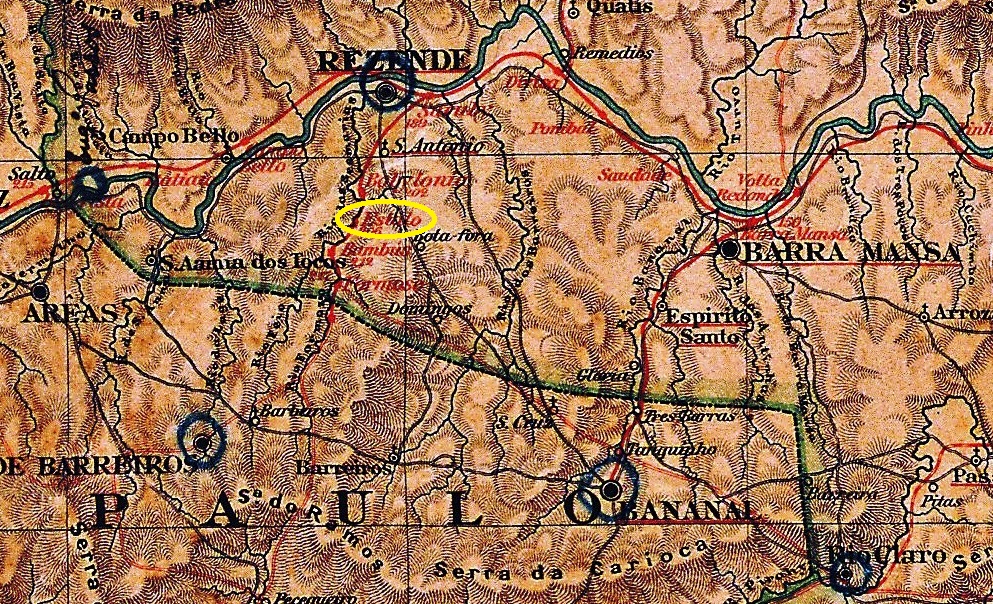
Estações (…) do Rio de Janeiro, São Paulo e Minas Geraes, 1880

Text update on August 16, 2024

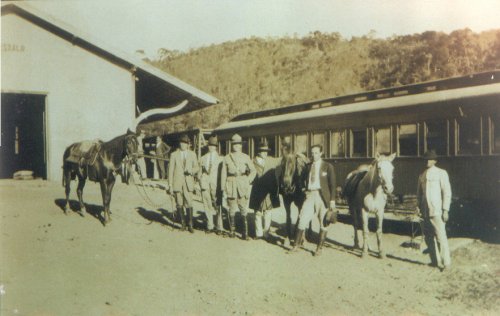
Estallo station was opened in November 1877 by the railway company E.F. de Resende a Areias (later E.F. de Resende a Bocaína) on the east bank of the river Sesmaria in the Município Resende, 180 km west of the capital Rio de Janeiro. The railway line was closed in 1928 and today both the station building and the tracks have disappeared (estacoesferroviarias.com.br).

Early 20th century (Photo: NN, on estacoesferroviarias.com.br)

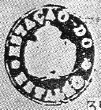
As Paulo Novaes writes on agenciaspostais.com.br, there had been a post office at the station since July 1878. The first postmark is ERJ-0505a, which was given the number 1296 by P. Ayres in the Catálogo de Carimbos Brasil-Império (S. Paulo, 1937, 1942):

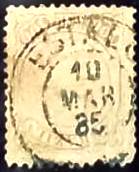
ERJ-0505a (P.A. 1296) 1878ff

It was followed by the French type ERJ-0505b, of which unfortunately the illustration is missing.  ERJ-0505c from the Fuad Ferreira Fo. collection has since appeared:

ERJ-0505c (FF) 1885

Towards the end of the Empire, ERJ-0505d (ill. R. Koester on Carimbologia XVIII) was also used:

ERJ-0505d (RK) 1886-1889

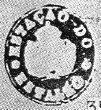
R. Koester (op. cit.) also shows the cancel with the imperial seal ERJ-0505e:

ERJ-0505e (RK)

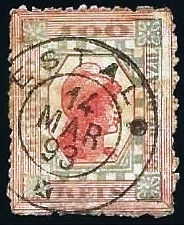
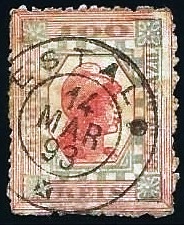
The following ERJ-0505f (ill. agenciaspostais.com.br) is probably already republican:

ERJ-0505f (PN) 1893
Almanak Laemmert, 1892

Textaktualisierung am 16. August 2024

Der Bahnhof Estallo wurde im November 1877 von der Eisenbahngesellschaft E.F. de Resende a Areias (später E.F. de Resende a Bocaína) eröffnet und lag am Ostufer des Flusses Sesmaria im Município Resende, 180 km westlich der Hauptstadt Rio de Janeiro. Die Bahnlinie wurde 1928 stillgelegt, heute sind sowohl das Bahnhofsgebäude als auch die Gleise verschwunden (estacoesferroviarias.com.br).

Anfang des 20. Jahrhunderts (Foto: NN, auf estacoesferroviarias.com.br)

Wie Paulo Novaes auf agenciaspostais.com.br schreibt, gab es ein Postamt am Bahnhof seit Juli 1878. Der erste Poststempel ist ERJ-0505a, der die Nr. 1296 von P. Ayres im Catálogo de Carimbos Brasil-Império (S. Paulo, 1937, 1942) erhielt:

ERJ-0505a (P.A. 1296) 1878ff

Es folgte der französische Typ ERJ-0505b, von dem leider die Abbildung noch fehlt.  Aus der Sammlung Fuad Ferreira Fo. erschien inzwischen ERJ-0505c:

ERJ-0505c (FF) 1885

Gegen Ende des Kaiserreichs kam auch ERJ-0505d (Abb. R. Koester auf Carimbologia XVIII):

ERJ-0505d (RK) 1886-1889

R. Koester (op. cit.) zeigt auch den Stempel mit dem kaiserlichen Siegel ERJ-0505e:

ERJ-0505e (RK)

Der folgende ERJ-0505f (Abb. agenciaspostais.com.br) dürfte bereits republikanisch sein:

ERJ-0505f (PN) 1893