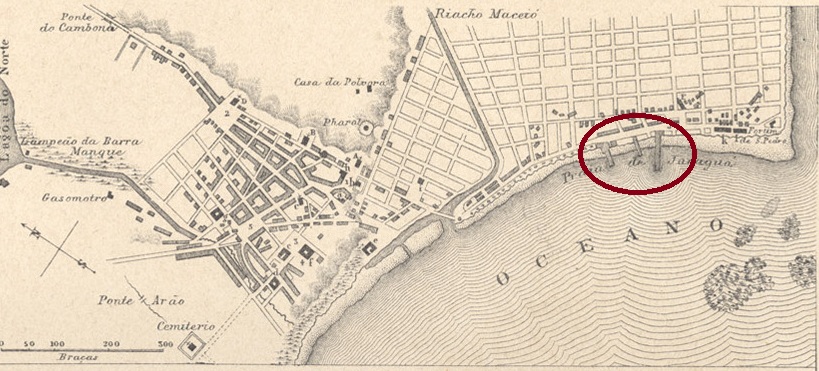
The Tupi word ‘Jaraguá’ means ‘Bay of the Canoes’ and, since the 16th century, has referred to a beach and a harbour four kilometres south-east of what is now the centre of Maceió. The settlement that developed there became the Freguesia de Nossa Senhora Mãe do Povo de Jaraguá in July 1821 and was then part of the Vila de Alagoas (now Deodoro). By the time Maceió became the provincial capital in December 1839, the histories of the Freguesia de Jaraguá and the nearby town had become intertwined, as the harbour made a decisive contribution to the prosperity of the entire province. Since March 1938, Jaraguá has been a historic district of Maceió.
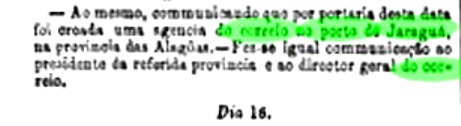
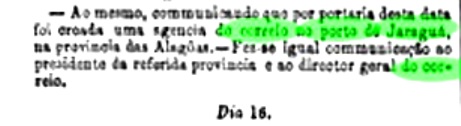
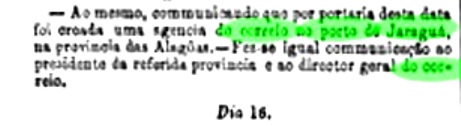
As recorded in the minutes of the Imperial Ministry, the post office at the port of Jaraguá was established in November 1859:
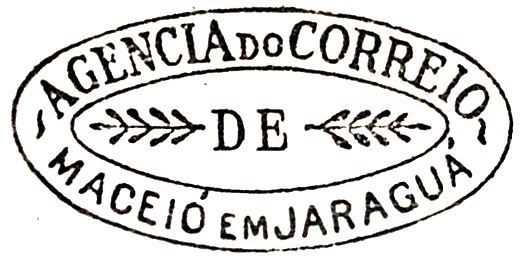
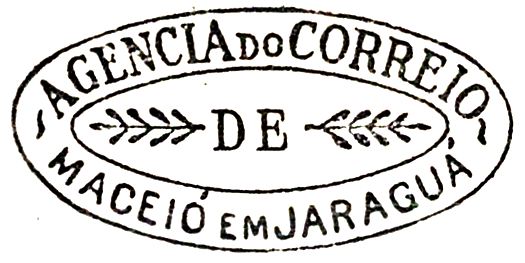
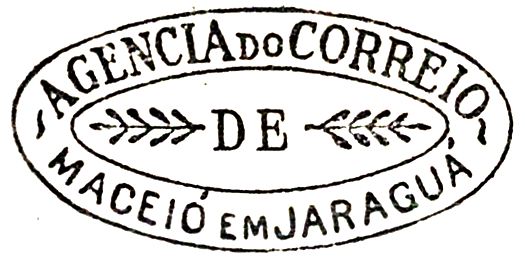
As they were also valid for the provincial capital, Maceió, all postmarks from the port of Jaraguá were already featured in the 2023 volume of Carimbologia. This overview shows only those postmarks that have a direct connection to the port, starting with MAL-0105b, which was assigned No. 1345 by P. Ayres in Catálogo de Carimbos Brasil-Império (São Paulo, 1937, 1942):
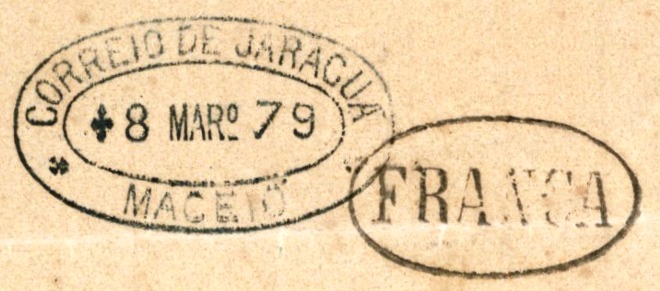
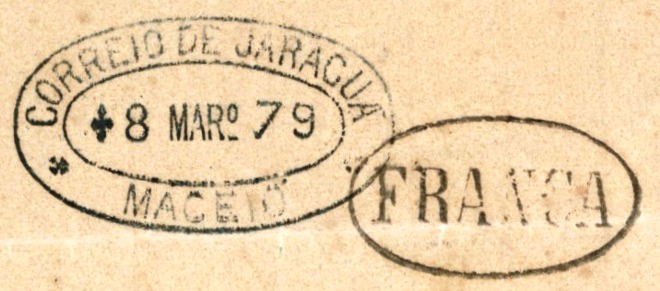
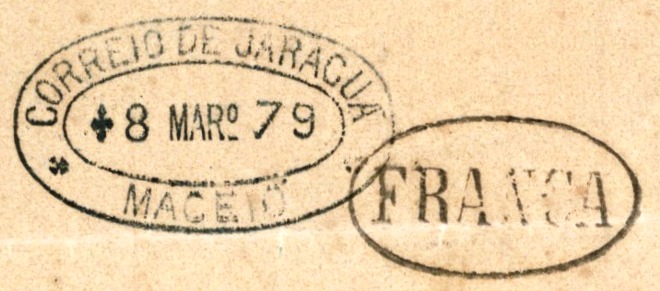
This was followed by MAL-0105d (illustration by Felipe Piccinini):
This was followed by PAL-0325a (fig. Felipe Piccinini):
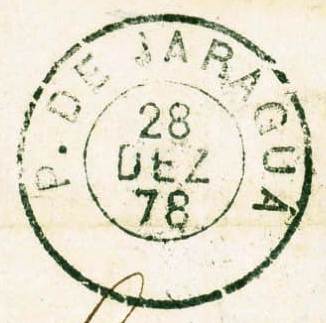
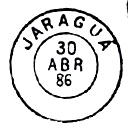
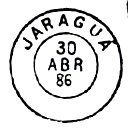
The last imperial postmark is JAL-0090a, also illustrated by P. Ayres (op. cit.):
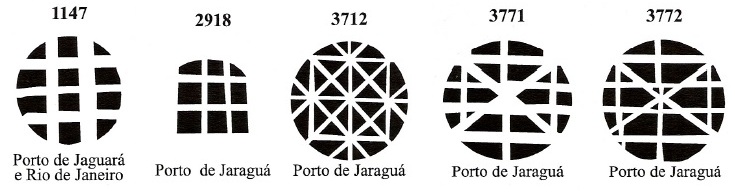
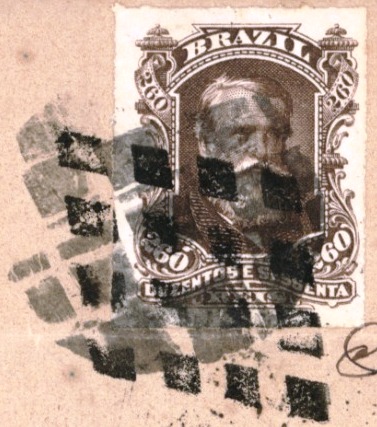
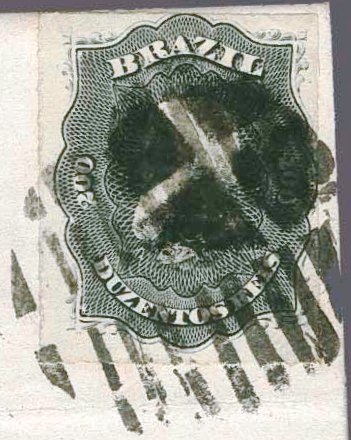
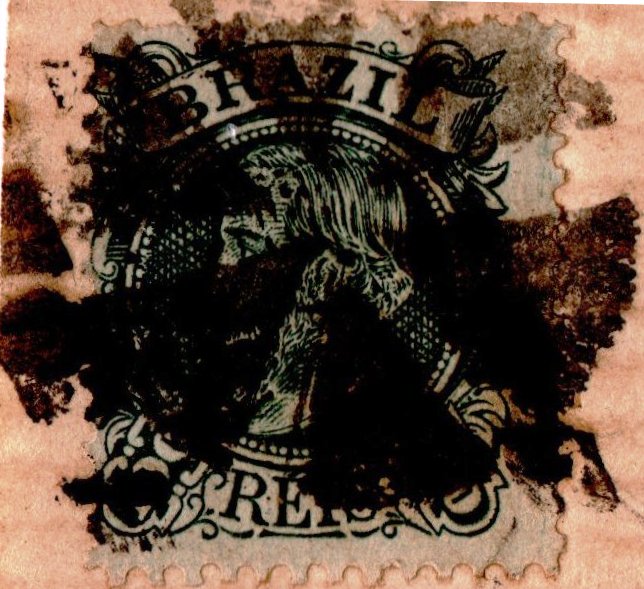
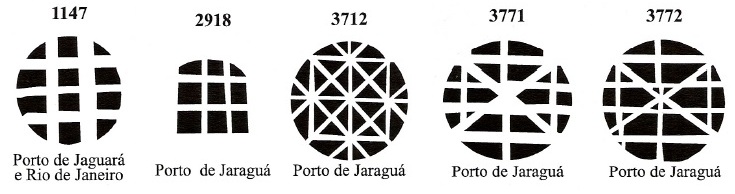
James Dingler and Klerman W. Lopes have listed five mute postmarks from Porto de Jaraguá in Mute Cancellations of the Brazil Empire / Carimbos Mudos do Brasil Império (Brazil Philatelic Association, Rio de Janeiro, 2000):
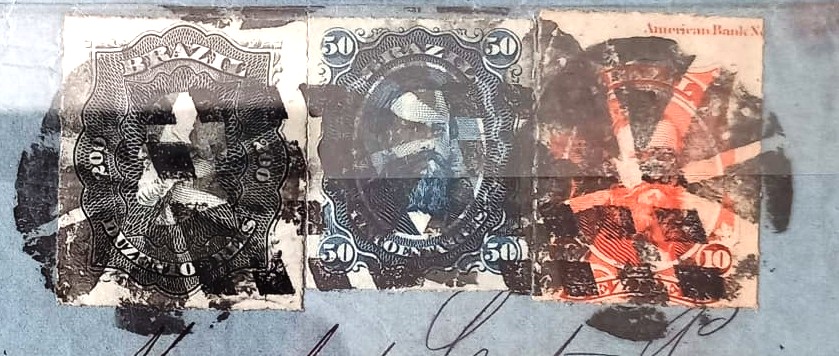
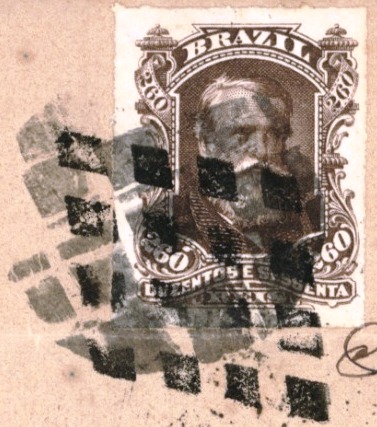
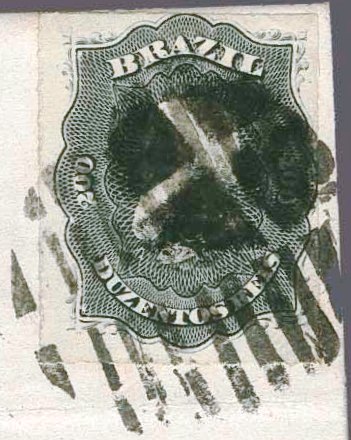
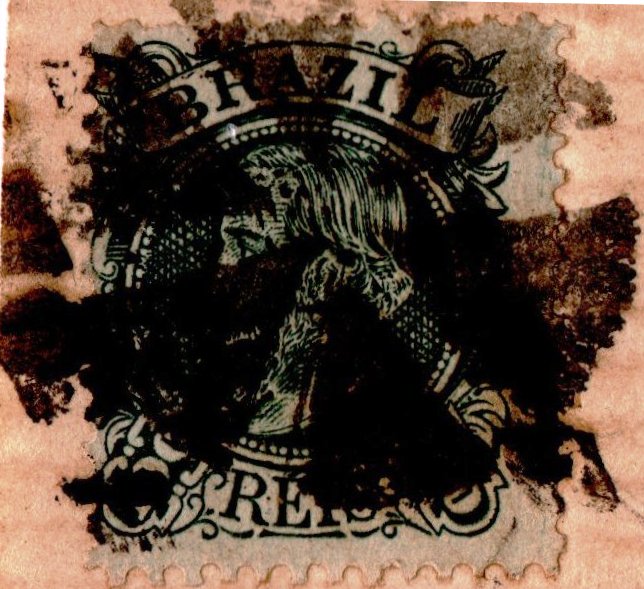
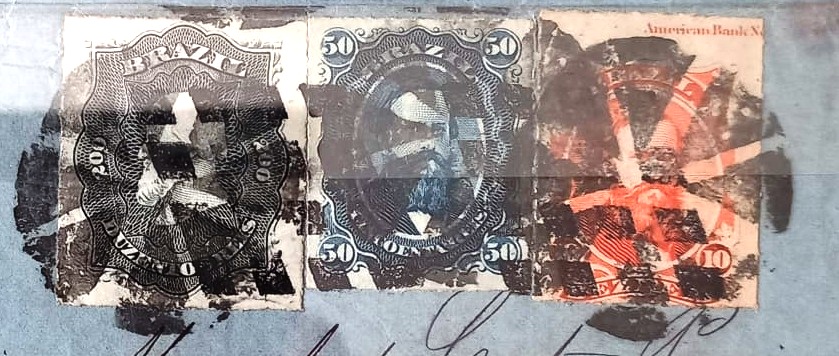
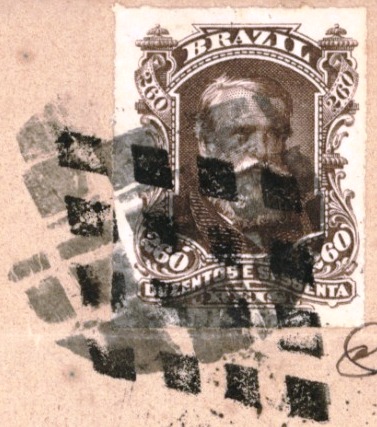
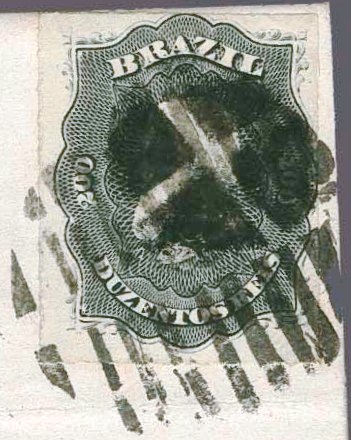
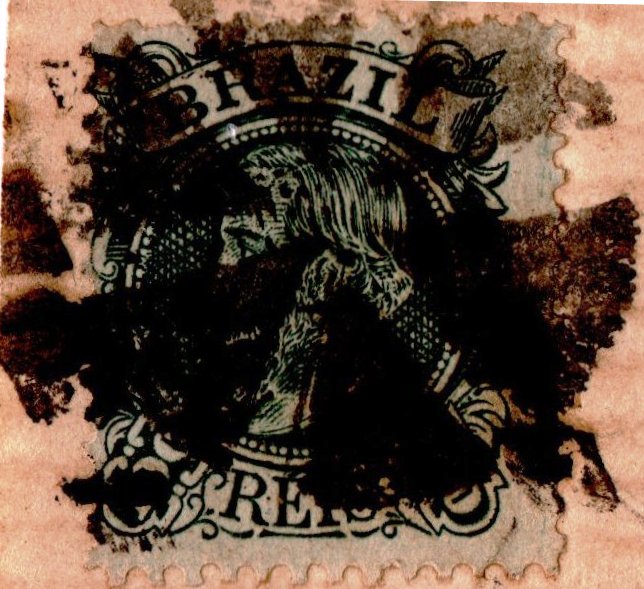
Further illustrations of silent postmarks from there were submitted by Fuad Ferreira Fo., Felipe Piccinini, Corinphila Auctions, José A. Junges and Luiz C. Fritzen:
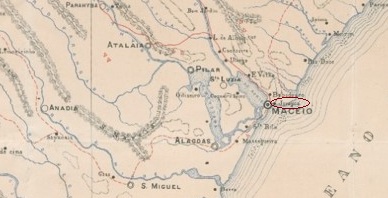
A palavra tupi “Jaraguá” significa “baía das canoas” e, desde o século XVI, designava uma praia e um porto, localizados quatro quilômetros a sudeste do atual centro da cidade de Maceió. O povoado que ali surgiu foi elevado, em julho de 1821, à Freguesia de Nossa Senhora Mãe do Povo de Jaraguá e, na época, fazia parte da Vila de Alagoas (hoje Deodoro). O mais tardar quando Maceió se tornou capital provincial, em dezembro de 1839, as histórias da Freguesia de Jaraguá e da cidade vizinha se entrelaçaram, já que o porto contribuiu de forma decisiva para a prosperidade de toda a província. Desde março de 1938, Jaraguá é um bairro histórico de Maceió.
Conforme consta na ata do Ministério do Império, a agência dos correios do porto de Jaraguá foi criada em novembro de 1859:
Como também se aplicavam à capital provincial, Maceió, todos os carimbos postais do porto de Jaraguá já foram apresentados no volume Carimbologia, de 2023. Nesta resenha, são apresentados apenas os carimbos postais que apresentam referência direta ao porto, começando pelo MAL-0105b, ao qual P. Ayres atribuiu o nº 1345 no Catálogo de Carimbos Brasil-Império (São Paulo, 1937, 1942):
Seguiu-se o MAL-0105d (ilustração de Felipe Piccinini):
Em seguida, surgiu o PAL-0325a (fig. Felipe Piccinini):
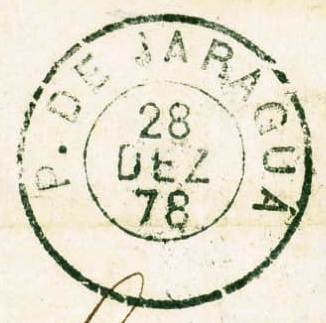
O último carimbo postal imperial é o JAL-0090a, também ilustrado por P. Ayres (op. cit.):
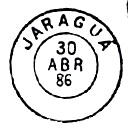
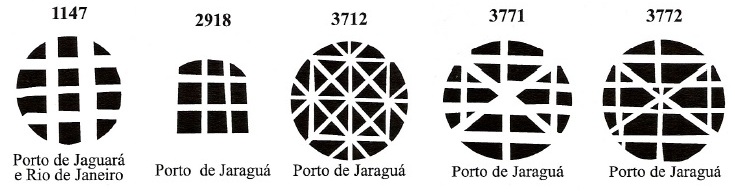
James Dingler e Klerman W. Lopes listaram, em Mute Cancellations of the Brazil Empire / Carimbos Mudos do Brasil Império (Clube Filatélico do Brasil, Rio de Janeiro, 2000), cinco carimbos postais mudos de Porto de Jaraguá:
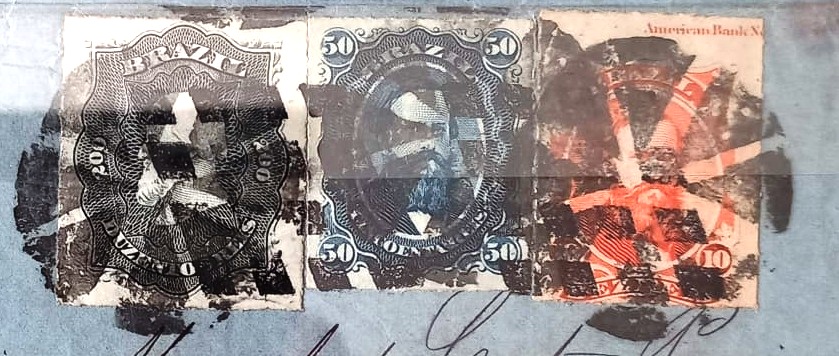
Outras imagens de carimbos mudos daquela localidade foram enviadas por Fuad Ferreira Fo., Felipe Piccinini, Leilões Corinphila, José A. Junges e Luiz C. Fritzen:
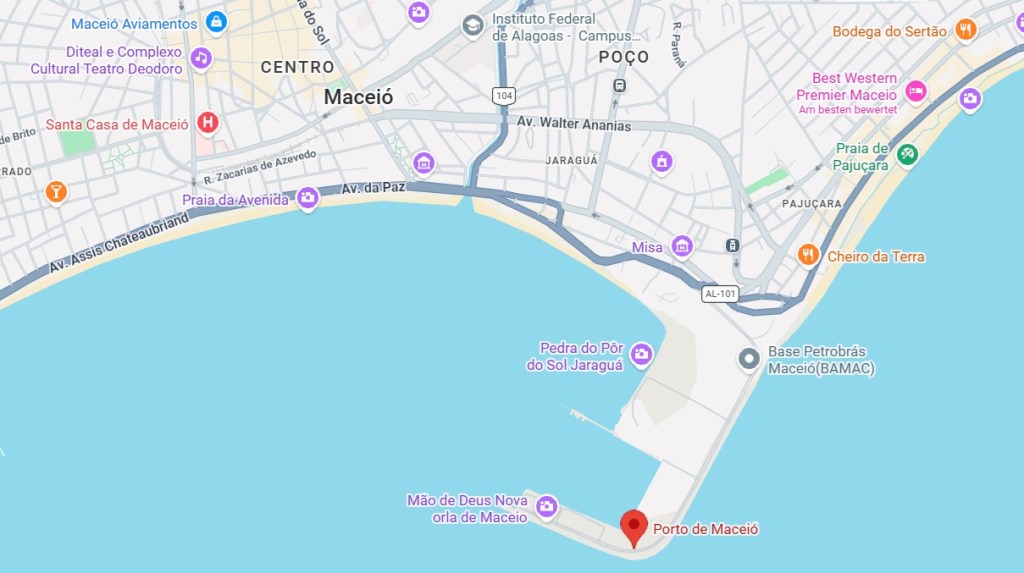
Das Tupi-Wort „Jaraguá” bedeutet „Bucht der Kanus” und bezeichnete seit dem 16. Jahrhundert einen Strand, vier Kilometer südöstlich der heutigen Stadtmitte von Maceió, der als Hafen genutzt wurde. Die dort entstandene Siedlung wurde im Juli 1821 zur Freguesia de Nossa Senhora Mãe do Povo de Jaraguá und war damals der Vila de Alagoas (heute Deodoro) zugehörig. Spätestens als Maceió im Dezember 1839 Provinzhauptstadt wurde, vermischten sich die Geschichten der Freguesia de Jaraguá und der nahe gelegenen Stadt, da der Hafen entscheidend zum Wohlstand der gesamten Provinz beitrug. Seit März 1938 ist Jaraguá ein historischer Stadtteil Maceiós.
Wie aus dem Protokoll des Imperialministeriums hervorgeht, wurde das Postamt am Hafen von Jaraguá im November 1859 ins Leben gerufen:
Da sie auch für die Provinzhauptstadt Maceió galten, wurden alle Poststempel des Hafens von Jaraguá bereits im Band Carimbologia aus dem Jahr 2023 gezeigt. In dieser Übersicht sind nur die Poststempel zu sehen, die einen direkten Bezug zum Hafen aufweisen, beginnend mit MAL-0105b, der von P. Ayres in Catálogo de Carimbos Brasil-Império (São Paulo, 1937, 1942) die Nr. 1345 erhielt:
Es folgte MAL-0105d (Abb. Felipe Piccinini):
Danach kam PAL-0325a (Abb. Felipe Piccinini):
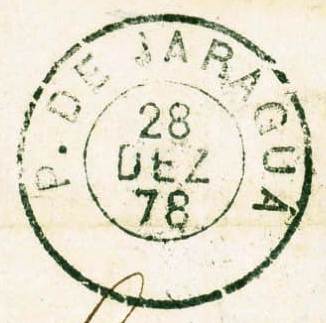
Der letzte kaiserliche Poststempel ist JAL-0090a ebenfalls von P. Ayres (op. cit.) abgebildet:
James Dingler und Klerman W. Lopes haben in Mute Cancellations of the Brazil Empire / Carimbos Mudos do Brasil Império (Brazil Philatelic Association, Rio de Janeiro, 2000) fünf stumme Poststempel aus Porto de Jaraguá aufgeführt:
Weitere Abbildungen von stummen Stempeln von dort wurden von Fuad Ferreira Fo., Felipe Piccinini, Corinphila Auktionen, José A. Junges und Luiz C. Fritzen eingereicht: