Categories
Carimbologia H-L

Ipojuca (IPE-0320) – Ipojuca (train station/Bahnhof), Pernambuco (IPE-0325)

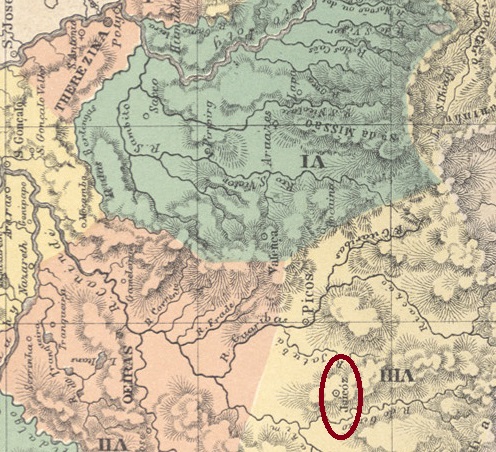
Atlas do Imperio do Brasil, 1868

Other names: Estação Mercês

This place in the province of Pernambuco has a strange history, because strictly speaking it is two places. The Freguesia de N. Sra. do Ó de Ipojuca is said to have been founded around 1600 near the south bank of the Ipojuca, over 50 kilometres south of the later provincial capital Recife. From July 1811 it belonged to the Vila do Cabo, in May 1861 it became a Vila and in June 1896 a town. However, there was also the settlement of S. Miguel do Ipojuca on the north bank of the river, which experienced a rapid upswing due to its proximity to the railway line. Subsequently, the seat of the Vila de Ipojuca changed several times between S. Miguel and N. Sra. do Ó until S. Miguel finally prevailed. The word Ipojuca comes from the Tupi-guarani and means dark, dammed water.

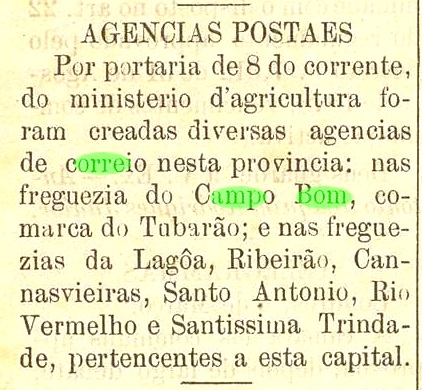
The regional press reports that there had been a post office in the villa since September 1854:

Diario de Pernambuco, 07/10/1854

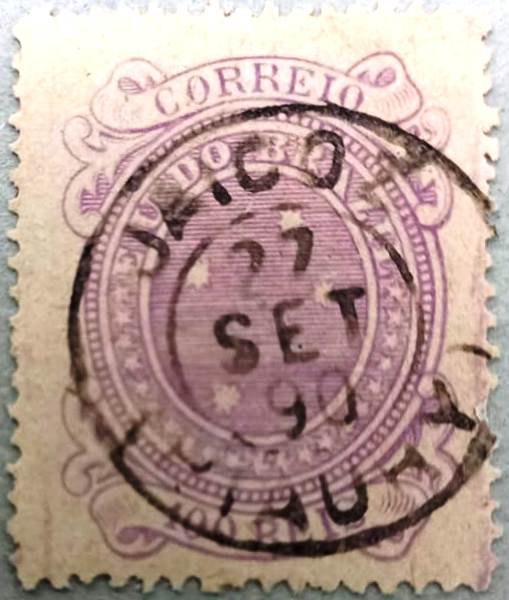
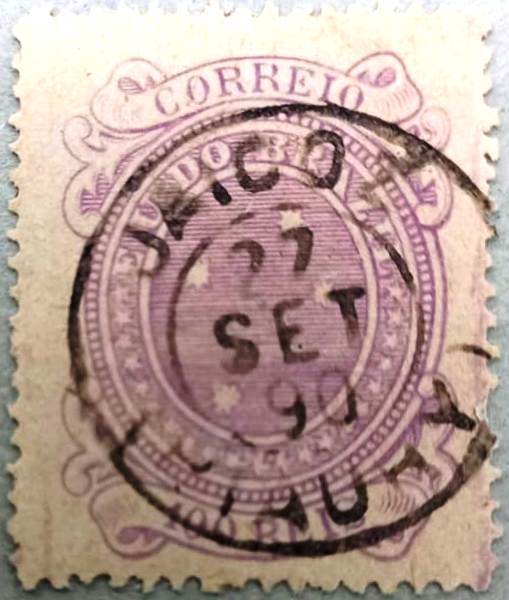
The first postmark has not yet been found. The French type IPE-0320b is known (fig. R. Koester in Carimbologia XXII)

IPE-0320b (RK) 1890

Ipojuca station was opened in November 1860 by the railway company E.F. Recife ao S. Francisco. The railway line was transferred to Great Western in 1901 and to Rede Ferroviária do Nordeste in 1950. From 1975 to 1996 it belonged to Rede Ferroviária Federal S.A. (estacoesferroviarias.com.br). Sometime around 1920, the station was renamed Mercês after a sugar factory. Today the tracks are still there, but the station building has long since been demolished.

Around 1950 (on estacoesferroviarias.com.br)
In May 2021 (photo: Rodrigo Henrique, on estacoesferroviarias.com.br)

As reported in the Rio press, the decision to set up a post office at the railway station was already made in December 1864:

Constitucional/RJ, 24/12/1864

However, the post office was probably not opened until September 1874, according to the regional press:

Diário de Pernambuco, 12/09/1874

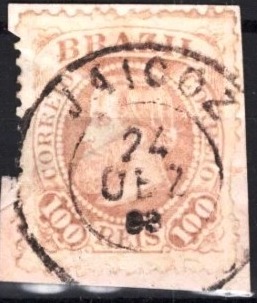
The oldest postmark from Ipojuca station to date is IPE-0325a (Fig. Felipe Piccinini):

IPE-0325a (FP) 1883ff

IPE-0325b (ill. Luiz C. Fritzen) was added later:

IPE-0325b (LCF) 1891

The philatelist Paulo Corchaki also showed a hand-written cancellation with a mute postmark, but we do not yet know whether it is the town or the station of Ipojuca:

1877ff (fig. Paulo Corchaki)
Carta Corographica da Provincia de Pernambuco, 1880

Andere Namen: Estação Mercês

Dieser Ort in der Provinz Pernambuco hat eine merkwürdige Geschichte, denn streng genommen handelt es sich um zwei Orte. Schon um 1600 soll die Freguesia de N. Sra. do Ó de Ipojuca entstanden sein, sie lag nahe dem Südufer des Ipojuca, gut 50 km südlich der späteren Provinzhauptstadt Recife. Ab Juli 1811 gehörte sie zur Vila do Cabo, im Mai 1861 wurde sie zur Vila und im Juni 1896 zur Stadt. Es gab aber auch die Siedlung S. Miguel do Ipojuca am Nordufer des Flusses, die durch die Nähe zur Eisenbahnlinie einen raschen Aufschwung erlebte. In der Folge wechselte der Sitz der Vila de Ipojuca mehrmals zwischen S. Miguel und N. Sra. do Ó, bis sich S. Miguel endgültig durchsetzte. Das Wort Ipojuca stammt aus dem Tupi-guarani und bedeutet dunkles, aufgestautes Wasser.

Die regionale Presse berichtet, dass es in der Villa seit September 1854 ein Postamt gab:

Diario de Pernambuco, 07.10.1854

Der erste Poststempel ist noch nicht gefunden worden. Bekannt ist der französische Typ IPE-0320b (Abb. R. Koester in Carimbologia XXII)

IPE-0320b (RK) 1890

Der Bahnhof Ipojuca wurde im November 1860 von der Eisenbahngesellschaft E.F. Recife ao S. Francisco eröffnet. Die Bahnlinie ging 1901 an die Great Western und 1950 an die Rede Ferroviária do Nordeste über. Von 1975 bis 1996 gehörte sie der Rede Ferroviária Federal S.A. (estacoesferroviarias.com.br). Irgendwann um 1920 wurde der Bahnhof nach einer Zuckerfabrik in Mercês umbenannt. Heute sind die Gleise noch vorhanden, das Bahnhofsgebäude ist längst abgerissen.

Um 1950 (auf estacoesferroviarias.com.br)
Im Mai 2021 (Foto: Rodrigo Henrique, auf estacoesferroviarias.com.br)

Wie die Presse in Rio berichtet, wurde bereits im Dezember 1864 beschlossen, am Bahnhof ein Postamt einzurichten:

Constitucional/RJ, 24.12.1864

Eröffnet wurde das Postamt aber wohl erst im September 1874, wie aus der regionalen Presse hervorgeht:

Diário de Pernambuco, 12.09.1874

Der bisher älteste Poststempel vom Bahnhof Ipojuca ist IPE-0325a (Abb. Felipe Piccinini):

IPE-0325a (FP) 1883ff

Später kam noch IPE-0325b (Abb. Luiz C. Fritzen) hinzu:

IPE-0325b (LCF) 1891

Der Philatelist Paulo Corchaki zeigte auch eine handschriftliche Entwertung mit einem stummen Stempel, bei der wir noch nicht wissen, ob es sich um den Ort oder den Bahnhof Ipojuca handelt:
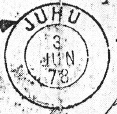
1877ff (Abb. Paulo Corchaki)
Categories
Carimbologia H-L

Ipiranga (train station/Bahnhof), Rio de Janeiro (IRJ-2000)

Estações (…) do Rio de Janeiro, São Paulo e Minas Geraes, 1880

Other names: Aristides Lobo (1948)

Ipiranga station (also spelt Ypiranga and Ipyranga) was opened in April 1865 by the railway company E.F. D. Pedro II (Center Line) on the south bank of the Paraíba do Sul, a good 110 km north-west of the capital Rio de Janeiro. The line became the property of E.F. Central do Brasil in 1889 and belonged to Rede Ferroviária Federal S.A. from 1975 until its closure in 1996 (estacoesferroviarias.com.br). In 1948, the station was renamed Aristides Lobo in honour of a lawyer and politician (1839-1896) who was one of the leading figures in the republican coup of 1889.

Aristides Lobo

Today, the tracks of the Aristides Lobo railway station still exist, the building is a ruin, which is now a listed building and is to be extensively restored.

Around 1955 (Photo: Tibor Jablonsky)
In 2006 (Photo: Gutierres L. Coelho, on estacoesferroviarias.com.br)

As Paulo Novaes writes on agenciaspostais.com.br, there has been a post office in the station since April 1865, which is also confirmed by the press:

Correio Mercantil, 30/04/1865

The first postmark has not yet been found. Its oldest successor is IRJ-2000b (fig. P. Novaes, op.cit.).

IRJ-2000b (PN) 1885-1888

It was followed by the rare IRJ-2000c (fig. Claudio Coelho):

IRJ-2000c (CC) 1891

R. Koester also shows the stamp with the imperial seal IRJ-2000d in Carimbologia XXII:

IRJ- 2000d (RK)
Atlas do Imperio do Brasil, 1868

Andere Namen: Aristides Lobo (1948)

Der Bahnhof Ipiranga (auch Ypiranga und Ipyranga geschrieben) wurde im April 1865 von der Eisenbahngesellschaft E.F. D. Pedro II (Hauptlinie) eröffnet und lag am Südufer des Paraíba do Sul, gut 110 km nordwestlich der Hauptstadt Rio de Janeiro. Die Strecke ging 1889 in den Besitz der E.F. Central do Brasil über und gehörte von 1975 bis zu ihrer Schließung 1996 der Rede Ferroviária Federal S.A. (estacoesferroviarias.com.br). 1948 wurde der Bahnhof in Aristides Lobo umbenannt, zu Ehren eines Juristen und Politikers (1839-1896), der einer der führenden Köpfe des republikanischen Putsches von 1889 war.

Aristides Lobo

Heute sind die Gleise des Bahnhofs Aristides Lobo noch vorhanden, das Gebäude ist eine Ruine, die inzwischen unter Denkmalschutz steht und aufwendig restauriert werden soll.

Um 1955 (Foto: Tibor Jablonsky)
2006 (Foto: Gutierres L. Coelho, auf estacoesferroviarias.com.br)

Wie Paulo Novaes auf agenciaspostais.com.br schreibt, gab es im Bahnhof seit April 1865 ein Postamt, was auch von der Presse bestätigt wird:

Correio Mercantil, 30.04.1865

Der erste Poststempel ist noch nicht gefunden worden. Sein ältester Nachfolger ist IRJ-2000b (Abb. P. Novaes, op.cit.).

IRJ-2000b (PN) 1885-1888

Ihm folgte der seltene IRJ-2000c (Abb. Claudio Coelho):

IRJ-2000c (CC) 1891

R. Koester zeigt in Carimbologia XXII auch den Stempel mit dem kaiserlichen Siegel IRJ-2000d:

IRJ- 2000d (RK)
Categories
Carimbologia H-L

Ipiabas, Rio de Janeiro (IRJ-0650)

Villiers de l’Ile Adam: Carta (…) da Provincia do Rio de Janeiro, 1850

Other names: Piedade das Ipiabas

From May 1849, N. Sra. da Piedade das Ipiabas was the curato of the Vila de Valença, located on the south bank of the Rio das Flores, 140 kilometres northwest of the capital Rio de Janeiro. In September 1852, Ipiabas was elevated to a freguesia and since December 1943 it has been a distrito in the Município de Barra do Piraí. There are two versions of the term from the Tupi-guarani. Either it means ‘with spotted skin’ or ‘with dammed water’.

As Nova Monteiro writes in Administrações e Agencias Postaes do Brasil Imperio (Brasil Filatelico/RJ, 1934-5; reprint SPP 1994-1999), there had been a post office there since February 1853. This was closed in July 1861, as reported in the press:

Correio Mercantil, 29/06/1861

According to Nova Monteiro (op. cit.), the next opening of the post office took place in August 1869 under Piedade das Ipiabas.

The oldest postmark of Ipiabas seems to exist in two versions. First IRJ-0650a, which was given the number 1322 by Paulo Ayres (Catálogo de Carimbos Brasil-Império, S. Paulo, 1937, 1942):

IRJ-0650a (P.A. 1322, MPT 354) 1866ff-1878ff

The other version IRJ-0650b was given the number 1323 by P. Ayres and has an additional line in the centre:

IRJ-0650b (P.A. 1323) 1878ff

Three cancellations as double circles followed, beginning with IRJ-0650c (fig. Felipe Piccinini):

IRJ-0650c (FP) 1880-1887

Then came IRJ-0650d (fig. agenciaspostais.com.br):

IRJ-0650d (PN) 1888ff-1892

Towards the end of the century, IRJ-0650e also appeared (illustration from the Internet):

IRJ-0650e (EB) 1891
Atlas do Imperio do Brasil, 1868

Andere Namen: Piedade das Ipiabas

Seit Mai 1849 war N. Sra. da Piedade das Ipiabas Curato der Vila de Valença, gelegen am Südufer des Rio das Flores, 140 km nordwestlich der Hauptstadt Rio de Janeiro. Im September 1852 erfolgte die Erhebung zur Freguesia und seit Dezember 1943 ist Ipiabas ein Distrito im Município de Barra do Piraí. Es gibt zwei Versionen des Begriffs aus dem Tupi-guarani. Entweder bedeutet es „mit gefleckter Haut“ oder „mit gestautem Wasser“.

Wie Nova Monteiro in Administrações e Agencias Postaes do Brasil Imperio (Brasil Filatelico/RJ, 1934-5; Reprint SPP 1994-1999) schreibt, gab es dort seit Februar 1853 ein Postamt. Dieses wurde im Juli 1861 geschlossen, wie die Presse berichtete:

Correio Mercantil, 29.06.1861

Laut Nova Monteiro (a.a.O.) fand die nächste Eröffnung des Postamtes im August 1869 unter Piedade das Ipiabas statt.

Der älteste Poststempel von Ipiabas scheint in zwei Versionen zu existieren. Zuerst IRJ-0650a, der von Paulo Ayres (Catálogo de Carimbos Brasil-Império, S. Paulo, 1937, 1942) die Nummer 1322 erhielt:
IRJ-0650a (P.A. 1322, MPT 354) 1866ff-1878ff

Die andere Version IRJ-0650b erhielt die Nr. 1323 von P. Ayres und hat einen zusätzlichen Strich in der Mitte:

IRJ-0650b (P.A. 1323) 1878ff

Es folgten drei Stempel als Doppelkreise, beginnend mit IRJ-0650c (Abb. Felipe Piccinini):

IRJ-0650c (FP) 1880-1887

Dann kam IRJ-0650d (Abb. agenciaspostais.com.br):

IRJ-0650d (PN) 1888ff-1892

Gegen Ende des Jahrhunderts erschien auch IRJ-0650e (Abb. aus dem Internet):

IRJ-0650e (EB) 1891
Categories
Carimbologia H-L

Ipanema (train station/Bahnhof), São Paulo (ISP-0595)

Villiers de l’Ile Adam: Carta (…) da Provincia de São Paulo, 1847

Another name: Fazenda Ipanema

See also São João de Ipanema (SSP-1575); Ypanema (YSP-1700)

Since December 1876, the station of the E.F. Sorocabana Railway Company (also spelled Ypanema) was operating in the municipality of Sorocaba, about 120 km west of the provincial capital São Paulo. The line went in 1892 to the Cia. Sorocabana e Ytuana but returned to E. F. Sorocabana from 1919 until the end of operations in 1928. The settlement around the station continued to grow and in November 1944 became the district of Iperó, then in the municipality of Boituva. Since January 1964, the area around the former railway station has been a district of Iperó, which is called Fazenda Ipanema.

The railway supposed to transport the production of the Royal Ironworks (Real Fabrica de Ferro) Ipanema, the first iron processing plant in South America, which was in operation between 1810 and 1926, as extensively reported by Spix and Martius (Travels in Brazil in the Years 1817-1820, London, 1824):

Photo: Rubens Hardt (CC BY-SA 4.0)

As can be read in the Imperial Mail Register (Tabella das Agencias do Correio do Imperio) from 1885, there was a station post office since 1876. This is confirmed by the press from Sao Paulo:

Correio Paulistano, 11 January 1877 (Official Acts 24.-31.12.1876)

However, Helmut Ponge reports an opening as early as 1872 (in R. Koester, op. cit.). The postmarks here cheerfully alternate from one spelling to another, starting with ISP-0595a, which also exists in blue, was used until at least 1877 and can also be seen in Paulo Ayres’ Catálogo de Carimbos Brasil-Império (S. Paulo, 1937, 1942) under no. 1321.

ISP-0595a (P.A.1321)

This was followed by YSP-1700a (Coll. Mario Celso Orsi Jr.): a double circle with the inscription CORR(EIO) DO YPANEMA and the date over a horizontal line in the centre. It also occurs in blue.

YSP-1700a (MO) 1878-1879

Then there came the French type ISP-0595b (image from the internet), this also exists in blue and dark purple.

ISP-0595b (EB) 1883-1886ff

It was followed by YSP-1700b (Coll. Mário Celso Orsi Jr.).

YSP-1700b (MO) 1886-1888

The last postmark of the imperial period is ISP-0595c (image from the Internet).

ISP-0595c (EB) 1887-1892

Two mute stamps from Ipanema were found from the imperial period, one from the Mário Celso Orsi Jr. collection and the other from the Fuad Ferreira Fo. collection.

1883 (MO)
1886ff (FF)
J. M. Ribeiro Lisboa: Provincia de São Paulo, 1884

Anderer Name: Fazenda Ipanema

Siehe auch São João de Ipanema (SSP-1575); Ypanema (YSP-1700)

São João de Ipanema war seit Dezember 1876 ein Bahnhof der E.F. Sorocabana Bahngesellschaft, der im Município von Sorocaba lag, gut 120 km westlich der Provinzhauptstadt São Paulo. Die Linie ging 1892 zur Cia. União Sorocabana e Ytuana über, kehrte aber von 1919 bis zum Betriebsende 1928 zur E. F. Sorocabana zurück. Die Siedlung um den Bahnhof wuchs weiter und wurde im November 1944 zum Distrikt von Iperó, nun im Município von Boituva. Seit Januar 1964 ist das Gebiet um den ehemaligen Bahnhof ein Stadtteil von Iperó, der Fazenda Ipanema heißt.

Die Bahn sollte die Produktion der Königlichen Eisenhüttenwerk (Real Fabrica de Ferro) Ipanema transportieren, der ersten Eisen-Verarbeitungsanlage Südamerikas, die zwischen 1810 und 1926 in Betrieb war und sogar von Spix und Martius (Reise in Brasilien in den Jahren 1817-1820, München, 1823-31) ausführlich behandelt wurde:

Foto: Rubens Hardt (CC BY-SA 4.0)

Wie im Verzeichnis der kaiserlichen Postämter (Tabella das Agencias do Correio do Imperio) von 1885 zu lesen ist, gab es ein Bahnhofspostamt seit 1876. Dies wird durch die Presse aus São Paulo bestätigt:

Correio Paulistano, 11. Januar 1877 (Protokolle v. 24.-31.12.1876)

Allerdings berichtet Helmut Ponge von einer Eröffnung bereits 1872 (in R. Koester, op. cit.). Die Poststempel hier wechseln munter von einer Schreibweise zur anderen ab, beginnend mit ISP-0595a, den es auch in Blau gibt, bis mindestens 1877 verwendet wurde und auch in Paulo Ayres’ Catálogo de Carimbos Brasil-Império (S. Paulo, 1937, 1942) unter Nr. 1321 zu sehen ist.

ISP-0595a (P.A.1321)

Es folgte YSP-1700a (Samml. Mario Celso Orsi Jr.): ein Doppelkreis mit der Inschrift CORR(EIO) DO YPANEMA und dem Datum über einer waagerechten Linie in der Mitte. Er kommt auch in Blau vor.

YSP-1700a (MO) 1878-1879

Danach kam der französischer Typus ISP-0595b (Abb. aus dem Internet): den gibt es auch in Blau und Dunkellila.

ISP-0595b (EB) 1883-1886ff

Ihm folgte YSP-1700b (Samml. Mário Celso Orsi Jr.).

YSP-1700b (MO) 1886-1888

Der letzte Poststempel der Kaiserzeit ist ISP-0595c (Abb. aus dem Internet):

ISP-0595c (EB) 1887-1892

Aus der Kaiserzeit wurden zwei stumme Stempel aus Ipanema gefunden, einer aus der Sammlung Mário Celso Orsi Jr. und der andere aus der Sammlung Fuad Ferreira Fo.

1883 (MO)
1886ff (FF)
Categories
Carimbologia H-L

Inohan (IRJ-0645) – Inohan (train station/Bahnhof), Rio de Janeiro (IRJ-1050)

Almanak Laemmert, 1892

Other spellings: Innoã, Inoã

This beautiful word from the Indian languages means friend or companion. Inoã (as it is spelt today) was a settlement in Vila de Maricá, 50 km east of the capital Rio de Janeiro. It became a distrito in December 1936 and has remained so to this day.

According to the Rio press, there had been a post office there since December 1876:

Diario do Rio de Janeiro, 03/12/1876

Paulo Novaes writes in agenciaspostais.com.br that the post office was closed around 1884. We have not yet seen an imperial postmark from this post office.

The railway station of Inohan was opened in May 1889 by the railway company E.F. de Maricá (Cabo Frio branch line). The railway line was transferred to the Cie Générale de Chemins de Fer in 1912 and to the E.F. Central do Brasil in 1943. From around 1959 until its closure in 1966, it belonged to E.F. Leopoldina (estacoesferroviarias.com.br).

Around 1940 (Photo: Claudio Falcão Collection, on estacoesferroviarias.com.br)

In October 1889, a post office was opened in the railway station, as can be seen in the Postal Bulletin (Boletim Postal). R. Koester shows the postmark IRJ-1050a with the imperial seal in Carimbologia XXII:

IRJ-1050a (RK)
Estrada de Ferro Leopoldina

Andere Schreibweisen: Innoã, Inoã

Das schöne Wort aus den Indianersprachen bedeutet Freund oder Gefährte. Inoã (wie es heute geschrieben wird) war eine Siedlung in Vila de Maricá, 50 km östlich der Hauptstadt Rio de Janeiro. Im Dezember 1936 wurde daraus ein Distrito, und so ist es bis heute geblieben.

Wie die Presse von Rio berichtet, gibt es dort seit Dezember 1876 ein Postamt:

Diario do Rio de Janeiro, 03.12.1876

Paulo Novaes schreibt in agenciaspostais.com.br, dass das Postamt um 1884 geschlossen wurde. Wir haben noch keinen kaiserlichen Poststempel von diesem Postamt gesehen.

Der Bahnhof von Inohan wurde im Mai 1889 von der Eisenbahngesellschaft E.F. de Maricá (Zweigbahn Cabo Frio) eröffnet. Die Bahnlinie ging 1912 an die Cie Générale de Chemins de Fer und 1943 an die E.F. Central do Brasil über. Von ca. 1959 bis zu ihrer Stilllegung 1966 gehörte sie der E.F. Leopoldina (estacoesferroviarias.com.br).

Um 1940 (Foto: Sammlung Claudio Falcão, auf estacoesferroviarias.com.br)

Im Oktober 1889 wurde im Bahnhof ein Postamt eröffnet, wie aus dem Postbulletin (Boletim Postal) hervorgeht. R. Koester zeigt in Carimbologia XXII einen Poststempel mit dem kaiserlichen Siegel IRJ-1050a:

IRJ-1050a (RK)
Categories
Carimbologia H-L

Inhomerim (train station/Bahnhof), Rio de Janeiro (IRJ-1780)

Almanak Laemmert, 1892

Other names. Inhomirim, Est. Cassebú

Inhomerim station was opened in April 1854 by the E.F. Mauá railway company in the Vila de Magé region, 50 km north of the capital Rio de Janeiro. The line was transferred to E.F. Príncipe do Grão-Pará in 1888 and belonged to E.F. Leopoldina from 1890 until it was closed in 1962. The tracks are still there today, but the station building has long since been demolished (estacoesferroviarias.com.br).

Around 1930 (Photo: Luis Otávio de Oliveira, on estacoesferroviarias.com.br)
2009 (Photo: Júlio Cesar da Silva, on estacoesferroviarias.com.br)

According to the Rio press, there had been a post office at the railway station since June 1871:

Diario do Rio de Janeiro, 03/06/1871

The agency was closed in August 1918, as Paulo Novaes (agenciaspostais.com.br) writes. The oldest postmark to date is IRJ-1780a (fig. P. Novaes, op. cit.):

IRJ-1780a (PN) 1881

R. Koester also shows a postmark with the imperial seal, IRJ-1780b, in Carimbologia XXII:

IRJ-1780b (RK)
Atlas do Imperio do Brasil, 1868

Andere Namen. Inhomirim, Est. Cassebú

Der Bahnhof Inhomerim wurde im April 1854 von der Eisenbahngesellschaft E.F. Mauá eröffnet und lag in der Region Vila de Magé, 50 km nördlich der Hauptstadt Rio de Janeiro. Die Strecke ging 1888 an die E.F. Príncipe do Grão-Pará über und gehörte von 1890 bis zu ihrer Stilllegung 1962 der E.F. Leopoldina. Heute sind die Gleise noch vorhanden, das Bahnhofsgebäude ist längst abgerissen (estacoesferroviarias.com.br).

Um 1930 (Foto: Luis Otávio de Oliveira, auf estacoesferroviarias.com.br)
2009 (Foto: Júlio Cesar da Silva, auf estacoesferroviarias.com.br)

Wie die Presse von Rio berichtet, gab es seit Juni 1871 ein Postamt am Bahnhof:

Diario do Rio de Janeiro, 03.06.1871

Die Agentur wurde im August 1918 geschlossen, wie Paulo Novaes (agenciaspostais.com.br) schreibt. Der bisher älteste Poststempel ist IRJ-1780a (Abb. P. Novaes, op. cit.):

IRJ-1780a (PN) 1881

R. Koester zeigt in Carimbologia XXII auch den Stempel mit dem kaiserlichen Siegel IRJ-1780b:

IRJ-1780b (RK)
Categories
Carimbologia H-L

Inhoahyba, Município Neutro (IMN-0110)

Almanak Laemmert, 1892

The locality developed from the Fazenda Inhoahyba, which belonged to the Gonzaga family and was located on the Royal Road (Estrada Real) 60 kilometres west of the capital Rio de Janeiro. A settlement developed there, which is now part of the administrative district of Campo Grande. The now modernised Fazenda Inhoahyba has been the administrative centre of the Rio West district since July 2024.

The “Palácio Oeste”

As R. Koester writes in Carimbologia XXII, there had been a post office there since April 1884, which was closed around 1940 according to Paulo Novaes (agenciaspostais.com.br). The imperial postmark is the rare IMN-0110a (fig. R. Koester, op.cit.):

IMN-0110a (RK) 1884
Mappa do Municipio Neutro, ca. 1880

Der Ort entstand aus der Fazenda Inhoahyba, die der Familie Gonzaga gehörte und an der Königsstraße (Estrada Real) 60 km westlich der Hauptstadt Rio de Janeiro lag. Dort entwickelte sich eine Siedlung, die heute ein Stadtteil des Verwaltungsbezirks Campo Grande ist. Die heute modernisierte Fazenda Inhoahyba ist seit Juli 2024 Verwaltungssitz des Stadtteils Rio-West.

Der “Palácio Oeste”

Wie R. Koester in Carimbologia XXII schreibt, gab es dort seit April 1884 ein Postamt, das nach Paulo Novaes (agenciaspostais.com.br) um 1940 geschlossen wurde. Der kaiserliche Poststempel ist der seltene IMN-0110a (Abb. R. Koester, op.cit.):

IMN-0110a (RK) 1884
Categories
Carimbologia H-L

Inhaúma, Minas Gerais (IMG-1340)

Estado de Minas Geraes, 1910

See also Santo Antonio do Monte (SMG-3490)

From January 1875, Inhaúma was a district of the Vila de Sete Lagoas, 180 kilometres northwest of the provincial capital of Ouro Preto. In November 1880, it became the Freguesia de S. Sebastião de Inhaúma, which has been an independent município since December 1948.

Reinhold Koester writes in Carimbologia XXII that there has been a post office there since August 1889. This is confirmed by the postal bulletin of the following month:

Boletim Postal No. 5, September 1889

The oldest postmark to date is the double circle IMG-1340a (Fig. Felipe Piccinini):

IMG-1340a (FP) 1889ff-1891
Provincia de Minas Geraes, 1873

Siehe auch Santo Antonio do Monte (SMG-3490)

Seit Januar 1875 war Inhaúma ein Distrito der Vila de Sete Lagoas, 180 km nordwestlich der Provinzhauptstadt Ouro Preto gelegen. Im November 1880 wurde daraus die Freguesia de S. Sebastião de Inhaúma, die seit Dezember 1948 ein eigenständiges Município ist.

Reinhold Koester schreibt in Carimbologia XXII, dass es dort seit August 1889 ein Postamt gab. Dies wird durch das Postbulletin des folgenden Monats bestätigt:

Boletim Postal Nr. 5, September 1889

Der bisher älteste Poststempel ist der Doppelkreis IMG-1340a (Abb. Felipe Piccinini):

IMG-1340a (FP) 1889ff-1891
Categories
Carimbologia H-L

Inhambupe, Bahia (IBA-0400)

Villiers de l’Ile Adam: Carta (…) da Provincia da Bahia, 1848

The village on the south bank of the Inhambupe, 170 kilometres north of the colonial capital Salvador da Bahia, first became a Vila (in April 1728) and only later (in November 1816) the Freguesia do Divino Espírito Santo de Inhambupe, a rather unusual development. Inhambupe has been a town since August 1896. The name comes from the Tupi-Guarani and means river of the Inhambus. The latter is a bird from the Tinamidae family:

Crypturellus obsoletus (Photo: José Carlos A. Rodrigues/Wikipedia)

Nova Monteiro writes in Administrações e Agencias Postaes do Brasil Imperio (Brasil Filatelico/RJ, 1934-5; reprint SPP 1994-1999) that there had been a post office there since May 1832, while the directory of imperial post offices (Tabella das Agencias do Correio do Imperio, Rio de Janeiro, 1885) gives the year 1861. It is not known when the agency was closed in the meantime, but it was in operation at the end of 1856.

The oldest postmark is IBA-0400a, which also exists in brown and was given the number 1142 by P. Ayres in the Catálogo de Carimbos Brasil-Império (S. Paulo, 1937, 1942). Here also an illustration by Henrique B. Ferreira (Catálogo ilustrado dos carimbos sobre os olhos-de-boi, 4a. ed, Porto Alegre, 2017):

IBA-0400a (P.A. 1142 – HBF) 1843ff

This was followed by IBA-0400b (fig. R. Koester, in Carimbologia XXII):

IBA-0400b (RK) 1849
Atlas do Imperio do Brasil, 1868

Der Ort am Südufer des Inhambupe, 170 km nördlich der Kolonialhauptstadt Salvador da Bahia, wurde zunächst (im April 1728) eine Vila und erst später (im November 1816) die Freguesia do Divino Espírito Santo de Inhambupe, eine eher ungewöhnliche Entwicklung. Seit August 1896 ist Inhambupe eine Stadt. Der Name stammt aus dem Tupi-Guarani und bedeutet Fluss des Inhambus. Letzteres ist ein Vogel aus der Familie Tinamidae:

Crypturellus obsoletus (Foto: José Carlos A. Rodrigues/Wikipedia)

Nova Monteiro schreibt in Administrações e Agencias Postaes do Brasil Imperio (Brasil Filatelico/RJ, 1934-5; Reprint SPP 1994-1999), dass es dort seit Mai 1832 ein Postamt gab, während im Verzeichnis der kaiserlichen Postämter (Tabella das Agencias do Correio do Imperio, Rio de Janeiro, 1885) das Jahr 1861 angegeben ist. Es ist nicht bekannt, wann die Agentur in der Zwischenzeit geschlossen wurde, aber sie war Ende 1856 in Betrieb.

Der älteste Poststempel ist IBA-0400a, der auch in braun existiert und von P. Ayres die Nr. 1142 im Catálogo de Carimbos Brasil-Império (S. Paulo, 1937, 1942) erhielt. Hier auch eine Illustration von Henrique B. Ferreira (Catálogo ilustrado dos carimbos sobre os olhos-de-boi, 4a. ed, Porto Alegre, 2017):

IBA-0400a (P.A. 1142 – HBF) 1843ff

Es folgte IBA-0400b (Abb. R. Koester, in Carimbologia XXII):

IBA-0400b (RK) 1849
Categories
Carimbologia H-L

Ingazeira, Pernambuco (IPE-0315)

Atlas do Imperio do Brasil, 1868

Text update on December 11, 2024

Other names: Cabeceiras do Pajeú, Ingaseiro

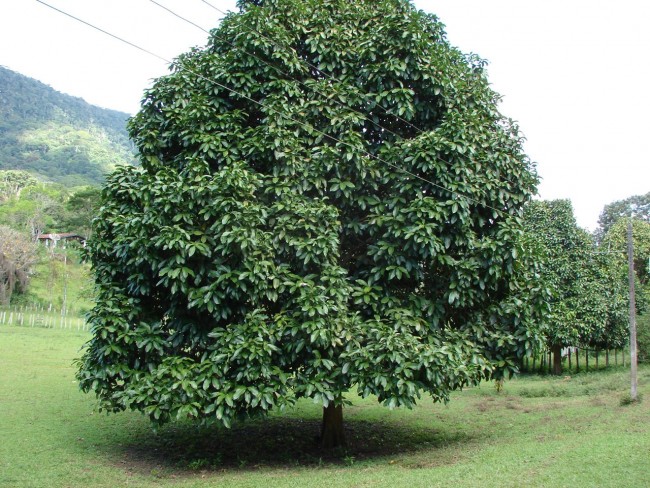
The Freguesia das Cabeceiras do Pajeú de S. José da Ingazeira, which has existed since 1836, belonged to the Vila de Flores and was located on the south bank of the Pajeú, 380 kilometres west of the provincial capital Recife. In May 1852, it was elevated to Vila de Ingazeira, followed by an eventful period in which the seat of the Vila was sometimes moved to Ingazeira, sometimes to the neighbouring village of Afogados (today: Afogados da Ingazeira). This ended in December 1948, when Ingazeira became a district in the Município de Tabira. Ingazeira has only been an independent município again since December 1963. The name refers to a plant of the Fabaceae family:

Inga feuillei (Photo: Drew Avery on Wikipedia)

Reinhold Koester writes in Carimbologia XXII that there had been a post office there since September 1854. The decision to create an agency is confirmed by the regional press:

Diario de Pernambuco, 07/10/1854

Nova Monteiro, however, in Administrações e Agencias Postaes do Brasil Imperio (Brasil Filatelico/RJ, 1934-5; reprint SPP 1994-1999), gives a date in January 1855, which could have been the date the post office opened.

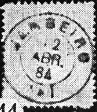
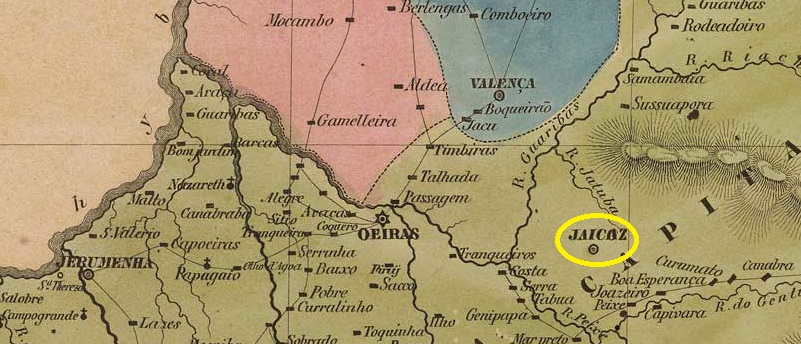
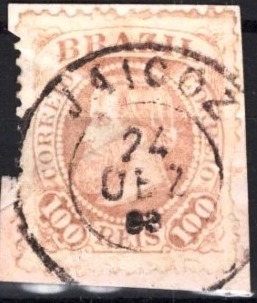
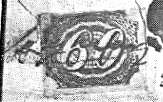
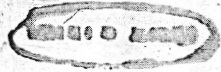
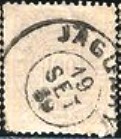
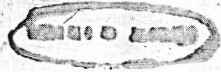
The first postmark has not yet been found. R. Koester (op. cit.) shows a stamp he attributed to Ingazeira/PE, which we believe to be a stamp from Joaseiro, in Bahia:

Ingaseiro/PE or Joaseiro/BA?

There is also a French type postmark IPE-0315b, the illustration of which is unfortunately still missing.

Villiers de l’Ile Adam: Carta (…) das Provincias de Pernambuco, Alagoas e Sergipe, 1848

Textaktualisierung am 11.12.2024

Andere Namen: Cabeceiras do Pajeú, Ingaseiro

Die seit 1836 bestehende Freguesia das Cabeceiras do Pajeú de S. José da Ingazeira gehörte zur Vila de Flores und lag am Südufer des Pajeú, 380 km westlich der Provinzhauptstadt Recife. Im Mai 1852 wurde sie zur Vila de Ingazeira erhoben, danach folgte eine wechselvolle Zeit, in der der Sitz der Vila mal nach Ingazeira, mal in den Nachbarort Afogados (heute: Afogados da Ingazeira) verlegt wurde. Dies endete im Dezember 1948, als Ingazeira ein Distrito im Município de Tabira wurde. Erst seit Dezember 1963 ist Ingazeira wieder ein eigenständiges Município. Der Name bezeichnet eine Pflanze der Familie Fabaceae:

Inga feuillei (Foto: Drew Avery auf Wikipedia)

Reinhold Koester schreibt in Carimbologia XXII, dass es dort seit September 1854 ein Postamt gab. Die Entscheidung, eine Agentur zu gründen, wird von der regionalen Presse bestätigt:

Diario de Pernambuco, 07.10.1854

Nova Monteiro gibt dagegen in Administrações e Agencias Postaes do Brasil Imperio (Brasil Filatelico/RJ, 1934-5; Reprint SPP 1994-1999) ein Datum im Januar 1855 an, das die Inbetriebnahme des Postamtes gewesen sein könnte.

Der erste Poststempel ist noch nicht gefunden worden. R. Koester (op. cit.) zeigt einen Stempel, den er Ingazeira/PE zuschreibt und von dem wir glauben, dass er ein Stempel aus Joaseiro in Bahia ist:

Ingaseiro/PE oder Joaseiro/BA?

Dann soll es einen Stempel französischer Art IPE-0315b geben, dessen Abbildung leider noch fehlt.