Categories
Carimbologia H-L

Itabira do Campo, Minas Gerais (IMG-1350)

Atlas do Imperio do Brasil, 1868

Other names: Itabirito (1923)

The Freguesia de N. Sra. da Boa Viagem de Itabira do Campo, 45 km north-west of Villa Rica de Albuquerque (later the provincial capital of Ouro Preto), had existed since April 1745. In September 1891 it became a distrito in the Município Ouro Preto. In September 1923, it was elevated to Município de Itabirito (presumably to avoid confusion with the other Itabira ‘do Matto Dentro’), which was elevated to city status two years later.

R. Koester (Carimbologia XXIII) and Paula Sobrinho (História Postal de Minas Gerais, Belo Horizonte, 1997) agree that there has been a post office there since November 1876. Presumably the postmark was not delivered in time, as Koester (op. cit.) reports a handwritten cancellation from 1883. The oldest postmark to date, IMG-1350a (fig. F. Piccinini), is also in blue and bears dates from 1886:

IMG-1350a (FP) 1886-1889

This was followed by IMG-1350b (illustration from the Internet):

IMG-1350b (EB) 1889-1891
Villiers de l’Ile Adam: Carta (…) da Provincia de Minas Geraes (1849)

Andere Namen: Itabirito (1923)

Seit April 1745 bestand die Freguesia de N. Sra. da Boa Viagem de Itabira do Campo, 45 km nordwestlich von Villa Rica de Albuquerque (der späteren Provinzhauptstadt Ouro Preto). Im September 1891 wurde es ein Distrito im Município Ouro Preto. Im September 1923 erfolgte die Erhebung zum Município de Itabirito (vermutlich um Verwechslungen mit dem anderen Itabira „do Matto Dentro“ zu vermeiden), das zwei Jahre später zur Stadt erhoben wurde.

R. Koester (Carimbologia XXIII) und Paula Sobrinho (História Postal de Minas Gerais, Belo Horizonte, 1997) sind sich einig, dass es dort seit November 1876 ein Postamt gab. Vermutlich wurde der Poststempel nicht rechtzeitig geliefert, denn Koester (a.a.O.) berichtet von einer handschriftlichen Entwertung aus dem Jahr 1883. Der bisher älteste Poststempel IMG-1350a (Abb. F. Piccinini) kommt ebenfalls in blau vor und trägt bisher Daten ab 1886:

IMG-1350a (FP) 1886-1889

Es folgte IMG-1350b (Abb. aus dem Internet):

IMG-1350b (EB) 1889-1891
Categories
Carimbologia H-L

Itabapoanna, Rio de Janeiro (IRJ-0660)

Almanak Laemmert, 1892

Other names: S. Sebastião de Itabapoana

See also Barra de Itabapoana (BRJ-0120)

São Sebastião de Itabapoana was a small arraial on the south bank of the mouth of the Itabapoana on the provincial border between Rio de Janeiro and Espírito Santo, 360 km northeast of the capital Rio de Janeiro. In October 1857, it became a freguesia in the newly founded Município de S. João da Barra. Since January 1995 it has been the district of Itabapoana in the Município S. Francisco do Itabapoana.

Two creation dates have been found for the local post office. Nova Monteiro mentions June 1853 in Administrações e Agencias Postaes do Brasil Imperio (Brasil Filatelico/RJ, 1934-5; reprint SPP 1994-1999). Paulo Novaes writes in agenciaspostais.com.br about the creation of a postal agency in Barra de Itabapoana ‘around 1885’, while the regional press reports 10 postal connections per month between Campos and Barra do Itabapoana as early as 1879:

Monitor Campista, 18/06/1879

R. Koester (Carimbologia XXIII) believed that Itabapoanna and Barra de Itabapoana were the same agency, as his postmark dates for Itabapoanna extend to about 1885, after which his postmarks begin with Barra do Itabapoana. In the meantime, later postmarks from Itabapoanna have emerged (see below), but the fact that both agencies are never listed together in any post office directory of the Empire speaks in favour of his thesis. Furthermore, the alternative places (Bom Jesus de Itabapoanna/BRJ-0200 and Estação de Itabapoana/IRJ-0661) are out of the question, as their post offices were established later.

The oldest postmark raises a further mystery, as the only known example of it can be seen on a forged letter: Is the postmark also forged or was a genuine postmark imitated here?

Forged letter, 1843 (ill. R. Koester, Carimbologia XXIII)

The next Itabapoana postmark is also problematic. P. Ayres shows IRJ-0660a in his Catálogo de Carimbos Brasil-Império (S. Paulo, 1937, 1942) under no. 1574, but Koester (op.cit.) shows that Ayres’ illustration has considerable flaws and that the cancel also occurs in dark violet:

IRJ-0660a (P.A. 1574 – recte RK) 1866ff

The following IRJ-0660b (fig. Corinphila Auctions) also exists in green and blue:

IRJ-0660b (CO) 1880-1893

For postmarks with BARRA DE ITABAPOANNA see BRJ-0120.

Villiers de l’Ile Adam: Carta (…) da Provincia do Rio de Janeiro, 1850

Andere Namen: S. Sebastião de Itabapoana

Siehe auch Barra de Itabapoana (BRJ-0120)

São Sebastião de Itabapoanna war ein kleiner Arraial am Südufer der Mündung des Itabapoana an der Provinzgrenze zwischen Rio de Janeiro und Espírito Santo, 360 km nordöstlich der Hauptstadt Rio de Janeiro. Im Oktober 1857 wurde es eine Freguesia im neu gegründeten Município de S. João da Barra. Seit Januar 1995 ist es der Distrikt Itabapoana im Município S. Francisco do Itabapoana.

Für das örtliche Postamt konnten zwei Gründungsdaten ermittelt werden. Nova Monteiro nennt in Administrações e Agencias Postaes do Brasil Imperio (Brasil Filatelico/RJ, 1934-5; Reprint SPP 1994-1999) den Juni 1853. Paulo Novaes schreibt in agenciaspostais.com.br über die Gründung einer Postagentur in Barra de Itabapoana „um 1885“, während die regionale Presse bereits 1879 von 10 Postverbindungen pro Monat zwischen Campos und Barra do Itabapoana berichtet:

Monitor Campista, 18.06.1879

R. Koester (Carimbologia XXIII) glaubte, dass Itabapoanna und Barra de Itabapoana die gleiche Agentur waren, da seine Poststempeldaten für Itabapoanna bis ca. 1885 reichen, danach beginnen seine Poststempel mit Barra do Itabapoana. Inzwischen sind zwar spätere Stempel aus Itabapoanna aufgetaucht (s.u.), aber die Tatsache, dass in keinem Postamtsverzeichnis des Kaiserreichs beide Agenturen aufgeführt sind, spricht für seine These. Außerdem kommen die alternativen Orte (Bom Jesus de Itabapoanna/BRJ-0200 und Estação de Itabapoana/IRJ-0661) nicht in Frage, da ihre Postämter später entstanden sind.

Der älteste Poststempel wirft ein weiteres Rätsel auf, da sein bisher einziges bekanntes Exemplar auf einem gefälschten Brief zu sehen ist: Ist auch der Poststempel erfunden oder wurde hier ein echter Stempel nachgemacht?

Gefälschter Brief, 1843 (Abb. R. Koester, Carimbologia XXIII)

Auch der nächste Itabapoana-Stempel ist problematisch. P. Ayres zeigt IRJ-0660a im Catálogo de Carimbos Brasil-Império (S. Paulo, 1937, 1942) unter der Nr. 1574, aber Koester (op.cit.) weist nach, dass Ayres‘ Abbildung erhebliche Mängel aufweist und dass der Stempel auch in dunkelviolett vorkommt:

IRJ-0660a (P.A. 1574 – recte RK) 1866ff

Der folgende IRJ-0660b (Abb. Corinphila-Auktionen) existiert auch in grün und blau:

IRJ-0660b (CO) 1880-1893

Für Poststempel mit BARRA DE ITABAPOANNA siehe BRJ-0120.

Categories
Carimbologia H-L

Itabapoana (train station/Bahnhof), Rio de Janeiro (IRJ-0661)

Almanak Laemmert, 1892

Other names: Estação Santo Eduardo (1893)

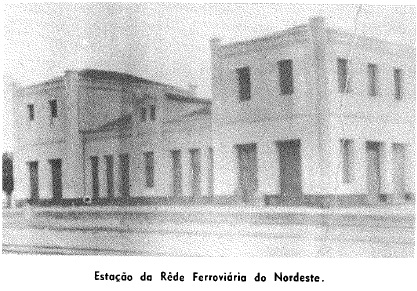
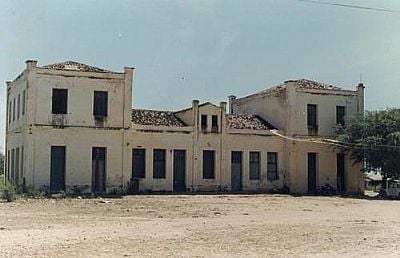
Itabapoana station was opened in June 1879 by the railway company E.F. Leopoldina (Coastal Line) and was located on the south bank of the Itabapoana in the Município de Campos, 350 km north-east of the capital Rio de Janeiro. In March 1893, a memorable name swap took place between this station and the Santo Eduardo station on the north bank of the Itabapoana in the state of Espírito Santo. From 1975 until its closure in 1996, the line belonged to Rede Ferroviária Federal S.A. (estacoesferroviarias.com.br). Today, the tracks still exist and the station building is a listed building.

In 1915 (photo from As Ferrovias do Brasil, by Cornejo and Gerodetti, on estacoesferroviarias.com.br)
In August 2016 (photo: Marcos Augusto, on estacoesferroviarias.com.br)

As Paulo Novaes writes on agenciaspostais.com.br, there had been a post office at the station since September 1879, which was called Santo Eduardo from March 1893. The oldest postmark to date is ERJ-0661a (illustration by Constantino Papazoglu):

ERJ-0661a (CP) 1881-1887

This was followed by ERJ-0661b (fig. agenciaspostais.com.br):

ERJ-0661b (PN) 1888-1890

This was followed by ERJ-0661c (Fig. agenciaspostais.com.br):

ERJ-0661c (PN) 1891-1892

R. Koester also showed the postmark with the imperial seal ERJ-0661d in Carimbologia XXIII:

ERJ-0661d (RK)
E.F. Leopoldina

Andere Namen: Estação Santo Eduardo (1893)

Der Bahnhof Itabapoana wurde im Juni 1879 von der Eisenbahngesellschaft E.F. Leopoldina (Küstenlinie) eröffnet und lag am Südufer des Itabapoana im Município de Campos, 350 km nordöstlich der Hauptstadt Rio de Janeiro. Im März 1893 fand ein denkwürdiger Namenstausch zwischen diesem Bahnhof und dem Bahnhof Santo Eduardo am Nordufer des Itabapoana im Bundesstaat Espírito Santo statt. Von 1975 bis zu ihrer Stilllegung 1996 gehörte die Strecke der Rede Ferroviária Federal S.A. (estacoesferroviarias.com.br). Heute sind die Gleise noch vorhanden, das Bahnhofsgebäude steht unter Denkmalschutz.

Im Jahr 1915 (Foto aus As Ferrovias do Brasil, von Cornejo und Gerodetti, auf estacoesferroviarias.com.br)
Im August 2016 (Foto: Marcos Augusto, auf estacoesferroviarias.com.br)

Wie Paulo Novaes auf agenciaspostais.com.br schreibt, gab es am Bahnhof seit September 1879 ein Postamt, das ab März 1893 auch Santo Eduardo hieß. Der bisher älteste Poststempel ist ERJ-0661a (Abb. Constantino Papazoglu):

ERJ-0661a (CP) 1881-1887

Es folgte ERJ-0661b (Abb. agenciaspostais.com.br):

ERJ-0661b (PN) 1888-1890

Danach kam ERJ-0661c (Abb. agenciaspostais.com.br):

ERJ-0661c (PN) 1891-1892

R. Koester zeigte auch in Carimbologia XXIII den Poststempel mit dem kaiserlichen Siegel ERJ-0661d:

ERJ-0661d (RK)
Categories
Carimbologia H-L

Itabaianninha, Sergipe (ISE-0090)

Villiers de l’Ile Adam: Carta (…) das Provincias de Pernambuco, Alagoas e Sergipe, 1848

This old settlement was located 120 kilometres southwest of the later provincial capital of Aracaju and belonged to the Vila de Tomar de Geru. In February 1835 it became the Freguesia de N. Sra. da Conceição de Itabaianninha and in the same month the Vila, which has been the town of Itabainaninha (as it is spelt today) since September 1891.

We have not yet been able to find out how long there has been a post office there, but the regional press reported that there was already a postal line to Itabaianinha in February 1840:

Correio Sergipense, 29/02/1840

The only imperial postmark so far is ISE-0090b (fig. R. Koester, in Carimbologia XXIII):

ISE-0090b (RK) 1882-1889
Atlas do Imperio do Brasil, 1868

Diese alte Siedlung lag 120 km südwestlich der späteren Provinzhauptstadt Aracaju und gehörte zur Vila de Tomar de Geru. Im Februar 1835 wurde sie zur Freguesia de N. Sra. da Conceição de Itabaianninha und noch im selben Monat zur Vila, die seit September 1891 die Stadt Itabainaninha (wie es heute geschrieben wird) ist.

Seit wann es dort ein Postamt gibt, konnten wir bisher nicht herausfinden, aber die regionale Presse berichtete, dass es bereits im Februar 1840 eine Postlinie nach Itabaianinha gab:

Correio Sergipense, 29.02.1840

Der bisher einzige kaiserliche Poststempel ist ISE-0090b (Abb. R. Koester, in Carimbologia XXIII):

ISE-0090b (RK) 1882-1889
Categories
Carimbologia H-L

Itabaianna, Sergipe (ISE-0085)

Atlas do Imperio do Brasil, 1868

Other names: Arraial de Sto. Antonio, Caatinga de Alves da Rocha

This place is said to have become a Vila as early as 1665 and only in October 1675 the Freguesia de Sto. Antonio e Almas de Itabaianna, 545 km north-west of the later provincial capital Aracaju. Itabaiana (as it is spelt today) has been a town since August 1888.

Two foundation dates were found for the local post office. Once in March 1829, as Nova Monteiro writes in Administrações e Agencias Postaes do Brasil Imperio (Brasil Filatelico/RJ, 1934-5; reprint SPP 1994-1999). Then again in May 1849, as R. Koester states in Carimbologia XXIII. The only postmark from the imperial period so far is ISE-0085b (fig. Roberto Assef Jr.):

ISE-0085b (RA) 1879-1892
Villiers de l’Ile Adam: Carta (…) das Provincias de Pernambuco, Alagoas e Sergipe, 1848

Andere Namen: Arraial de Sto. Antonio, Caatinga de Alves da Rocha

Dieser Ort soll bereits 1665 zur Vila und erst im Oktober 1675 zur Freguesia de Sto. Antonio e Almas de Itabaianna, 545 km nordwestlich der späteren Provinzhauptstadt Aracaju. Seit August 1888 ist Itabaiana (wie es heute geschrieben wird) eine Stadt.

Für das örtliche Postamt wurden zwei Gründungsdaten gefunden. Einmal im März 1829, wie Nova Monteiro in Administrações e Agencias Postaes do Brasil Imperio (Brasil Filatelico/RJ, 1934-5; Nachdruck SPP 1994-1999) schreibt. Dann wieder im Mai 1849, wie R. Koester in Carimbologia XXIII angibt. Der bisher einzige Poststempel aus der Kaiserzeit ist ISE-0085b (Abb. Roberto Assef Jr.):

ISE-0085b (RA) 1879-1892
Categories
Carimbologia H-L

Itabaianna (do Pilar), Paraíba (IPB-0280)

Villiers de l’Ile Adam: Carta (…) das Provincias do Rio Grande do Norte e Parahyba, 1848

Other names: Tabaiana

The village originated with the foundation of the parish of N. Sra. do Pilar around 1750 and then belonged to the Vila de Pilar (founded in September 1758), being located on the south bank of the Paraíba do Norte, 70 km south-west of the later provincial capital of Parahyba (today: João Pessoa). Itabaiana was elevated to Vila de Itabaiana do Pilar in October 1881, but four years later it became a freguesia of the re-established Vila do Pilar. In April 1890, Itabaiana once again became an independent Vila, which was elevated to the status of a town in March 1891. In December 1943, the município was renamed Tabaiana, but in September 1948 the old place name returned for good.

There also seems to have been a confusion in the postal system between the neighbouring towns of Itabaiana and Pilar, as Nova Monteiro writes in Administrações e Agencias Postaes do Brasil Imperio (Brasil Filatelico/RJ, 1934-5; reprint SPP 1994-1999) that there had been a post office in Pilar since May 1829. In the postal report (Relatorio dos Correios) for the year 1886, however, this date is attributed to the foundation of the post office in Itabaiana. As long as there are no old postmarks from Itabaiana, this question remains unanswered. The oldest postmark to date, IPB-0280c (image from the Internet), already bears a date of the Republic:

IPB-0280c (EB) 1897ff
Atlas do Imperio do Brasil, 1868

Andere Namen: Tabaiana

Der Ort entstand mit der Gründung der Pfarrei N. Sra. do Pilar um 1750 und gehörte danach zur im September 1758 gegründeten Vila de Pilar, am Südufer des Paraíba do Norte, 70 km südwestlich der späteren Provinzhauptstadt Parahyba (heute: João Pessoa). Im Oktober 1881 erfolgte die Erhebung zur Vila de Itabaiana do Pilar, die doch vier Jahre später zur Freguesia der wieder etablierten Vila do Pilar wurde. Im April 1890 wurde Itabaiana wieder eine eigenständige Vila, die im März 1891 zur Stadt erhoben wurde. Im Dezember 1943 wurde das Município in Tabaiana umbenannt, aber im September 1948 kehrte der alte Ortsname endgültig zurück.

Auch im Postwesen scheint eine Verwechslung zwischen den Nachbarorten Itabaiana und Pilar vorzuliegen, denn Nova Monteiro schreibt in Administrações e Agencias Postaes do Brasil Imperio (Brasil Filatelico/RJ, 1934-5; Reprint SPP 1994-1999), dass es in Pilar seit Mai 1829 ein Postamt gab. Im Postbericht (Relatorio dos Correios) für das Jahr 1886 wird dieses Datum jedoch der Gründung des Postamtes in Itabaiana zugeschrieben. Solange es keine alten Poststempel aus Itabaiana gibt, bleibt die Frage unbeantwortet. Der bisher älteste Poststempel IPB-0280c (Abbildung aus dem Internet) trägt bereits ein Datum der Republik:

IPB-0280c (EB) 1897ff
Categories
Carimbologia H-L

Irituia, Pará (IPA-0135)

Villiers de l’Ile Adam: Carta (…) das Provincias do Grão Pará e Alto Amazonas, 1868

The Freguesia de N. Sra. da Piedade de Irituia has existed since September 1839, when it belonged to the Vila de Ourém and was located on the west bank of the Igarapé Jacaré-Pau (formerly Irituia), 170 kilometres east of the provincial capital Belém do Pará. The name comes from the Tupi language and means old rapids. No fewer than three elevations to a Vila followed: in October 1857, September 1879 and 1889. In between, Irituia was twice demoted to a Freguesia of the Município de S. Miguel do Guamá: in October 1868 and September 1886. In the 20th century, the administrative situation remained unstable: Irituia became a Distrito de S. Miguel do Guamá in November 1930 and has only been an independent Município since 1933.

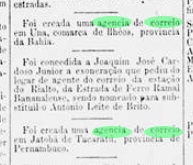
R. Koester writes in Carimbologia XXII that there had been a post office there since 1882; presumably he took this information from the list of imperial post offices (Tabella das Agencias do Correio do Imperio, Rio de Janeiro, 1885). However, this agency was merely upgraded in March 1882, as can be seen from the press in Rio:

O Globo/RJ, 24/03/1882

The post office was created earlier, probably before September 1877, as can be seen from the regional press:

Jornal do Pará, 02/10/1877

No imperial postmarks from Irituia in the province of Pará have yet been found.

Atlas do Imperio do Brasil, 1868

Die Freguesia de N. Sra. da Piedade de Irituia besteht seit September 1839. Sie gehörte damals zur Vila de Ourém und liegt am Westufer des Igarapé Jacaré-Pau (früher Irituia), 170 km östlich der Provinzhauptstadt Belém do Pará. Der Name stammt aus der Tupi-Sprache und bedeutet alter Stromschnelle. Es folgten nicht weniger als drei Erhebungen zur Vila: im Oktober 1857, im September 1879 und 1889. Dazwischen wurde Irituia zweimal zur Freguesia des Município de S. Miguel do Guamá degradiert: im Oktober 1868 und im September 1886. Im 20. Jahrhundert blieb die administrative Situation instabil: Irituia wurde im November 1930 zum Distrito de S. Miguel do Guamá und ist erst seit 1933 ein eigenständiges Município.

R. Koester schreibt in Carimbologia XXII, dass es dort seit 1882 ein Postamt gab; vermutlich hat er diese Angabe aus dem Verzeichnis der kaiserlichen Postämter (Tabella das Agencias do Correio do Imperio, Rio de Janeiro, 1885) übernommen. Allerdings fand im März 1882 lediglich eine Höherstufung dieser Agentur statt, wie der Presse in Rio zu entnehmen ist:

O Globo/RJ, 24.03.1882

Die Gründung des Postamtes liegt früher, wahrscheinlich vor September 1877, wie aus der regionalen Presse hervorgeht:

Jornal do Pará, 02.10.1877

Bisher wurden keine kaiserlichen Poststempel aus Irituia in der Provinz Pará gefunden.

Categories
Carimbologia H-L

Irajá, Município Neutro (IMN-0115)

Mappa do Município Neutro, ca. 1880

The Freguesia de N. Sra. da Apresentação do Irajá, located 20 kilometres northwest of the capital Rio de Janeiro, has existed since February 1647, became a Distrito in 1889 and has been an administrative district (Região Administrativa XIV) of the Município de Rio de Janeiro since March 1962.

According to the Rio press, there had been a post office there since June 1871:

Diario do Rio de Janeiro, 27/06/1871

This was closed around 1889, reopened in December 1895 and closed again around 1940, as P. Novaes writes on agenciaspostais.com.br.

The oldest postmark to date is probably not the first, as IMN-0115b (Fig. agenciaspostais.com.br) shows a date of 1895.

IMN-0115b (PN) 1895
Villiers de l’Ile Adam: Carta (…) da Provincia do Rio de Janeiro, 1850

Seit Februar 1647 besteht die Freguesia de N. Sra. da Apresentação do Irajá, die 20 km nordwestlich der Hauptstadt Rio de Janeiro liegt, 1889 zum Distrito wurde und seit März 1962 ein Verwaltungsbezirk (Região Administrativa XIV) des Município de Rio de Janeiro ist.

Laut der Presse von Rio gab es dort seit Juni 1871 ein Postamt:

Diario do Rio de Janeiro, 27.06.1871

Dieses wurde um 1889 geschlossen, im Dezember 1895 wieder eröffnet und um 1940 erneut geschlossen, wie P. Novaes auf agenciaspostais.com.br schreibt.

Der bisher älteste Poststempel ist wahrscheinlich nicht der erste, denn IMN-0115b (Abb. agenciaspostais.com.br) zeigt ein Datum von 1895.

IMN-0115b (PN) 1895
Categories
Carimbologia H-L

Ipú, Ceará (ICE-0175)

Atlas do Imperio do Brasil, 1868

Other names: Villa Nova, Campo Grande, Inhussu, Guaraciaba do Norte (1951)

See also Campo Grande (CCE-0075), Villa Nova d’El-Rey (VCE-0373)

Here we have another old village with a confused history. It began in 1760 with the construction of the chapel of Nossa Sra. dos Prazeres, which was located on the eastern slope of the Serra da Ibiapaba (or Serra Grande), barely 300 km west of the later provincial capital Fortaleza. In May 1791, the growing village called Campo Grande was elevated to Villa Nova d’El-Rey. After the colonial period, the royal name was no longer welcome, so in August 1840 the local administration changed to the neighbouring village of Ipu – now called Villa Nova do Ipú Grande. There must have been a strong rivalry between the two places, because immediately in January 1841 the old Villa Nova d’El-Rey became politically independent again, now as Villa de Campo Grande. This independence did not last long: in December 1842 Campo Grande was downgraded to the district of Ipu. And it remained so until January 1879, when the Vila of Campo Grande was created once again. After that, the place name changed twice: in December 1943 to Inhussu and in November 1951 to Guaraciaba do Norte, which is still current today. The name Guaraciaba has Indian origins and is said to mean golden hair.

The local post office was established in February 1832, as R. Koester writes in Carimbologia XXII. The year is confirmed in the Directory of Imperial Post Offices (Tabella das Agencias do Correio do Imperio, Rio de Janeiro, 1885). The oldest postmark with this place name so far is ICE-0175a (coll. Dieter Kerkhoff):
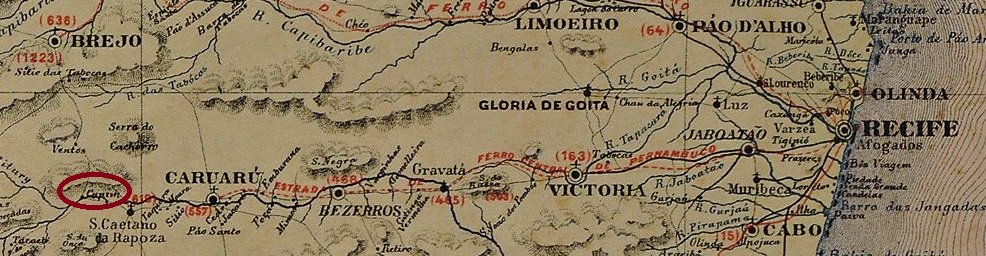
ICE-0175a (DK) 1850ff

Towards the end of the Empire, ICE-0175b (fig. Felipe Piccinini) can also be found:

ICE-0175b (FP) 1890
Villiers de l’Ile Adam: Carta (…) da Provincia do Ceará, 1849

Andere Namen: Villa Nova, Campo Grande, Inhussu, Guaraciaba do Norte (1951)

Siehe auch Campo Grande (CCE-0075), Villa Nova d’El-Rey (VCE-0373)

Hier haben wir wieder eine alte Ortschaft mit konfuser Geschichte. Diese fing 1760 mit der Errichtung der Kapelle Nossa Sra. dos Prazeres an, die am Osthang der Serra da Ibiapaba (oder auch Serra Grande) lag, knapp 300 km westlich der späteren Provinzhauptstadt Fortaleza entfernt. Im Mai 1791 wurde der wachsende Ort namens Campo Grande zur Villa Nova d’El-Rey erhoben. Nach der Kolonialzeit war der Königsname nicht mehr erwünscht, also wechselte im August 1840 die Ortsverwaltung zum Nachbarort Ipu – nun unter dem Namen Villa Nova do Ipú Grande. Es musste eine starke Rivalität zwischen beiden Orten vorhanden sein, denn gleich im Januar 1841 wurde die alte Villa Nova d’El-Rey wieder politisch selbständig, jetzt als Villa de Campo Grande. Diese Selbständigkeit dauerte nicht lange: im Dezember 1842 wurde Campo Grande zum Distrikt von Ipu herabgestuft. Und so blieb es bis Januar 1879, als die Vila von Campo Grande abermals ins Leben gerufen wurde. Danach wechselte der Ortsname zweimal: im Dezember 1943 zu Inhussu und im November 1951 zum heute noch aktuellen Guaraciaba do Norte. Der Name Guaraciaba hat indianischen Ursprung und soll goldene Haare bedeuten.

Das örtliche Postamt entstand im Februar 1832, wie R. Koester in Carimbologia XXII schreibt. Das Jahr wird im Verzeichnis der kaiserlichen Postämter (Tabella das Agencias do Correio do Imperio, Rio de Janeiro, 1885) bestätigt. Der bisher älteste Poststempel mit diesem Ortsnamen ist ICE-0175a (Samml. Dieter Kerkhoff):
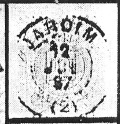
ICE-0175a (DK) 1850ff

Gegen Ende des Kaiserreichs findet sich auch ICE-0175b (Abb. Felipe Piccinini):
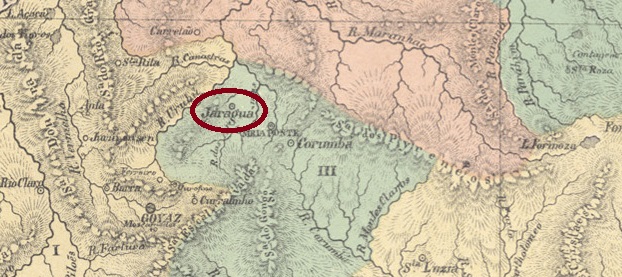
ICE-0175b (FP) 1890
Categories
Carimbologia H-L

Iporanga, São Paulo (ISP-0600)

Villiers de l’Ile Adam: Carta (…) da Provincia de São Paulo, 1847
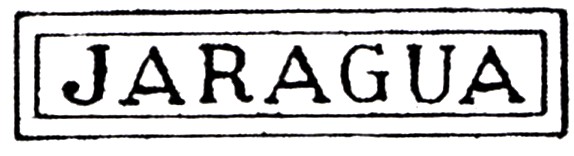
See also Yporanga (YSP-0601)

The name Yporanga (also spelled Iporanga) comes from the Tupi-Guarani and means Beautiful Waters. The old freguesia of Yporanga was established as early as December 1830 and was located at the mouth of the river of the same name in the Ribeira do Iguape in the Município of Apiahy, 310 km southwest of the provincial capital of São Paulo. In March 1843, the village went to the Vila of Xiririca and became a Vila itself in April 1873. It even became a town in December 1906, but was downgraded as a district of Apiahy between 1934 and 1936.

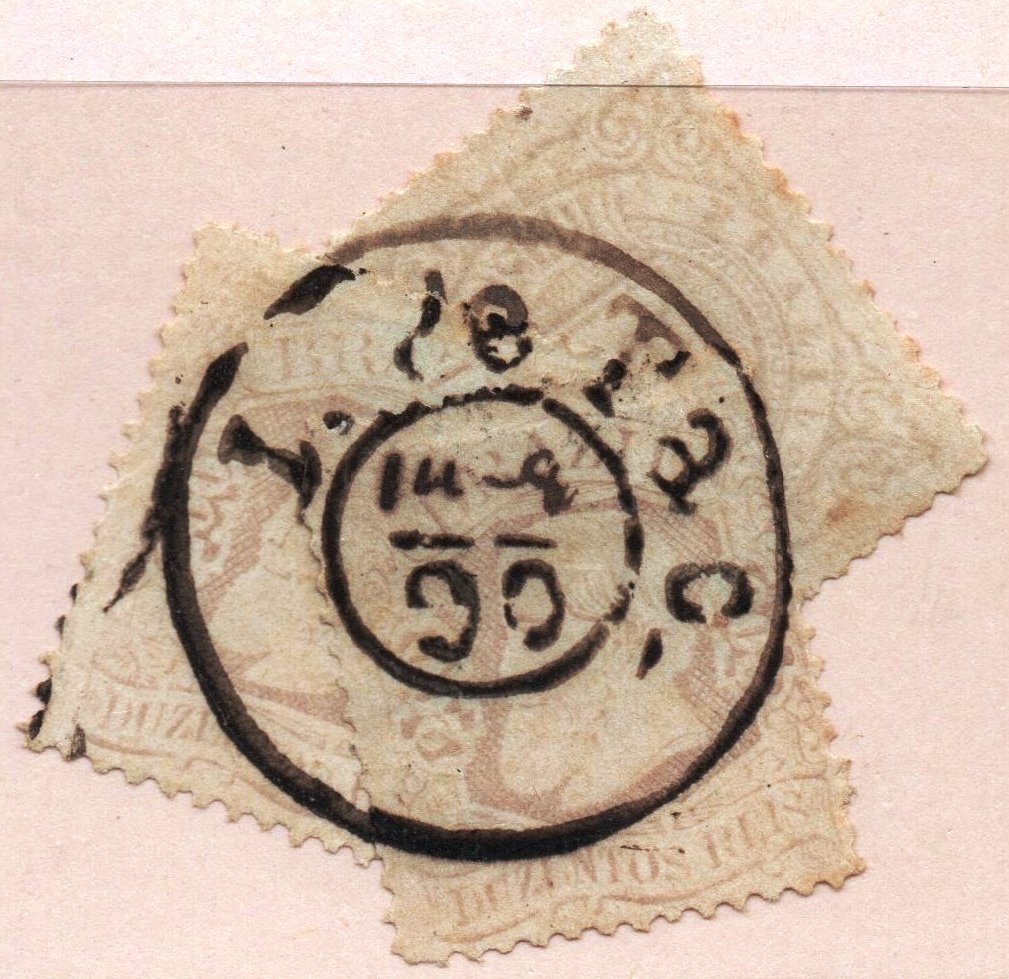
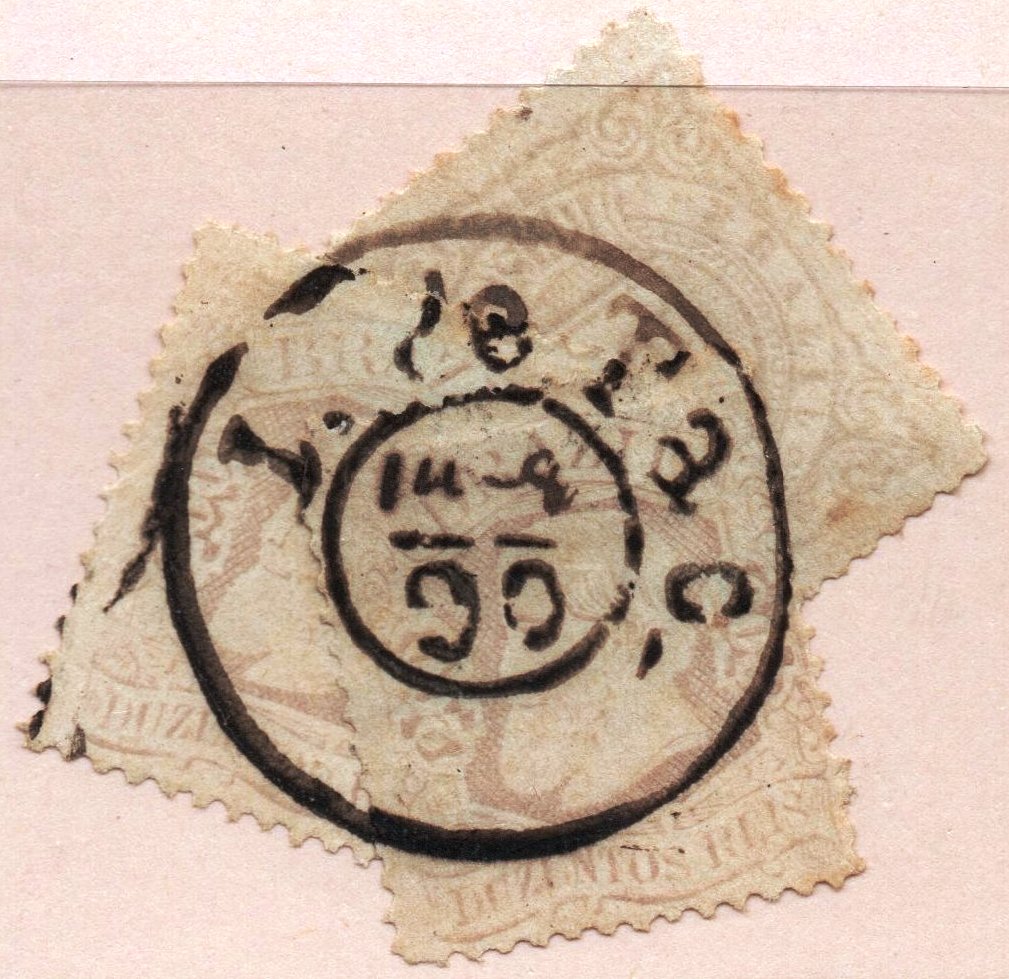
As can be read in the Directory of Imperial Post Offices (Tabella das Agencias do Correio do Imperio, Rio de Janeiro, 1885), there was a post office there since 1873. A 19th century postmark was found, unfortunately not the first: the French type ISP-0600a (Coll. Claudio Coelho):

ISP-0600a (CC) 1890-1904
Atlas do Imperio do Brasil, 1868

Siehe auch Yporanga (YSP-0601)

Der Name Yporanga (Auch Iporanga geschrieben) kommt aus dem Tupi-Guarani und bedeutet Schönes Gewässer. Die alte Freguesia von Yporanga entstand bereits im Dezember 1830 und lag an der Mündung des gleichnamigen Flusses in den Ribeira do Iguape im Município von Apiahy. 310 km südwestlich der Provinzhauptstadt São Paulo entfernt. Im März 1843 ging der Ort zur Vila von Xiririca und wurde im April 1873 selber eine Vila. Im Dezember 1906 wurde daraus sogar eine Stadt, die allerdings zwischen 1934 und 1936 als Distrikt von Apiahy herabgestuft wurde.

Wie imVerzeichnis der kaiserlichen Postämter (Tabella das Agencias do Correio do Imperio, Rio de Janeiro, 1885) zu lesen ist, gab es dort ein Postamt seit 1873. Ein Poststempel des 19. Jahrhunderts wurde gefunden, leider nicht der erste, der Französischer Typus ISP-0600a (Samml. Claudio Coelho):

ISP-0600a (CC) 1890-1904