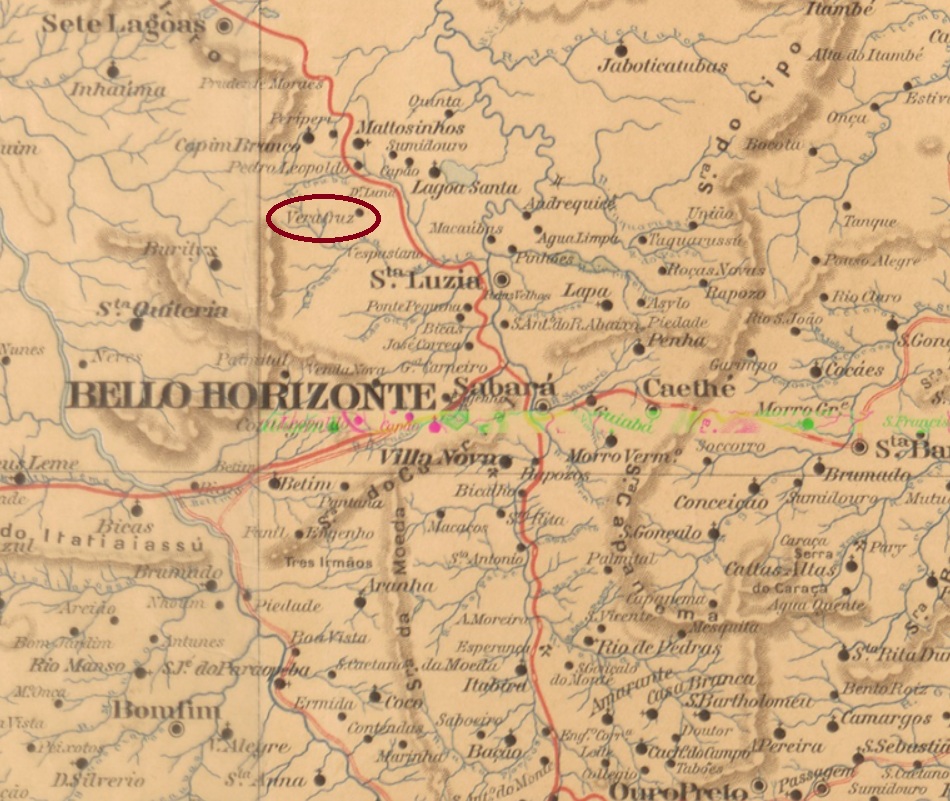
Other names: Pindahybas do Calabouço, Vera Cruz, Pindaré, Vera Cruz de Minas (1953)
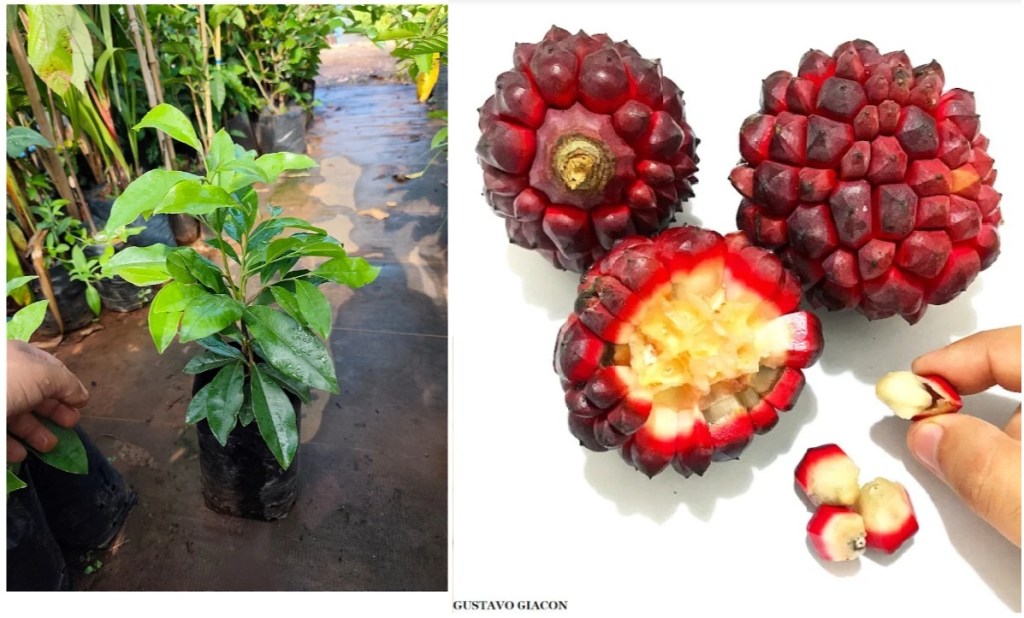
In Brazil, the name Pindaíba or Pindaíva (in the modern spelling) refers to a beautiful plant of the Anonaceae family:
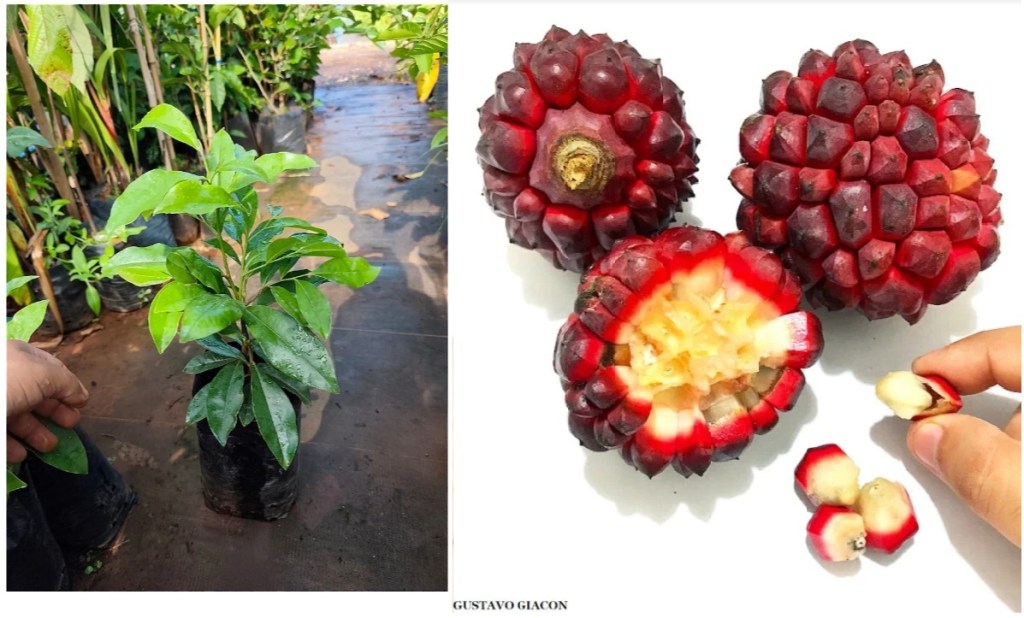
The term originates from the Tupi-Guarani language and means ‘stick for a fishing rod’. For reasons unknown, however, it is also used nationwide to refer to cachaça or to a state of financial hardship.
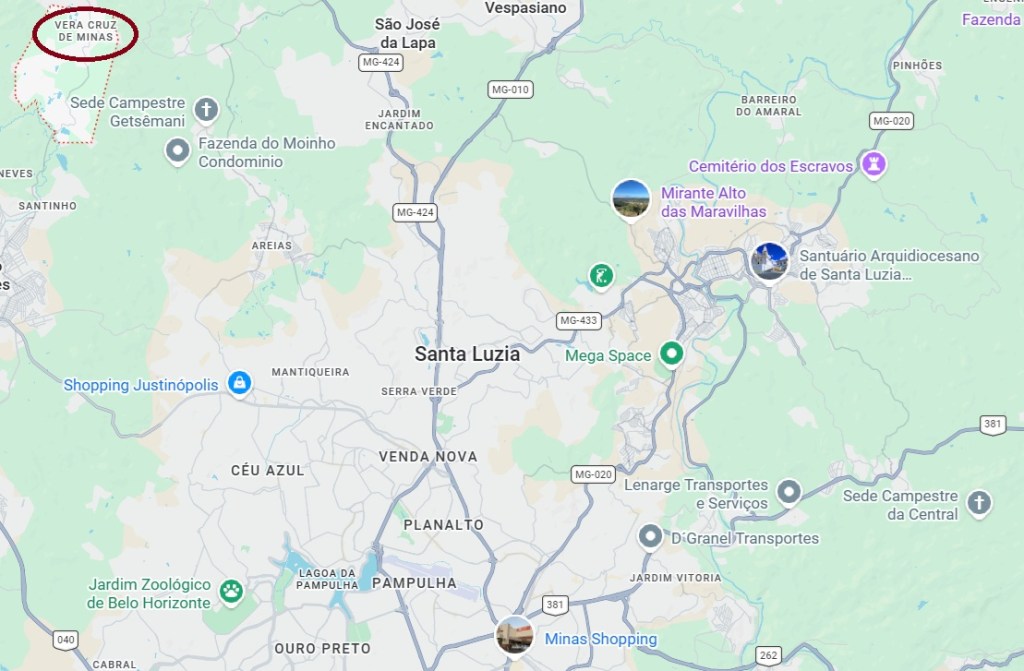
In the imperial province of Minas Gerais, there were at least three localities named Pindahybas, as well as a river of the same name. Apart from the place we are discussing here, the other two Pindahybas were located in the vicinity of Vila de Diamantina, to the west and north-east of the diamond town respectively. The former is now the Distrito de Senador Mourão; the latter has since disappeared from the map, but appears to lie within the present-day Município de Augusto de Lima. The resulting confusion has led to errors on the part of some researchers.
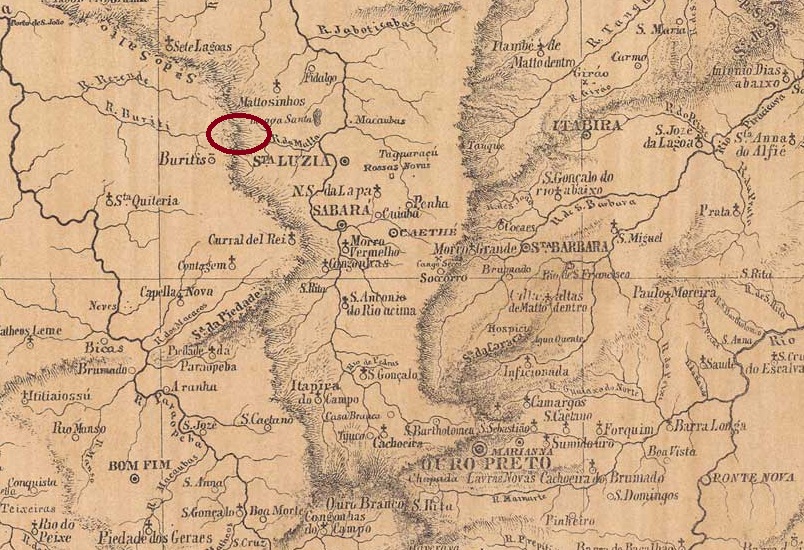
Around 1710, our Pindahybas was a settlement of Vila de Sabará on the north bank of the Ribeirão das Neves, 140 kilometres north-west of the future provincial capital, Ouro Preto. Until 1870, it belonged to the Freguesia de Curral d’El-Rei, now known as Belo Horizonte. In December 1873 (or 1874; here too the situation is unclear), Pindahybas was elevated to the status of a district. In April 1900, it became the Distrito de Vera Cruz, which came under the jurisdiction of the Município de Contagem in August 1911. As a district, Vera Cruz was transferred to the Município de Pedro Leopoldo in September 1923. Two name changes followed: in December 1943 to Distrito de Pindaré and in December 1962 to the current Distrito de Vera Cruz de Minas.
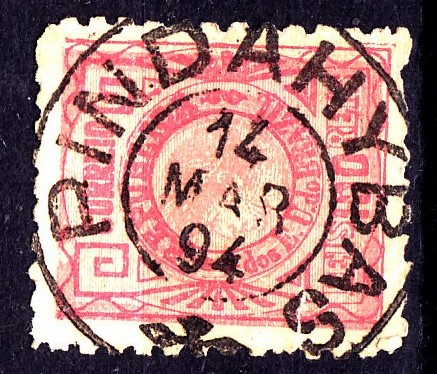
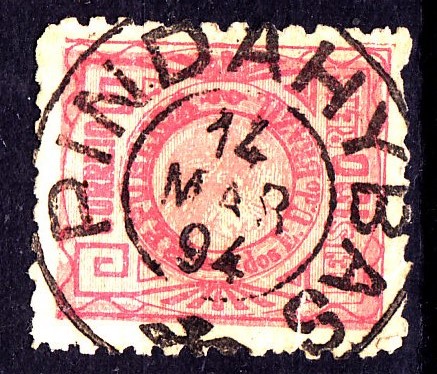
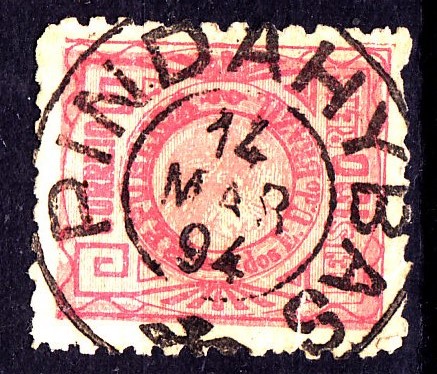
As indicated in the Postal Report (Relatório Postal) for the year 1886, there had been a post office there since September 1881. The oldest postmark to date is PMG-1945a (Karlheinz Wittig collection):
Outros nomes: Pindahybas do Calabouço, Vera Cruz, Pindaré, Vera Cruz de Minas (1953)
Pindaíba ou Pindaíva (na grafia atual) é o nome dado no Brasil a uma bela planta da família Anonaceae:
O termo tem origem na língua tupi-guarani e significa “vara para anzol”. Por razões inexplicáveis, porém, ele também é usado em todo o país para designar cachaça ou uma situação de falta de dinheiro.
Na província imperial de Minas Gerais, havia pelo menos três localidades chamadas Pindahybas, bem como um rio homônimo. Além do local de que falaremos aqui, as outras duas Pindahybas ficavam na região de Diamantina, a oeste e a nordeste da cidade, respectivamente. A primeira é hoje o Distrito de Senador Mourão; a segunda desapareceu do mapa, mas parece estar localizada no atual Município de Augusto de Lima. A confusão resultante provocou erros de alguns pesquisadores.
Nossa Pindahybas era, por volta de 1710, um povoado da Vila de Sabará, na margem norte do Ribeirão das Neves, 140 quilômetros a noroeste da futura capital provincial, Ouro Preto. Até 1870, pertencia à Freguesia de Curral d’El-Rei, a atual Belo Horizonte. Em dezembro de 1873 (ou 1874, também aqui a situação é pouco clara), Pindahybas foi elevada a distrito. Em abril de 1900, tornou-se o Distrito de Vera Cruz, que em agosto de 1911 passou a subordinar-se ao Município de Contagem. Como distrito, Vera Cruz passou a fazer parte do Município de Pedro Leopoldo em setembro de 1923. Seguiram-se duas mudanças de nome: em dezembro de 1943 para Distrito de Pindaré e, em dezembro de 1962, para o atual Distrito de Vera Cruz de Minas.
Conforme consta do Relatório Postal de 1886, havia ali uma agência dos correios desde setembro de 1881. O carimbo postal mais antigo encontrado até o momento é o PMG-1945a (Coleção Karlheinz Wittig):
Andere Namen: Pindahybas do Calabouço, Vera Cruz, Pindaré, Vera Cruz de Minas (1953)
Pindaíba oder Pindaíva (in der heutigen Schreibweise) nennt man in Brasilien eine schöne Pflanze der Familie Anonaceae:
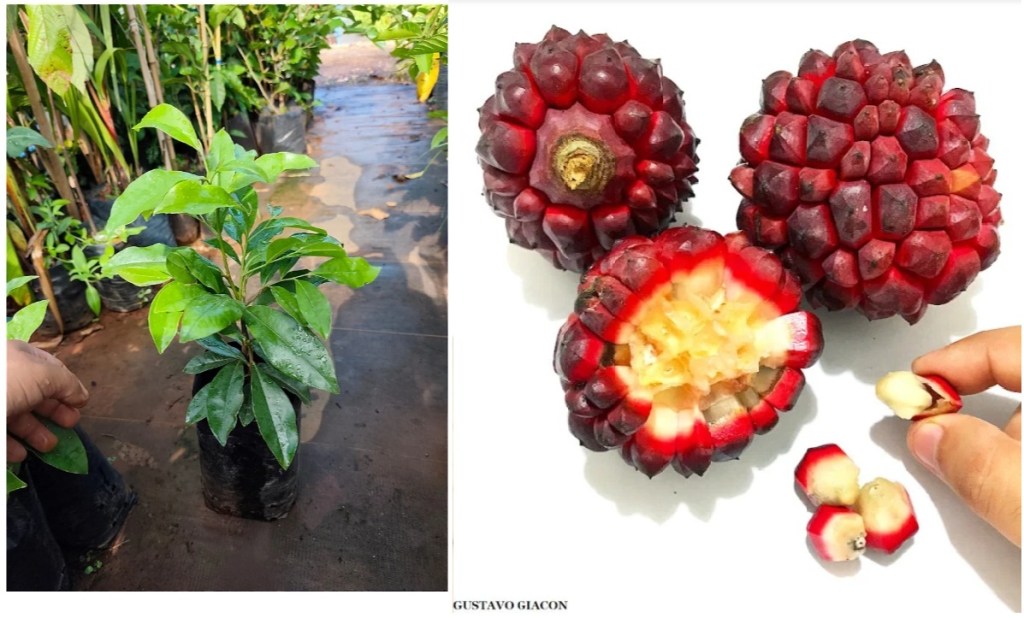
Der Begriff stammt aus der Sprache Tupi-Guaraní und bedeutet „Stock für Angelhakenrute“. Aus unerfindlichen Gründen wird er landesweit jedoch auch verwendet, um Zuckerrohrschnaps oder einen Zustand von Geldmangel zu bezeichnen.
In der kaiserlichen Provinz Minas Gerais gab es mindestens drei Ortschaften, die Pindahybas hießen, sowie einen Fluss gleichen Namens. Außer dem Ort, von dem hier die Rede sein wird, befanden sich die beiden anderen Pindahybas im Bereich der Vila de Diamantina, jeweils westlich und nordöstlich der Diamantenstadt. Erstere ist heute der Distrito de Senador Mourão, die zweite ist inzwischen von der Karte verschwunden, scheint aber im heutigen Município de Augusto de Lima zu liegen. Die daraus entstandene konfuse Lage hat bei einigen Forschern zu Fehlern geführt.
Unser Pindahybas war um 1710 eine Siedlung der Vila de Sabará am Nordufer des Ribeirão das Neves, 140 Kilometer nordwestlich der späteren Provinzhauptstadt Ouro Preto. Bis 1870 gehörte sie zur Freguesia de Curral d’El-Rei, dem heutigen Belo Horizonte. Im Dezember 1873 (oder 1874, auch hier ist die Lage unklar) wurde Pindahybas zum Distrikt erhoben. Im April 1900 wurde sie zum Distrito de Vera Cruz, der im August 1911 dem Município de Contagem unterstand. Als Distrikt ging Vera Cruz im September 1923 zum Município de Pedro Leopoldo über. Es folgten zwei Ortsumbenennungen: im Dezember 1943 zu Distrito de Pindaré und im Dezember 1962 zum aktuellen Distrito de Vera Cruz de Minas.
Wie aus dem Postbericht (Relatorio Postal) für das Jahr 1886 hervorgeht, gab es dort ein Postamt seit September 1881. Der bisher älteste Poststempel ist PMG-1945a (Sammlg. Karlheinz Wittig):

 Carimbologia