
The Freguesia de São Sebastião da Ponte Nova had existed since July 1832. It was part of the Vila de Mariana and was situated on the eastern bank of the Piranga, 80 km east of the provincial capital, Ouro Preto. It became a Vila in July 1857, and was granted town status in October 1866.
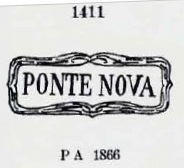
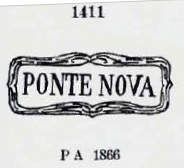
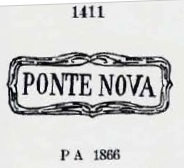
Nova Monteiro writes in Administrações e Agências Postais do Brasil Império (Brasil Filatelico/RJ, 1934–5; reprinted by SPP 1994–1999) that a post office had been in operation there since May 1863. However, the correct date is likely to be in August of that year, as indicated in the Postal Report (Relatório Postal) for the year 1886. The oldest postmark to date is the fine PMG-2025a, which was assigned No. 1411 in P. Ayres’ Catálogo de Carimbos Brasil-Império (São Paulo, 1937, 1942):
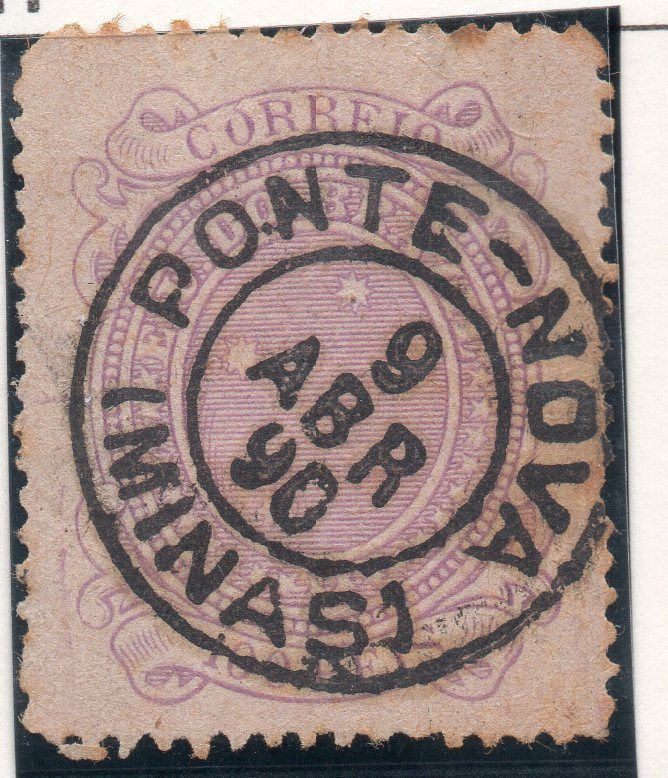
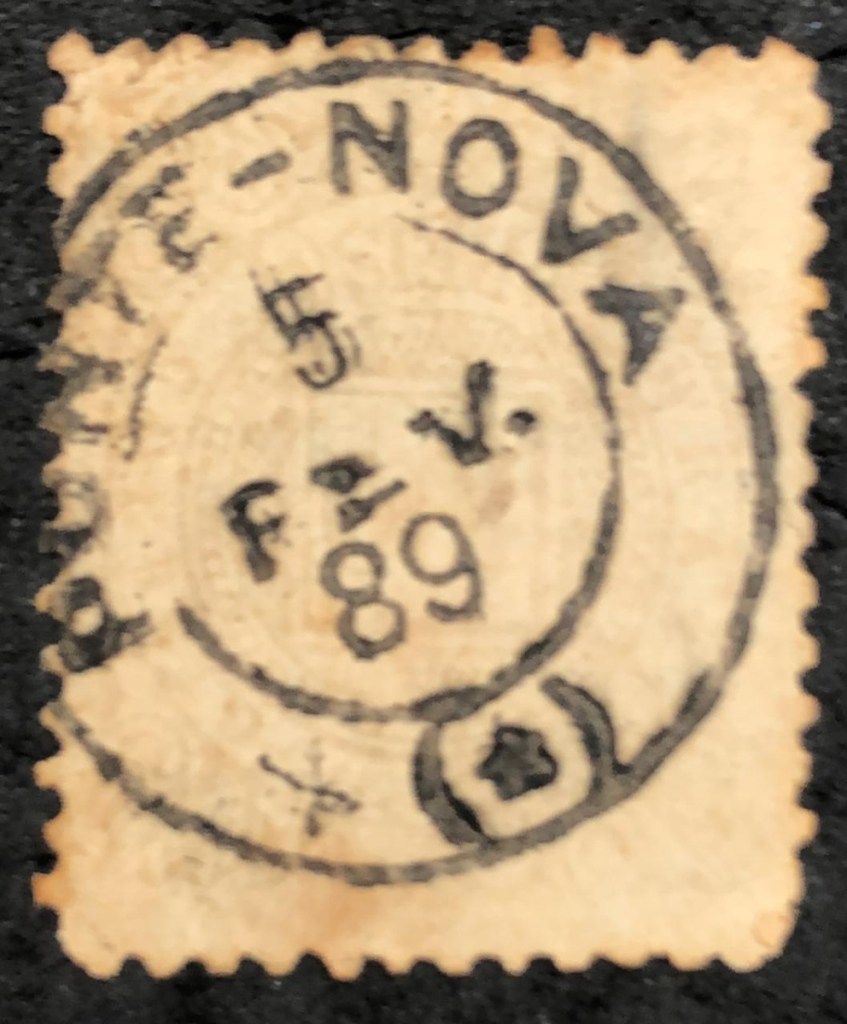
This was followed by the French type PMG-2025b (Marco Morel collection), which also exists in blue.
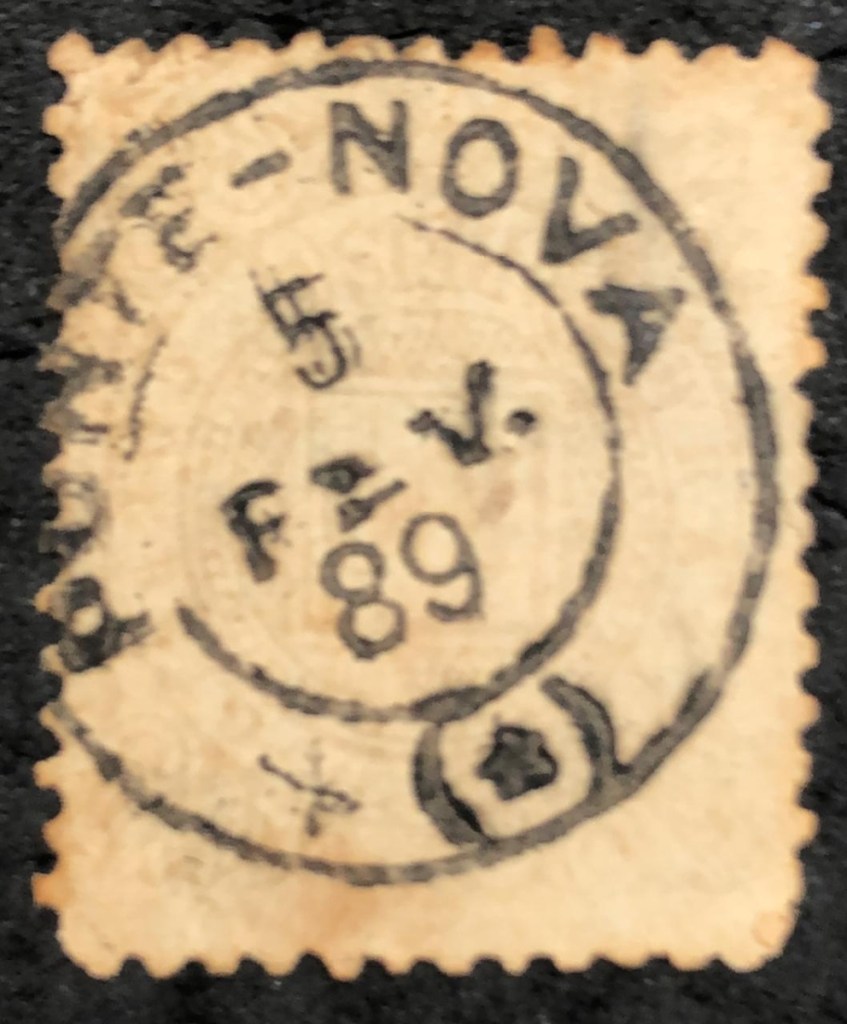
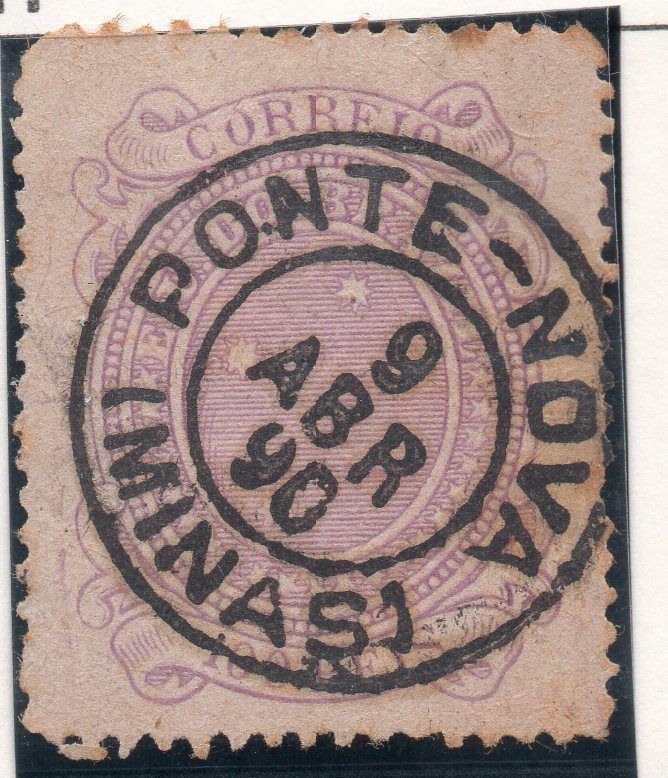
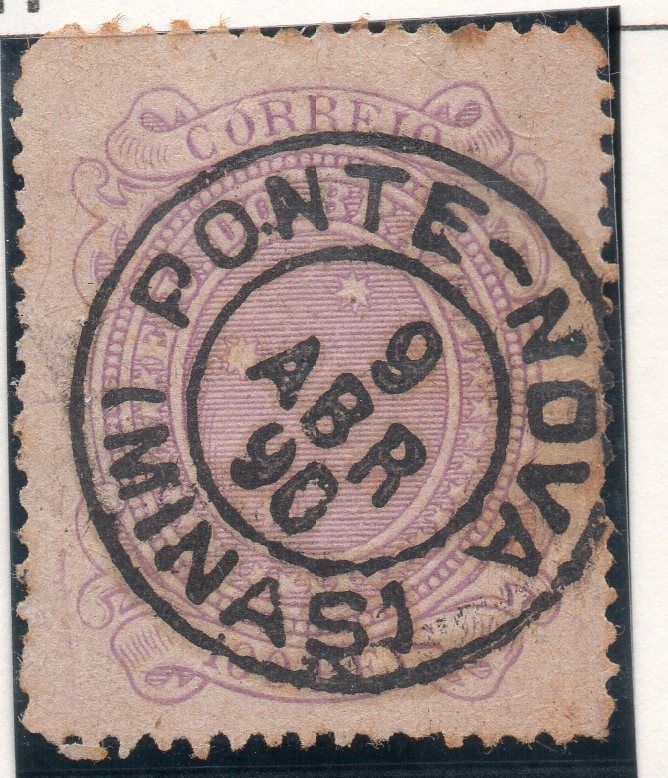
Towards the end of the Empire, PMG-2025c (Karlheinz Wittig collection) also appeared:
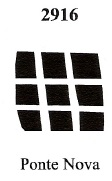
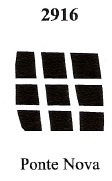
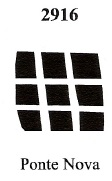
James Dingler and Klerman W. Lopes have also listed a silent postmark from Ponte Nova in Minas Gerais, numbered 2916, in Mute Cancellations of the Brazil Empire / Carimbos Mudos do Brasil Império (Brazil Philatelic Association, Rio de Janeiro, 2000):
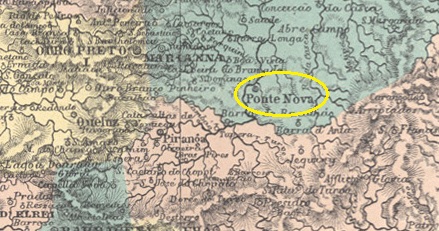
A Freguesia de São Sebastião da Ponte Nova existia desde julho de 1832. Pertencia à Vila de Mariana e ficava na margem leste do rio Piranga, 80 km a leste da capital provincial, Ouro Preto. Em julho de 1857, tornou-se uma vila, e em outubro de 1866, uma cidade.
Nova Monteiro escreve em Administrações e Agências Postais do Brasil Império (Brasil Filatélico/RJ, 1934-5; reimpressão SPP 1994-1999) que havia uma agência postal no local desde maio de 1863. No entanto, a data correta provavelmente seria em agosto daquele ano, conforme consta no Relatório Postal de 1886. O carimbo postal mais antigo encontrado até o momento é o belo PMG-2025a, que recebeu o nº 1411 no Catálogo de Carimbos Brasil-Império, de P. Ayres (São Paulo, 1937, 1942):
Seguiu-se o tipo francês PMG-2025b (coleção Marco Morel), que também aparece na cor azul.
No final do Império, surgiu também o PMG-2025c (coleção Karlheinz Wittig):
James Dingler e Klerman W. Lopes também listaram, em Mute Cancellations of the Brazil Empire / Carimbos Mudos do Brasil Império (Brazil Philatelic Association, Rio de Janeiro, 2000), um carimbo postal mudo de Ponte Nova, em Minas Gerais, com o nº 2916:
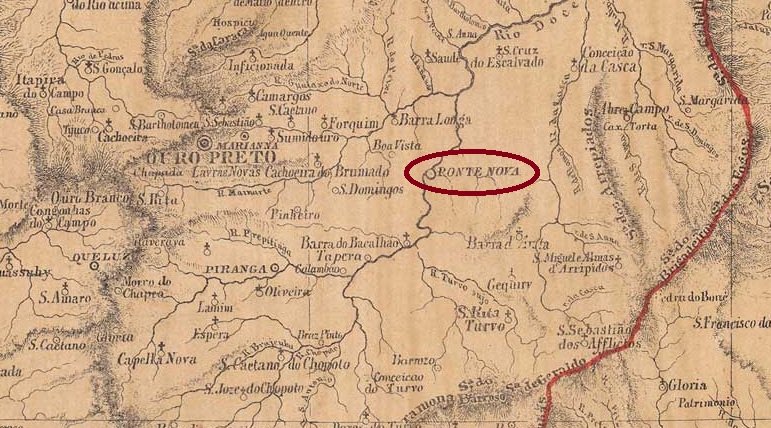
Die Freguesia de S. Sebastião da Ponte Nova bestand seit Juli 1832. Sie gehörte zur Vila de Mariana und lag am Ostufer des Piranga, 80 km östlich der Provinzhauptstadt Ouro Preto. Sie wurde im Juli 1857 eine Vila, und diese wurde im Oktober 1866 eine Stadt.
Nova Monteiro schreibt in Administrações e Agências Postais do Brasil Império (Brasil Filatelico/RJ, 1934-5; Reprint SPP 1994-1999), dass es dort seit Mai 1863 ein Postamt gab. Das richtige Datum dürfte aber im August des Jahres liegen, wie aus dem Postbericht (Relatorio Postal) für das Jahr 1886 hervorgeht. Der bisher älteste Poststempel ist der schöne PMG-2025a, der im P. Ayres’ Catálogo de Carimbos Brasil-Império (S. Paulo, 1937, 1942) die Nr. 1411 erhielt:
Es folgte der französische Typ PMG-2025b (Sammlg. Marco Morel), den es auch in Blau gibt.
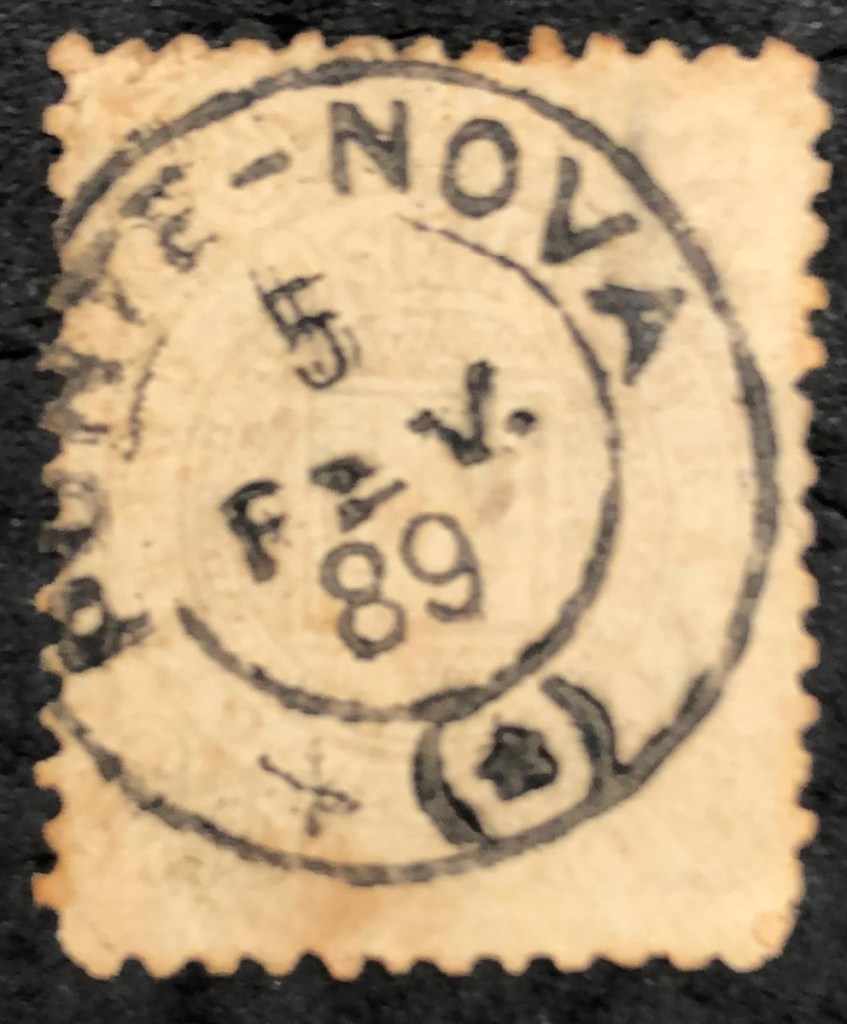
Am Ende des Kaiserreichs erschien auch PMG-2025c (Sammlg. Karlheinz Wittig):
James Dingler und Klerman W. Lopes haben in Mute Cancellations of the Brazil Empire / Carimbos Mudos do Brasil Império (Brazil Philatelic Association, Rio de Janeiro, 2000) auch einen stummen Poststempel aus Ponte Nova in Minas Gerais mit Nr. 2916 aufgeführt :

 Carimbologia