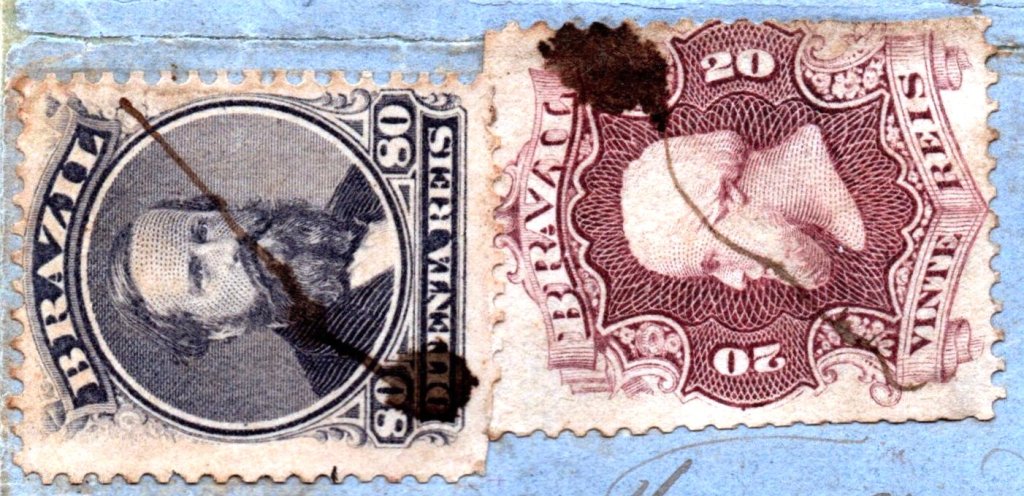
Other names: Araritaguaba
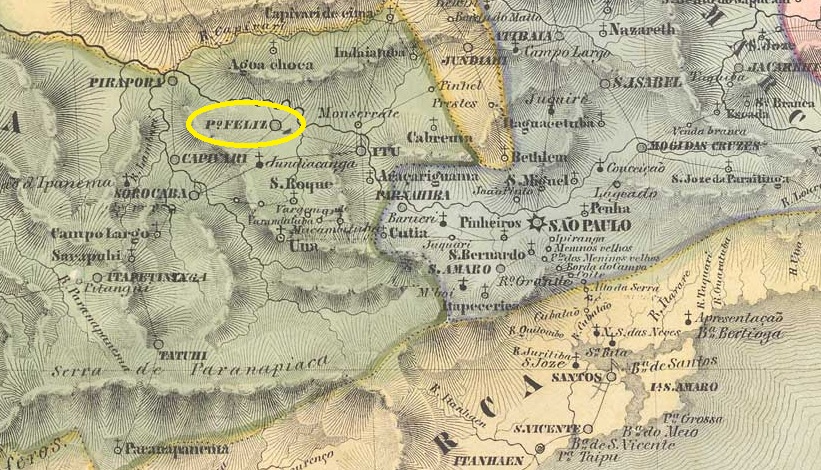
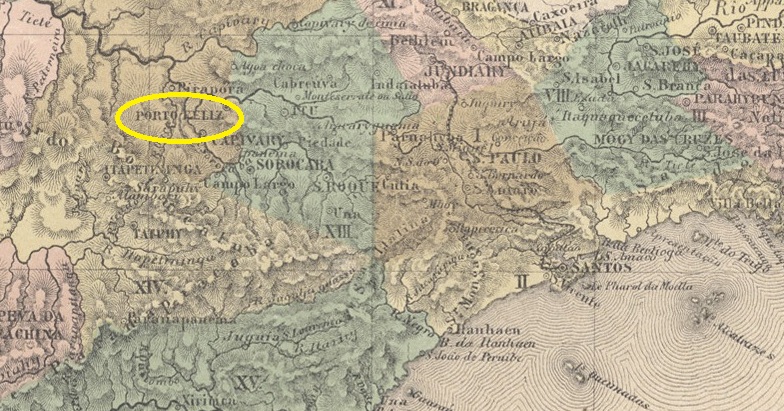
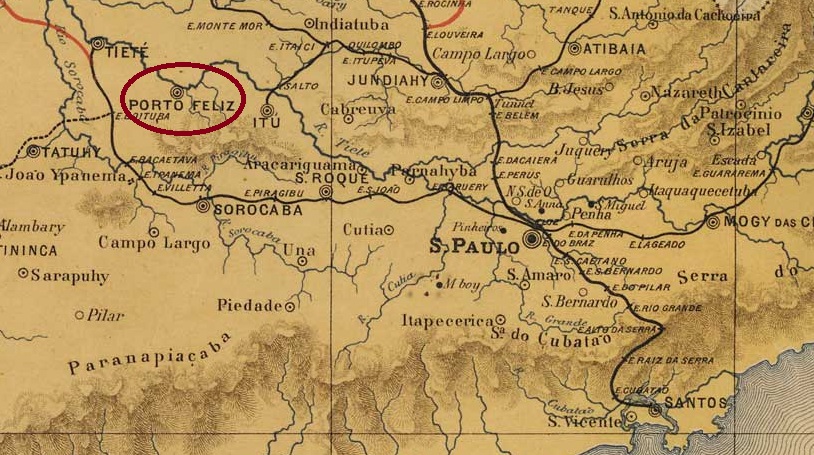
The Freguesia de Nossa Senhora da Penha de Araritaguaba had existed since 1728 and was part of the Vila de Itu. It was situated on the south bank of the River Tietê, 120 kilometres west of what would later become the provincial capital, São Paulo. In November 1844, it was renamed the Freguesia de Nossa Senhora Mãe dos Homens de Araritaguaba and was elevated to the status of a Vila in October 1797. By 1810, it was already known as Porto Feliz. Porto Feliz has been a city since April 1858. The name Araritaguaba, derived from the Tupi-Guarani language, means ‘place where the macaws eat sand’. It is said that these birds used to enjoy pecking at the saltpetre-covered banks of the river.
Two dates have been found for the creation of the local post office. The first was in February 1832, as recorded by Nova Monteiro in Administrações e Agências Postais do Brasil Império (Brasil Filatélico/RJ, 1934–1935; reprinted by SPP 1994–1999). A second date is 1846, as indicated in the directory of imperial post offices (Tabella das Agências do Correio do Império, Rio de Janeiro, 1885). However, the oldest postmark, PSP-1015a (Mario de Sanctis collection), was already in use as early as 1825, which suggests that the postal agency is, in fact, older:

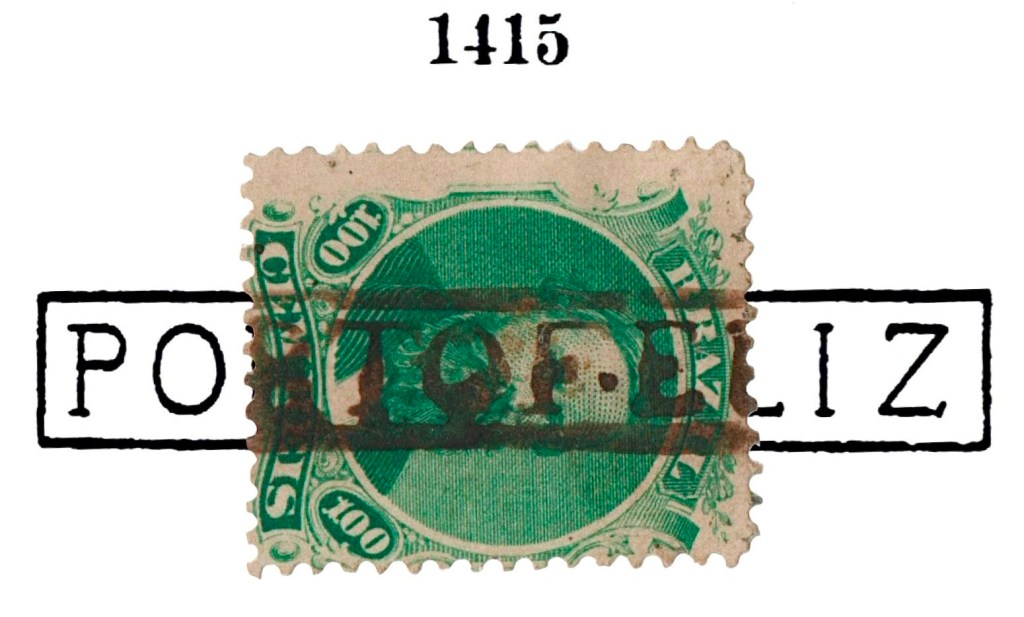
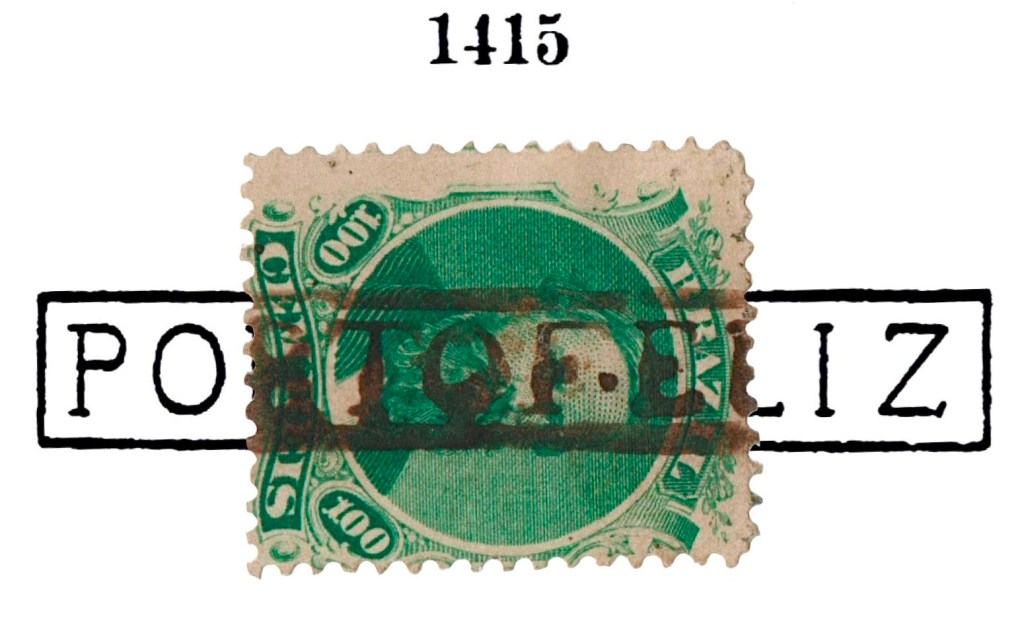
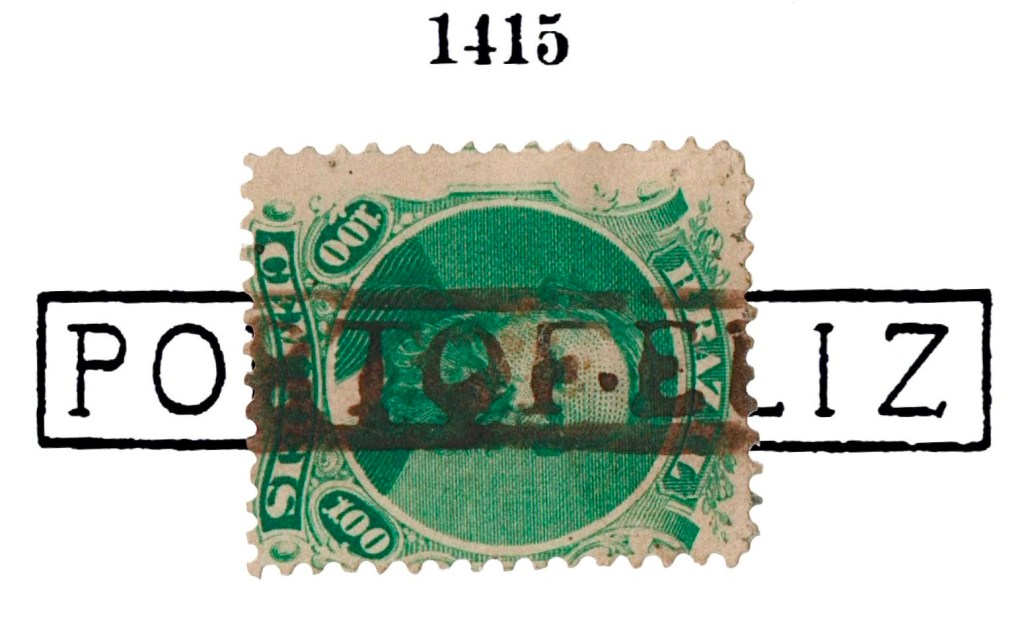
This postmark also appears in a slightly modified form during the post office’s second period of operation, as PSP-1015b, and in such form it was recorded both by P. Ayres in Catálogo de Carimbos Brasil-Império (São Paulo, 1937, 1942), under no. 1415, and in the RHM catalogue (as P-SP-31). The illustration is courtesy of the philatelist Claudio Coelho:
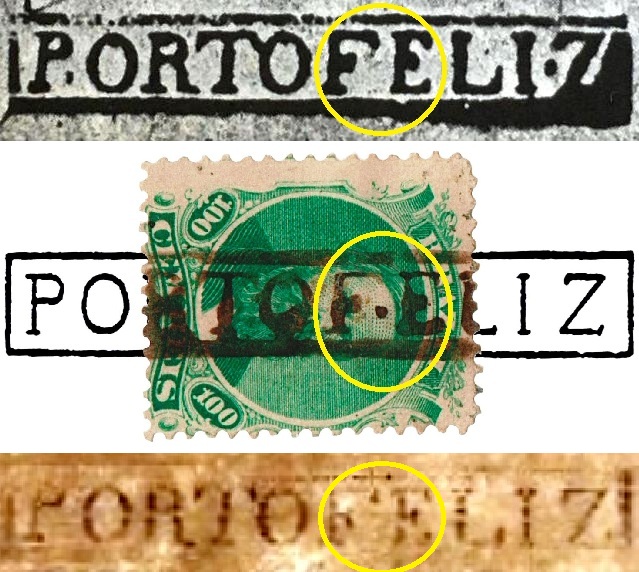
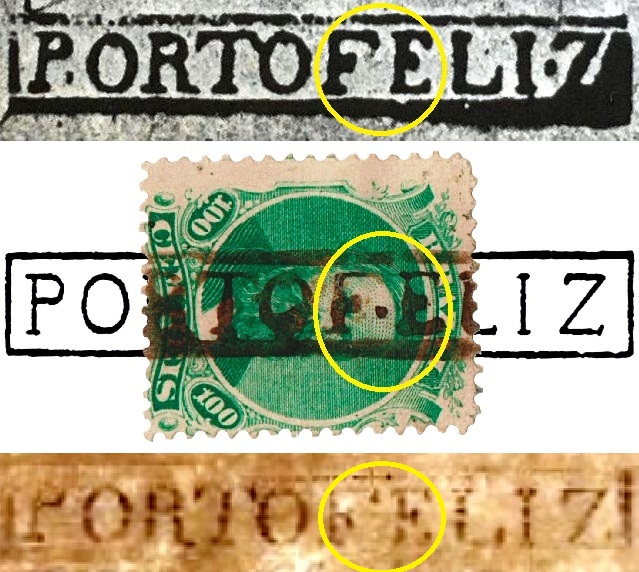
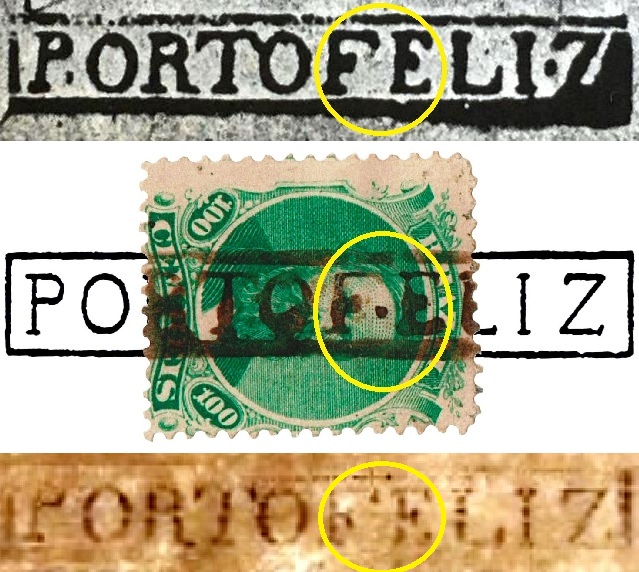
The minor differences are mainly in the word ‘FELIZ’, and there may be further variants resulting from the long period of use. Here both postmarks can be seen again, followed by an example from the collection of José L. Fevereiro:
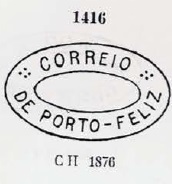
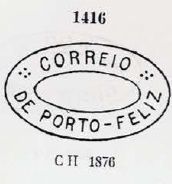
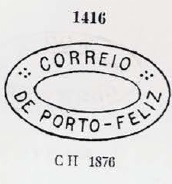
This was followed by PSP-1015c, also recorded by P. Ayres (op. cit.), this time under no. 1416:
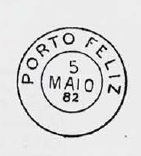
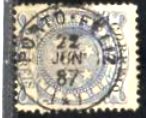
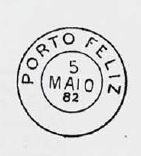
Next came the double-circle PSP-1015d, which also appears in blue:
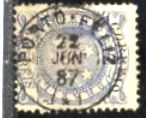
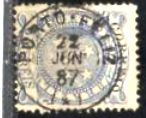
Towards the end of the Empire, the French type PSP-1015e (illustration from the internet) was also used:
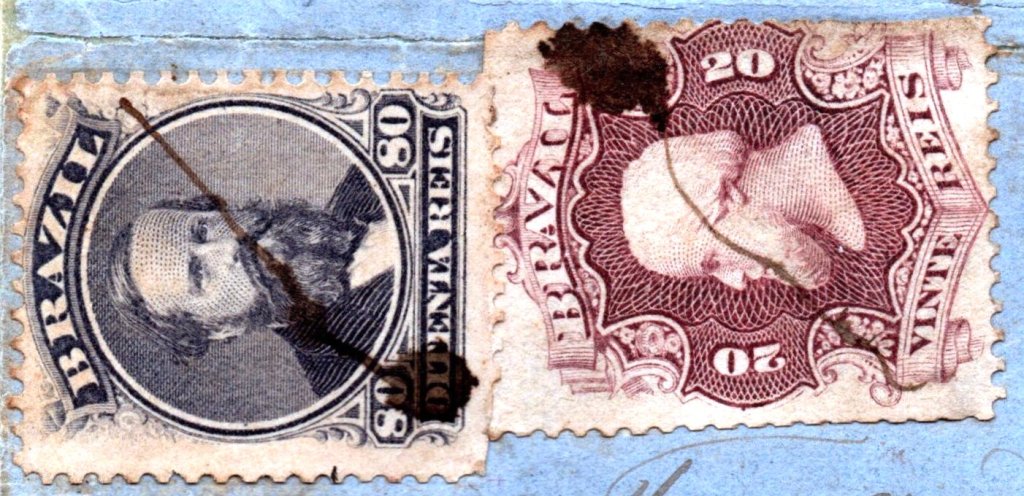
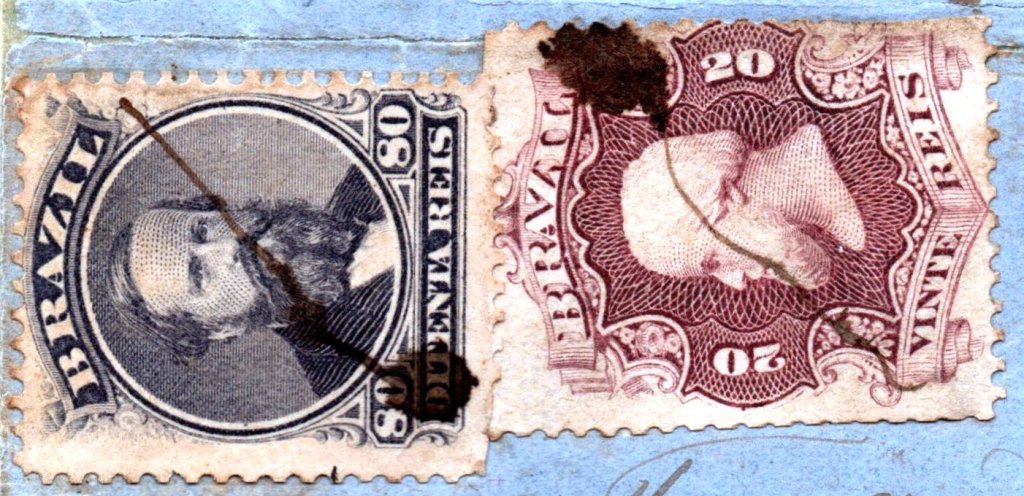
The José A. Junges collection also includes handwritten cancellations from Porto Feliz:

Outros nomes: Araritaguaba
A Freguesia de Nossa Senhora da Penha de Araritaguaba existia desde 1728 e fazia parte da Vila de Itu. Localizava-se na margem sul do rio Tietê, 120 quilômetros a oeste da futura capital provincial, São Paulo. Em novembro de 1844, foi renomeada como Freguesia de Nossa Senhora Mãe dos Homens de Araritaguaba e, em outubro de 1797, elevada à categoria de vila. Já por volta de 1810, era conhecida como Porto Feliz. Desde abril de 1858, Porto Feliz é uma cidade. O nome Araritaguaba, da língua tupi-guarani, significa “lugar onde as araras comem areia”. Supostamente, essas aves costumavam bicar as paredes de salitre nas margens do rio.
Foram encontradas duas datas de criação para a agência postal local. A primeira vez em fevereiro de 1832, conforme registra Nova Monteiro em Administrações e Agências Postais do Brasil Império (Brasil Filatélico/RJ, 1934–1935; reimpressão SPP 1994–1999). Outra vez em 1846, conforme consta na Tabela das Agências do Correio do Império (Rio de Janeiro, 1885). No entanto, o carimbo postal mais antigo, o PSP-1015a (Coleção Mario de Sanctis), já era utilizado em 1825, o que sugere que a agência postal seja, de fato, mais antiga:

Esse carimbo postal aparece, ligeiramente alterado, também no segundo período de funcionamento da agência, como PSP-1015b, e, nessa forma, foi registrado tanto por P. Ayres no Catálogo de Carimbos Brasil-Império (São Paulo, 1937, 1942), com o nº 1415, quanto no Catálogo RHM (como P-SP-31). A imagem vem do filatelista Claudio Coelho:
As pequenas diferenças estão principalmente na palavra “FELIZ”, e é possível que existam outras variantes, decorrentes do longo período de uso. Aqui podem ser vistos novamente os dois carimbos postais, seguidos de um exemplo da coleção de José L. Fevereiro:
Seguiu-se o PSP-1015c, também registrado por P. Ayres (op. cit.), desta vez sob o nº 1416:
Em seguida, surgiu o carimbo de duplo círculo PSP-1015d, que também existe na cor azul:
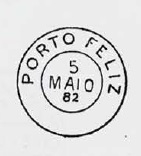
No final do Império, também foi utilizado o tipo francês PSP-1015e (ilustração da internet):
Da coleção de José A. Junges também apresentamos carimbos manuscritos de Porto Feliz:

Andere Namen: Araritaguaba
Die Freguesia de Nossa Senhora da Penha de Araritaguaba bestand seit 1728 und gehörte zur Vila de Itu. Sie lag am Südufer des Tietê, 120 Kilometer westlich der späteren Provinzhauptstadt São Paulo. Im November 1844 wurde sie in Freguesia de Nossa Senhora Mãe dos Homens de Araritaguaba umbenannt und im Oktober 1797 zur Vila erhoben. Bereits um 1810 war sie als Porto Feliz bekannt. Seit April 1858 ist Porto Feliz eine Stadt. Der Name Araritaguaba aus der Tupi-Guarani-Sprache bedeutet „Ort, wo die Aras Sand fressen“. Angeblich pickten diese Vögel damals gerne an den Salpeterwänden vom Flussufer.
Es wurden zwei Entstehungsdaten für das örtliche Postamt gefunden. Zum ersten Mal im Februar 1832, wie Nova Monteiro in Administrações e Agencias Postaes do Brasil Imperio (Brasil Filatelico/RJ, 1934–1935; Nachdruck SPP 1994–1999) schreibt. Ein weiteres Mal im Jahr 1846, wie aus dem Verzeichnis der kaiserlichen Postämter (Tabella das Agencias do Correio do Imperio, Rio de Janeiro, 1885) hervorgeht. Allerdings wurde der älteste Poststempel PSP-1015a (Sammlung Mario de Sanctis) bereits im Jahr 1825 verwendet, was die Vermutung nahelegt, dass die Postagentur doch älter ist:

Dieser Poststempel erscheint leicht verändert auch in der zweiten Betriebsperiode des Postamts, als PSP-1015b, und in dieser Form wurde er sowohl von P. Ayres in Catálogo de Carimbos Brasil-Império (São Paulo, 1937, 1942) mit Nr.1415 als auch im RHM-Katalog (als P-SP-31) erfasst. Die Abbildung stammt vom Philatelisten Claudio Coelho:
Die kleinen Unterschiede befinden sich hauptsächlich im Wort „FELIZ” und es gibt möglicherweise weitere Varianten, die durch die lange Verwendungszeit bedingt sind. Hier sind nochmals beide Poststempel zu sehen, gefolgt von einem Beispiel aus der Sammlung von José L. Fevereiro:
Es folgte PSP-1015c, ebenfalls durch P. Ayres (op. cit.) registriert, diesmal unter der Nr. 1416:
Danach kam der Doppelkreis PSP-1015d, der auch in Blau vorkommt:
Am Ende des Kaiserreichs wurde auch der französische Typ PSP-1015e (Abb. aus dem Internet) verwendet:
Aus der Sammlung von José A. Junges kommen auch handschriftliche Entwertungen von Porto Feliz: