Text update on October 13, 2026
Other names: Sumaré (1945)
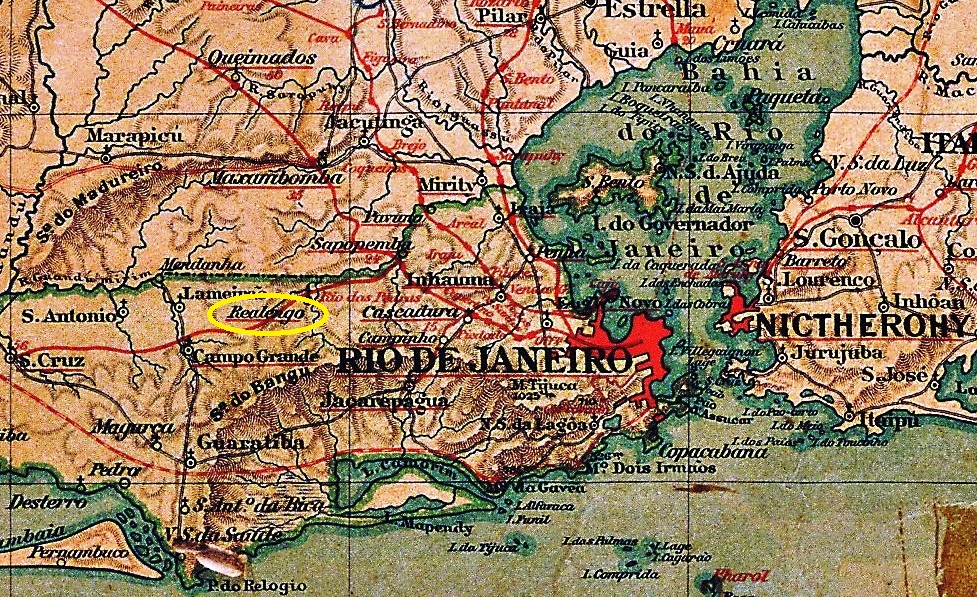
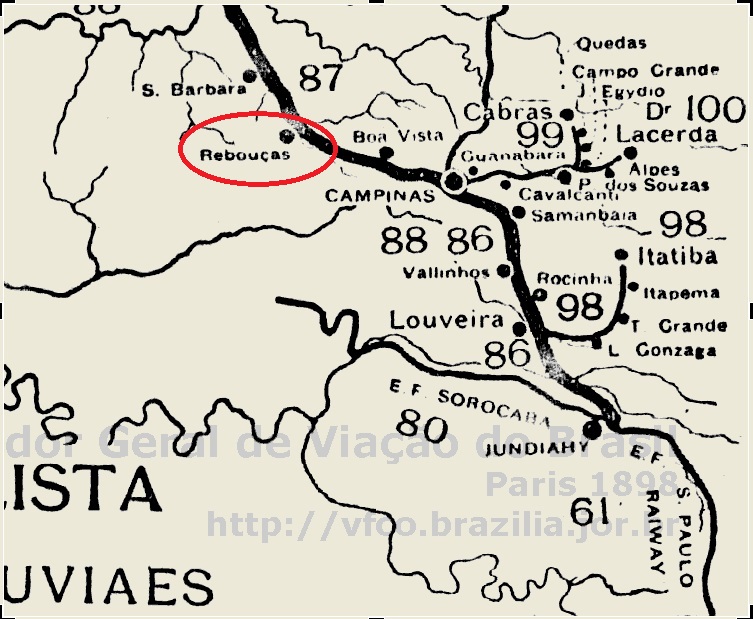
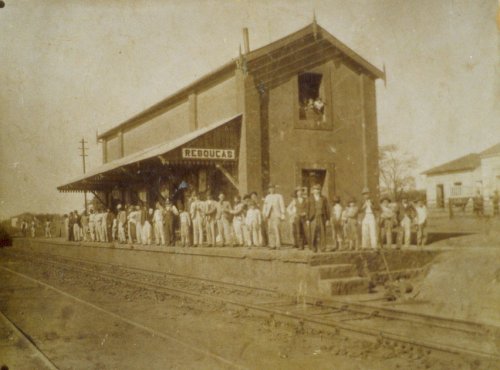
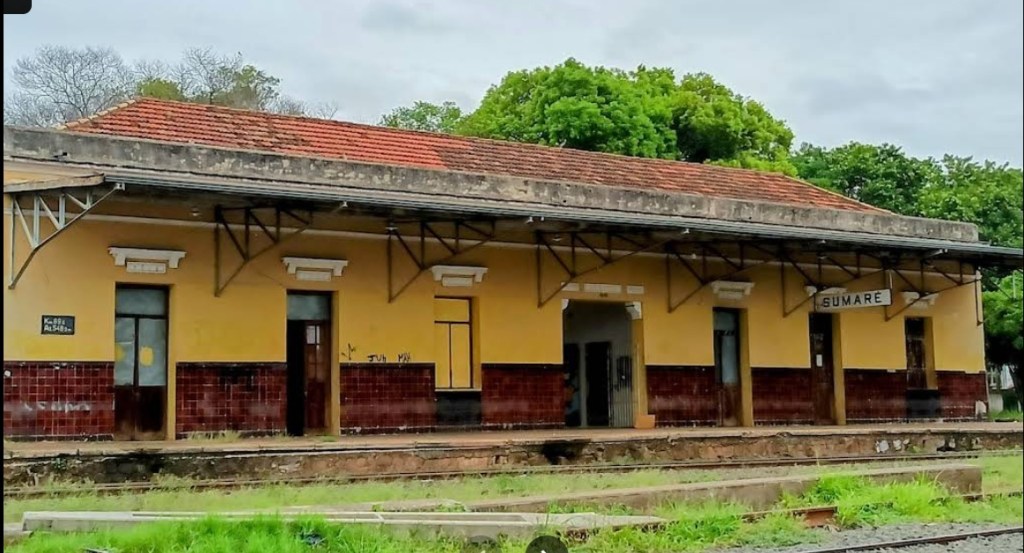
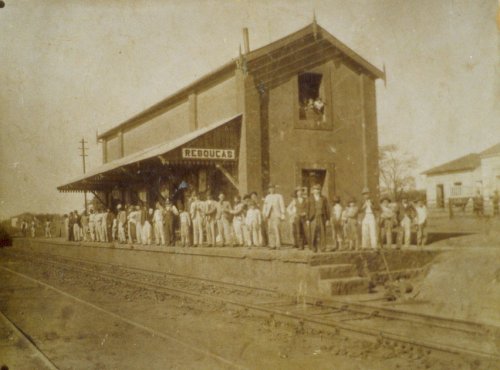
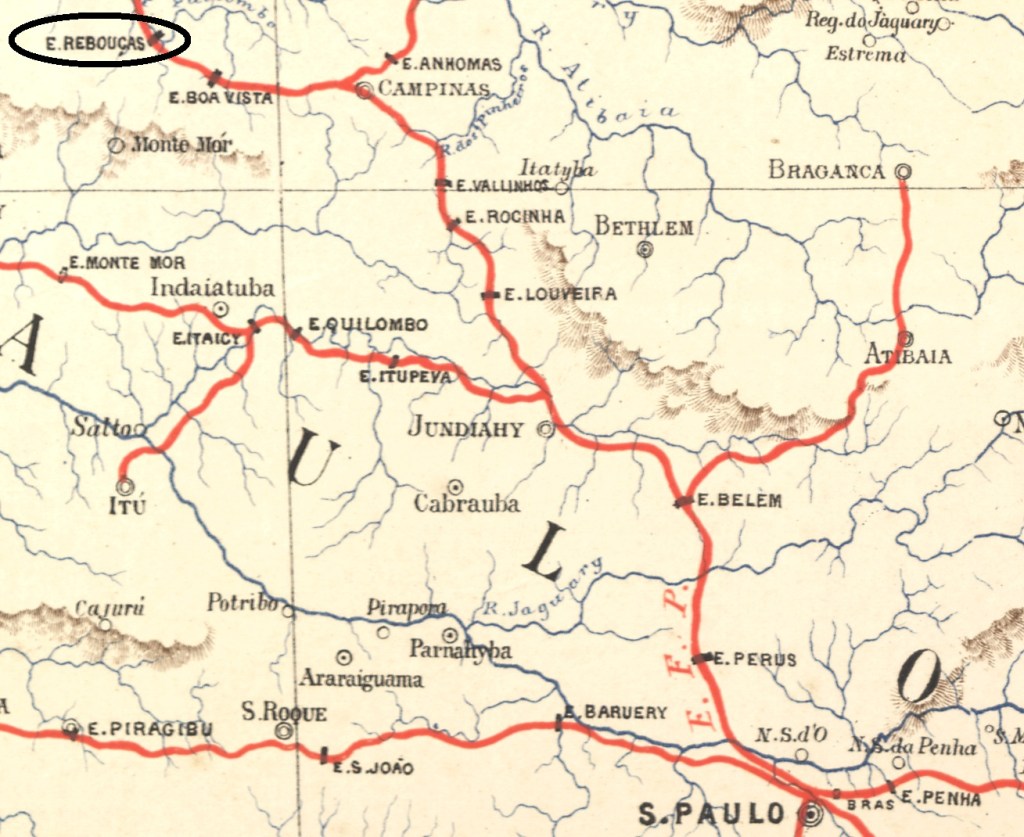
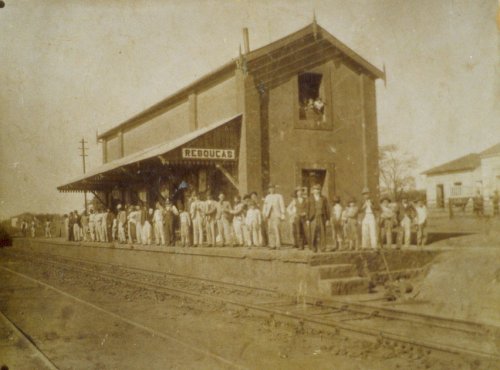
Rebouças station, operated by the Companhia Paulista de Estradas de Ferro, opened in 1875 and was then situated near Campinas, 120 kilometres north-west of the provincial capital, São Paulo. It was named after the engineer Antonio Pereira Rebouças Filho (1839–1874), a prominent employee of the railway company who had died of typhoid fever shortly beforehand.

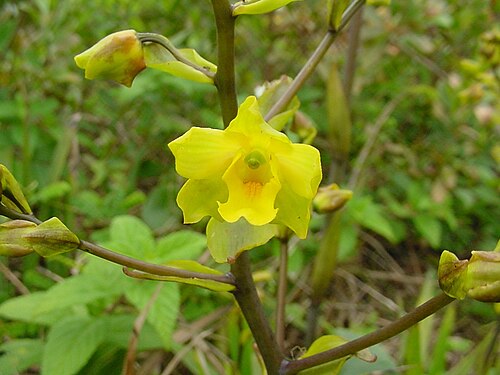
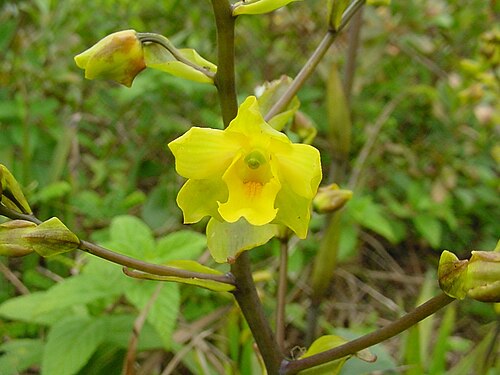
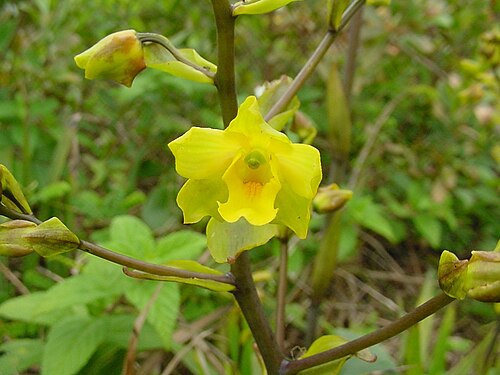
When the station was founded, there was nothing in the surrounding area apart from vast coffee plantations. The population around the station continued to grow, and in December 1909, Rebouças became a district, which was renamed Sumaré in November 1944. Sumaré has been a municipality since December 1953. The name is derived from a species of orchid commonly found in Brazil:
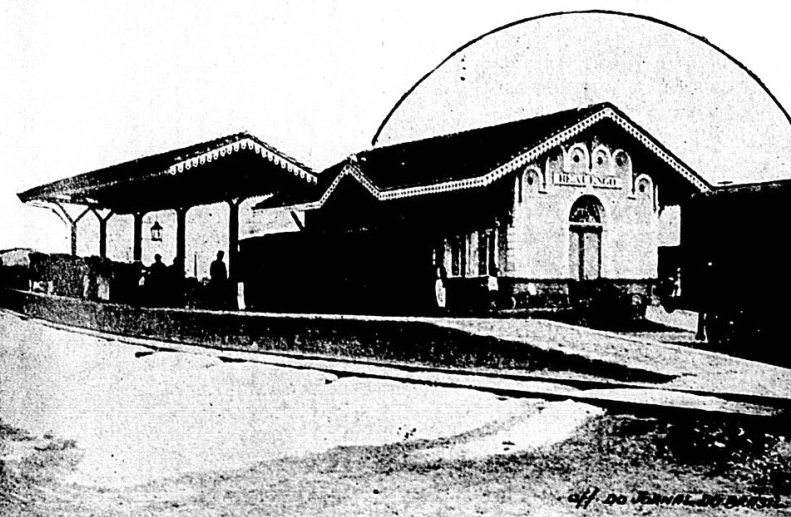
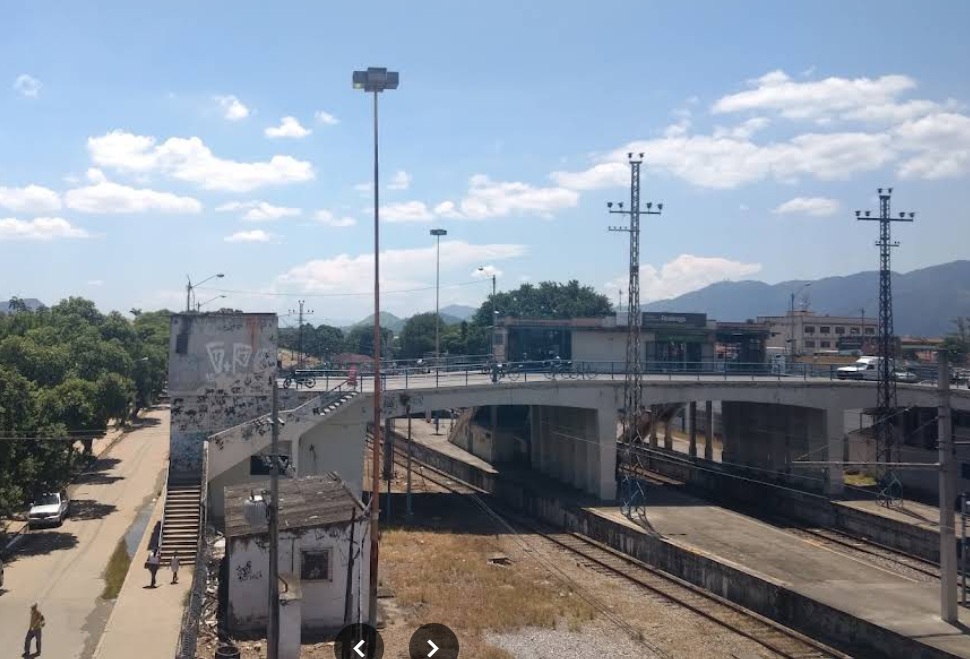
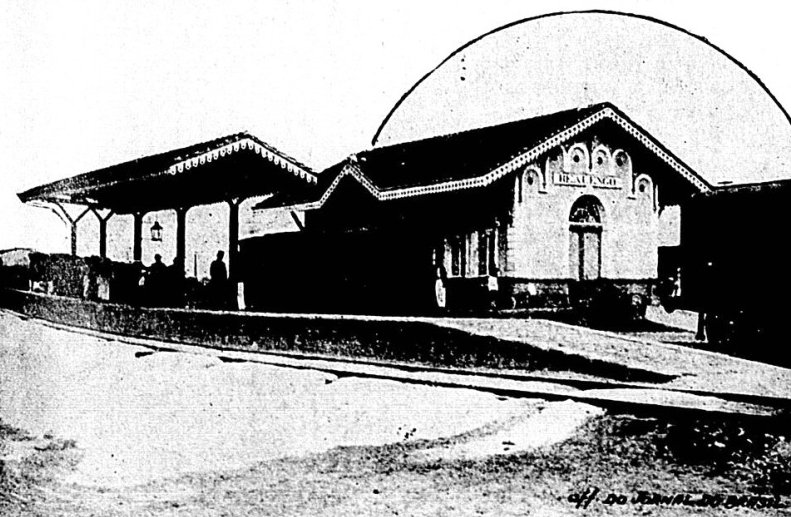
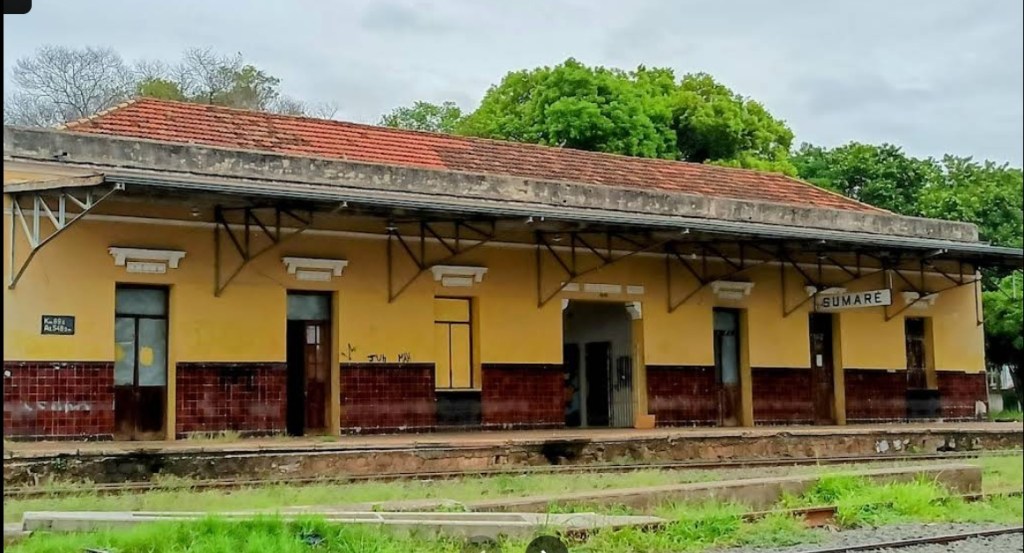
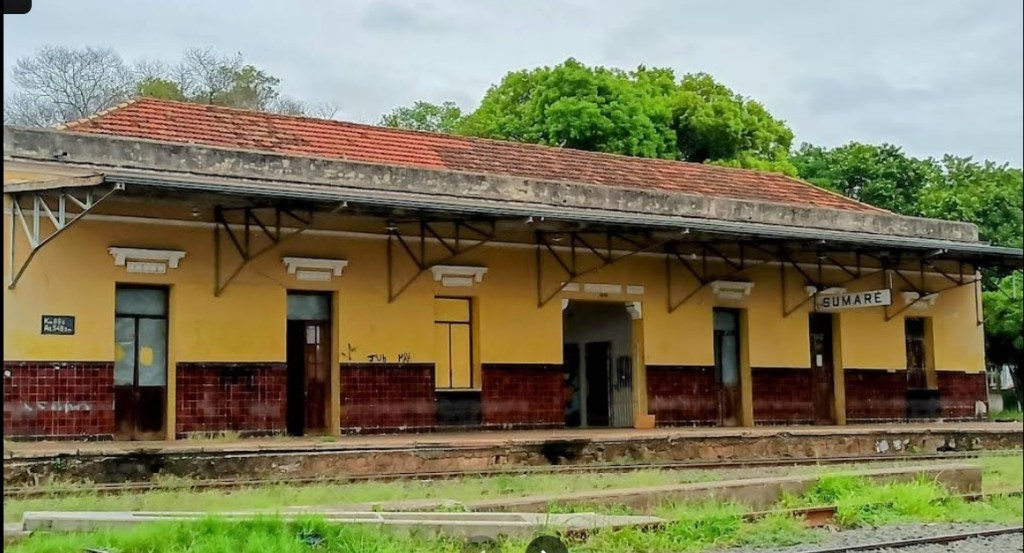
The railway line belonged to FEPASA from 1971 until it was closed in 1998. Today, the tracks are still there; the station building has been restored and is set to become a railway museum.
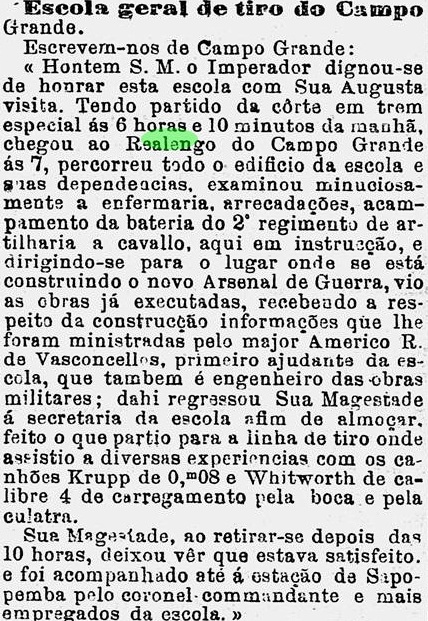
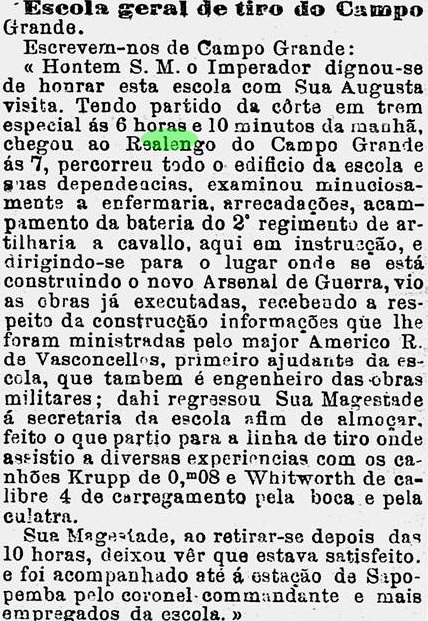
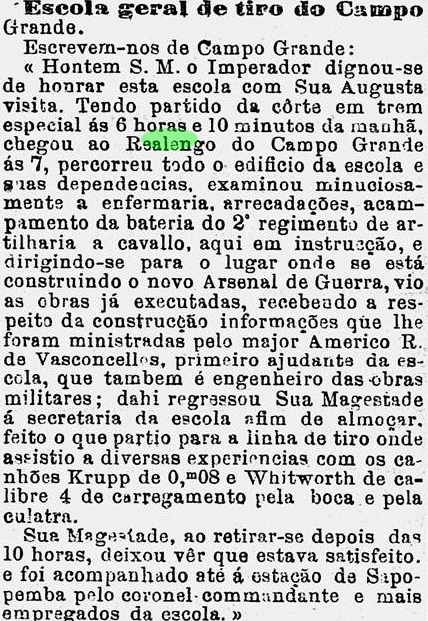
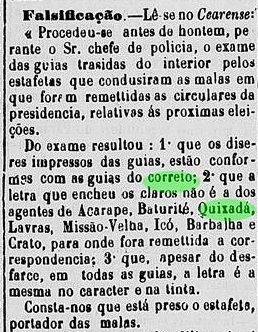
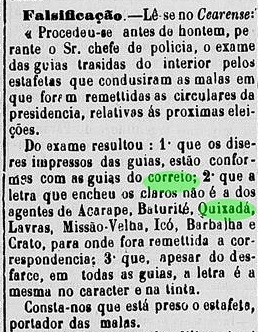
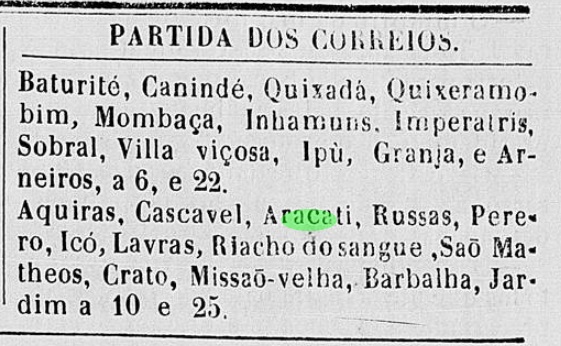
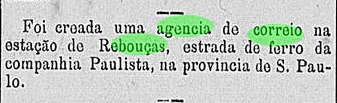
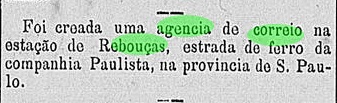
A press report confirms the establishment of the post office in December 1883:
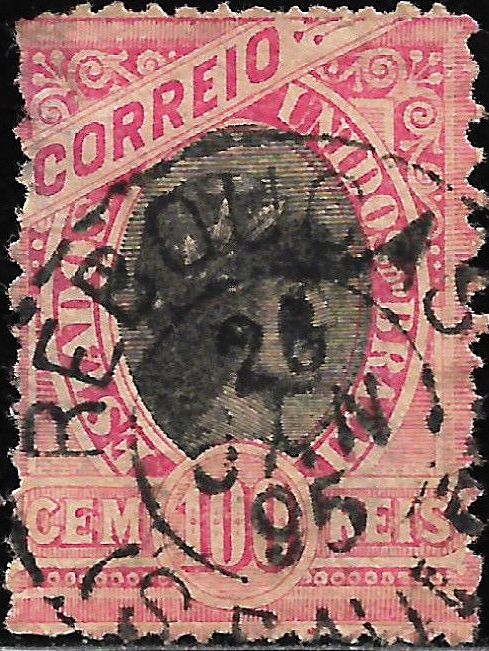
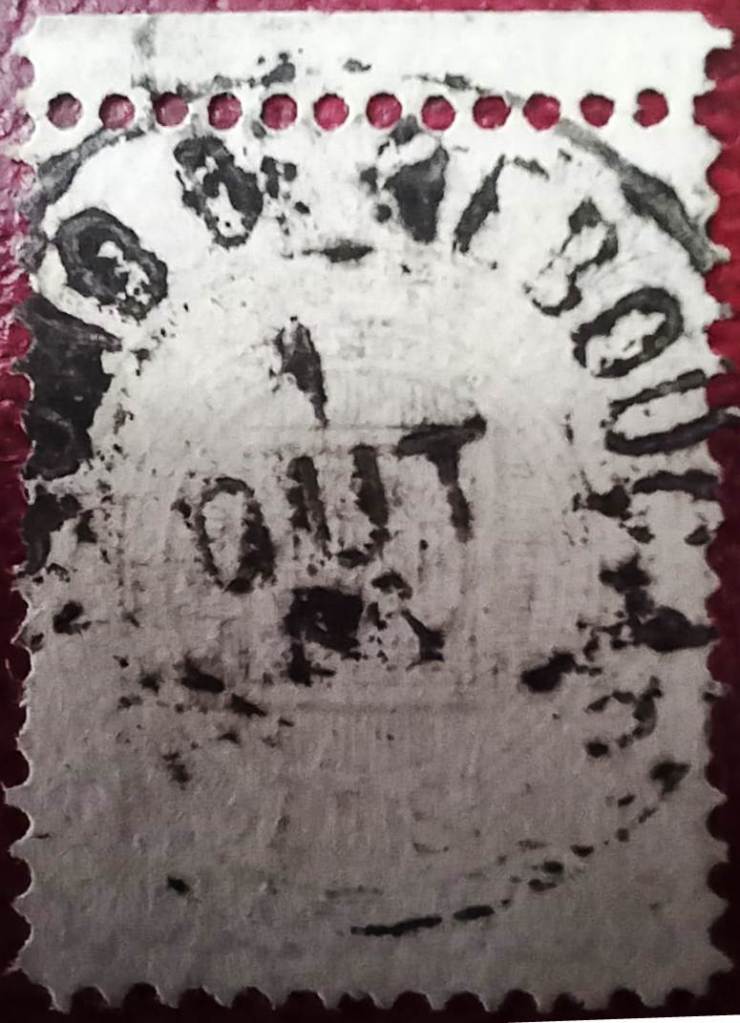
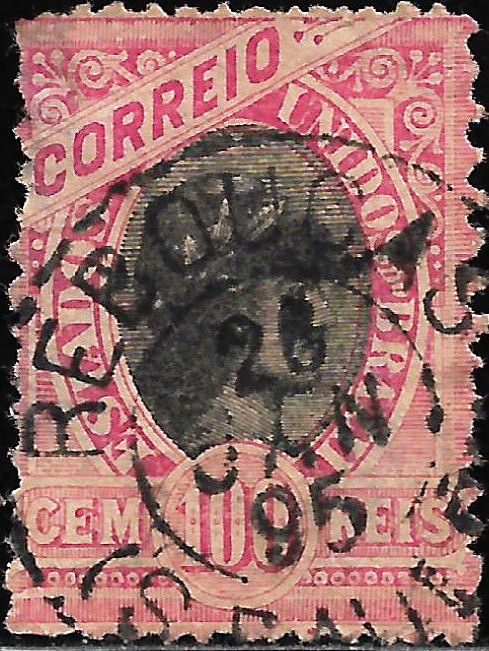
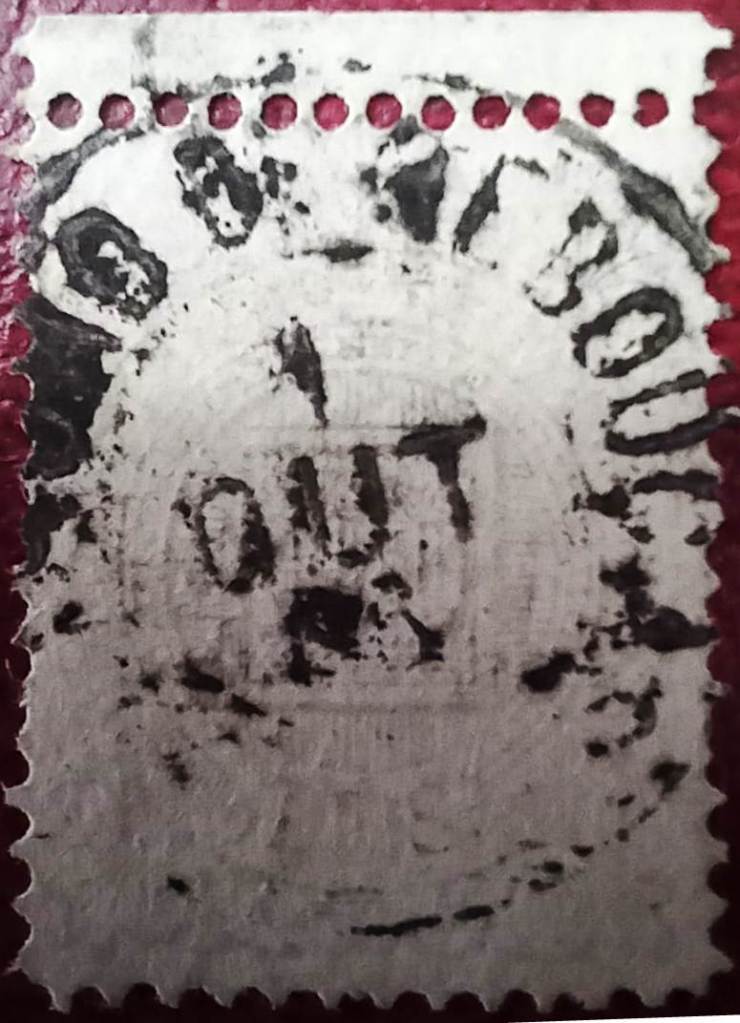
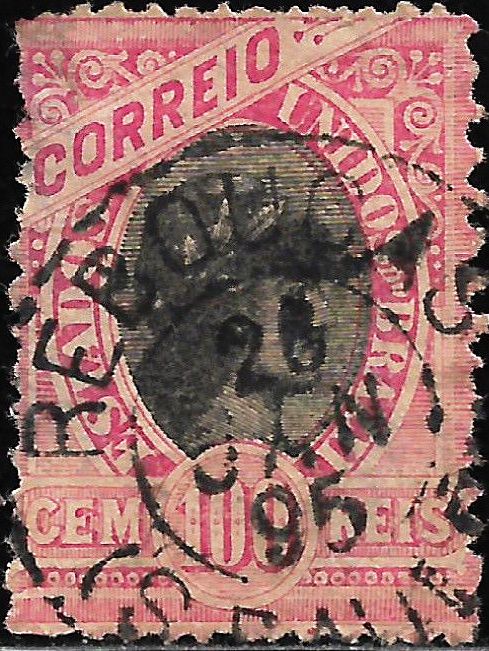
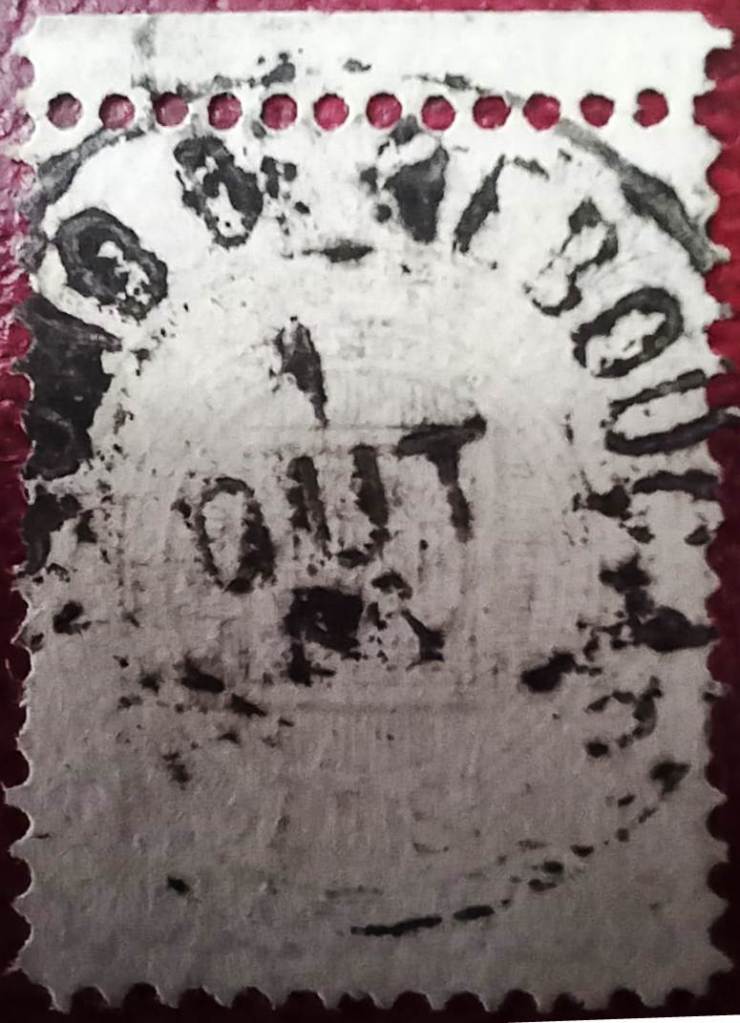
Two postmarks from the station have already been found for the 19. century: RSP-1055a (image from the internet) and the earlier RSP-1055b (collection of Fuad Ferreira Fo.):

Texto atualizado em 13 de outubro de 2026
Outros nomes: Sumaré (1945)
A estação Rebouças, da Companhia Paulista de Estradas de Ferro, foi inaugurada em 1875 e ficava, na época, perto de Campinas, a 120 quilômetros a noroeste da capital da província de São Paulo. Recebeu o nome do engenheiro Antônio Pereira Rebouças Filho (1839–1874), Companhia Paulista, que havia falecido pouco antes vítima de tifo.

Na época da fundação, não havia nada na região além de enormes plantações de café. A população ao redor da estação continuou a crescer e, em dezembro de 1909, Rebouças tornou-se um distrito, que em novembro de 1944 passou a se chamar Sumaré. Desde dezembro de 1953, Sumaré é um município. O nome deriva de uma espécie de orquídea comum no Brasil:
A linha ferroviária pertenceu à FEPASA de 1971 até o encerramento das operações em 1998. Hoje, os trilhos ainda estão lá; o prédio da estação foi restaurado e deve se tornar um museu ferroviário.
Uma nota da imprensa paulistana confirma a criação da agência dos Correios em dezembro de 1883:

Já foram encontrados dois carimbos postais da estação no séc. 19. RSP-1055a (imagem da internet) e o RSP-1055b, de data anterior (coleção de Fuad Ferreira Fo.):
Textaktualisierung am 13. Oktober 2026
Andere Namen: Sumaré (1945)
Der Bahnhof Rebouças der Companhia Paulista de Estradas de Ferro wurde 1875 eröffnet und lag damals bei Campinas, das 120 Kilometer nordwestlich der Provinzhauptstadt São Paulo liegt. Er wurde nach dem Ingenieur Antonio Pereira Rebouças Filho (1839–1874) benannt, einem prominenten Mitarbeiter der Bahngesellschaft, der kurz zuvor an Typhus gestorben war.

Bei der Gründung gab es in der Umgebung außer riesigen Kaffeeplantagen nichts. Die Bevölkerung um den Bahnhof wuchs weiter und im Dezember 1909 wurde Rebouças zu einem Distrikt, der im November 1944 in Sumaré umbenannt wurde. Seit Dezember 1953 ist Sumaré ein Município. Der Name leitet sich von einer in Brasilien häufig anzutreffenden Orchideenart ab:
Die Bahnlinie gehörte von 1971 bis zur Stilllegung 1998 der FEPASA. Heute sind die Gleise noch da, das Bahnhofsgebäude wurde restauriert und soll ein Eisenbahnmuseum werden.
Eine Pressenachricht bestätigt die Entstehung des Postamts im Dezember 1883:
Zwei Poststempel des Bahnhofs wurden bereits gefunden. RSP-1055a (Abbildung aus dem Internet) und der früher entstandene RSP-1055b (Sammlg. Fuad Ferreira Fo.):